Published: 19 May 2026. The English Chronicle Desk. The English Chronicle Online
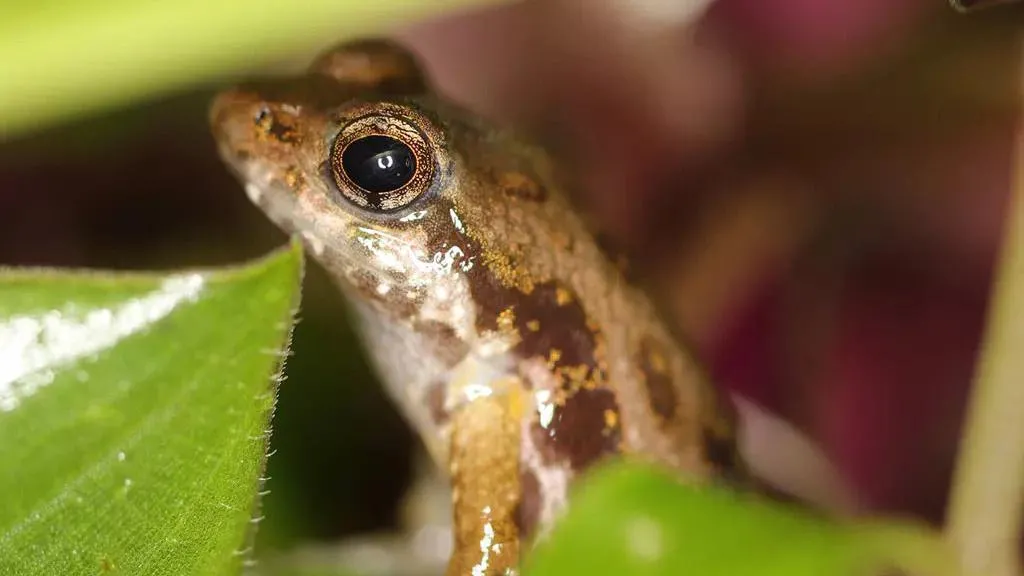
In a landmark conservation success story, London Zoo has officially unveiled its newest residents: a critically endangered collection of Ghanaian frogs that represent the last hope for their species. The Atewa slippery frog (Conraua sagyimase) and Afia Birago’s puddle frog (Phrynobatrachus afiabirago)—two of the world’s rarest amphibians—arrived at the zoo’s Secret Life of Reptiles and Amphibians exhibit following a complex, “asymmetric” international rescue mission. This collaboration between the Zoological Society of London (ZSL), Herp Conservation Ghana, and the Forestry Research Institute of Ghana marks a “clinical” turning point in the race to save these unique species from habitat destruction caused by mining in Ghana’s Atewa Forest Reserve.

The arrival of these frogs is the culmination of a grueling, 4,500-mile journey that took place in late 2025, but it is only in recent weeks that the success of the mission has been confirmed. Conservationists have achieved a world-first milestone by successfully breeding the Atewa slippery frog in human care, a critical step toward ensuring a sustainable population that can one day be reintroduced to the wild. Ben Tapley, Curator of Reptiles and Amphibians at London Zoo, broke his “clinical silence” this week to explain the gravity of the project. “With both species facing an imminent risk of extinction and limited local experience in amphibian care, it was decided that a population had to be moved to London to learn as much as possible while we still had the chance,” Tapley noted.
The challenge of the mission cannot be overstated. The Afia Birago’s puddle frog, which weighs less than 1.75g and is small enough to sit on a £1 coin, had never been kept in human care anywhere in the world before this project. The team at London Zoo has had to move at a frantic “160 MPH clip” to develop entirely new husbandry and breeding protocols from scratch, working with limited knowledge of the species’ life cycles. This rapid recalibration of care standards highlights the significant “resilience deficit” often faced by conservationists working with lesser-known, non-charismatic micro-fauna that rarely capture the same level of global funding as larger mammals.
The exhibition at London Zoo is not merely a public display; it is a vital, high-security research hub. The frogs are housed in custom-built, biosecure habitats where their growth and behavior are monitored with surgical precision. This data is being fed back to conservation partners in Ghana, where ZSL EDGE Fellow Anthony Churcher is currently identifying potential “safe zones” on private land surrounding the Atewa Hills that could support future rewilding efforts. By bridging the gap between London’s technical expertise and Ghana’s local conservation leadership, the zoo is creating an “asymmetric” blueprint for international species recovery that bypasses the typical bureaucratic “bottleneck” that often leaves such delicate projects under-resourced and overlooked.
For the international conservation community, this project serves as a “nasty,” blunt reminder of how quickly rare species can vanish before they are even fully understood by science. The Atewa slippery frog, for instance, was only described in 2021, and already it is on the brink of collapse due to the relentless demand for industrial mining. Despite this, the birth of the first captive-bred generation in London provides a glimmer of hope. It is a testament to the “speechless determination” of the ZSL team and their partners to ensure that these tiny, whistling amphibians do not become another tragic entry in the history of human-induced extinction.

As visitors flock to the new exhibit this May, they are witnessing more than just a rare zoo animal; they are looking at a living, breathing insurance policy for the future of West Africa’s biodiversity. In a world where 40% of all amphibian species are currently at risk, the arrival of these Ghanaian frogs at London Zoo represents a defiant, proactive stand against the tide of biodiversity loss. It is a clear message that while the threats to the natural world are immense, the collective capacity for human ingenuity to protect it remains, for now, equal to the task.
Related News:
 Chinese National Arrested Over Attempt to Smuggle 2,000 Queen Ants From Kenya
 Tiny Wonder: Meet the Baby Antelope No Bigger Than a Tin of Baked Beans
 Escobar’s Hippos May Be Moved to India Zoo
 UK Must Act with Courage and Clarity on Israel-Palestine Conflict, Says Foreign Affairs Committee Report
 Yvette Cooper Signals Global Momentum Towards Gaza Peace Deal Amid Humanitarian Crisis
 Chaos at Ibrox as Martin’s Rangers Era Comes to an End
 Russia’s Latest Push to Win US Favors Shows Deep Desperation
 BBC to Apologise Over Edited Trump Speech Amid Backlash
 Britain deploys RAF specialists to assist Belgium with drone threats
 Trump Urges Herzog to Grant Netanyahu Full Pardon
 Indian authorities demolish Kashmir home linked to Red Fort blast
 Greene Pushes Epstein Files Amid Trump Fallout
 December Run-Off in Chile as Election Produces No Winner
 Zelenskyy Signs Fighter Jet Deal Amid Russian Drone Attacks
 Shadow Fleet at Sea: Europe’s Battle Against Illicit Oil Shipping
 Tiny Curacao Makes History as Smallest Nation to Reach World Cup
 India’s COP30 Delay Raises Global Climate Concerns
 US Suspends Afghan Immigration After White House Shooting
 ‘Extinct’ Antelope Returns to Sahara, Bringing Hope
 Sydney Shark Attack Surge Shocks Australia Beaches
 Portugal Election Delivers Socialist Win as Far Right Surges
 Australian Families Leave Syrian Camp for Home
 ‘I Would Scream in My Sleep’: Alawite Women from Syria Tell of Kidnap and Rape
 Epstein Eyed Record Label Investment to Access Women, Files Suggest
 How Do You Modernise Mango Farming? India’s Growers Urged to Innovate as Climate Change Hits
 Ukraine Negotiator Reveals What It Feels Like Facing Russia
 Drugs, Denial, Stigma: Fiji’s HIV Crisis Hits Children
 Hilary Knight speaks out on Trump’s recent hockey remarks
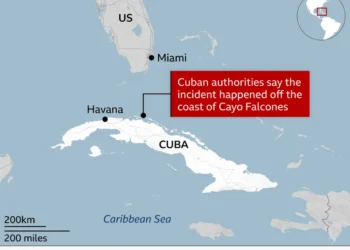 American Citizen Killed in Cuba Boat Shooting, U.S. Officials Say
 Iran’s Regime Still Intact — Coming Days Will Test Its Survival
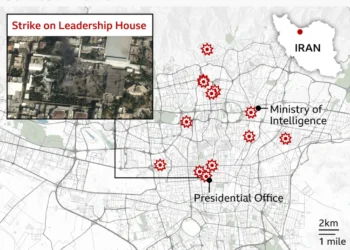 In Maps: Strikes Across Iran and the Middle East
 Brit ‘in Good Spirits’ Amid Dubai Missile Attacks, Stranded but Safe
 Civilian Deaths in Iran Pass 700 Amid Fear of Bombs and Regime Clampdown
 ‘Every Day Feels Like a Month’: Iranians Describe Life Under ‘Constant’ US‑Israeli Strikes
 Petrol Prices Soar as Retailers Accused of Gouging Amid Global Tension
 Penny Wong silent on Australian crew in sub strike
 Finland Plans to Lift Decades‑Old Ban on Hosting Nuclear Weapons
 Minister Meets Crews Who Will ‘Take Out’ Iranian Drones
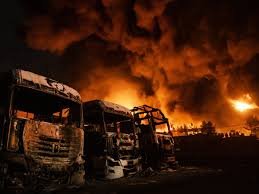 Oil Prices Surge Above $100 Amid Iran War
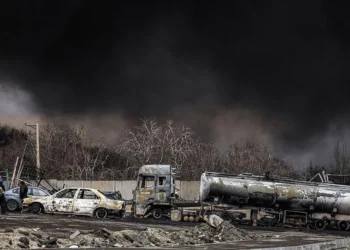 Nine Days of Strikes Reshape the Middle East
 Trump Pressures Congress Over Save America Act
 Real Estate Brothers Convicted in Sex Trafficking Trial
 Iran War Puts Trump at Political Risk Amid Rising Prices
 Goma Drone Attack Kills Three as Conflict Escalates
 Queensland Protest Laws Spark Free Speech Backlash
 Trump Nato threats expose Iran strategy vacuum
 Trump’s Confidence Undimmed — But Every Iran Option Carries Risk
 Israel Says Iran Security Chief Larijani ‘Killed’
 Australia Imposes Sudden Travel Ban on Iranian Visitors
 Trump Facing Backlash from Epstein Survivors Over Files
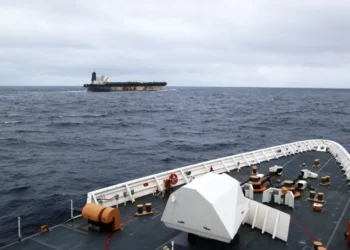 UK Forces Ready to Seize Russian Shadow Fleet Vessels
 Trump Considers Military Operation to Seize Iran’s Uranium
 “It Ends With Trial”: Judge Tosses Blake Lively’s Sexual Harassment Claims Against Justin Baldoni
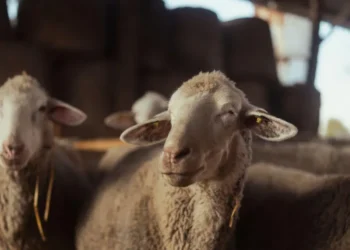 The Banbridge Rescue: 300 Sheep Saved from Massive Hay Shed Inferno
 Report Says Pezzullo Acted ‘Recklessly’ in Dealings
 Oil and Diplomacy: Russian Refineries Burn as Zelenskyy Secures Middle East Shield
 Electric Shock: Australians Buy Record Number of New EVs as Fuel Crisis Bites
 The Suffocating Silhouette: Why Metal’s Mask Trend is Turning Deadly
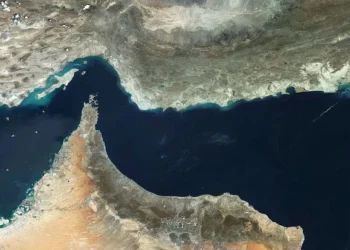 The Great Chokehold: Why the Strait of Hormuz is the Epicenter of the 2026 Crisis
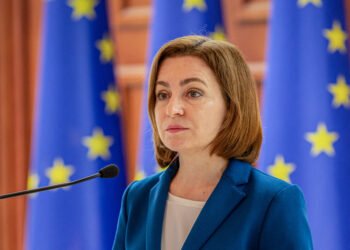 Moldova River Crisis Exposes War’s Hidden Cost
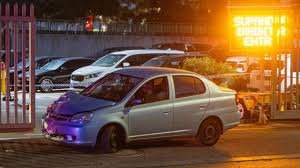 Tragedy Strikes Outside Melbourne Comic Con
 The Fog of War and the Ticker Tape: Suspicious Trades Rile Washington
 ‘A Fragile Calm’: Oil Prices Dip as Trump Extends Iran Ceasefire, But Blockade Holds Firm
 Justice and Deceit: High Court Convicts Woman in Hong Kong Blackmail Plot
 “Three-Wheeled Triumph”: Mayor of Erewash Completes 2,000-Mile European Charity Run
 Tragedy in the Red Centre: Outback Search Ends in Discovery of Missing Girl’s Body
 “An Endurance Test for the Mind”: British Couple Sentenced to 10 Years in Tehran
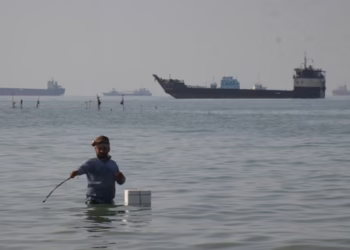 US to Escort Trapped Ships Through the Strait of Hormuz
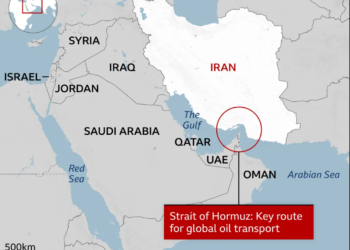 “The Pivot to Pakistan”: Trump Pauses ‘Project Freedom’ in Hormuz Amid Iran Deal Hopes
 “The Digital Frontier”: Scotland’s Papers Grapple with AI Harassment and ‘Mortgage Bottlenecks’
 “The Local Gavel”: Polls Open Across Hampshire and Isle of Wight in Delayed ‘Milestone’ Vote
 “The Blue Light Intersection”: Seventeen-Year-Old Critically Injured in ‘Nasty’ Police Pursuit Crash
 “The Fractured Frontier”: Sir John Curtice Declares the ‘Sacred’ Two-Party Era Over After ‘Milestone’ Results
 US Awaits Iran Reply on New Ceasefire Proposal
 “The End of the Towel War?”: How Hotels are ‘Clinically’ Stopping the Sunbed Dash
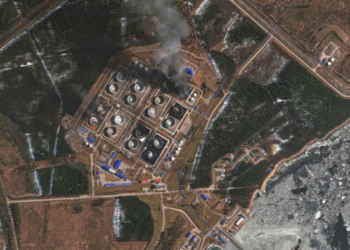 Putin Signals War End as Russian Momentum Stalls
 Philippine Senator Flees After Days Under Senate Siege
 High Street Crisis: Fears Grow Over Post Office Closures
 “Eyes in the Sky, Spikes on the Ground”: Advanced Satellite Imagery and AI Algorithms Deployed Across Britain to Save the Vanishing Hedgehog
 “A Historic Tumble”: Lost 1930s Film Reel Reveals the Untamed Origins of Gloucestershire’s Legendary Cheese-Rolling