Published: 20 May 2026. The English Chronicle Desk. The English Chronicle Online
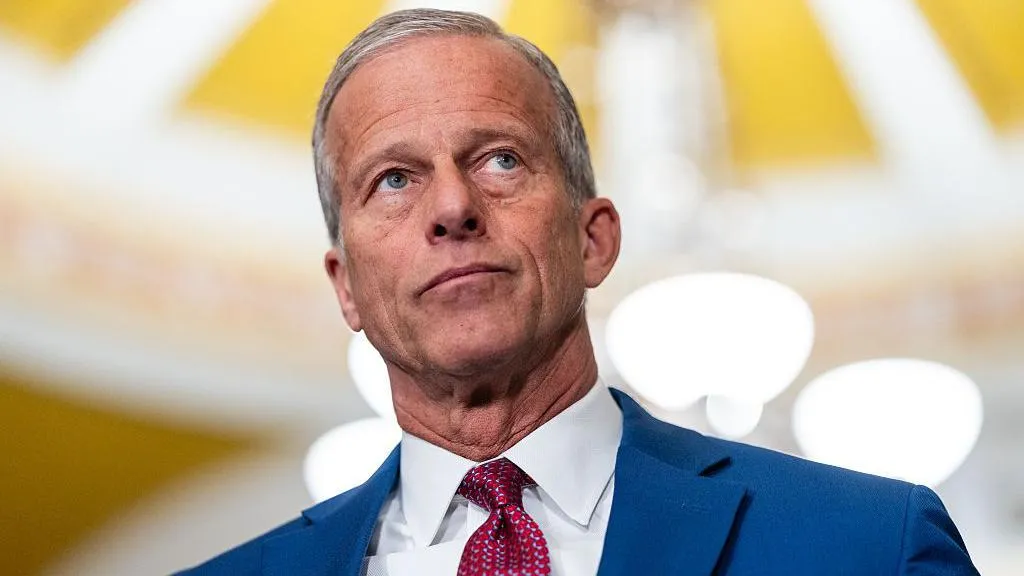
In a development that has sent shockwaves through the corridors of Washington, a prominent Republican lawmaker has publicly broken with the White House, branding the administration’s newly established $1.776 billion compensation fund as fundamentally flawed and lacking in necessary oversight. The fund, which was quietly announced by the Justice Department earlier this week as part of a settlement agreement to resolve a massive $10 billion lawsuit brought by Donald Trump against the IRS, has become a lightning rod for internal party friction. Critics within the GOP—and a small but vocal group of legislative rebels—have voiced deep concern over the opaque nature of the fund’s governance, which effectively places control of nearly $1.8 billion in taxpayer money into the hands of five individuals who serve at the sole pleasure of the President.

The dissenting Republican, who spoke on the condition of anonymity due to the intensity of the current primary season, noted that while they remain a loyal supporter of the administration’s broader policy goals, this specific initiative represents a bridge too far. “I’m not a big fan,” the lawmaker remarked during a press briefing, highlighting the “clinical” lack of transparency surrounding the fund’s beneficiaries. The primary objection centers on the fact that the agreement does not require public disclosure of who receives payments or the specific justifications for such awards. Furthermore, the inclusion of an addendum that “forever” bars the IRS from auditing the tax returns of the President, his family, or his affiliated companies has sparked fears of a permanent, “asymmetric” exemption that undermines the fundamental principle of equal application of the law.
The situation has created a significant “bottleneck” for party leadership, who are now scrambling to contain the fallout. Administration officials, including Acting Attorney General Todd Blanche, have defended the fund as a necessary measure to ensure “transparency for beneficiaries” and have characterized the settlement as a strategic victory that resolves a long-standing, costly legal battle. However, this explanation has failed to appease skeptics. During recent congressional hearings, questions regarding whether the funds might be accessible to individuals involved in the January 6 Capitol attacks were met with defensive, case-by-case justifications from administration allies, further fueling the “nasty” perception that the fund may be used as a political “slush fund” rather than a legitimate vehicle for redress.
The controversy is occurring against a backdrop of wider political instability, as the administration simultaneously attempts to navigate global crises and internal economic headwinds. The move has also exposed a “resilience deficit” within the Republican caucus, where the once-unified “America First” agenda is beginning to show cracks under the pressure of such high-stakes, internal power maneuvers. While the administration has successfully framed its recent humanitarian pledges to the UN as a move toward “greater government efficiency,” the domestic optics of the $1.776 billion compensation scheme are proving to be far more divisive. The public remains largely skeptical, and the “accountability rot”—a term increasingly used by policy analysts to describe the loosening of ethical safeguards in this second term—is becoming a central theme in the upcoming midterm campaign narratives.
For the lawmaker who chose to speak out, the risk of retribution is high, especially in an electoral environment where the President has proven his “speechless determination” to excise dissenters, as seen in the recent primary defeat of Congressman Thomas Massie in Kentucky. Yet, the dissent is a sign that the party’s internal coalition is becoming more complex. The “battle lines” between those who prioritize absolute executive discretion and those who demand traditional legislative oversight are being drawn with increasing clarity. As the fund begins its operations, the debate is expected to escalate, with opposition lawmakers signaling their intent to subpoena the Justice Department for a full accounting of how the money is spent—a process that will likely test the limits of executive privilege and set the stage for a prolonged, “asymmetric” legal and political confrontation.

In the final assessment, the establishment of this fund is more than just a financial arrangement; it is a profound, “nasty” departure from the norms of administrative governance. By effectively insulating the President’s personal financial history from oversight and creating a secretive, high-value pool of capital under direct presidential control, the administration has signaled a definitive shift toward a more centralized, less accountable model of power. Whether this will ultimately strengthen the President’s position or trigger a significant, “asymmetric” backlash from the party’s more traditional, rule-of-law-focused wing remains the defining question of this political season. For now, the “fault line” between the White House and its skeptical allies is only widening, ensuring that this $1.776 billion question will continue to haunt the headlines well into the summer.
Related News:
 US Defence Chief on Drug Boat Strike: “Did Not See Survivors”
 Thousands Protest ICE Operations in Nationwide US Day of Action
 US Military Says Two Killed in Strike on Alleged Drug Boat in Eastern Pacific
 Suspect in Rhode Island Ice Hockey Shooting Killed Ex‑Wife and Son
 Desperate Hunt for Breakthrough in Nancy Guthrie Case Turns to Mexico
 Inside Kyiv’s resolve as conflict nears five‑year mark
 US Partially Evacuates Beirut Embassy Amid Rising Iran Tensions
 Family Offers $1M Reward to Bring Home Missing Mother
 US ‘Suitcase Murderer’ Deported From Bali After 11 Years in Jail
 At Least 10 FBI Agents Who Worked on Trump Investigation Fired
 US Senate Vote Fails to Rein in Trump War Powers on Iran
 Trump Removes Kristi Noem From Homeland Security Role
 Two Charged After Bomb Attack Outside NYC Mayor’s Home
 ‘In Our Backyard’: FBI Labels Michigan Synagogue Attack as Hezbollah-Inspired Terrorism
 ‘I Know Him in My Bones’: Melissa Gilbert Denies Being ‘Naive’ in Defense of Timothy Busfield
 ‘A Toxic Garbage Sink’: UN Expert Condemns US Waste Dumping in Mexico
 US Court Ruling Reshapes Voting Rights Landscape
 US states redraw maps after voting rights ruling
 Judge halts deportation of Yemeni refugees in US
 Trump warns Iran as Middle East tensions surge again
 US Court Restores Abortion Pill Access Temporarily
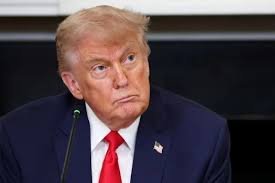 Trump Administration Dismisses 17 Immigration Judges, Sparking Debate Over Judicial Independence
 Northern Ireland Family of Three Shot Dead in Maguiresbridge Home Incident
 Just Stop Oil Protesters Convicted Amid Climate Defence Row
 Trump Urges Herzog to Grant Netanyahu Full Pardon
 Trump Deploys DHS to Charlotte in Major Arrest Operation
 Two National Guard Soldiers Critically Injured Near White House
 US National Guard Member Killed in DC Shooting
 Tokyo court rules Japan’s same-sex marriage ban constitutional
 American Mother Extradited From UK to U.S. on Murder Charges
 Russia losses Ukraine war peace talks intensify amid rising deaths
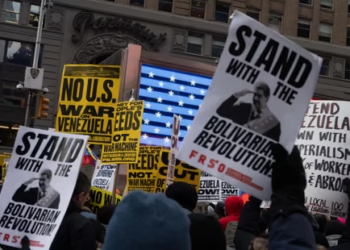 US Cities Erupt in Protests Against Trump’s Venezuela Military Action
 Trump Escalates Minnesota Immigration Surge Amid Rising Tensions
 Trump Weighs Response to Iran Crackdown as Tehran Says Communication Open With US
 US Clears Nvidia AI Chip Sales to China in Policy Shift
 EU Says US Ties Have Suffered ‘Big Blow’ After Greenland Crisis
 Videos reveal earlier clash before Alex Pretti shooting
 Iran Says ‘Guiding Principles’ Agreed With US at Nuclear Talks
 Dual Nationals Face Scramble for UK Passports as New Rules Come Into Force
 Nine Arrested in France Over Death of Far‑Right Student
 Eight Skiers Found Dead After California Avalanche
 Epstein Eyed Record Label Investment to Access Women, Files Suggest
 Live Nation Sees Strong Ticket Sales as Monopoly Lawsuit Looms
 Bill Gates ‘Took Responsibility’ Over Epstein Ties in Staff Meeting, Foundation Says
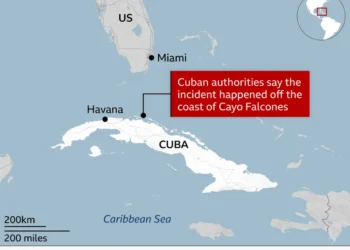 American Citizen Killed in Cuba Boat Shooting, U.S. Officials Say
 Trump Faces Questions Over Iran Conflict Plan
 Pete Hegseth Iran War Remarks Spark Alarm
 Real Estate Brothers Convicted in Sex Trafficking Trial
 Iran War Puts Trump at Political Risk Amid Rising Prices
 Queensland Protest Laws Spark Free Speech Backlash
 Trump’s Confidence Undimmed — But Every Iran Option Carries Risk
 Net Closes on Lyons Clan: Partner Arrested in Dubai as Crime Boss Snared in Bali
 Tragedy in Lebanon: Two Indonesian UN Peacekeepers Killed in Border Explosion
 Chain of Fire: US Bunker Busters Strike Major Iranian Ammo Depot in Isfahan
 Open Justice Prevails as Court Rejects Bondi Gunman’s Family Anonymity Bid
 “It Ends With Trial”: Judge Tosses Blake Lively’s Sexual Harassment Claims Against Justin Baldoni
 “The Monster of Hull”: Funeral Director Admits to Preventing 30 Burials and Stealing Charity Cash
 The “Protective Shield”: Who is Todd Blanche, the New Acting U.S. Attorney General?
 Report Says Pezzullo Acted ‘Recklessly’ in Dealings
 US Airman Rescued in Daring Mission After F-15 Shot Down in Iran
 The Bench Strikes Back: Lower Court Judges Emerging as Main Obstacle to Trump’s Executive Pivot
 The Moral Crisis Looming Within the American Chain of Command
 The Fallen Icon: Ben Roberts-Smith Charged with Five War-Crime Murders
 The Changing Face of Georgia: Trump-Backed Clay Fuller Wins Election
 The Gilgo Beach Case: Heuermann Expected to Plead Guilty to Eighth Victim
 California fireworks blast: murder charges filed in case
 The Frozen Frontier: Why Frostbite is the Least of Concerns for Canada’s Arctic Forces
 Justice and Deceit: High Court Convicts Woman in Hong Kong Blackmail Plot
 Judicial Whiplash: Virginia Court Pauses Redistricting 24 Hours After Public Vote
 Ukraine Urges UK to Seize Russian Oil Tankers
 Tragedy in the Red Centre: Outback Search Ends in Discovery of Missing Girl’s Body
 Cartel crackdown raises fears of fresh violence
 Trump Threatens UN Budget Cuts as US Pushes ‘Trade Over Aid’ Agenda
 Miami Upgrades Shake Up F1 Title Fight
 “The Cost of Conviction”: Palestine Action Activists Found Guilty Over ‘Clinical’ Factory Damage
 Florida Surgeon ‘Devastated’ Over Fatal Surgery Error
 US Awaits Iran Reply on New Ceasefire Proposal
 Immigration Judges Fear Pressure in Trump Era
 “The End of the Towel War?”: How Hotels are ‘Clinically’ Stopping the Sunbed Dash
 “A Political Reckoning”: Kentucky’s Thomas Massie Ousted in Landmark Primary Defeat