Published: 29 May 2026. The English Chronicle Desk. The English Chronicle Online
Fresh political tensions have emerged across the United Kingdom after senior Labour figures suggested that a proposed extension of the National Living Wage for workers aged over 18 may not be implemented before the next general election. The remarks sparked an immediate backlash from trade unions, labour campaigners, opposition voices, and younger workers who had hoped the policy would become a defining promise under a future Labour-led government.
The controversy erupted following comments made during a policy discussion earlier this week, where Labour representatives indicated that economic pressures and ongoing fiscal concerns could delay broader wage reforms. While party officials later attempted to clarify those remarks, criticism spread rapidly across political circles and social media platforms, placing Labour under renewed scrutiny over its economic commitments.
Trade union leaders responded sharply within hours. Several major labour organisations accused the party of weakening its support for younger workers at a time when inflation, housing costs, transport expenses, and food prices continue placing enormous strain on households across Britain. Union representatives argued that millions of workers under 21 remain trapped in unfair pay structures despite performing identical duties alongside older colleagues.
Under current wage regulations, younger workers often receive lower minimum pay rates based solely on age categories. Campaigners have long argued that such distinctions no longer reflect modern living realities. Many younger employees now face rising rent, student debt, transport costs, and energy bills without meaningful financial protection.
Labour previously signalled support for creating a pathway toward a fairer wage framework. That pledge attracted considerable support from trade unions and working-class communities during recent campaigns. However, the latest comments suggesting a possible delay before implementation have triggered frustration among Labour’s traditional support base.
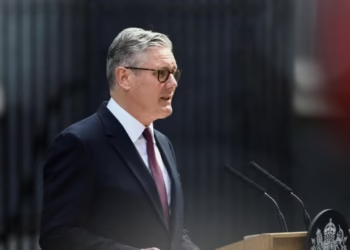
Political analysts believe the timing of this debate carries wider implications for Labour leader Keir Starmer and his party’s broader economic strategy. Labour has spent recent years attempting to present itself as fiscally disciplined while simultaneously maintaining strong ties with unions and working communities. Critics now claim the party risks alienating younger voters and workers by appearing overly cautious on wage reform.
The issue gained further momentum online as campaign groups circulated testimonies from younger employees struggling with daily expenses despite working full-time jobs. Several workers described feeling undervalued due to wage differences tied directly to age rather than experience or workload. Others argued that equal work should receive equal pay regardless of age brackets established under previous governments.
Trade unions meanwhile intensified public pressure through coordinated statements and interviews across British media outlets. Some leaders warned Labour could damage trust among core supporters if it retreats from promises surrounding economic fairness. Others urged party officials to deliver a clearer timeline for reform rather than leaving uncertainty hanging over younger workers already facing financial hardship.
Economic experts remain divided regarding immediate implementation. Supporters of extending the National Living Wage to over-18s argue higher earnings could strengthen consumer spending and reduce financial insecurity among young adults. They also claim better wages may improve workforce retention in industries currently experiencing staff shortages, including hospitality, retail, logistics, and social care.
Opponents however warn that smaller businesses already struggling with rising operational costs may face additional pressure if wage increases arrive too quickly. Business groups have cautioned that rapid expansion of higher pay obligations could affect recruitment levels or reduce staffing flexibility for employers operating on tight margins.
Despite those concerns, campaigners insist economic caution should not override basic fairness. Many point toward increasing living costs across Britain, particularly in major urban centres where younger workers often spend large portions of their income on rent and transportation. Housing affordability remains one of Britain’s most pressing social challenges, with younger generations experiencing significant difficulty entering stable housing markets.
Political rivals quickly moved to exploit Labour’s difficulties. Conservative figures accused the party of sending mixed economic signals while attempting to balance union expectations against fiscal caution. Meanwhile, smaller progressive parties argued Labour should take stronger action supporting low-paid workers rather than postponing reforms under financial pressure.
Inside Labour itself, reports suggest some internal disagreements continue regarding economic priorities ahead of future elections. Certain party figures reportedly favour more ambitious worker-focused reforms designed to energise younger voters and strengthen Labour’s social justice image. Others remain concerned about maintaining financial credibility amid uncertain economic forecasts.
Recent polling indicates economic security remains among the most important issues for British voters heading into upcoming political cycles. Inflation has eased compared with previous peaks, yet many households continue facing severe financial pressures. Energy costs, grocery prices, rent increases, and transport expenses remain key concerns across multiple regions throughout Britain.
The debate surrounding wage reform also highlights wider questions about generational inequality within the United Kingdom. Younger workers frequently experience lower savings levels, unstable employment contracts, and limited housing opportunities compared with previous generations at similar ages. Many economists argue that wage growth among younger adults has failed to keep pace with modern living costs over recent decades.
Public reaction online has remained intense. Social media platforms became flooded with criticism, debate, and political commentary following Labour’s remarks. Some users accused politicians across multiple parties of ignoring realities faced by younger workers. Others defended cautious policymaking amid uncertain economic conditions and global market instability.
Several campaign organisations meanwhile urged Parliament to revisit broader employment protections affecting younger workers. Advocates argued wage reform should form part of a larger conversation surrounding affordable housing, student debt, workplace security, and economic mobility.
As pressure continued mounting, Labour officials attempted damage control through interviews and follow-up statements. Party representatives insisted Labour remains committed toward improving living standards and supporting working people across Britain. However, critics argued those assurances lacked concrete commitments or definitive timelines.
Political observers note that Labour now faces a delicate balancing act. Stronger promises around wage reform may energise unions and younger voters, though opponents could portray expanded spending commitments as economically risky. Delayed reforms however may create frustration among supporters expecting bold action on cost-of-living issues.
The coming months will likely determine whether Labour can rebuild confidence around its wage policies before political divisions deepen further. Trade unions appear unlikely to soften pressure soon, particularly as living costs continue affecting millions across Britain. Younger workers meanwhile increasingly expect direct responses from political leaders regarding wages, housing affordability, and financial stability.
For many voters, this controversy extends beyond technical economic policy. It reflects broader anxieties surrounding fairness, opportunity, and the future direction of Britain’s labour market during a period marked by uncertainty and rising public frustration.
Whether Labour ultimately proceeds with faster wage reforms or delays implementation further may shape public trust heading into future elections. What remains clear however involves one undeniable reality: debates surrounding wages, inequality, and living standards will remain central within British political discourse for the foreseeable future.
Related News:
 Green Party Surges Past Labour in Latest UK Poll
 Trump’s UK Ambassador Urges North Sea Drilling to Strengthen US Ties
 French Taxi Driver Cleared in David Lammy Theft Case After Fare Dispute
 Millionaires group urge Reeves to introduce wealth tax to ‘lift kids out of poverty’
 Starmer Faces Growing Dissent as Labour MPs Weigh Leadership Challenge
 Reeves rejects £1bn plea for NHS redundancy payouts
 PM Condemns Leaks, Vows Loyalty to Ministers and Stability
 Major Rent Reform Ends No-Fault Evictions in England
 Peers Flood Assisted Dying Bill with 942 Amendments
 Most Tories Expect to Support a Farage-Led Government
 Labour MP claims devolution bill is ‘blatant discrimination’ against Cornwall
 Millions Face Higher Taxes Under Reeves New Budget
 Starmer Says Labour’s Economic Plan Needs Years to Deliver
 Culture secretary to review Telegraph takeover by Daily Mail owner
 UK Government Borrowing Drops to £11.6bn in December
 Labour Blocks Burnham as Party Rift Deepens Ahead of Polls
 Andy Burnham and the Labour Rift Over Power and Leadership
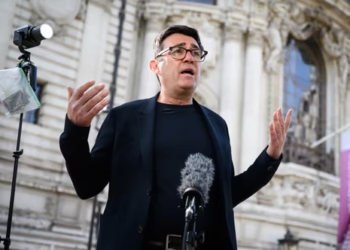 Huge mistake: Labour blocks Burnham from byelection bid
 Artificial intelligence will cost jobs, admits Liz Kendall
 Labour targets Greens on drugs in Gorton Denton byelection
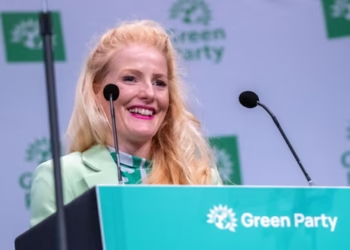 Greens nominate Hannah Spencer for Gorton and Denton byelection
 Mandelson Faces Police Inquiry Over Epstein Leak
 Starmer Condemns ‘Depraved’ Russian Strikes on Ukraine
 Labour Thinktank Row Deepens Over Journalist Probe Claims
 Morgan McSweeney downfall shocks Labour leadership
 Labour Lord Doyle Apologises Over Paedophile Ties in Political Storm
 Cabinet Secretary Shake-Up Triggers Due Diligence Warning
 Starmer Faces Inquiry Calls Over Thinktank Probe
 Royal Mail Delivery Crisis Deepens Amid Weather Chaos
 UK shelves £110m border project amid trade strain
 Farage Unveils Reform UK Frontbench Team
 California Democrats Vow Trump Reckoning
 Trump Tariffs Threat Spark UK and EU Alarm
 Wales Approves Assisted Dying Bill Consent
 UK EU Trade Reset Gains Public Backing
 Your Party leadership fight nears dramatic end
 NHS Maternity Units Cover Up Harmful Childbirth Errors
 Green Party Stuns Labour in Gorton and Denton Byelection
 Corbyn Leads Your Party in Coordinated Left-Flank Strategy
 Labour Together scandal sparks clean break vow
 Asylum Seekers to Work After Year-Long Wait
 Starmer Row as Greens Demand Apology
 Proposed Law Leaves Gap for Children of Convicted Paedophiles
 Gordon Brown urges court for crimes against children
 Starmer Praised for Stance on Trump and Iran Conflict
 Inquiry into HMRC child benefit errors launched by NAO
 NHS Plans to Cut Overseas Workers Labeled Overambitious
 Farage Faces Backlash Over Crypto Cameo Endorsements
 Army Probes Apache Flyover at Kid Rock’s Nashville Estate
 Relationship with Trump may be beyond repair, Starmer warned
 Unions Raise Concerns Over Doctors’ Pay Dispute
 UK Government Poised to Revive Stalled Hillsborough Law
 UK Stands Firm on Falklands Amid US Rift
 Welsh Labour Faces Potential Historic Election Defeat
 Starmer Survives Mandelson Rebellion
 Silent Tracks: Rail Line Without Passengers
 Major test for Labour as polls open in Great Britain
 Labour Members Doubt Starmer Future as Burnham Leads Poll
 Reform UK Faces Crisis as Newly Elected Councillors Resign
 Farage Faces New Questions Over Private Helicopter Use
 Keir Starmer Struggles to Secure His Grip on Downing Street
 Farage Faces Standards Probe Over Cash Property Purchase
 Green Party Makerfield Candidate Resigns Over Posts
 Secret Role of UK Security Services in Troubles Amnesty Law
 Starmer Leadership Under Pressure After Setbacks
 The Hidden Crisis Eroding Trust in British Communities
 Deepfake Abuse on X Sparks Safety Concerns for Dissidents
 Modernising the Military: Carns Demands Urgent Procurement Reform
 UK Ministers Lobby Trump Over Under-16s Social Media Ban
 Starmer Resolves to Fight Burnham in Leadership Battle
 Starmer Resigns as Prime Minister Amid Internal Pressure
 MP Warning: Northern Rail Risks Repeating HS2 Failures
 Hollie Ridley to Step Down as Labour General Secretary
 New South Wales Premier Chris Minns Signals Tough Road Ahead for Labor
 Jarvis Urges Burnham to Secure 3.5% Defence Spending
 Farage Warns Sky News Following Financial Inquiry
 Reform UK Finances Face Deep NCA Probe
 Ann Widdecombe, Formidable Political Figure, Dies at 78
 Treasury Reform Urged After Tragic Loss
 Sadiq Khan Backs Call for Maximum UK Work Heat Limit