Published: 14 July 2026. The English Chronicle Desk. The English Chronicle Online.
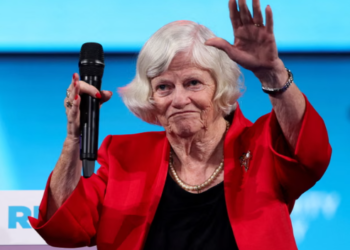
The political landscape in Britain has recently been shaken by intense debate regarding the security provisions afforded to prominent public figures. Robert Jenrick, acting as the Treasury spokesperson for Reform UK, has leveled severe criticism at the current government for its handling of security arrangements for Nigel Farage. This heated discussion follows the deeply distressing and tragic death of Ann Widdecombe, which has prompted urgent national reflection on the safety of those involved in public life. Jenrick alleges that the government only moved to arrange a necessary meeting between Farage and the security authorities as a direct consequence of the recent murder. He suggests that this action came far too late and feels deeply cynical given the serious climate of threats currently facing politicians across the spectrum.
The core of this controversy revolves around the royal and VIP executive committee, commonly known as Ravec, which holds the responsibility for protecting high-profile individuals. Jenrick argues that ministers deliberately chose not to provide the level of security that Farage required during the past two years. During a candid interview on the BBC Radio 4 Today programme, Jenrick faced rigorous questioning from Nick Robinson regarding his recent public critiques of the government and the speaker of the House of Commons. Robinson explored the possibility that these complaints were a calculated strategy intended to divert national attention away from recent headlines about financial matters involving Farage. However, Jenrick strongly rejected this suggestion and insisted that the government was playing dangerous politics with the safety of politicians.
He maintained that the current administration’s hesitation to grant a security meeting was motivated by a clear dislike for the political views expressed by the Reform party. According to his perspective, these politicians are consistently challenging the establishment and refuse to back down from their stated positions on difficult national issues. While the government maintains that all individuals in public office are treated with equal care, many observers are scrutinizing the timeline of these security decisions. Reports have surfaced indicating that Farage previously declined a state-funded package that included a dedicated bodyguard, a secure vehicle, and a highly trained driver. It appears that Farage believed this offer represented a significant downgrade compared to the protection he had been provided with in the past.
Jenrick confirmed these reports during his media appearances but argued that the situation must be understood in the context of an earlier, broader reduction in the security arrangements Farage once enjoyed. He noted that the initial plan provided to the Reform leader was quite comprehensive before the authorities decided to scale back those measures without a clear justification. The reasons behind this specific reduction remain unclear, and Jenrick hopes that the upcoming meeting with the security committee will provide some much-needed transparency on the matter. Meanwhile, the Home Secretary, Shabana Mahmood, has recently extended a formal offer for a personal meeting to discuss these concerns directly with the Reform leadership. She has consistently insisted that all Members of Parliament are treated with complete equality regarding their security protection.
During a session in the Commons, the Home Secretary explained that the tragic loss of Ann Widdecombe has highlighted urgent questions about the safety of former parliamentarians and figures from smaller political parties. She expressed deep concern over the broader climate of intimidation and abuse that currently permeates public discourse in the United Kingdom. Nigel Farage has since acknowledged this offer on social media by thanking the Home Secretary and confirming his intent to attend the meeting with the chair of the security committee. He plans to use this opportunity to discuss the safety of all Reform party politicians, including those who are not currently serving as elected Members of Parliament. This dialogue is viewed as a vital step in ensuring that all voices in the democratic process can participate safely without the constant shadow of violence.
The investigation into the death of Ann Widdecombe is currently being led by dedicated counter-terrorism police, reflecting the severity of the incident. A twenty-eight-year-old man from Rotherham was arrested in connection with the case and subsequently held on suspicion of committing acts of terrorism. The incident has sent shockwaves through the political community and intensified the national conversation regarding the protection of public figures from extreme violence. Treasury minister Lucy Rigby has also spoken out about the increasingly horrific climate of abuse that many politicians now face in their day-to-day lives. She noted that the rise of toxic behavior on social media and instances of physical intimidation are deeply troubling for the future of British democracy.
Rigby emphasized that everyone involved in public service must be able to conduct their important work without fearing for their safety or the safety of their families. She expressed a sincere wish that the current levels of violence were not becoming a normalized fact of life in our country. Many colleagues across the political aisle have echoed these sentiments, calling for a collective effort to address the culture of hatred that has grown in recent years. While the government faces ongoing pressure to justify its security protocols, the primary focus remains on restoring a sense of safety for all those serving the public. The upcoming meeting between Farage and the security officials will likely be watched closely by those concerned about the intersection of political discourse and individual protection.
Whether this meeting will satisfy critics or lead to a lasting change in policy remains to be seen in the coming weeks. For now, the focus is on understanding how the nation can better protect those who represent the electorate during these increasingly volatile times. The tragedy surrounding the life and work of Ann Widdecombe has forced a rare and somber moment of unity among parties who usually disagree on almost every significant policy issue. The challenge ahead involves balancing the necessity of public accessibility with the harsh realities of physical security in an era defined by rapid and often aggressive digital communication. Many hope that this period of reflection will lead to robust solutions that protect the integrity of our democratic institutions and the people within them. As the investigation continues and the security review proceeds, the public will remain attentive to how the government manages these sensitive responsibilities. Ultimately, the stability of political representation depends on ensuring that safety is treated as a fundamental requirement for every individual engaged in public life.
Related News:
 Green Party Surges Past Labour in Latest UK Poll
 Trump’s UK Ambassador Urges North Sea Drilling to Strengthen US Ties
 French Taxi Driver Cleared in David Lammy Theft Case After Fare Dispute
 Millionaires group urge Reeves to introduce wealth tax to ‘lift kids out of poverty’
 Starmer Faces Growing Dissent as Labour MPs Weigh Leadership Challenge
 Reeves rejects £1bn plea for NHS redundancy payouts
 PM Condemns Leaks, Vows Loyalty to Ministers and Stability
 Major Rent Reform Ends No-Fault Evictions in England
 Peers Flood Assisted Dying Bill with 942 Amendments
 Most Tories Expect to Support a Farage-Led Government
 Labour MP claims devolution bill is ‘blatant discrimination’ against Cornwall
 Starmer Says Labour’s Economic Plan Needs Years to Deliver
 Culture secretary to review Telegraph takeover by Daily Mail owner
 UK Government Borrowing Drops to £11.6bn in December
 Labour Blocks Burnham as Party Rift Deepens Ahead of Polls
 Andy Burnham and the Labour Rift Over Power and Leadership
 Huge mistake: Labour blocks Burnham from byelection bid
 Artificial intelligence will cost jobs, admits Liz Kendall
 Labour targets Greens on drugs in Gorton Denton byelection
 Greens nominate Hannah Spencer for Gorton and Denton byelection
 Mandelson Faces Police Inquiry Over Epstein Leak
 Starmer Condemns ‘Depraved’ Russian Strikes on Ukraine
 Labour Thinktank Row Deepens Over Journalist Probe Claims
 Morgan McSweeney downfall shocks Labour leadership
 Labour Lord Doyle Apologises Over Paedophile Ties in Political Storm
 Cabinet Secretary Shake-Up Triggers Due Diligence Warning
 Starmer Faces Inquiry Calls Over Thinktank Probe
 Royal Mail Delivery Crisis Deepens Amid Weather Chaos
 UK shelves £110m border project amid trade strain
 Farage Unveils Reform UK Frontbench Team
 California Democrats Vow Trump Reckoning
 Trump Tariffs Threat Spark UK and EU Alarm
 Wales Approves Assisted Dying Bill Consent
 UK EU Trade Reset Gains Public Backing
 Your Party leadership fight nears dramatic end
 NHS Maternity Units Cover Up Harmful Childbirth Errors
 Green Party Stuns Labour in Gorton and Denton Byelection
 Corbyn Leads Your Party in Coordinated Left-Flank Strategy
 Labour Together scandal sparks clean break vow
 Asylum Seekers to Work After Year-Long Wait
 Starmer Row as Greens Demand Apology
 Proposed Law Leaves Gap for Children of Convicted Paedophiles
 Gordon Brown urges court for crimes against children
 Starmer Praised for Stance on Trump and Iran Conflict
 Inquiry into HMRC child benefit errors launched by NAO
 NHS Plans to Cut Overseas Workers Labeled Overambitious
 Farage Faces Backlash Over Crypto Cameo Endorsements
 Family Court Reform Promises New Era for UK Families
 Army Probes Apache Flyover at Kid Rock’s Nashville Estate
 Relationship with Trump may be beyond repair, Starmer warned
 Unions Raise Concerns Over Doctors’ Pay Dispute
 UK Government Poised to Revive Stalled Hillsborough Law
 Starmer Faces Commons Test Over Mandelson Scandal
 UK Stands Firm on Falklands Amid US Rift
 Crackdown Backfires on UK Climate Protesters
 Welsh Labour Faces Potential Historic Election Defeat
 Starmer Survives Mandelson Rebellion
 Silent Tracks: Rail Line Without Passengers
 Major test for Labour as polls open in Great Britain
 Labour Members Doubt Starmer Future as Burnham Leads Poll
 Reform UK Faces Crisis as Newly Elected Councillors Resign
 Farage Faces New Questions Over Private Helicopter Use
 Keir Starmer Struggles to Secure His Grip on Downing Street
 Farage Faces Standards Probe Over Cash Property Purchase
 Secret Role of UK Security Services in Troubles Amnesty Law
 Farage and Reform UK Reshape British Politics
 Minister Criticises Police Guidance Amid Southampton Protests
 Makerfield Voters Demand Real Change as Election Looms
 The Hidden Crisis Eroding Trust in British Communities
 Deepfake Abuse on X Sparks Safety Concerns for Dissidents
 Labour MP Revives Blocked Assisted Dying Bill in Commons
 Starmer Resolves to Fight Burnham in Leadership Battle
 Starmer Set to Announce Exit Plan as Burnham Eyes No 10
 Hollie Ridley to Step Down as Labour General Secretary
 Jarvis Urges Burnham to Secure 3.5% Defence Spending
 Farage Warns Sky News Following Financial Inquiry
 Reform UK Finances Face Deep NCA Probe
 Burnham Pledges New Era of Open Debate for Labour MPs
 Ann Widdecombe, Formidable Political Figure, Dies at 78
 Sadiq Khan Backs Call for Maximum UK Work Heat Limit