Published: 29 June 2026
The English Chronicle Desk
The English Chronicle Online
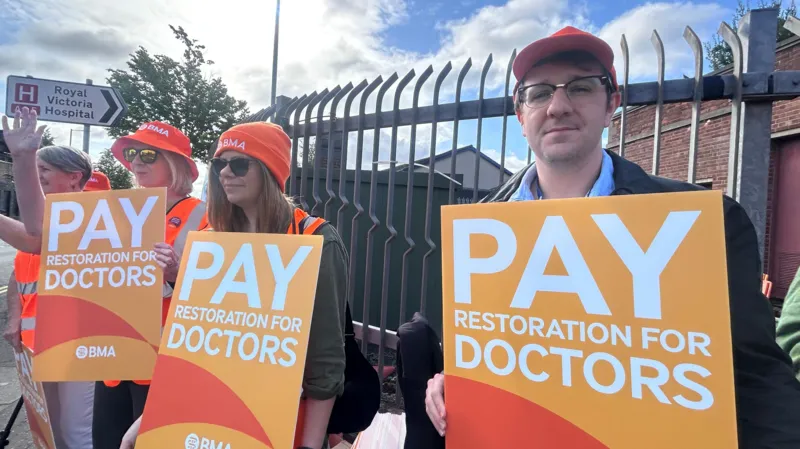
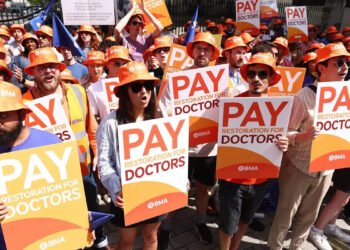
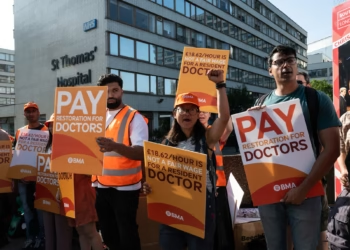
Resident doctors have begun strike action in a renewed dispute over pay, placing fresh pressure on healthcare services and reigniting debate about workforce retention, NHS funding and the future of medical careers in the UK.
The industrial action follows months of disagreement between medical representatives and government officials over salaries, working conditions and the long-term challenges facing the healthcare system.

While both sides have expressed a desire to resolve the dispute, negotiations have so far failed to produce an agreement capable of preventing further disruption.
The strike is expected to affect hospitals and health services across the country, with NHS organisations implementing contingency plans designed to maintain essential and emergency care.
Health leaders have urged patients to continue seeking urgent medical assistance when necessary while warning that some routine appointments and procedures may face delays.
Resident doctors, who make up a substantial portion of the NHS workforce, play a critical role in delivering patient care across hospitals and specialist services.
They work under the supervision of senior clinicians while completing the training required to become consultants, general practitioners and other medical specialists.
Representatives of the striking doctors argue that pay has failed to keep pace with rising living costs over a prolonged period.
They say many healthcare professionals are experiencing increasing financial pressures despite working in highly demanding roles that often involve long hours, night shifts and significant responsibility.
Medical unions have warned that dissatisfaction over pay is contributing to recruitment and retention problems throughout the NHS.
According to campaigners, some doctors are choosing to leave the profession altogether, reduce their working hours or pursue opportunities overseas where salaries and working conditions may be perceived as more attractive.
Supporters of the strike argue that addressing pay concerns is essential to maintaining a sustainable healthcare workforce.
They contend that improving compensation could help retain experienced staff and encourage more medical graduates to build long-term careers within the NHS.
Government ministers have acknowledged the importance of healthcare workers but argue that public sector pay decisions must take account of broader economic circumstances and budgetary pressures.
Officials have stressed the need to balance support for NHS staff with responsible management of public finances.
The dispute has generated mixed reactions among the public.
Many patients have expressed sympathy for doctors who say they feel undervalued after years of service, particularly following the extraordinary demands placed on healthcare workers during recent public health emergencies.
Others worry about the impact of strike action on patient care and delayed treatment.
Healthcare analysts note that industrial action within the NHS often places policymakers in a difficult position.
Public support for healthcare professionals can be strong, but disruptions to services also generate concern among patients awaiting appointments, operations and specialist consultations.
Hospitals have activated emergency measures to minimise the effects of the strike.
Senior doctors, consultants and other healthcare staff are helping cover critical services, while health authorities have prioritised urgent and life-saving treatment.
Nevertheless, officials acknowledge that some disruption is unavoidable during periods of large-scale industrial action.
The strike also highlights wider challenges facing the NHS.
Health service leaders have repeatedly warned about workforce shortages, increasing patient demand and growing pressure on resources.
Many experts believe staffing issues will remain one of the most significant challenges confronting healthcare services in the coming years.
Medical organisations argue that pay is only one aspect of a broader workforce debate.
Doctors have also raised concerns about workload pressures, burnout, training opportunities and workplace wellbeing.
Some believe meaningful reforms will require a comprehensive strategy rather than a focus solely on salaries.
Economists note that public sector pay disputes have become increasingly common during periods of inflation and economic uncertainty.
Workers across multiple sectors have sought improved compensation as living costs have risen, placing governments under pressure to respond while managing spending commitments.
For resident doctors, the dispute has become symbolic of broader concerns about how healthcare professionals are valued.
Many striking staff insist their actions are motivated not only by personal financial considerations but also by worries about the long-term future of the NHS workforce.
Patient groups have called on both sides to continue negotiations and seek a resolution as quickly as possible.
Advocates stress that prolonged disputes risk affecting both staff morale and patient confidence in healthcare services.
Political opposition parties have used the strike to criticise government handling of workforce relations, while ministers argue that difficult economic choices cannot be ignored.
The debate has therefore become both a healthcare issue and a significant political challenge.
Despite the tensions, both government representatives and medical unions have indicated that discussions remain ongoing.
Observers say the prospects for a settlement will depend on whether both sides can identify common ground on pay, workforce planning and future investment in healthcare services.
In the meantime, hospitals continue to navigate the immediate consequences of industrial action while attempting to minimise disruption for patients.
Healthcare leaders have praised staff working throughout the strike period and urged the public to follow official guidance regarding appointments and medical services.

The dispute serves as a reminder of the pressures facing modern healthcare systems.
Balancing workforce expectations, financial constraints and patient needs remains one of the most complex challenges confronting policymakers.
As negotiations continue, patients, healthcare workers and political leaders alike will be watching closely to see whether a compromise can be reached.
The outcome may not only determine the future of the current dispute but also influence broader discussions about recruitment, retention and the long-term sustainability of healthcare services across the country.
Related News:
 Labour Faces Standoff as NHS Strike Exposes Deeper Crisis
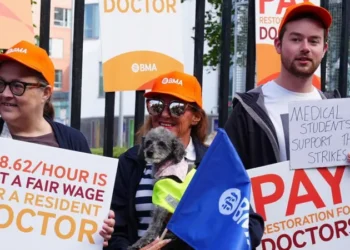 NHS Braces for New Wave of Disruption as Resident Doctors Begin Five-Day Strike Across England
 CDC Plunged Into Turmoil as Ousted Chief Susan Monarez Refuses to Step Down
 Norfolk Hospital Ranked Worst in England as NHS League Tables Return
 Ed Davey Urges UK to Attract US Cancer Scientists Amid Funding Cuts Under Trump
 Labour Announces Pay Boost and New Negotiating Body to Address England’s Care Sector Crisis
 NHS Staff Strike Over £30m Pay Discrimination Claim
 UK Health Leaders Push for Urgent Tobacco & Vape Bill
 Celebrities and Charities Demand UK Government Act on Child Poverty
 Lancashire council plans to close care homes and day centres
 Reeves rejects £1bn plea for NHS redundancy payouts
 Senator John Fetterman Hospitalized After Fall from Heart Flare-Up, Keeps Sense of Humor
 Boris Johnson Oversaw Toxic No 10 Culture, Covid Inquiry Finds
 Welsh Government Christmas 2020 Lockdown Criticised
 “Enough is Enough”: Local MP Vows to Fight Rainham Quarry Plans
 Reform UK Health Plan ‘Would Cost £1.7bn’, Streeting Says
 AstraZeneca China Investment Signals Strategic Shift Abroad
 US Healthcare Needs Fixing, But There’s No Agreement on How to Do It
 NHS Negligence Ruling Raises Payout Costs
 Greenland Says ‘No Thanks’ to Trump’s US Hospital Boat Offer
 Assisted Dying on Welsh NHS a Step Closer as Senedd Votes in Favour
 NHS Maternity Units Cover Up Harmful Childbirth Errors
 Ex‑MP Jonathan Ashworth Recovering After Stroke
 Streeting Criticises SNP Over NHS App Dispute
 New Zealand Covid Response Praised Despite Lingering Scars
 SNP Health Secretary Criticised Over NHS Failures Locally
 Scotland Combines Alcohol and Drug Strategy to Cut Addiction Deaths
 Donald Trump’s ‘Radioactive’ Eyebrow Bruise Sparks Health Speculation
 NHS Plans to Cut Overseas Workers Labeled Overambitious
 Public satisfaction with the NHS rises for the first time
 NHS Satisfaction Rises for First Time Since 2019
 Safety Alarms as City Hospital Emergency Services Downgraded
 ‘My Daughter is Under the Rubble’: The Human Cost of the Tehran Strikes
 NHS to Mandate ‘Advice and Guidance’ as Referral Rationing Row Deepens
 Starmer Issues 48-Hour Ultimatum to Resident Doctors: Call Off ‘Reckless’ Strikes or Lose Job Package
 Rachel Reeves: Energy Bill Help Based on Household Income for 2026
 Six-Day Strike Confirmed as BMA Rejects “Training and Jobs” Package
 NHS Staff Shortages Stifling Recovery for Stroke Survivors
 Unions Raise Concerns Over Doctors’ Pay Dispute
 Streeting: Strikes Have ‘Torpedoed’ Pay Rises and 1,000 New Training Posts
 ‘It’s Heartbreaking’: NHS Training Freeze Leaves Resident Doctors in Limbo
 Wes Streeting Accuses Doctors of Torpedoing Pay Deal
 The Sofa Sanctuary: Llantwit Major Family Living in ‘Disgusting’ Rat Infestation
 Policy Stand-Off: Streeting Denies Any ‘System Update’ to Resident Doctor Pay Deal
 MPs Demand Government Scraps ‘Shameful’ NHS Palantir Deal
 The Silent Threat: MPs Urge Total Ban on ‘Forever Chemicals’ in School Uniforms and Cookware
 NHS Safety Fears as Nurses Cover Doctor Gaps
 A Nation in Flux: UK Healthy Life Expectancy Plummets to Record Lows
 Fragile Silence Broken: 14 Killed in Southern Lebanon During “Bloodiest Day” of Truce
 The “Weekend Gap”: 24/7 Stroke Care Still a Postcode Lottery Despite NHS Pledges
 Understaffed and Overstretched: CQC Downgrades CAMHS Wards as “Requires Improvement”
 “Invisible Agony”: 98-Year-Old Woman Left in “Severe Pain” for Days Amidst Care Backlog
 The “Time Tax” of Memory: Why Dementia Care is the Ultimate Test of UK Resilience
 The “Dementia Deficit”: Why 2026 is the Breaking Point for UK Social Care
 “A Medicine Desert”: Why the Battle for Basic Prescriptions is About to Intensify
 Giuliani hospitalised in critical condition
 US Court Restores Abortion Pill Access Temporarily
 “The Pressure Valve”: New GP Walk-In Clinic Eases Local ‘Resilience Deficit’ with 183 Patients Treated
 FDA Chaos Deepens as Trump Eyes Makary Exit
 Wes Streeting faces narrow road to Labour members’ favour
 NHS Drug Deal Faces Legal Threat Over US Trade Agreement
 Israeli Strikes Kill 11 in Gaza City
 The Race for Radical Change in Westminster
 Nearly 50 Die of Thirst in Sahara Desert
 Fuel and Supply Crisis Pushes Gaza Toward Collapse
 Southampton Recovers After Night of Violence
 Five Hurt in Stabbing at New York Penn Station
 The 50-Mile Bus Journey to a Doctor Just Four Miles Away
 Ministers Prepare New Guidance on Children’s Screen Time
 Starmer Set to Unveil New Social Media Limits for Children
 NHS Warned of Maternity Care Problems Before Major Inquiry
 Labour MP Revives Blocked Assisted Dying Bill in Commons
 Trump’s UK Ambassador Urges North Sea Drilling to Strengthen US Ties
BBC to Apologise Over Edited Trump Speech Amid Backlash
Trump’s UK Ambassador Urges North Sea Drilling to Strengthen US Ties
BBC to Apologise Over Edited Trump Speech Amid Backlash
 Millionaires group urge Reeves to introduce wealth tax to ‘lift kids out of poverty’
 Finland Plans to Lift Decades‑Old Ban on Hosting Nuclear Weapons
 Thousands Protest Iran Strikes Outside US Embassy London
 Pope Meets Families in Italy Toxic Waste Zone
 Secret Role of UK Security Services in Troubles Amnesty Law
 Israel, Lebanon Agree on Fragile Ceasefire Deal