Published: 22 August 2025. The English Chronicle Online
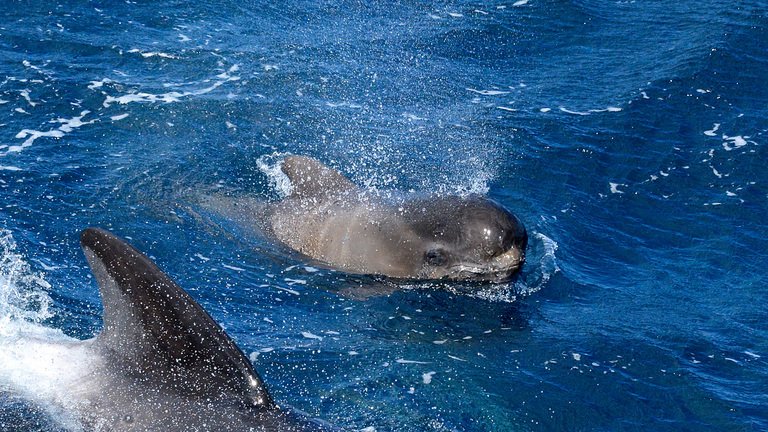
A major new study has revealed that whales and dolphins are increasingly being stranded along Scotland’s coastline, with scientists warning the rise has reached alarming levels over the past three decades. The research, published in Scientific Reports, is the first to quantify the scale of strandings across Scottish shores and highlights the urgency of strengthening conservation measures to protect vulnerable marine species.
The study examined 30 years of data collected by the Scottish Marine Animal Stranding Scheme (SMASS) between 1992 and 2022, covering baleen whales, short-beaked common dolphins, harbour porpoises and pelagic dolphins. Over this period, researchers documented 5,147 stranding incidents, ranging from animals found dead on beaches to live mammals trapped in shallow waters and unable to return to the sea.

Analysis of the data revealed a sharp rise in strandings across all species, but most significantly among common dolphins and baleen whales. Scientists described this increase as “exponential,” stressing that it reflects growing and unprecedented pressures in Scottish waters. For two decades, strandings of these species remained relatively low, but since 2010 the figures have climbed steeply, raising red flags about environmental changes affecting marine ecosystems.
The research also found that juvenile animals accounted for a disproportionate share of the strandings, suggesting younger individuals may be particularly vulnerable. This trend, experts argue, underscores the need for urgent monitoring and targeted conservation strategies to prevent further ecological damage.
“By identifying where and when species are most at risk, we can target monitoring and conservation efforts at the critical times and locations needed to best safeguard the health of these ecosystems,” said Andrew Brownlow, Director of the SMASS.
Harbour porpoises were found to be the most affected, making up more than half of all strandings recorded during the 30-year study. Pelagic dolphins accounted for 24 per cent, common dolphins 10 per cent, and baleen whales 9 per cent. While the overall stranding rates did not show major differences between males and females, researchers noted clear seasonal and regional variations. Strandings occurred across Scotland but were more concentrated in certain locations: almost all species stranded along the northwest coast, while porpoises were more frequently found on the east coast, particularly around the Inner and Outer Moray Firth, the Forth and Tay, and in the Clyde.

The findings carry troubling implications for Scotland’s marine environment, with scientists warning that the consistent rise in strandings may be symptomatic of wider environmental changes. “These animals act as sentinels of the ocean, and rising numbers of strandings may be an early warning that something is changing in the marine environment,” Dr Brownlow said. He added that while the report raises serious concerns, it also highlights the need for region-specific strategies, as threats vary across different parts of Scotland’s coast.
With climate change, pollution, shifts in prey availability and human activity all likely contributing factors, marine experts stress that immediate and coordinated efforts are essential to protect these species. The study underscores the importance of viewing strandings not as isolated events but as vital indicators of the health of marine ecosystems.
Related News:
 Heathrow Unveils £21 Billion Third Runway Plan to Boost UK Connectivity Amid Environmental Concerns
 Storm Floris Sparks Amber Alert in Scotland Amid ‘Danger to Life’ Wind Forecast
 Storm Floris Paralyzes Scotland: Emergency Response in Motion as Travel Disruption Worsens
 Southern Water’s Bid to Draw from Rare River Test Sparks Outcry from Conservationists and Campaigners
 England Braces for Prolonged Dry Spell as National Drought Group Urges Urgent Water-Saving Measures
 England Faces “Nationally Significant” Water Shortfall as Fourth Heatwave of 2025 Strikes
 Warning Issued After Tests Reveal ‘Really Concerning’ Pollution in Windermere
 UK Faces One of Its Warmest Summers on Record, Met Office Confirms
 UK Wasp Numbers Soar After Unusually Warm and Dry Spring
 Energy Users Could Save £5bn Annually if Gas Power Plants Are Removed from Market
 Millions in the UK at Higher Risk of Heart Failure and Stroke Due to Air Pollution, Study Warns
 UK Weather: Rain Expected Above Average This Autumn, but Drought Likely to Persist
 Britain’s Butterfly Numbers Rebound but Remain Average
 Protected Nature in England Continues to Decline, Warns Wildlife Coalition
 Thousands of Tonnes of Toxic Landfill Liquid Mixed with Sewage and Spread on English Farms
 Rivers in English and Welsh National Parks Suffer Sewage Pollution at Twice the National Rate
 Call for Ten New Wild Swimming Sites in London to Revive Capital’s Waterways
 Scottish Teenager’s Petition on Single-Use Plastics Gains Parliamentary Support
 History Will Remember Who Showed Up: Pressure Mounts on Keir Starmer to Attend Cop30 Summit
 With Most MPs Unaware of Urgency, UK Faces Hurdle to Reach Net Zero
 UK Must Ready Buildings for 2C Global Heating, Advisors Warn
 Storm Benjamin Set to Lash UK with Heavy Rain and Strong Winds
 UK Campaigners Launch Bill to Grant Legal Rights to Nature
 Five More Prisoners Freed by Mistake in Essex Week
 Boris Johnson: Tories Risk Election Loss if They ‘Bash the Green Agenda’
 UK Plans ‘Forest Towns’ Between Oxford and Cambridge
 Prince William Plants Trees with Brazil’s Nature Heroes
 Nicola Sturgeon Urges SNP to Oppose New Oil Fields
 Jailed UK climate protesters face extremist-style restrictions
 New weather warning issued with risk of flooding
 Clifftop Lodges Spark Fears Over Jurassic Coast Stability
 Labour’s ‘blinkered’ drive to build risks pushing wildlife to point of no return, nature experts warn
 Labour Plans Tighter Curbs on Wood-Burning Stove Pollution
 UK Must Act with Courage and Clarity on Israel-Palestine Conflict, Says Foreign Affairs Committee Report
 London Set to Honour Euro 2025 Champions as Lionesses Take Victory Parade Through the Capital
 Targeted Attack in Bury Sparks Murder Investigation as Community Awaits Justice
 Princess of Wales Launches Animated Video Series to Support Early Childhood Development
 Heartbreak in the New Forest as Shetland Ponies Vanish, Community on Edge
 Fire Contained at Edinburgh’s Arthur’s Seat After Overnight Battle by Firefighters
 Premier League Supercomputer Predicts Tough Season for Man Utd Amid Three-Team Title Battle
 UK Weather: Heat Alerts Extended as Temperatures Set to Reach 30°C This Weekend
 Merseyside Police Helicopter Crew Cleared After Low-Altitude Pursuit of Suspect
 Education Leaders Call for End to Compulsory GCSE Resits in English and Maths
 Grimsby Stun Manchester United in Dramatic Penalty Shootout
 Why E-Bikes and E-Scooters Are Making Streets a ‘Nightmare’ for Blind People
 Prime Suspect in Madeleine McCann Case Declines Metropolitan Police Interview Ahead of German Prison Release
 Growing Crisis in UK Schools: One in Three Parents Seek Special Needs Assessments
 Zarah Sultana Seeks Legal Action After Bitter Clash with Jeremy Corbyn Over Party Membership Funds
 Mahmood Pledges Reform of Modern Slavery Laws After Court Blocks Deportation Appeal
 UK Government Backs Return of International Rail Travel to Kent Stations
 Arsenal VS Newcastle Hearts with Dramatic Late Turnaround at St James’ Park
 Ed Miliband Urges Labour to Confront Billionaire-Backed Opposition to Net Zero Goals
 Wetherspoon vows to keep prices low amid soaring energy and tax costs
 Teacher Permanently Banned After Slapping Pupil Over Classroom Incident
 Digital ID Plans Ignite Debate Over £600m Treasury Tax Boost and Privacy Concerns
 Millions in the UK at Risk of Cyber-Attacks as Microsoft Ends Windows 10 Updates, Warns Which?
 Public Trust in SNP Hits Historic Low Amid NHS Concerns
 Yvette Cooper Backs Digital ID Plan for UK Teens
 Strictly Celebs Starstruck as Cynthia Erivo Shines
 Ian Watkins Killed in Prison; Ex-Girlfriend Speaks Out
 Johnson Suggests Mandelson Linked to China Spy Controversy
 Ministry of Justice fails to file £11bn in spending receipts
 Rachel Reeves signals welfare reform ahead of key budget
 King urges faster action on climate change initiatives
 Reform UK candidate fined £19,000 after using AI-generated cases to challenge election
 Harry and Meghan join global AI leaders urging superintelligence ban
 William Steps Up Over Prince Andrew Palace Response
 Hospice Cuts Raise Alarm Across England Amid Funding Crisis
 Green Party Surges Past Labour in Latest UK Poll
 Children to Learn Local History in Major Curriculum Overhaul
 King Charles to Lead Nation in Remembrance Sunday Service
 Starmer Faces Growing Dissent as Labour MPs Weigh Leadership Challenge
 Son Reveals UK Couple in Iran Resort to Hunger Strike for Help
 Former Lion Heskey Warns of Shortage of England Strikers
 ‘Traumatic Wait’: Northern Ireland Women Face Breast Cancer Delays
 Serial Rapist and Former Cop Found Guilty Again
 Most Tories Expect to Support a Farage-Led Government
 Karen Carney Stuns on Blackpool Week, Deserves Strictly Final
 Fibromyalgia Patients Struggle as NHS Fails to Provide Care
 Virgin Media Fined £23.8m Over Telecare Safety Failures