Published: 08 July 2026. The English Chronicle Desk. The English Chronicle Online.
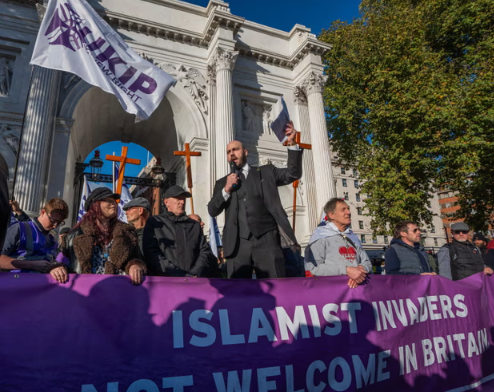
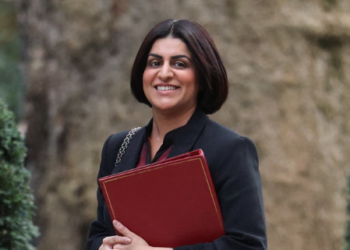
A disturbing new report highlights significant divisions regarding social cohesion within the United Kingdom today. This comprehensive study was authored by Sara Khan, a former government adviser on extremism issues. Her findings suggest that a large portion of the British public doubts the integration of Muslims. Furthermore, over half of the population believes that diversity is eroding our traditional national identity. These stark statistics arrive as the nation faces a period of profound social and political uncertainty. Khan served as the first counter-extremism commissioner before stepping down from her role in 2024. Her analysis provides a sobering look at the current state of harmony within our diverse communities. The research contrasts these negative public perceptions with the reality of experiences within the Muslim community. Data shows that eighty-five percent of British Muslims actively express a strong desire for integration. This reveals a massive gap between public perception and the actual lived experiences of many citizens. Extremist views are currently being exploited by various hostile states and several malign domestic actors. Researchers documented nearly two thousand separate extremist events occurring over the last twelve month period. These included both far-right gatherings and Islamist-led events that contribute to the ongoing national tension. The report is titled Britain Under Strain: The Broken Social Contract, Democratic Distrust and Mainstreaming. During the launch, Khan warned that a very small window exists for the new prime minister. Swift and decisive action is required to address the growing levels of hate and division.
A large survey conducted by More in Common reached over four thousand adults this spring. The results suggest that nearly thirty percent of people believe rules should be ignored entirely. A staggering sixty-one percent of respondents feel the established social contract has now completely broken down. They believe the public trust once placed in our core institutions has effectively evaporated away. Khan emphasized that these challenges are far more deeply rooted than in previous governing years. She described this phenomenon as a structural crisis resulting from a chronic erosion of trust. The incoming leadership must address these systemic issues before our democratic values begin to fade. Khan previously served as an independent adviser for social cohesion between twenty-one and twenty-four. She noted that defining what it means to be British has become a major fault. This specific issue is no longer confined to any single political tribe or regional group. Concern regarding how diversity affects national identity has become a very common mainstream view today. Fifty-five percent of citizens believe that national identity is disappearing due to our current diversity. Nearly one-third of the respondents felt that non-white people could never be truly British.
The report will be followed by the launch of a new resilience research centre. One-third of those surveyed stated their support for the controversial concept of national remigration. Forty-two percent of people believe that Muslims cannot successfully integrate into our British society today. This figure rises significantly to seventy-one percent among those who support the Reform UK party. However, polling of British Muslims tells a very different and much more positive cultural story. Eighty-eight percent of Muslims say they mix comfortably with individuals of all other local faiths. Additionally, eighty-five percent feel they are free to practice their religion without any fear today. Despite these figures, a sense of mutual suspicion persists among many different community groups here. Sixty-four percent of British Muslims believe white people are actively working against their own interests. Fifty-six percent believe Jewish people are also working against them in a similar harmful way. A smaller portion of Muslims believed that the Holocaust was an exaggerated or invented event. Such findings highlight the complex web of distrust currently permeating many sectors of our society.
The report was co-authored by Dr Matthew Godwin, a former expert at the Blair Institute. He previously worked within the extremism policy unit focusing on global change and social stability. The study warns of a dangerous breakdown in respect for our shared norms and institutions. While eighty percent of people say political violence is never acceptable, the youth disagree. Twenty-nine percent of adults aged eighteen to thirty-four consider political violence to be entirely acceptable. This shifting attitude among the younger generation is a cause for concern for our future. Iman Atta is the director of Tell Mama, an NGO supporting victims of anti-Muslim hatred. She stated that these findings are deeply troubling for all of us living in Britain. She explained that the language of remigration is used by groups to target Muslim citizens. This bigoted perspective directly contradicts our core national values of rule of law and fairness. Real fractures are currently buffeting a number of communities and their relations toward each other. We certainly have a turbulent time ahead unless the government takes these problems very seriously.
Social cohesion remains one of the most pressing challenges for the current British governing administration. Policymakers must now find ways to bridge these deep divides through careful and measured dialogue. Simply acknowledging the data is not enough to heal the fractures within our local society. Leaders must engage with all communities to foster a sense of shared belonging and purpose. Educational initiatives could play a vital role in dismantling the stereotypes that fuel such distrust. We must also address the influence of extremist actors who seek to manipulate our conversations. Sustaining a healthy democracy requires constant effort and a commitment to our collective shared values. If we ignore these warning signs, we risk further alienation and potential social instability later. The future of our country depends on our ability to live and work together harmoniously. We must listen to the voices of all citizens to build a stronger and united nation. By fostering respect and understanding, we can overcome these difficult challenges as a cohesive society. Only through genuine empathy and constructive interaction can we hope to restore the lost social contract. It is time for a national conversation that prioritizes our common goals over our differences. Let us look toward a future where diversity is viewed as a strength for everyone.
Related News:
 Green Party Surges Past Labour in Latest UK Poll
 Trump’s UK Ambassador Urges North Sea Drilling to Strengthen US Ties
 French Taxi Driver Cleared in David Lammy Theft Case After Fare Dispute
 Millionaires group urge Reeves to introduce wealth tax to ‘lift kids out of poverty’
 Starmer Faces Growing Dissent as Labour MPs Weigh Leadership Challenge
 Reeves rejects £1bn plea for NHS redundancy payouts
 PM Condemns Leaks, Vows Loyalty to Ministers and Stability
 Major Rent Reform Ends No-Fault Evictions in England
 Peers Flood Assisted Dying Bill with 942 Amendments
 Most Tories Expect to Support a Farage-Led Government
 Labour MP claims devolution bill is ‘blatant discrimination’ against Cornwall
 Millions Face Higher Taxes Under Reeves New Budget
 Starmer Says Labour’s Economic Plan Needs Years to Deliver
 Culture secretary to review Telegraph takeover by Daily Mail owner
 UK Government Borrowing Drops to £11.6bn in December
 Labour Blocks Burnham as Party Rift Deepens Ahead of Polls
 Andy Burnham and the Labour Rift Over Power and Leadership
 Huge mistake: Labour blocks Burnham from byelection bid
 Artificial intelligence will cost jobs, admits Liz Kendall
 Labour targets Greens on drugs in Gorton Denton byelection
 Greens nominate Hannah Spencer for Gorton and Denton byelection
 Mandelson Faces Police Inquiry Over Epstein Leak
 Starmer Condemns ‘Depraved’ Russian Strikes on Ukraine
 Labour Thinktank Row Deepens Over Journalist Probe Claims
 Morgan McSweeney downfall shocks Labour leadership
 Labour Lord Doyle Apologises Over Paedophile Ties in Political Storm
 Cabinet Secretary Shake-Up Triggers Due Diligence Warning
 Starmer Faces Inquiry Calls Over Thinktank Probe
 Royal Mail Delivery Crisis Deepens Amid Weather Chaos
 UK shelves £110m border project amid trade strain
 Farage Unveils Reform UK Frontbench Team
 California Democrats Vow Trump Reckoning
 Trump Tariffs Threat Spark UK and EU Alarm
 Wales Approves Assisted Dying Bill Consent
 UK EU Trade Reset Gains Public Backing
 Your Party leadership fight nears dramatic end
 Green Party Stuns Labour in Gorton and Denton Byelection
 Corbyn Leads Your Party in Coordinated Left-Flank Strategy
 Labour Together scandal sparks clean break vow
 Asylum Seekers to Work After Year-Long Wait
 Starmer Row as Greens Demand Apology
 Proposed Law Leaves Gap for Children of Convicted Paedophiles
 Gordon Brown urges court for crimes against children
 Starmer Praised for Stance on Trump and Iran Conflict
 Inquiry into HMRC child benefit errors launched by NAO
 NHS Plans to Cut Overseas Workers Labeled Overambitious
 Farage Faces Backlash Over Crypto Cameo Endorsements
 Army Probes Apache Flyover at Kid Rock’s Nashville Estate
 Relationship with Trump may be beyond repair, Starmer warned
 Unions Raise Concerns Over Doctors’ Pay Dispute
 UK Government Poised to Revive Stalled Hillsborough Law
 UK Stands Firm on Falklands Amid US Rift
 Welsh Labour Faces Potential Historic Election Defeat
 Starmer Survives Mandelson Rebellion
 Silent Tracks: Rail Line Without Passengers
 Major test for Labour as polls open in Great Britain
 Labour Members Doubt Starmer Future as Burnham Leads Poll
 Reform UK Faces Crisis as Newly Elected Councillors Resign
 Farage Faces New Questions Over Private Helicopter Use
 Keir Starmer Struggles to Secure His Grip on Downing Street
 Farage Faces Standards Probe Over Cash Property Purchase
 Green Party Makerfield Candidate Resigns Over Posts
 Secret Role of UK Security Services in Troubles Amnesty Law
 Farage and Reform UK Reshape British Politics
 Starmer Leadership Under Pressure After Setbacks
 Minister Criticises Police Guidance Amid Southampton Protests
 Makerfield Voters Demand Real Change as Election Looms
 The Hidden Crisis Eroding Trust in British Communities
 Deepfake Abuse on X Sparks Safety Concerns for Dissidents
 UK Ministers Lobby Trump Over Under-16s Social Media Ban
 Labour MP Revives Blocked Assisted Dying Bill in Commons
 Starmer Resolves to Fight Burnham in Leadership Battle
 Starmer Set to Announce Exit Plan as Burnham Eyes No 10
 Hollie Ridley to Step Down as Labour General Secretary
 Jarvis Urges Burnham to Secure 3.5% Defence Spending
 Farage Warns Sky News Following Financial Inquiry
 Reform UK Finances Face Deep NCA Probe
 Ann Widdecombe, Formidable Political Figure, Dies at 78
 Treasury Reform Urged After Tragic Loss
 Sadiq Khan Backs Call for Maximum UK Work Heat Limit