
Published: July 8, 2026 | The English Chronicle Desk | The English Chronicle Online
Britain’s prolonged spell of exceptionally hot weather is having an unexpected impact on some of the country’s most skilled aerial hunters, with conservationists reporting that soaring temperatures are forcing birds of prey to remain grounded during the hottest parts of the day.
Wildlife experts say species including buzzards, red kites, kestrels, peregrine falcons and other raptors are changing their normal hunting behaviour as heatwaves intensify across the United Kingdom. While these birds are well adapted to a range of weather conditions, unusually high temperatures combined with prolonged dry spells are creating challenges that affect their ability to hunt, conserve energy and care for their young.
The phenomenon has attracted increasing attention from ornithologists and conservation organisations, who are closely monitoring the effects of climate change on native bird populations and the wider natural environment.
According to researchers, birds of prey typically rely on rising columns of warm air, known as thermals, to glide efficiently across large areas while searching for food. Under normal summer conditions these thermals help raptors travel long distances without expending significant energy by flapping their wings.

However, during periods of extreme heat the atmosphere behaves differently.
Scientists explain that intense sunshine and exceptionally hot ground temperatures can create unstable air currents that make soaring flight less predictable. In addition, many prey species reduce their own activity during the hottest hours of the day, leaving predators with fewer hunting opportunities.
As a result, many birds of prey have been observed delaying hunting until the cooler hours of early morning or late evening.
Wildlife officers say this behavioural adjustment is an important survival strategy.
“Like many animals, birds respond to environmental conditions,” one conservation specialist explained. “When temperatures become extreme, remaining inactive during the hottest period helps them avoid unnecessary energy loss and reduces the risk of overheating.”
Unlike mammals, birds do not sweat to regulate body temperature. Instead, they rely on several alternative cooling mechanisms, including panting, holding their wings slightly away from their bodies and seeking shaded locations where possible.
Extended periods of high temperatures can nevertheless place considerable physiological stress on wild birds, particularly if access to water becomes limited.
Conservationists have reported seeing more birds gathering near rivers, lakes, reservoirs and wetlands as they search for drinking water and cooler environments.
Heatwaves may also affect breeding success.
Many species of birds of prey are still raising chicks during the summer months, requiring adults to make frequent hunting trips in order to provide sufficient food. If prey becomes less active or hunting conditions deteriorate, adult birds may need to travel further or hunt at different times of day, potentially reducing feeding frequency.
Young chicks are especially vulnerable to prolonged exposure to high temperatures before they develop their full plumage.
Nest sites located on exposed cliffs, rooftops or open woodland can become dangerously warm during intense sunshine, forcing adult birds to spend additional time shading their offspring instead of hunting.
Researchers are examining whether repeated heatwaves could influence long-term breeding success for certain raptor populations.
The changing behaviour of prey animals also plays an important role.
Small mammals, rabbits, rodents and many bird species that form part of raptor diets frequently reduce daytime movement during extreme heat, remaining hidden in vegetation or underground burrows until temperatures begin to fall.
This reduced activity makes hunting considerably more difficult for predators that rely heavily on visual detection.
Insects, another important food source for smaller birds of prey such as kestrels, may also alter their behaviour under prolonged hot conditions, creating additional challenges for hunting birds.
Climate scientists say these observations are consistent with broader ecological changes being documented across Europe.
As average temperatures continue to rise, wildlife species are increasingly adjusting migration timing, breeding seasons, feeding behaviour and habitat use in response to changing environmental conditions.
Although many species possess remarkable adaptability, researchers caution that repeated or prolonged heatwaves may gradually place additional pressure on ecosystems already affected by habitat loss, pollution and human development.
Bird conservation organisations are encouraging the public to assist wildlife responsibly during hot weather.
Providing clean, shallow water in gardens can benefit many bird species, although experts advise against disturbing nesting birds or attempting to handle wild raptors unless instructed by licensed wildlife rescue organisations.
Members of the public are also encouraged to report injured or distressed birds to appropriate wildlife rehabilitation centres rather than attempting treatment themselves.
Wildlife hospitals often experience increased admissions during extreme weather, treating birds suffering from dehydration, heat stress or injuries sustained while searching for food and water.
Nature reserves and conservation sites across the country continue monitoring bird populations throughout the summer.
Volunteers and researchers are recording behavioural changes, nesting success and survival rates to improve understanding of how climate change influences Britain’s wildlife.
The information collected helps conservation organisations develop future habitat management strategies aimed at improving resilience during periods of environmental stress.
Some experts believe creating larger areas of natural woodland, restoring wetlands and protecting river systems could provide important refuges for birds and other wildlife during increasingly frequent heatwaves.
Healthy ecosystems generally offer greater shade, improved water availability and more diverse food resources, allowing wildlife greater flexibility as weather conditions change.

Despite the current challenges, conservationists stress that many birds of prey remain highly adaptable.
Britain’s raptors have recovered significantly over recent decades following improvements in legal protection, habitat conservation and reductions in harmful pesticides. Continued monitoring will help determine how these resilient species respond to future climate conditions.
As the UK experiences another summer marked by prolonged high temperatures, scientists say the sight of normally soaring birds resting quietly in shaded woodlands or perched motionless on fence posts offers a reminder that climate extremes affect far more than people alone.
From the skies above Britain’s countryside to the ecosystems below, wildlife is increasingly adjusting to a warmer world—often in subtle ways that reveal just how closely nature responds to even the smallest shifts in the environment.
Related News:
 Robo-Vaccination Could Transform Fight Against Bovine TB
 What is Groundwater Flooding and Why Dorset is Seeing ‘Historical Highs’
 Dozens of Flood Warnings in England After Days of Non-Stop Rain
 Temperatures Dip Below Freezing as Arctic Air Sweeps Across the UK
 Brace for Trump’s Brave New World of 1.7°C Global Warming
 Scotland’s Climate Plans Face Scrutiny Over ‘Science Fiction’ Targets
 Ocean Warming Drives Massive Marine Life Loss, Study Warns
 UK’s First Geothermal Plant Powers 10,000 Homes
 UK Winter Nowhere Near a Record Breaker Despite Floods and Storms
 UK Records Warmest Day of the Year as Temperatures Exceed 18 °C
 Conservation Budgets Hit by Increased Fly‑Tipping Costs
 Water Cremation Introduced in UK First
 UK Records Earliest Spring as Nature Awakens Fast
 The Great Escape: ‘Challenging’ Search for Missing Capybara Enters New Phase
 Southern Skies: High Turnout and Surprise Visitors in Birdwatch 2026
 The Lithium Inferno: Lorry Loaded with Batteries Engulfs Major Motorway
 Heavier SUVs Accelerate Britain’s Pothole Crisis
 ‘A Ticking Time Bomb’: Communities Sound Alarm Over ‘Catastrophic’ Battery Storage Risks
 The Ethylene Enigma: Is Foil-Wrapping the Stems Truly the Secret to “Evergreen” Bananas?
 Record May Heat to Cold Front in Eastern Australia
 UK Faces Mass Water Shortages by 2055, Lords Warn
 UK rejects EV charging VAT cut amid Treasury clash
 Mangrove Forests Recover After Years of Damage
 Airline Leaders Warn 2050 Net Zero Target May No Longer Be Achievable
 Temperatures Set to Fall This Week, But Forecasters Warn Heat Could Return Soon
 ‘Extreme’ Marine Heatwave Forecast for UK Waters
 How to Exit Your Broadband Contract Without Paying Exit Fees
 Unseen Killers of the Deep Inside the UK Lab Uncovering the Silent Deaths of Sea Creatures
 Jaguar Land Rover Extends Production Halt Following Cyber-Attack
 Persistent Offenders Owe Over £700m in Ulez Fines as TfL Cracks Down on Evasion
 Millions in the UK at Risk of Cyber-Attacks as Microsoft Ends Windows 10 Updates, Warns Which?
 Yvette Cooper Backs Digital ID Plan for UK Teens
 Reform UK candidate fined £19,000 after using AI-generated cases to challenge election
 Harry and Meghan join global AI leaders urging superintelligence ban
 UK Campaigners Launch Bill to Grant Legal Rights to Nature
 UK Bans Fake Numbers: Scammers Lose Their Trick
 Patients to Test Health at Home to Ease NHS Winter Pressure
 Northern Lights may illuminate UK skies this week
 Valve Opens the Door for Android Games on Steam
 Coffins Now Too Large to Cremate Amid Rising Obesity Crisis
 Local Fish Could Boost UK Health and Economy Significantly
 Storm Goretti leaves Cornwall homes without power
 Amazon Milton Keynes closure sparks concern for UK warehouse workforce
 MPs warn AI financial risks threaten UK stability
 No Gas Boiler Ban as UK Warm Homes Plan Backs Heat Pumps
 Devon hosts first high-density hydro power system
 Pornhub blocks new UK users over age checks dispute
 UK New Car Discounts Near £6,000 as Prices Are Slashed
 Draft Severe Weather Plan Following Storm Flooding
 Wigan Dump Crisis Sparks Health and Safety Alarm
 Flooding May Worsen Before It Improves as More Rain Forecast for the UK
 Fly-Tippers to Be Hunted by ‘Drone Squad’ in Crackdown from the Sky
 How Do You Modernise Mango Farming? India’s Growers Urged to Innovate as Climate Change Hits
Storm Hernando: Edinburgh Airport Flights Cancelled in US Travel Chaos
How Do You Modernise Mango Farming? India’s Growers Urged to Innovate as Climate Change Hits
Storm Hernando: Edinburgh Airport Flights Cancelled in US Travel Chaos
 Facial Recognition Error Leads to Wrongful Arrest in Milton Keynes
 Study Says Only Two Nations May Survive Nuclear War
 Charity Watchdog Warns Alan Turing Institute Over Conduct
 Councils Pressed to Use Universal Parking App to Cut ‘Unfair’ Fines
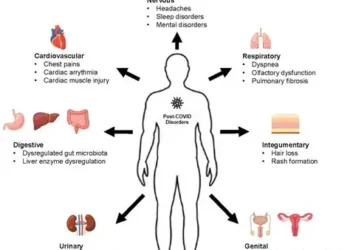 ‘Zoom Dysmorphia’ Explosion: BDD Patients Quadruple in Post-Pandemic UK
 ‘The Insulation Trap’: Knifeman Discovered Hiding Under Loft Padding After Six-Hour Standoff
 The Banbridge Rescue: 300 Sheep Saved from Massive Hay Shed Inferno
 Country Diary: The Eagle’s Shadow Over the Lambing Shed
 Moldova River Crisis Exposes War’s Hidden Cost
 GSK cancer drug shows early promise in trials
 ‘Maritime Drones and Steel’: £50m Defence Deals Set to Spark Job Boom in Plymouth and South Yorkshire
 Human Capital for AI Infrastructure: Meta Cuts 8,000 Staff to Fuel $135bn Bet
 Crackdown Backfires on UK Climate Protesters
 Older Than Dinosaurs: Secrets of Mayfly Dance Revealed
 Capitalism ‘Suicidal’, Warns Petro at Climate Summit
 The “Dry” Life: Teens Trialing Social Media Bans Call Initial Disconnection “Boring” and “Dry”
 The Pathogen Protocol”: Third British National Monitored for ‘Nasty’ Suspected Hantavirus
 UN Issues Urgent Warning: Imminent Return of El Niño
 NHS Approves Landmark Ovarian Cancer Drug
 Tech Trends and the Battle Against Exam Hall Cheating
 Bear Escapes Factory Through Open Window
 Family Says Heatwave Drownings Reopen Grief
 Cambridge Recreates Historic 336-Year-Old Garden
 Net Zero School Remains Cool and Open as Heatwave Tests Britain’s Buildings
 Why Extreme Heat Can Cause Trees to Collapse and What Experts Say Can Be Done
 Parents Fundraise to Cool Overheated School Classrooms