Published: 14 July 2026. The English Chronicle Desk. The English Chronicle Online.
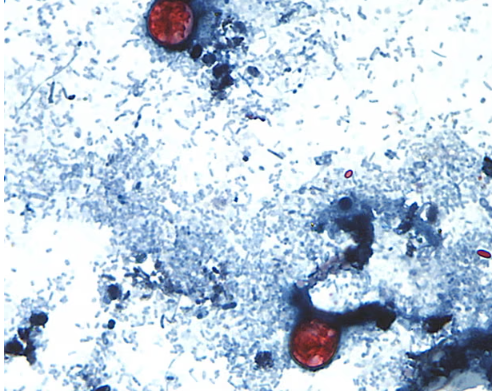
Health officials in Michigan recently identified potential sources for a parasitic outbreak. The state department says lettuce and salad greens are likely behind thousands of cases. This parasitic infection causes severe watery diarrhea along with weight loss and loss of appetite. Officials confirm that the complex investigation into this widespread health crisis remains ongoing. While early results point toward salad greens, they cannot rule out other food sources yet. No specific grower or supplier has been identified as the clear cause of illness. This worrying outbreak involves more than two thousand and eight hundred confirmed clinical cases.
The investigation follows significant funding cuts to many state and local health departments last year. Experts argue these reductions have severely hampered the ability to track such dangerous foodborne illnesses. Barbara Kowalcyk from George Washington University compares this difficult process to solving a complex puzzle. She explains that removing pieces of the puzzle makes the full picture much harder to see. Many public health experts believe that reduced staffing levels directly slow down critical patient interviews. Investigating a disease with a two-week incubation period is always a very challenging task for researchers. Epidemiologists must interview every confirmed patient to find links between their recent dining and shopping habits.
These interviews often happen many weeks after the initial infection, which makes accurate recall difficult. Patients frequently struggle to remember specific food items they consumed several weeks prior to becoming ill. Dr. Natasha Bagdasarian, the chief medical executive for Michigan, confirmed a linked outbreak is clearly occurring. Despite these difficulties, federal agencies are working with local partners to gather all necessary health data. The Centers for Disease Control and Prevention reported hundreds of confirmed cases across thirty-one different states. They expect the national case count to climb higher because of typical delays in disease reporting processes.
Michigan currently appears to be the hardest hit region by this specific parasitic health outbreak. Health officials in Ohio have also reported a smaller number of cases across their own state. Local health departments in Michigan are now urging commercial kitchens to wash their leafy greens thoroughly. They specifically suggest washing snow peas, fresh herbs, and raspberries with great care before serving them. Officials recommend purchasing whole heads of lettuce instead of pre-washed or bagged greens for better safety. Consumers should discard the outer layers of these vegetables and wash the inner leaves very well indeed.
The federal administration defended recent changes to surveillance systems by citing the need to reduce duplication. They argue that narrowing reporting requirements accounts for a changing landscape in modern disease surveillance efforts today. However, many independent experts remain deeply concerned about the loss of vital capacity in local health labs. Michigan public health laboratories reportedly lost over five million dollars due to recent federal budget policy changes. These cuts force departments to reduce staff numbers or cut hours for their most essential public workers. Without adequate funding, the ability to scale up during a major health emergency is severely limited indeed.
The FoodNet program previously monitored eight different foodborne pathogens to protect the public health and safety. Its remit was recently narrowed to focus primarily on E. coli and salmonella infections within the country. Critics argue this decision leaves states without a central hub to coordinate information across different regional borders. This change effectively brings the nation back to a time before modern food safety surveillance systems existed. Gail Hansen noted that ignoring a problem will not make the underlying health risks go away entirely. The administration maintains that the agency has enough resources to detect and investigate these foodborne illness outbreaks.
The Food and Drug Administration is investigating the current outbreak using established laboratory and epidemiologic tools. They are working in close coordination with the Centers for Disease Control and local health partners nationwide. Protecting the national food supply remains a core responsibility for these federal agencies during this active crisis. Officials continue to monitor the situation while gathering data from over three thousand different health departments daily. Public health communication remains vital as investigators work to identify the precise origin of the contamination. Consumers should follow all guidance provided by their local health authorities to stay safe and healthy.
Maintaining high hygiene standards in commercial kitchens is essential for preventing the further spread of this parasite. Washing produce under cold running water is a simple yet effective way to reduce the overall risk. Those who feel unwell should contact their local physician or healthcare provider for proper testing and medical advice. Persistent diarrhea and weight loss are symptoms that require professional medical attention to ensure a full physical recovery. The health community is striving to provide clear updates as more information becomes available through the investigation. Transparency is key to managing public fears and ensuring that everyone understands the best way to remain safe.
Researchers are working hard to connect the dots between various patient reports and potential retail purchase locations. Such detailed forensic work takes time, particularly when dealing with food items that have long shelf lives. The scientific community emphasizes that food safety depends on rigorous monitoring and strong infrastructure at every single level. Protecting citizens from foodborne pathogens is a complex challenge that requires consistent funding and dedicated expert personnel. This outbreak serves as a stark reminder of why robust public health systems are necessary for modern life. The nation must remain vigilant as scientists continue to piece together the evidence from across the entire country.
The search for the specific source of the lettuce contamination continues with great urgency throughout the affected regions. Local authorities are expected to provide more specific guidance as the investigative team identifies the contaminated supply chain. Staying informed about product recalls is another essential step for all concerned citizens during this ongoing public crisis. Shopping locally and choosing fresh ingredients remains a primary suggestion from health officials during this period of uncertainty. Everyone is encouraged to handle food safely and practice good kitchen hygiene to protect themselves and their families. Working together, public officials and the public can overcome this challenging threat to the health of the community.
Related News:
 Army Officers Orders to Cut Ties with Men-Only Clubs
 Trump’s UK Ambassador Urges North Sea Drilling to Strengthen US Ties
BBC to Apologise Over Edited Trump Speech Amid Backlash
Trump’s UK Ambassador Urges North Sea Drilling to Strengthen US Ties
BBC to Apologise Over Edited Trump Speech Amid Backlash
 Britain deploys RAF specialists to assist Belgium with drone threats
 Millionaires group urge Reeves to introduce wealth tax to ‘lift kids out of poverty’
 Reeves rejects £1bn plea for NHS redundancy payouts
 PM Condemns Leaks, Vows Loyalty to Ministers and Stability
 Major Rent Reform Ends No-Fault Evictions in England
 Greene Pushes Epstein Files Amid Trump Fallout
 December Run-Off in Chile as Election Produces No Winner
 Shadow Fleet at Sea: Europe’s Battle Against Illicit Oil Shipping
 Georgians Defy Government Crackdown After Year of Protests
 ICC to Rule on Duterte’s Provisional Release
 Starmer Says Labour’s Economic Plan Needs Years to Deliver
 Ley Triumphs in Royal Commission Debate, Paving Way for Unity
 Mandelson apologises over Epstein ties after public scrutiny
 Australia grants Asio powers to designate hate groups under new laws
 Trump press secretary attacks reporter over ICE question
 Starmer Challenges US Over Controversial Greenland Deal
 Spoof “Make America Go Away” Caps Rally Denmark Over Greenland
 Trump Fed bid heads to Supreme Court
 Pentagon Signals Reduced Role in Deterring North Korea
 Labour Blocks Burnham as Party Rift Deepens Ahead of Polls
 Artificial intelligence will cost jobs, admits Liz Kendall
 Partial US Government Shutdown Hits Homeland Security Funding
 Sinema payment row deepens after $9,000 transfer claim
 Mandelson Faces Police Inquiry Over Epstein Leak
 UK Reports Huge Surge in Deportations Since 2024 Election
 Morgan McSweeney downfall shocks Labour leadership
 UK and US Drop in Global Corruption Index Rankings
 Nurses’ families fear breakup under UK immigration crackdown
 Farage Unveils Reform UK Frontbench Team
 Canberra Poster Seizure Sparks Free Speech Row
 Evo Morales Returns After Mysterious Absence
 Wales Approves Assisted Dying Bill Consent
 UK EU Trade Reset Gains Public Backing
 Jacinda Ardern Moves To Australia Following Her US Fellowships
 Jacinda Ardern Move Sparks Kiwi Reflection
 Corbyn Leads Your Party in Coordinated Left-Flank Strategy
 Nick Greiner Warns Over Election Review Fallout
 Adelaide University Faces Backlash Over Event Cancellation
 Asylum Seekers to Work After Year-Long Wait
 Starmer Row as Greens Demand Apology
 Proposed Law Leaves Gap for Children of Convicted Paedophiles
 New Zealand Covid Response Praised Despite Lingering Scars
 Injured Mojtaba Khamenei Elevated as Iran Leader
 Gordon Brown urges court for crimes against children
 Oil Prices Jump After Trump Claims Iran Oil Hub Destroyed
 Inquiry into HMRC child benefit errors launched by NAO
 Pakistan Targets Militant Hideouts in Afghanistan
 Farage Faces Backlash Over Crypto Cameo Endorsements
 Air Canada CEO Faces Outcry Over Recent Language Misstep
 Big Tech Faces Investigation Over Australia’s Social Media Ban
 Relationship with Trump may be beyond repair, Starmer warned
 Unions Raise Concerns Over Doctors’ Pay Dispute
 Reform UK Pledges To Halt Visas Over Reparations Demands
 UK Government Poised to Revive Stalled Hillsborough Law
 Trump Signals Hope for New Iran Talks as Ceasefire Fades
 Democrats Move to Impeach Defense Secretary Pete Hegseth
 Trump Brokers Landmark Lebanon Ceasefire Amid Regional Hopes
 UK Stands Firm on Falklands Amid US Rift
 Investigation Into Anti-Trump Motives After Gala Shooting
 Rudd Warns Green Energy Needs Clear Benefits for Voters
 Welsh Labour Faces Potential Historic Election Defeat
 Silent Tracks: Rail Line Without Passengers
 Major test for Labour as polls open in Great Britain
 Trump Announces 3-Day Russia–Ukraine Ceasefire Deal
 Wes Streeting faces narrow road to Labour members’ favour
 Keir Starmer Struggles to Secure His Grip on Downing Street
 Farage Faces Standards Probe Over Cash Property Purchase
 Farage and Reform UK Reshape British Politics
 Minister Criticises Police Guidance Amid Southampton Protests
 Makerfield Voters Demand Real Change as Election Looms
 Labour MP Revives Blocked Assisted Dying Bill in Commons
 Starmer Set to Announce Exit Plan as Burnham Eyes No 10
 Trump Faces Backlash Over $2bn Earnings Since Return
 AOC Backs El-Sayed in Tight Michigan Senate Primary
 Burnham Pledges New Era of Open Debate for Labour MPs
 Meta Under Fire: The Battle Over Addictive Social Media Design
 Houthis Strike Saudi Arabia as Middle East Tensions Rise