Published: 20 July 2026 | The English Chronicle Desk | The English Chronicle Online
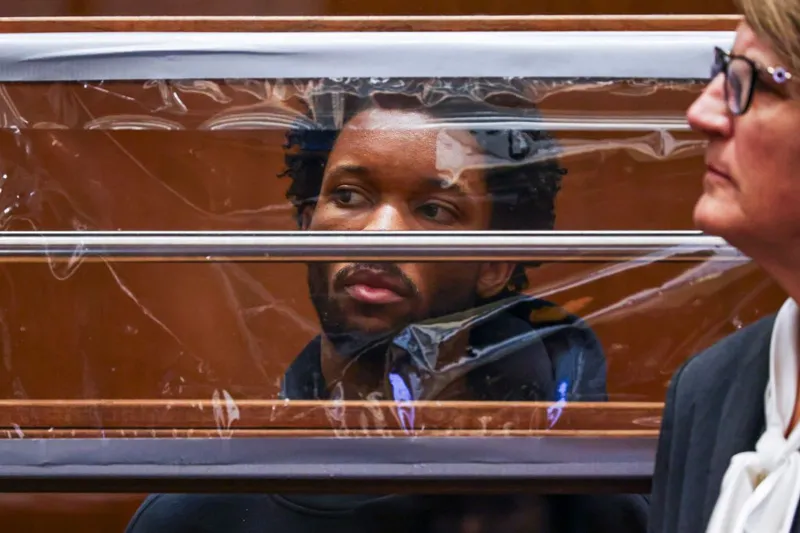
The family of a teenage girl whose death is at the centre of a court case involving musician D4vd have described the presentation of graphic images during legal proceedings as their “worst nightmare,” saying the experience added to the emotional pain they have endured since losing their loved one.
Relatives said seeing distressing evidence presented in court was deeply traumatic and renewed calls for greater sensitivity toward bereaved families during criminal proceedings.
The comments came as the court continued hearing evidence in a case that has attracted significant public and media attention.
Members of the teenager’s family said attending the hearing had been one of the most difficult experiences since her death.

They explained that while they understood the importance of evidence in ensuring a fair trial, the graphic nature of some of the material shown in court had caused immense emotional distress.
According to relatives, the images were difficult to prepare for despite receiving advance notice from legal officials.
The family said no parent or close relative should have to relive such painful memories in a courtroom.
The hearing forms part of ongoing legal proceedings connected to the teenager’s death.
Prosecutors and defence lawyers have continued presenting evidence before the court as judges examine the circumstances surrounding the case.
As with many serious criminal proceedings, visual evidence has formed part of the prosecution’s presentation.
Courts often rely on photographs, forensic evidence and expert testimony when establishing facts, although judges frequently acknowledge the emotional impact such material can have on victims’ families.
Legal experts say courts face the difficult task of balancing the need for complete evidence with the emotional wellbeing of relatives attending proceedings.
Graphic evidence can sometimes be essential in helping juries and judges understand medical findings or crime scene details.
However, courts also seek to minimise unnecessary distress wherever possible.
Judges may warn those present before disturbing evidence is shown and, in some cases, allow family members to leave the courtroom temporarily if they wish.
Victim support organisations say families involved in serious criminal trials often require long-term emotional assistance.
The court process itself can be challenging, particularly when evidence forces relatives to revisit traumatic events.
Support services frequently provide counselling, courtroom guidance and practical assistance throughout legal proceedings.
Advocates continue to encourage authorities to consider the emotional needs of families while maintaining the integrity of criminal trials.
The involvement of a well-known public figure has brought increased attention to the proceedings.
Legal analysts note that high-profile cases often generate significant public interest, increasing pressure on everyone involved.
Despite widespread media coverage, courts continue to emphasise that legal proceedings must remain focused on evidence rather than public opinion.
Judges routinely remind participants that defendants are entitled to a fair trial and that conclusions should be based solely on the evidence presented.
The teenager’s relatives said they hope greater consideration can be given to families experiencing similar situations in future cases.
They acknowledged the importance of the judicial process but argued that more could be done to reduce unnecessary emotional suffering.
Campaigners working with victims’ families have similarly called for improved communication before distressing evidence is introduced.
Some have suggested additional guidance and counselling should become standard practice during major criminal trials.
Mental health specialists say criminal proceedings can significantly affect grieving families.
Repeated exposure to traumatic evidence, lengthy legal processes and intense media attention may prolong emotional recovery.
Professionals encourage relatives to access specialist counselling both during and after court proceedings.
Support organisations stress that emotional reactions to graphic evidence are entirely understandable and should not be overlooked.
The court has not yet concluded its examination of the case.
Further witnesses and expert evidence are expected before proceedings reach their conclusion.
Neither prosecutors nor defence representatives have commented extensively outside the courtroom, citing the ongoing legal process.

The court is expected to continue hearing evidence over the coming days before reaching its eventual decision.
For the teenager’s family, the legal process remains deeply painful despite their determination to see justice carried out.
Their description of the graphic courtroom images as their “worst nightmare” has highlighted the often-overlooked emotional burden experienced by bereaved relatives during criminal proceedings.
As the case continues, attention remains focused not only on the legal outcome but also on ensuring that victims’ families receive the compassion, dignity and support they need while navigating one of the most difficult experiences of their lives.
Related News:
 Rihanna’s Beverly Hills home hit by gunfire, police say
 Arrest Made: Singer D4vd Held Without Bail in Death of 14-Year-Old Girl
 UK Actress Charged Over Alleged A$300 Million Methamphetamine Import Plot in Australia
 Northern Ireland Family of Three Shot Dead in Maguiresbridge Home Incident
 Seventeen Dead as Russia Targets Ukrainian Prison in Devastating Airstrike
 Gen Z Embraces the Big, Bold ‘Fake’ Indian Wedding Party Trend
 Terence Stamp, ’60s British Film Legend and Star of Superman, Dies at 87
 Channel Crossings Surge: Over 1,000 People Arrive in the UK in Small Boats in a Single Day
 Cooper Unveils £4m Cyber Plan Against Russian Hackers
 Paedophile Singer Ian Watkins Dies After Prison Attack
 WW2 Pilot’s Long-Lost Crash Site Unearthed in Essex
 Top Christmas Books Reads: Classics to Cozy Romcoms
 Just Stop Oil Protesters Convicted Amid Climate Defence Row
 I’m a Celebrity 2025 line-up revealed: Osbourne joins
 Indian authorities demolish Kashmir home linked to Red Fort blast
 Pokémon to open world’s first theme park in Japan next year
 Greene Pushes Epstein Files Amid Trump Fallout
 Deadly Russian Strikes Hit Western Ukraine, 20 Killed in Ternopil
 Venezuela Threatens Nobel Winner Machado with Fugitive Status
 Two National Guard Soldiers Critically Injured Near White House
 Southern Lebanon reels as Israeli strikes shatter communities
 American Mother Extradited From UK to U.S. on Murder Charges
 Thousands Flee Cambodia Scam Centres Amid Global Pressure
 SA Police Intensify Search in Gus Lamont Case
 Nine Arrested in France Over Death of Far‑Right Student
 Eight Skiers Found Dead After California Avalanche
 South Korea’s Ex-President Faces Death Penalty in Insurrection Trial
 How Much Could Andrew’s Arrest Hurt the Royal Family?
 Epstein Eyed Record Label Investment to Access Women, Files Suggest
 Epstein Files Could Be Just Tip of the Iceberg for Andrew Investigation
 Live Nation Sees Strong Ticket Sales as Monopoly Lawsuit Looms
 El Mencho Killed as Mexico Faces Violence
 Australian Prosecutors Consider Reopening British Girl’s Cold Case Disappearance
 ‘We Pray for Peace’: Indian Filmmaker From Troubled State Who Won a BAFTA
 Sydney kidnapping mystery deepens as grandfather’s remains found after mistaken abduction
 Louvre Museum Director Resigns Months After High‑Profile Heist
 Man, 83, in Taylor Swift Video Had ‘No Idea Who She Was’
 ‘Fear Is Everywhere’: Reports From Mexican City Turned Into War Zone by Drug Cartel Feud
 American Citizen Killed in Cuba Boat Shooting, U.S. Officials Say
 Kidnapping of Foreigners Soars in Africa’s Lawless Sahel Region
 Stranger ‘On Drugs’ Stabbed Saudi Student to Death in Cambridge
 Tears and Cheers as Controversial Long‑Running Australian Breakfast Radio Show Implodes
 Alleged Bondi gunman seeks order to suppress family’s identity
 Katie Price’s Husband Hit by ‘Tinder Swindler’ Claims
 Real Estate Brothers Convicted in Sex Trafficking Trial
 Chinese National Arrested Over Attempt to Smuggle 2,000 Queen Ants From Kenya
 Michigan Synagogue Attack Leaves Suspect Dead in Tragic Incident
 Missing Cuba-Bound Aid Ships Spark Urgent Search
 ‘I’m So Ready’: Céline Dion Announces 10-Night Paris Comeback Residency
 “It Ends With Trial”: Judge Tosses Blake Lively’s Sexual Harassment Claims Against Justin Baldoni
 “The Monster of Hull”: Funeral Director Admits to Preventing 30 Burials and Stealing Charity Cash
 US Senators Slam Ticketmaster Over Sneaky New Fee Hikes
 ‘I Will Not Abandon Him’: Pauline Hanson Stands by Ben Roberts-Smith After War Crime Charges
 The Fallen Icon: Ben Roberts-Smith Charged with Five War-Crime Murders
 California fireworks blast: murder charges filed in case
 Legacy of the Future: Prince Harry Argues Children Should Be an ‘Upgrade’ of Parents
 The ‘Big Fish’ Lands: Marcos Confirms Arrest of Key Figure in Flood-Control Scandal
 Blockbuster Resurrection: Avengers Reassemble and Top Gun Returns as Studios Tease 2026 Slate
 Struggling to Survive: Millions of Iranian Jobs Lost to Conflict
 Justice and Deceit: High Court Convicts Woman in Hong Kong Blackmail Plot
 OpenAI CEO Apologizes After Canada Shooting Case
 Two Dead in Adelaide Airport Plane Crash Fire
 Tragedy in the Red Centre: Outback Search Ends in Discovery of Missing Girl’s Body
 Cartel crackdown raises fears of fresh violence
 China Fireworks Factory Blast Kills 21 in Hunan
 “Speechless and Determined”: Two Dead, 22 Injured in Leipzig “Vehicular Rampage”
 “Community Shield”: Met Police Deploy Specialist 100-Officer Team to Guard London’s Jewish Postcodes
 “The Blue Light Intersection”: Seventeen-Year-Old Critically Injured in ‘Nasty’ Police Pursuit Crash
 “The Reality Reckoning”: Government Demands Accountability as Channel 4 Pulls Married at First Sight UK Over Grave Sexual Assault Allegations
 Israel, Lebanon Agree on Fragile Ceasefire Deal
 Zelensky Invites Putin to Direct Peace Talks
 Fans Bring Flags and Fire to World Cup Scenes
 11 EFL Stars Ready to Shine at World Cup
 Fans Invited to Share Scotland World Cup Stories
 Family of British Toddler Voices Frustration as Australian Cold Case Murder Inquiry Opens
 Three-Year-Old Boy Attacked by Crocodile at Zoo as Man Released on Bail
 Former Olympian Indicted Over Alleged Vandalism at Washington’s Reflecting Pool
 India Orders Meta to Remove Child Abuse Ads
 Trump’s Major Recruitment Drive Targets Border Patrol Growth
 Dua Lipa Backs Albania’s Fight Against Kushner Resort