Published: 25 July 2026. The English Chronicle Desk. The English Chronicle Online.
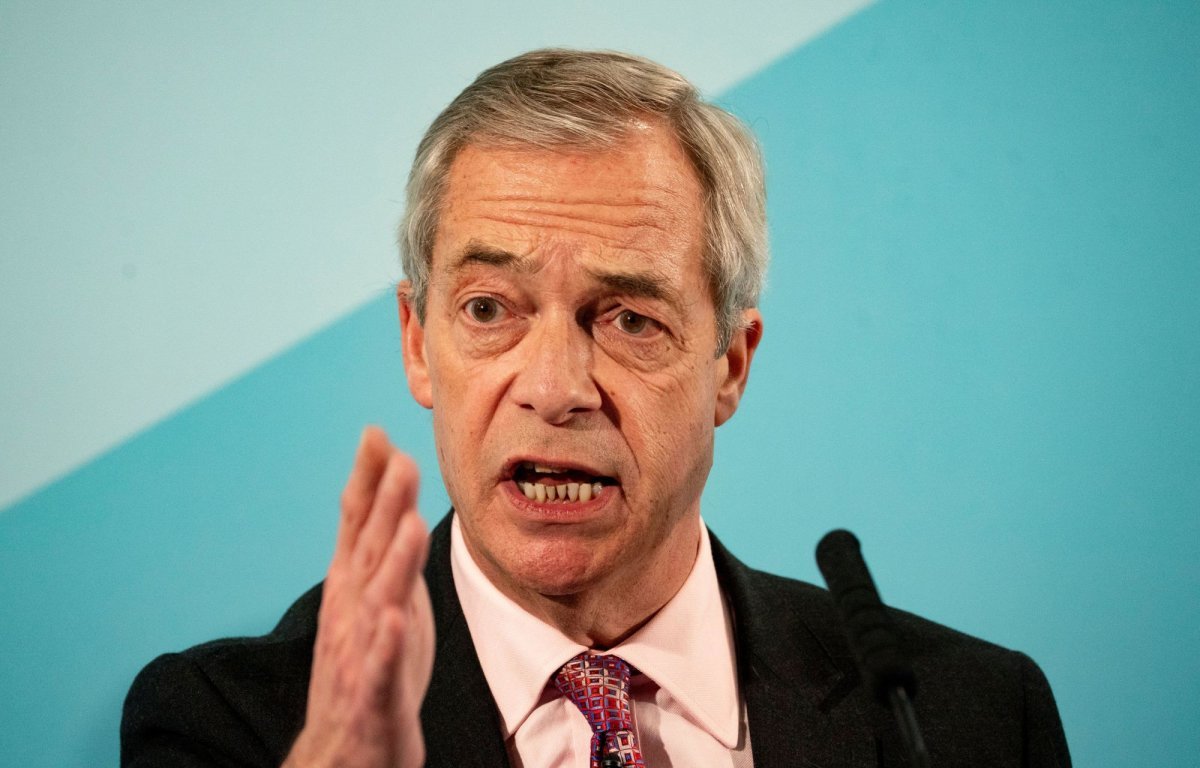
Nigel Farage has forcefully defended both his political conduct and personal decisions during a wide-ranging interview that addressed the growing security threats surrounding his leadership, alongside continuing controversy over a £5 million personal gift received from businessman Christopher Harborne. Speaking from Reform UK’s headquarters, now equipped with extensive security measures including metal detectors and bullet-resistant glass after hundreds of reported death threats, Farage insisted that his integrity should ultimately be judged by voters rather than political opponents or media criticism.
Rejecting allegations surrounding the undeclared financial gift, Farage argued that the donation complied with legal requirements and that parliamentary disclosure was not necessary under the circumstances. He maintained that his legal advisers had thoroughly examined the matter and confirmed that no rules had been breached. Describing the controversy as another politically motivated attempt to undermine Reform UK’s growing popularity, Farage said the public would decide whether the accusations carried any weight. He stressed that if voters genuinely believed he had acted improperly, they would have the opportunity to reject him at the ballot box during the ongoing by-election campaign.

Beyond the donation controversy, the Reform UK leader painted a stark picture of the security environment facing modern politicians. He argued that political violence in Britain has evolved significantly, moving away from organised terrorist groups toward isolated individuals radicalised through online platforms. According to Farage, this shift has created an increasingly unpredictable threat landscape that presents new challenges for law enforcement and political leaders alike.
Reflecting on attacks against public figures and the broader deterioration of political discourse, Farage expressed concern over the hostility directed at elected representatives. He pointed to the continuous stream of abuse and death threats he receives, claiming current levels of police protection remain insufficient considering the risks involved. The extensive security infrastructure now surrounding Reform UK’s headquarters, he suggested, illustrates how dramatically the political climate has changed in recent years.
Despite those challenges, Farage insisted that security concerns have not altered his determination to campaign across the country. He continues to maintain a demanding political schedule, travelling extensively while dismissing suggestions that Reform UK’s momentum has weakened following a series of difficult local election results and fluctuations in national opinion polls. Instead, he argued that the party continues to strengthen its organisational structure and broaden its appeal among voters seeking an alternative to Britain’s established political parties.
The interview also explored Farage’s assessment of the wider political landscape under Prime Minister Andy Burnham. While acknowledging that Burnham has demonstrated greater political skill than his predecessor in managing government affairs, Farage remained highly critical of Labour’s broader agenda. He argued that the governing party continues to suffer from internal divisions and lacks the decisive leadership required to tackle Britain’s long-term economic and social challenges.
Immigration remained central to Farage’s political message. He reiterated his long-standing argument that Britain requires significantly tougher border controls and a more robust criminal justice system. In his view, recent government reforms amount to only modest adjustments that fail to address what he considers deep-rooted structural problems affecting public services, national security and social cohesion.

Farage also highlighted his interest in economic reform, including greater integration of digital assets and cryptocurrency into Britain’s financial system. Drawing comparisons with international developments, he argued that embracing financial innovation could strengthen the UK’s competitiveness and position the country as a global centre for emerging technologies. He suggested that Britain should not fall behind other nations that are already developing clearer regulatory frameworks for digital finance.
As Reform UK continues tightening its candidate selection procedures and expanding its national organisation, Farage insisted the party is evolving into a credible force capable of competing for government rather than simply influencing political debate. He argued that stronger internal structures and improved candidate vetting are essential if Reform is to convince voters it is prepared for national leadership.
Concluding the interview, Farage reaffirmed that his long-term political ambitions remain unchanged despite mounting scrutiny, personal criticism and increasing security concerns. He said his objective continues to be leading Reform UK into government and ultimately reaching Downing Street, arguing that Britain’s political establishment has failed to deliver meaningful change and that voters are increasingly open to a new direction.
Related News:
 Asylum deal sparks fears over Syria deportations
 Ceasefire Standoff Deepens in Ukraine War
 Deadly Russian Air Raids Strike Across Ukraine
 EU and UK Set July Date for Critical Post-Brexit Summit
 UK Nations Brace for Potential Breakup Amid Reform Surge
 Green Party Surges Past Labour in Latest UK Poll
 Trump’s UK Ambassador Urges North Sea Drilling to Strengthen US Ties
 French Taxi Driver Cleared in David Lammy Theft Case After Fare Dispute
 Millionaires group urge Reeves to introduce wealth tax to ‘lift kids out of poverty’
 Starmer Faces Growing Dissent as Labour MPs Weigh Leadership Challenge
 Reeves rejects £1bn plea for NHS redundancy payouts
 PM Condemns Leaks, Vows Loyalty to Ministers and Stability
 Major Rent Reform Ends No-Fault Evictions in England
 Peers Flood Assisted Dying Bill with 942 Amendments
 Most Tories Expect to Support a Farage-Led Government
 Starmer Says Labour’s Economic Plan Needs Years to Deliver
 Culture secretary to review Telegraph takeover by Daily Mail owner
 UK Government Borrowing Drops to £11.6bn in December
 Labour Blocks Burnham as Party Rift Deepens Ahead of Polls
 Andy Burnham and the Labour Rift Over Power and Leadership
 Huge mistake: Labour blocks Burnham from byelection bid
 Artificial intelligence will cost jobs, admits Liz Kendall
 Labour targets Greens on drugs in Gorton Denton byelection
 Greens nominate Hannah Spencer for Gorton and Denton byelection
 Mandelson Faces Police Inquiry Over Epstein Leak
 Starmer Condemns ‘Depraved’ Russian Strikes on Ukraine
 Labour Thinktank Row Deepens Over Journalist Probe Claims
 Morgan McSweeney downfall shocks Labour leadership
 Cabinet Secretary Shake-Up Triggers Due Diligence Warning
 Starmer Faces Inquiry Calls Over Thinktank Probe
 Royal Mail Delivery Crisis Deepens Amid Weather Chaos
 UK shelves £110m border project amid trade strain
 Farage Unveils Reform UK Frontbench Team
 California Democrats Vow Trump Reckoning
 Trump Tariffs Threat Spark UK and EU Alarm
 Wales Approves Assisted Dying Bill Consent
 UK EU Trade Reset Gains Public Backing
 Green Party Stuns Labour in Gorton and Denton Byelection
 Corbyn Leads Your Party in Coordinated Left-Flank Strategy
 Labour Together scandal sparks clean break vow
 Asylum Seekers to Work After Year-Long Wait
 Starmer Row as Greens Demand Apology
 Proposed Law Leaves Gap for Children of Convicted Paedophiles
 Gordon Brown urges court for crimes against children
 Starmer Praised for Stance on Trump and Iran Conflict
 Inquiry into HMRC child benefit errors launched by NAO
 NHS Plans to Cut Overseas Workers Labeled Overambitious
 Farage Faces Backlash Over Crypto Cameo Endorsements
 Army Probes Apache Flyover at Kid Rock’s Nashville Estate
 Relationship with Trump may be beyond repair, Starmer warned
 Italian Town Buys Mussolini Villa to Keep Away Fascist Fans
 Unions Raise Concerns Over Doctors’ Pay Dispute
 UK Government Poised to Revive Stalled Hillsborough Law
 UK Stands Firm on Falklands Amid US Rift
 Welsh Labour Faces Potential Historic Election Defeat
 Starmer Survives Mandelson Rebellion
 Silent Tracks: Rail Line Without Passengers
 Major test for Labour as polls open in Great Britain
 Labour Members Doubt Starmer Future as Burnham Leads Poll
 Reform UK Faces Crisis as Newly Elected Councillors Resign
 Keir Starmer Struggles to Secure His Grip on Downing Street
 Farage Faces Standards Probe Over Cash Property Purchase
 Secret Role of UK Security Services in Troubles Amnesty Law
 Farage and Reform UK Reshape British Politics
 Minister Criticises Police Guidance Amid Southampton Protests
 Makerfield Voters Demand Real Change as Election Looms
 The Hidden Crisis Eroding Trust in British Communities
 Deepfake Abuse on X Sparks Safety Concerns for Dissidents
 Labour MP Revives Blocked Assisted Dying Bill in Commons
 Starmer Resolves to Fight Burnham in Leadership Battle
 Starmer Set to Announce Exit Plan as Burnham Eyes No 10
 Hollie Ridley to Step Down as Labour General Secretary
 Jarvis Urges Burnham to Secure 3.5% Defence Spending
 Farage Warns Sky News Following Financial Inquiry
 Le Pen to Run for President Despite Embezzlement Conviction
 Reform UK Finances Face Deep NCA Probe
 Burnham Pledges New Era of Open Debate for Labour MPs
 Ann Widdecombe, Formidable Political Figure, Dies at 78
 Meta Under Fire: The Battle Over Addictive Social Media Design
 Security Row Erupts Following Tragic Death