Published: 14 September 2026. The English Chronicle Desk. The English Chronicle Online.
Abuse and intimidation directed at election candidates in England have reached a level that is beginning to influence how people campaign and whether they are willing to seek public office again, according to a new review by the Electoral Commission.
The findings, based on this year’s local and mayoral elections in England, reveal a troubling picture of political participation. Candidates reported experiencing verbal abuse, threats, harassment and, in some cases, physical aggression while carrying out ordinary campaign activities. The problem appears particularly severe for women, people from minority ethnic backgrounds and disabled candidates.
The Electoral Commission has described the rise in abuse and intimidation as a serious and growing concern, warning that increasingly hostile political behaviour could have consequences for the health of local democracy.
More than half of Labour and Reform UK candidates surveyed reported experiencing inappropriate behaviour, harassment or threats to their security. The figures were lower among candidates from other political groups, but the commission said the problem was not confined to any particular party.

Overall, the review found that 59% of Reform UK candidates and 54% of Labour candidates reported personally experiencing inappropriate behaviour, harassment or threats. The corresponding figures were 42% for Green candidates, 37% for independents, 26% for Conservative candidates and 22% for Liberal Democrat candidates.
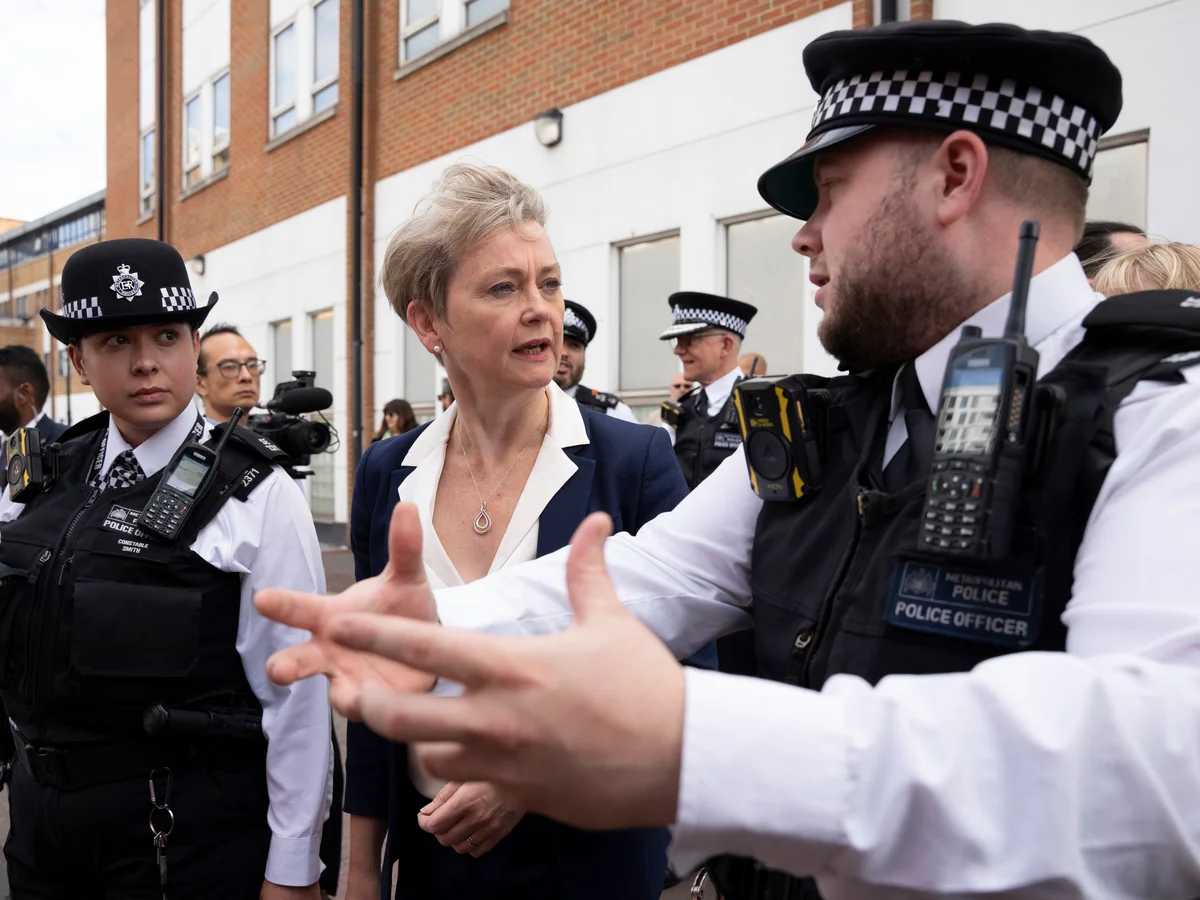
The experiences described by candidates ranged from aggressive confrontations at the doorstep to physical assaults and threats. Some candidates said they had been spat at, verbally abused or physically attacked while attempting to speak with voters.
For some, the experience has fundamentally changed the way they approach campaigning.
One candidate said they had previously felt comfortable campaigning independently but became sufficiently concerned by the hostility encountered during the latest election that they felt the need to have their husband accompany them. The candidate described confrontations with older men and younger people who appeared deeply frustrated and disillusioned with politics.
Although the candidate said they could understand some of the anger directed towards politicians, the intensity of the insults and confrontations created a sense of personal vulnerability that had not previously existed.
The candidate said the experience meant they would no longer place themselves in vulnerable situations alone, highlighting how political intimidation can affect not only the campaign itself but also the personal lives and future decisions of those seeking office.
Women appear to be particularly affected. The commission found that 79% of female candidates had avoided campaigning alone at least once because of concerns about abuse or intimidation. Among male candidates, the figure was 46%.
Female candidates were also considerably more likely to avoid discussing controversial subjects. Fifty-seven percent said they had avoided speaking about controversial topics because of concerns over their safety or the reaction they might receive, compared with 32% of male candidates.
The implications extend beyond individual campaigns. When candidates begin avoiding certain locations, topics or public appearances, voters may have fewer opportunities to meet them directly and understand their positions.
Vijay Rangarajan, chief executive of the Electoral Commission, described the increase in abuse and intimidation as the organisation’s biggest concern. He said the problem was not directed at a single political party and appeared to have several different causes.
One of the factors identified by Rangarajan was a growing tendency to portray political opponents as fundamentally different or unacceptable rather than as people holding alternative views. He described this process as a form of “othering” that can develop into the dehumanisation of political opponents.
Social media is also playing an increasingly important role in the problem.
Political disagreements that begin online can quickly move into the physical world, while confrontations in public spaces can subsequently be recorded and circulated online. This creates a cycle in which online material can trigger anger and further real-world confrontation.
Rangarajan warned that the boundaries between online and offline political behaviour are becoming increasingly blurred. Individuals can record others in public, publish the footage online and potentially expose them to a much larger audience than would have been possible in previous election campaigns.
The consequences can also extend to candidates’ families.
Rangarajan highlighted the case of a candidate who was targeted online with highly abusive accusations. The situation became particularly distressing when the candidate’s daughter contacted them from school after seeing the abuse and hearing other people repeat accusations against the parent.
In another case, a disabled candidate was reportedly threatened while campaigning at a doorstep. The candidate’s disability meant that escaping quickly from a threatening situation was not necessarily possible, adding another dimension to the security risks faced by disabled people seeking elected office.
The findings raise questions about who will be willing to participate in politics if intimidation continues to increase.
The commission found that approximately one-third of candidates said they might not stand for election again because of harassment or intimidation. Such a trend could have significant consequences for political representation, particularly if people from groups already underrepresented in politics become increasingly reluctant to put themselves forward.
The effect may be especially pronounced among women and ethnic minority candidates. Rangarajan warned that the problem becomes even more serious when a candidate belongs to more than one group that is disproportionately targeted.
The commission is calling for political parties to take a stronger, collective approach to tackling the problem. It has also urged social media companies to develop faster response mechanisms for dealing with online abuse directed at election candidates.
The recommendation reflects growing recognition that political safety cannot be addressed solely through traditional campaign security measures. Online threats can rapidly spread, reach large audiences and potentially contribute to real-world harassment.
The commission is also encouraging political parties to remind their members and supporters that robust political disagreement must remain within reasonable boundaries.
Rangarajan stressed that vigorous debate is a fundamental part of elections. Candidates and voters should be able to challenge one another, disagree strongly and debate controversial issues. However, he argued that political competition must retain a basic level of respect.
Threatening candidates with death, following their families through public spaces or deliberately attempting to intimidate them goes beyond legitimate political disagreement.
Despite the concerns surrounding candidate safety, the Electoral Commission’s review also contained some positive findings about public confidence in the electoral process itself.
Around 94% of voters in England said they were satisfied with how elections were run. That figure remains broadly consistent with previous years, following satisfaction levels of 95% in 2025 and 96% during the comparable elections in 2022.
The results suggest that while candidates are facing increasingly difficult conditions in some areas, voters continue to have relatively high levels of confidence in the administration of elections.
However, misinformation remains a significant concern. More than half of voters surveyed said they had encountered false or misleading election information, while approximately one in 10 reported seeing deepfake material.
The spread of manipulated digital content creates another challenge for candidates and voters. As artificial intelligence tools become increasingly capable of generating convincing images, audio and video, distinguishing authentic political material from fabricated content can become more difficult.
The Electoral Commission’s concerns therefore extend beyond physical safety. The integrity of political participation is also affected when candidates are intimidated and voters struggle to determine whether information circulating online is genuine.
Rangarajan welcomed proposed measures in the Representation of the People Bill that would strengthen protections for people involved in elections. The proposals include protecting the home addresses of election agents, extending certain protections to electoral staff and increasing sentences for offences committed against candidates, elected representatives and election workers.

The debate over political abuse comes at a time when public frustration with politics remains high in many parts of England. Strong disagreement over national and local issues can generate passionate political engagement, but the Electoral Commission’s findings suggest that hostility is increasingly crossing the line into behaviour that can discourage participation.
The challenge for political parties, candidates, social media companies, law enforcement agencies and voters is to preserve space for forceful political debate without allowing intimidation to become an accepted part of campaigning.
Elections depend not only on the willingness of voters to participate but also on people being prepared to stand as candidates. If harassment causes experienced candidates to withdraw or discourages women, ethnic minority people and disabled citizens from seeking office, the consequences could affect the diversity and quality of political representation.
The Electoral Commission’s findings therefore serve as a warning that candidate safety is becoming an important democratic issue. Protecting political participation does not mean preventing criticism or disagreement. Instead, it means ensuring that people can compete for public office without being subjected to threats, violence or intimidation that forces them to change how they campaign or reconsider whether to participate at all.
Related News:
 Patriot Platform Raises Concern Across Britain
 Reform UK Receives Record £36m Donation From Crypto Billionaire
 Undercover officer deceived women with ‘grotesque and cruel’ lies, spycops inquiry told
 Reform UK funding: mystery billionaire revealed
 UK may ban protests amid rising antisemitism fears
 Barrister Criticises Trial After Suicide Case Verdict
 Immigration Judges Fear Pressure in Trump Era
 Murder Probe Continues After Arrest Release
 Westminster Council Threatens Charing Cross Soup Kitchen
 BBC Warned About Missing Clothes of Murder Victim
 Cambridge Professor Jason Arday Found Dead at Home
 Ghent Professors Questioned Cofnas Appointment
 RAF Barnham Protests Fuel Tensions in Norfolk Town
 Internal Exclusions Surge in England’s Schools
 Ministers Condemn Far-Right Unrest in Portsmouth
 Councils spend £125m on illegal children’s care
 New Mexico Takes Facebook to Trial Over Data Scandal
 Phillipson urges careful review of gender recognition guidance
 French Taxi Driver Cleared in David Lammy Theft Case After Fare Dispute
 Met Police Culture Makes Racial Harm ‘Inevitable’
 Remaining rebel Labour MPs have whip restored
 Government urges schools to ban phones to curb classroom disruption
 Palace to reinstate hyphen in Andrew’s surname
 Major Rent Reform Ends No-Fault Evictions in England
 Peers Flood Assisted Dying Bill with 942 Amendments
 UK Unveils Fast-Track Deportation and Asylum Overhaul
 UK Asylum Overhaul Sparks Debate Over Human Rights and Deportations
 UK Asylum Reforms: Temporary Refugee Status and Faster Deportations
 Mahmood Defends Tough Overhaul of UK Asylum System
 Westminster Advances Legacy Bill Amid Criticism
 Minister Defends Tough New Asylum Reform Plan
 Peers Get Extra Time to Debate Assisted Dying Bill
 Starmer’s communications chief to outline media strategy overhaul
 TikTok to Strengthen Age Verification Across the EU
 Tim Walz urges Trump to withdraw federal agents immediately
 UK and EU Signal Fresh Push for Defence Cooperation Talks
 Civil Service Pay: Union Urges Ministers to End ‘Barking Mad’ Limits
 UK Teen Social Media Ban Trials Begin
 Proposed Law Leaves Gap for Children of Convicted Paedophiles
 Ministers Urged to Act Faster on Deepfakes Threat
 Starmer Defends Workers’ Rights Amid Rising Green Threat
 Prevent Failings Exposed After Southport Attack
 Kezia Dugdale Warns of Possible Reversal of Equal Rights Gains
 Synagogue Arson Attempt Sparks Security Fears
 City & Guilds Sale Sparks Fees and Pay Uproar
 MoD Has Lost Track of Veteran Recall List, Says Adviser
 NHS Safety Fears as Nurses Cover Doctor Gaps
 Crackdown Backfires on UK Climate Protesters
 Two Children Die in Wolverhampton House Fire Tragedy
 US Court Weighs Fate of TPS for Migrants
 John Terry Faces Backlash Over Political Posts
 Cartel crackdown raises fears of fresh violence
 US states redraw maps after voting rights ruling
 Asylum deal sparks fears over Syria deportations
 Greens Face Internal Row Over Antisemitism Claims
 Florida Surgeon ‘Devastated’ Over Fatal Surgery Error
 Labour Members Turn Against Starmer Leadership
 FDA Chaos Deepens as Trump Eyes Makary Exit
 Father’s diaries reveal doubts over Hawking
 Farage and Reform UK Reshape British Politics
 Starmer Leadership Under Pressure After Setbacks
 UK Ministers Lobby Trump Over Under-16s Social Media Ban
 UK Nations Brace for Potential Breakup Amid Reform Surge
 Le Pen’s Popularity Holds Despite Conviction
 Three-Quarters of England’s Riverbanks Still Off Limits
 Trump Orders Signs Criticising Smithsonian Museum
 Is America Ready for an AOC Presidential Run?
 Burnham unveils £65m drought aid for farmers
 Unions Warn Labour Over Zero-Hours Contract Reforms
 Exeter Approves Saudi Military Training Partnership
 British Museum Faces Questions Over Peter Thiel’s Private Bayeux Viewing
 Survivor Sues Musk’s xAI Over AI Abuse Images
 Green Leader Targets Starmer’s Former Seat
 Reform Faces Fresh Financial Controversy
 Masked Protesters Bring Dover Port Traffic to Standstill
 UN expert urges UK to rethink Israel policy
 UK plans tougher Israel stance with settlement trade ban
 Europe’s democracies face a growing far-right threat
 Pavlohrad Strike Kills Five, Injures 67
 Israel Accused of Undermining Palestinian Life