Published: 07 October 2025. The English Chronicle Online
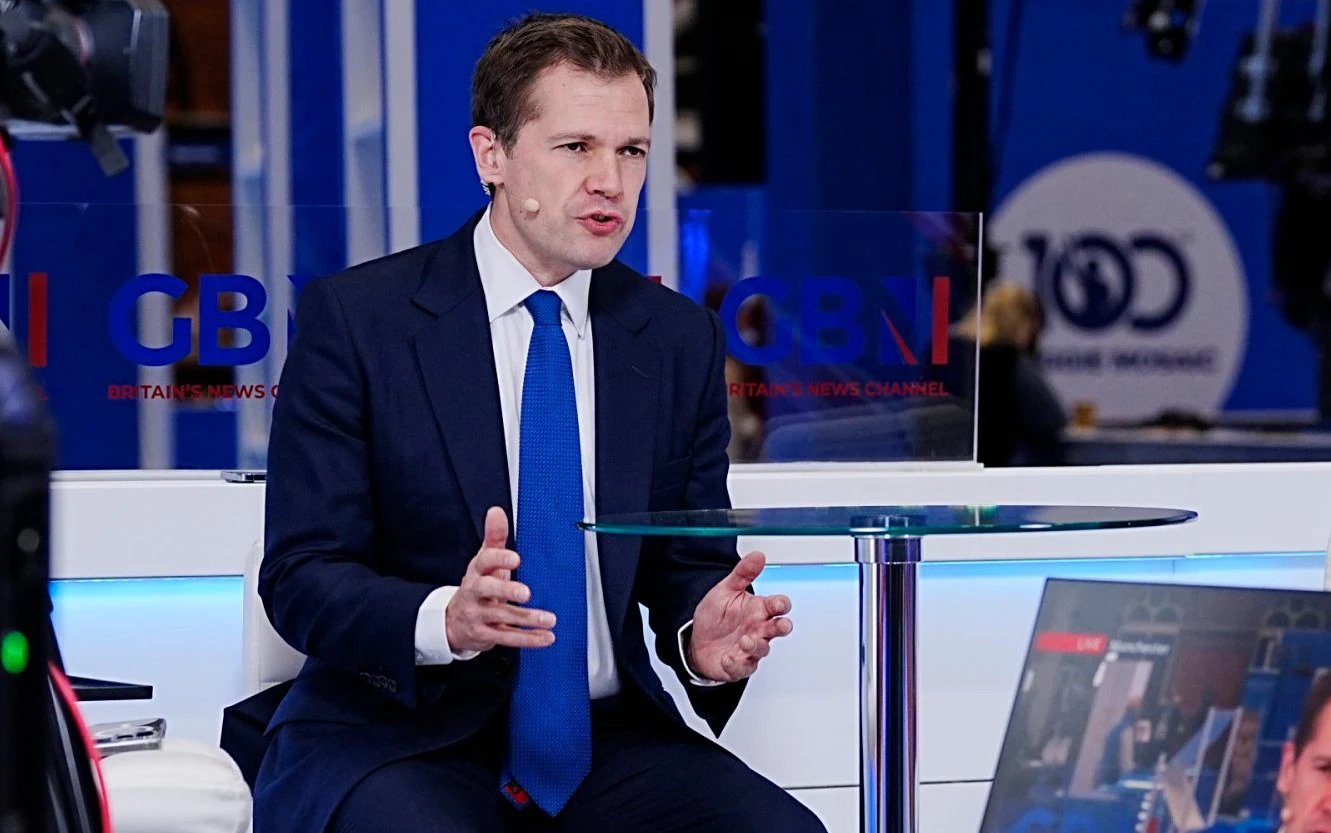
Shadow Justice Secretary Robert Jenrick has reignited political controversy by standing firm on comments he made earlier this year, claiming that during a visit to Birmingham’s Handsworth area, he “did not see another white face.” His remarks have provoked sharp criticism from political leaders, community representatives, and civil rights advocates, who accuse him of misrepresenting one of Britain’s most diverse and vibrant communities.
The comments, originally made at a private dinner in March and later revealed by The Guardian, described Handsworth as “as close as I’ve come to a slum in this country.” Jenrick also suggested that the area represented “one of the worst integrated places” he had ever visited. The statements have since stirred nationwide debate on race, integration, and political responsibility, drawing strong reactions from across the political spectrum.

In the audio recording, Jenrick was heard describing his experience in the West Midlands neighbourhood, where he had been filming a video on litter. “It’s as close as I’ve come to a slum in this country,” he said, expressing shock at the conditions he witnessed. “The other thing I noticed there was that it was one of the worst integrated places I’ve ever been to. In fact, in the hour and a half I was filming news there, I didn’t see another white face.”
He added: “That’s not the kind of country I want to live in. I want to live in a country where people are properly integrated. It’s not about the colour of your skin or your faith, of course it isn’t. But I want people to be living alongside each other, not parallel lives. That’s not the right way we want to live as a country.”
After the comments resurfaced, Jenrick defended his stance, asserting that he was highlighting a genuine social issue rather than making a racial statement. A spokesperson for the shadow justice secretary said, “Six separate government reports over 20 years have highlighted the problem of parallel communities and called for a frank and honest conversation about the issue. The situation is no better today. Unlike other politicians, Mr Jenrick will not shy away from this issue. We have to integrate communities if we are to be a united country.”
However, the backlash was swift and forceful. Andy Street, the former Conservative mayor of the West Midlands, rejected Jenrick’s description of Handsworth, calling it “flat-out wrong.” Speaking on BBC Newsnight, Street said: “Handsworth has come a hell of a long way in the 40 years since the last civil disturbances there. It’s actually a very integrated place where people from different ethnic and cultural backgrounds live and work together successfully.”
Richard Parker, the current Labour mayor of the West Midlands, went even further, calling Jenrick’s remarks “racist” and questioning his suitability to serve as a Conservative MP. “I’m angry, I’m appalled, and frankly, I’m disgusted,” Parker said. “Handsworth is a really vibrant community with lots of faiths and ethnicities working together and living together. Soho Road is one of the most vibrant and successful high streets anywhere in the country.”
Parker demanded that senior Conservative figures, including party leader Kemi Badenoch, address Jenrick’s comments directly. “I think there are serious issues now for Kemi Badenoch to discuss with Robert Jenrick and senior members of the Conservative Party about whether someone like Jenrick should be allowed to stand and sit as a Conservative politician,” Parker added.
When asked directly if he believed Jenrick’s comments were racist, Parker did not hesitate: “I do. Because he’s set out intentionally to draw on a particular issue — people’s colour — to identify the point he wanted to make. No other mainstream politician in the West Midlands would seek to do that explicitly and with the intent that he did.”
Ayoub Khan, the independent MP for Birmingham Perry Barr — the constituency that covers Handsworth — also strongly condemned Jenrick’s comments. “The claims made by the shadow justice secretary are not only wildly false but also incredibly irresponsible,” he said. “He has misrepresented a storied and diverse community, awkwardly distorting the product of an all-out bin strike to fit his culture-warrior narrative filled with far-right clichés.”
In a follow-up interview with BBC Breakfast on Tuesday, Conservative leader Kemi Badenoch defended Jenrick’s right to make his observations, though she admitted that “not enough people are integrating” in some communities. “It’s a factual statement,” Badenoch said. “If he said he didn’t see another white face, he might have been making an observation. There’s nothing wrong with making observations.”
Badenoch went on to argue that the issue of integration in Britain was complex and often misunderstood. “There are many people who are creating separate communities,” she said. “We need to talk about integration without fear. That means acknowledging where things are going wrong.”
However, her remarks sparked further controversy when she accused some MPs in Birmingham of promoting “sectarian politics.” “I’m quite worried about these sectarian MPs who’ve been elected in Birmingham,” she said. “They’re very, very divisive — more interested in talking about Gaza than what’s happening in the UK.”
Jenrick’s decision to stand by his words has amplified divisions within the Conservative Party as it seeks to balance tough rhetoric on integration and immigration with the need to appeal to a diverse electorate. Critics accuse Jenrick of pandering to right-wing populism and stoking racial tensions ahead of the next general election.

Meanwhile, some conservative commentators have defended Jenrick’s comments, arguing that he raised an uncomfortable truth about the lack of social cohesion in certain urban areas. They claim that Britain’s political class has for too long ignored the challenges of integration out of fear of being labelled racist.
Despite the ongoing controversy, Jenrick remains unapologetic. In statements released through his office, he has emphasized that his goal is to promote unity, not division. “We cannot fix what we refuse to discuss,” one statement read. “The goal must be a country where everyone — regardless of background — lives together, not apart.”
Political analysts suggest that the row has highlighted the increasingly volatile nature of debates over race, identity, and social cohesion in British politics. For many, the issue transcends Jenrick’s comments, touching on the broader challenges of how modern Britain grapples with multiculturalism, community cohesion, and national identity.
As the Conservative Party’s annual conference gets underway, Jenrick is expected to address the issue directly in his speech. Observers predict that his remarks could either deepen existing tensions or offer an opportunity for reconciliation, depending on how he frames his message. For now, his comments continue to dominate headlines, ensuring that the debate over integration — and how Britain defines itself as a nation — remains firmly in the political spotlight.
Related News:
 UK Must Act with Courage and Clarity on Israel-Palestine Conflict, Says Foreign Affairs Committee Report
 Tasers Introduced in UK Prisons to Combat Rising Violence and Protect Staff
 Wethersfield Controversy Deepens as Asylum Seeker Numbers Set to Surge by 50%
 Chancellor Faces Mounting Pressure Amid “Impossible Trilemma” Over Tax Rises
 Radioactive Leak at UK’s Nuclear Warhead Base Sparks Outcry Over Safety and Secrecy
 Mass Arrests in London as Protest Defies Ban on Palestine Action
 Mutual Inconvenience: Why Alaska Was Chosen for the Trump-Putin Summit on Ukraine
 Russell T Davies Warns of Declining UK Gay Rights Amid Rise of Reform UK and Trump Influence
 UK Government Expands ‘Deport Now, Appeal Later’ Policy to 23 Countries
 Farage Accuses PM of ‘Democratic Disparity’ in House of Lords Representation
 Chancellor Rachel Reeves Pushes for Sweeping Changes to Environmental Protections to Accelerate Development
 Larger Families Could Gain Thousands if Labour Ends Two-Child Benefit Cap
 Is the UK Ready to Put Boots on the Ground in Ukraine? Assessing Military Capacity and Challenges
 Ory Councils Urged to Challenge Asylum Hotels After Epping Ruling
 Palestine Action Ban Protesters Plan Tactic to Overwhelm Police at Next London Demonstration
 Police Scotland Spends £500,000 Compensating Officers Over Trump Visit
 Britain’s Migration Challenge: Rising Asylum Numbers and Hotel Pressures
 Elon Musk Sparks New Controversy by Backing Tommy Robinson Amid Farage Feud
 Polanski’s Rise Signals a Shift in British Political Landscape
 Urgent Action Needed on Windrush Compensation as Survivors Speak of “Waiting to Die”
 Tanni Grey-Thompson Faces Abuse Over Opposition to Assisted Dying Bill
 Protests Expected as Israeli Arms Firms Join Global Defence Trade Fair in London
 Are Britain’s Unions Turning Against the Workers They Once Represented?
 TfL Invites RMT to Resume Talks as London Tube Strikes End
 UK Rejoining EU ‘Unlikely in My Lifetime,’ Says Starmer’s Europe Reset Negotiator
 UK Urged to Collaborate with NATO on Missile Defence Amid Russian Drone Threat
 ‘Unite the Kingdom’ Rally Sparks Fears of Far-Right Normalisation Among Minority Britons
 France Proposes Ceiling on UK Role in €150bn EU Defence Fund
 Thousands Gather in London to Protest Donald Trump’s Second UK State Visit
 Tragedy in Hackney: Man Killed and Woman Injured in East London Park Shooting
 Zarah Sultana Seeks Legal Action After Bitter Clash with Jeremy Corbyn Over Party Membership Funds
 Nigel Farage Unveils Controversial Immigration and Welfare Plans at Reform UK Press Conference
 Top Andy Burnham Ally Launches Fierce Critique of Starmer Ahead of Labour Conference
 Mahmood Pledges Reform of Modern Slavery Laws After Court Blocks Deportation Appeal
 It Changed My View’: Campaign Encourages Pupils in Deprived Areas to Consider University
 UK Fighter Jet Purchase Could Breach Nuclear Treaty, Warns CND
 Ed Miliband Warns UK Government on X, Citing Elon Musk as a “Dangerous Influence”
 Migrants in UK May Need to Contribute or Face Removal, Home Secretary Signals
 Ed Miliband Urges Labour to Confront Billionaire-Backed Opposition to Net Zero Goals
 A Third of EU Citizens in UK Report Discrimination by Public Bodies Post-Brexit
 Senior Tories Condemn Badenoch’s Vow to Repeal Climate Change Act as Catastrophic
 Home Secretary condemns Gaza protests after Manchester synagogue attack as “un-British”
 Digital ID Plans Ignite Debate Over £600m Treasury Tax Boost and Privacy Concerns
 Public Trust in SNP Hits Historic Low Amid NHS Concerns
 Yvette Cooper Backs Digital ID Plan for UK Teens
 Starmer Faces Backlash Over Downing Street Shake-Up and Progressive Exodus
 Johnson Suggests Mandelson Linked to China Spy Controversy
 Ministry of Justice fails to file £11bn in spending receipts
 Witness statements reveal the CPS China spy row collapse in the UK
 Rachel Reeves signals welfare reform ahead of key budget
 Starmer pledges to claw back Baroness Michelle Mone’s Covid contract millions
 Reform UK candidate fined £19,000 after using AI-generated cases to challenge election
 The debate over England’s compulsory reading test for 13-year-olds
 Hermer to face questions on alleged China spy case intervention
 Kosovo agrees to host Britain’s refused asylum seekers
 William Steps Up Over Prince Andrew Palace Response
 UK Health Leaders Push for Urgent Tobacco & Vape Bill
 How the Royal Navy Can’t Stop the Channel Boats
 British Woman in Iran ‘Losing Hope’ Amid Ongoing Detention
 Johnson Approved China’s London ‘Super-Embassy’ in 2018
 BBC Journalist Held and Interrogated in Vietnam
 Green Party Surges Past Labour in Latest UK Poll
 Celebrities and Charities Demand UK Government Act on Child Poverty
 Zarah Sultana Launches Party to Change Politics
 FBI Director Kash Patel Defends Girlfriend Amid Government Jet Claims
 ‘Reckless’ cuts to victims’ services will cost more than they save
 Starmer Faces Growing Dissent as Labour MPs Weigh Leadership Challenge
 Politics latest: Starmer ‘will fight any leadership coup’ as Streeting denies attempt to oust Labour PM
 Pressure Mounts on Starmer to Sack Chief of Staff Over Briefing Row
 Peers Flood Assisted Dying Bill with 942 Amendments
 England’s Special Needs Support Faces Breaking Point
 MoD warned over Excel risks before Afghan data breach
 Labour Faces Historic Decline in Wales
 PM Highlights UK Business at G20 in South Africa
 Kate Forbes: Motherhood Harder Than Politics
 Most Tories Expect to Support a Farage-Led Government
 Labour MP claims devolution bill is ‘blatant discrimination’ against Cornwall
 Millions Face Higher Taxes Under Reeves New Budget
 Peers Get Extra Time to Debate Assisted Dying Bill
 “Enough is Enough”: Local MP Vows to Fight Rainham Quarry Plans