Published: 10 October 2025 | The English Chronicle Desk | The English Chronicle Online
As the UK grapples with climate change, a worrying knowledge gap among lawmakers threatens progress toward the nation’s net zero goals. Despite repeated coverage of extreme weather events affecting constituents, many Members of Parliament appear uninformed about the timelines essential for mitigating climate breakdown.
The urgency of the climate crisis has been emphasised repeatedly by scientific bodies, including the Intergovernmental Panel on Climate Change (IPCC). Its 2022 report highlighted that global CO2 emissions must peak by 2025 to keep temperature increases below 1.5C above pre-industrial levels—a threshold deemed critical by the 2015 Paris Agreement. Missing this window could make the climate goals unachievable and intensify the risk of catastrophic environmental impacts worldwide.

However, a survey conducted with 100 UK MPs revealed a stark lack of awareness regarding these critical deadlines. When asked which year emissions must peak to avoid exceeding 1.5C, only 15 answered correctly. Alarmingly, nearly one-third of respondents selected 2040 or later, demonstrating a potentially dangerous disconnect between scientific urgency and parliamentary understanding. Labour MPs were statistically more likely to identify the correct timeline compared with their Conservative counterparts, indicating disparities in climate literacy across party lines.
Experts argue that informed debate in parliament is vital, not only for shaping legislation but also for aligning national policies with international climate commitments. Without a clear grasp of timelines and targets, MPs risk passing measures that are insufficient or mistimed, undermining the UK’s pledge to reach net zero by 2050.
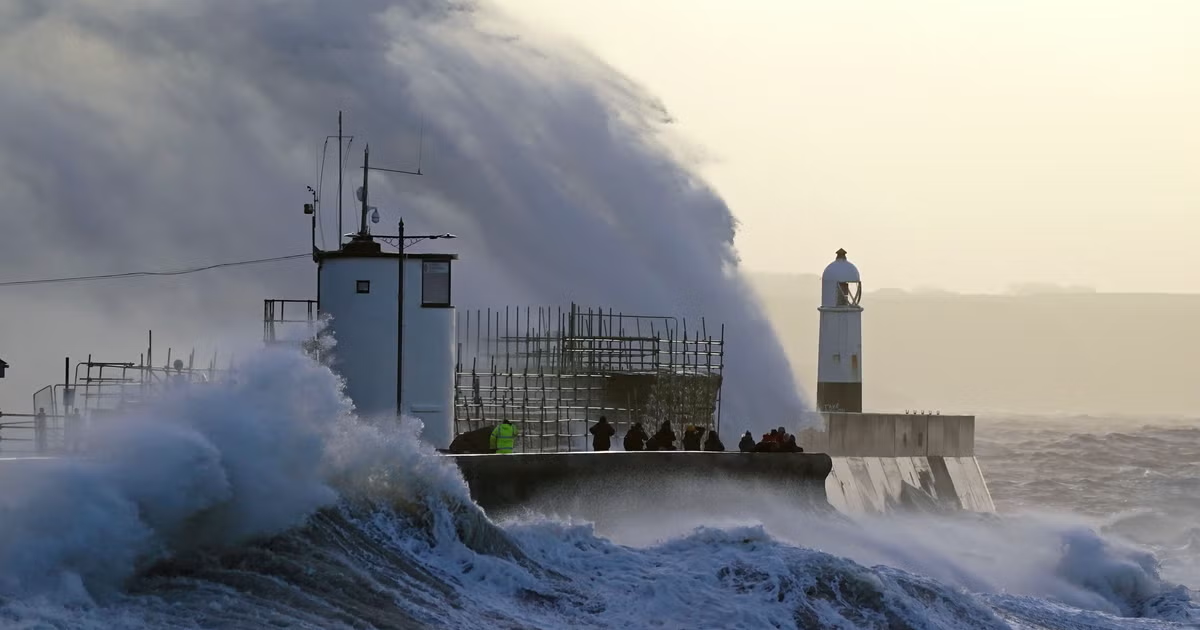
Climate scientists warn that delayed action will have cascading consequences, from increased frequency of heatwaves and droughts to intensified flooding and storms. These effects disproportionately affect vulnerable populations, particularly those in low-income communities and regions already experiencing environmental stress. Effective legislation, they argue, requires decision-makers to grasp both the immediacy and scale of the challenge.
The knowledge gap among MPs has also raised questions about how climate policy is communicated within the government. Critics suggest that existing briefings may not adequately convey the urgency or implications of the latest scientific findings. Some policymakers have called for enhanced training and engagement to ensure parliamentarians are better equipped to make decisions grounded in science rather than political expediency.
Reaching net zero by 2050 demands coordinated action across sectors, from energy and transport to agriculture and construction. Policy initiatives must be based on the best available evidence, incorporating emission reduction targets and timelines into enforceable strategies. Delays or misinformed policies could result in the UK falling short of its climate commitments, with repercussions for both domestic resilience and international credibility.
Public awareness campaigns have also played a role in highlighting the need for urgent action, yet the survey underscores that information alone does not guarantee comprehension or commitment among decision-makers. The discrepancy between scientific consensus and parliamentary knowledge presents a significant obstacle, particularly as the government prepares legislation aimed at meeting the next five-year carbon budgets.
Environmental organisations stress that MPs must understand not just the target year for peak emissions, but the actions required now to stay on track. Immediate reductions in fossil fuel dependence, investments in renewable energy, and incentives for sustainable practices across industry and households are all crucial components of a successful net zero strategy. Without parliamentary alignment on these priorities, experts warn that policy interventions may lack coherence or ambition.

The 2022 IPCC report serves as a stark reminder that global climate goals are time-sensitive. The year 2025 is pivotal for curbing emissions, and every delay compounds the difficulty of limiting global warming to 1.5C. Failure to act decisively could push the planet toward irreversible changes, including widespread biodiversity loss, sea level rise, and severe impacts on food and water security.
As the UK continues to host international climate forums and shape its domestic policies, the capacity of MPs to understand and act on scientific guidance will determine whether the nation can credibly lead by example. Bridging the knowledge gap and fostering evidence-based decision-making in parliament is therefore critical, not only for environmental outcomes but for maintaining public trust in governmental commitment to climate action.
Unless awareness improves rapidly, the UK risks missing the crucial opportunity to meet its emissions peak on time, jeopardising decades of climate policy and international obligations. Scientists and activists alike warn that informed leadership is the linchpin in translating environmental urgency into effective action.
Related News:
 UK Wasp Numbers Soar After Unusually Warm and Dry Spring
 UK Weather: Rain Expected Above Average This Autumn, but Drought Likely to Persist
 Britain’s Butterfly Numbers Rebound but Remain Average
 Scottish Teenager’s Petition on Single-Use Plastics Gains Parliamentary Support
 History Will Remember Who Showed Up: Pressure Mounts on Keir Starmer to Attend Cop30 Summit
 UK Must Ready Buildings for 2C Global Heating, Advisors Warn
 Prince William Plants Trees with Brazil’s Nature Heroes
 Nicola Sturgeon Urges SNP to Oppose New Oil Fields
 Jailed UK climate protesters face extremist-style restrictions
 New weather warning issued with risk of flooding
 The Ketamine Crisis in the UK is a Silent Epidemic Leaving Users with Lifelong Pain
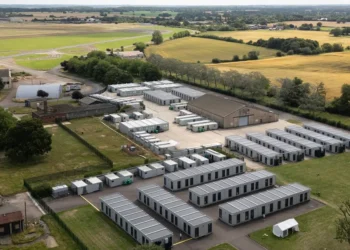 Wethersfield Controversy Deepens as Asylum Seeker Numbers Set to Surge by 50%
 Prince Harry Cleared of Bullying Allegations Amid Charity Dispute Fallout
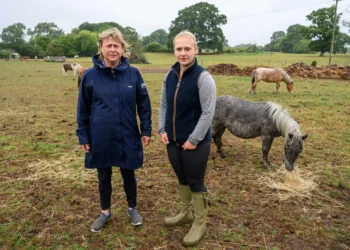 Heartbreak in the New Forest as Shetland Ponies Vanish, Community on Edge
 Russell T Davies Warns of Declining UK Gay Rights Amid Rise of Reform UK and Trump Influence
 Alarming rise in abusive teen relationships in the UK sparks urgent warnings
 Inquest Finds Agency Worker Failings Led to Unlawful Death of Vulnerable 14-Year-Old
 Shocking Rise in Children’s Exposure to Violent Online Pornography Raises Alarm
 Human Remains Discovered in Lancashire May Be Those of Children, Police Say
 Akinwale Arobieke Found Dead at Liverpool Home
 Why E-Bikes and E-Scooters Are Making Streets a ‘Nightmare’ for Blind People
 UK Warned It’s on Course to Fail in Efforts to Wipe Out Bovine TB
 Millions in the UK at Higher Risk of Heart Failure and Stroke Due to Air Pollution, Study Warns
 London to Regulate Pedicabs: Music Turned Down, Fares Set by the Minute
 UK Retail Sales Rise in August, but Tax Concerns Loom Over Festive Period
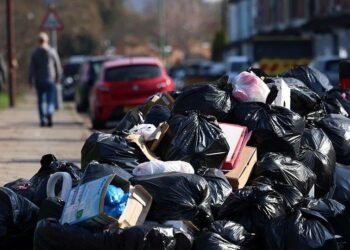 Birmingham Bin Strike Enters Sixth Month as Negotiations Stall
 Over 40% of Private Renters Forced to Ration Energy to Afford Bills, Study Reveals
 Rivers in English and Welsh National Parks Suffer Sewage Pollution at Twice the National Rate
 One in Three GPs in England Do Not Work in NHS, Raising Concerns Over Access to Care
 Persistent Offenders Owe Over £700m in Ulez Fines as TfL Cracks Down on Evasion
 UK Doctors Guilty of Sexual Misconduct Continue Practising Amid Weak Sanctions, Research Finds
 Northern Ireland Faces Fears of Prolonged Race Riot “Permacrisis”
 Zarah Sultana Seeks Legal Action After Bitter Clash with Jeremy Corbyn Over Party Membership Funds
 White Low-Income Pupils in England Show Lowest Levels of School Engagement, Study Finds
 Patricia Crowther, Known as UK’s Oldest Witch, Dies Aged 97
 Ed Miliband Warns UK Government on X, Citing Elon Musk as a “Dangerous Influence”
 Starmer Unveils Plan for NHS “Online Hospital” to Tackle Waiting Lists
 A Third of EU Citizens in UK Report Discrimination by Public Bodies Post-Brexit
 Marks & Spencer Staff to Work on Boxing Day for First Time in Five Years Amid Cost-Cutting Measures
 UK households brace for October benefit payments and rising energy costs amid cost-of-living pressures
 Jilly Cooper: The Bonkbuster Queen Who Redefined Romantic Fiction
 Celebrity Traitors First Look: A Star-Studded Highland Adventure That Hooks from the Start
 Massive London Poundland Fire Engulfs High Street
 Sussexes Warn on Children’s Phone Use Echoing Princess of Wales
 Women Challenge Meta Over Targeted Ads After Miscarriage
 Mum’s Final Wish: Donating Her Body to Science
 £18 Prostate Cancer Test Could Save Thousands of Lives
 Pregnant Women in England Face Rising Risk of Severe Birth Injury
 King urges faster action on climate change initiatives
 One in 12 Secondary Pupils Sent to Isolation Weekly
 UK Health Leaders Push for Urgent Tobacco & Vape Bill
 Prince Andrew May Leave Royal Lodge for Frogmore Cottage
 Hospice Cuts Raise Alarm Across England Amid Funding Crisis
 UK Woman Loses Child Benefit After Booking Flight She Never Took
 UK launches search for first-ever ‘town of culture’ to highlight overlooked areas
 Mass Stabbing on Doncaster to London Train Leaves Ten Injured
 Children to Learn Local History in Major Curriculum Overhaul
 The Lowry Hotel: Manchester’s Iconic Five-Star Retreat
 Greta Thunberg Backs Student Facing UK Visa Revocation
 How to get help when a child goes missing – call 999 urgently
 ‘Reckless’ cuts to victims’ services will cost more than they save
 UK Faces Arctic Blast as Polar Vortex Disruption Brings Heavy Snow
 UK toy market enjoys bumper year as ‘kidults’ fuel demand
 Politics latest: Starmer ‘will fight any leadership coup’ as Streeting denies attempt to oust Labour PM
 Son Reveals UK Couple in Iran Resort to Hunger Strike for Help
 Mum Calls for New Licence Rules After Teen Road Death
 £1 Breakfast Club Brings Parents Together in Sheffield
 Mother Watches in Horror as Teen Daughter Dies on Tracks
 ‘Traumatic Wait’: Northern Ireland Women Face Breast Cancer Delays
 Commuters warned as yellow snow and ice alert hits Northern Ireland
 Kate Forbes: Motherhood Harder Than Politics
 Coffins Now Too Large to Cremate Amid Rising Obesity Crisis
 Clifftop Lodges Spark Fears Over Jurassic Coast Stability
 Labour MP claims devolution bill is ‘blatant discrimination’ against Cornwall
 Delhi’s Toxic Air Crisis Leaves Children Sick and Vulnerable
 Fibromyalgia Patients Struggle as NHS Fails to Provide Care
 Machynlleth High Street Left Without Christmas Lights
 Search underway for British man overboard off Tenerife
 “Enough is Enough”: Local MP Vows to Fight Rainham Quarry Plans
 Virgin Media Fined £23.8m Over Telecare Safety Failures