Published: 03 November 2025. The English Chronicle Desk. The English Chronicle Online.
Donald Trump’s appointed ambassador to the United Kingdom, Warren Stephens, has called on Labour leader Sir Keir Starmer to accelerate North Sea oil drilling, arguing that it would enhance the UK’s position as a reliable ally of the United States. Stephens, speaking in a detailed interview on Sky News’s Mornings with Ridge & Frost, expressed concern over Britain’s reliance on imported fossil fuels and renewable energy subsidies, claiming these policies are hindering both economic growth and energy security.
“I want the UK economy to be as strong as it possibly can be, so the UK can be the best ally to the US that it possibly can be,” Stephens said. Highlighting the challenges posed by high electricity prices, he emphasized that energy affordability is central to economic stability and international cooperation. “Having a growing economy is essential to that, and the electricity costs make it very, very difficult. I hope the UK will continue to examine the policies in the North Sea and, frankly, make some changes to allow for more drilling and production,” he added.

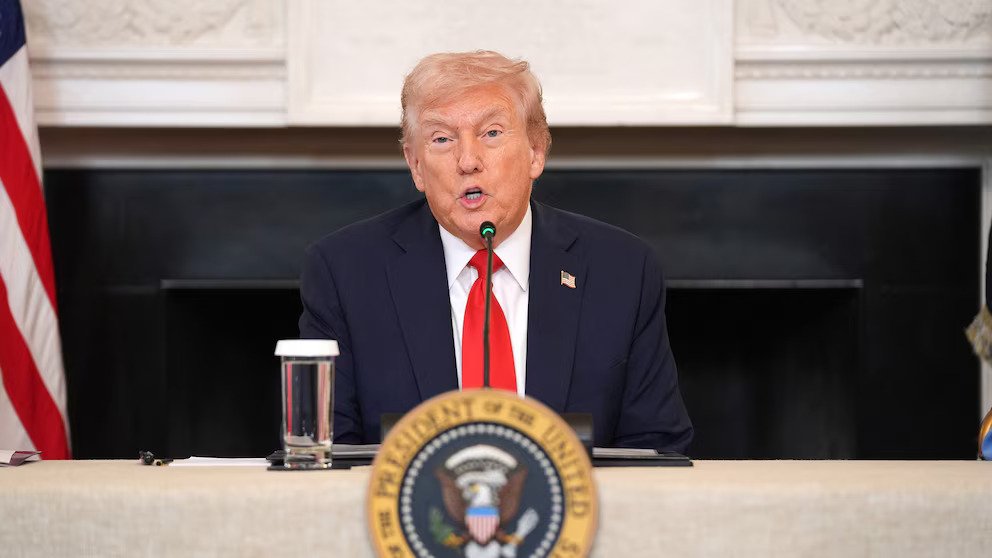
Stephens’ remarks mirror the broader Trump administration stance that domestic fossil fuel production is vital for national and international strategic interests. During a UK visit in September, former President Trump urged Britain to “drill, baby, drill,” referencing the North Sea’s significant oil reserves. “You have a great asset here… it’s called the North Sea. The North Sea oil is phenomenal,” Trump said at the time. Stephens reiterated that tapping into these reserves could reduce the UK’s dependence on imports while simultaneously lowering energy costs for businesses and households.
The ambassador also criticized Labour’s commitment to net zero policies, arguing that offshore wind farms, a symbol of the UK’s renewable energy efforts, contribute to rising electricity costs without delivering immediate energy security. Trump himself has described such wind projects as an “expensive joke,” particularly when they obstruct views from his Scottish golf courses, while maintaining that fossil fuel development remains the quickest path to energy independence.
Addressing the media, Stephens stressed that he has engaged directly with Sir Keir Starmer and government officials regarding North Sea energy policies. “There are certainly members of the Government listening to these issues,” he said. “We are beginning to see some movement toward policy adjustments, and I hope this continues.” He further argued that the UK could utilise its own oil and gas reserves rather than relying on imports from foreign suppliers, a point he considers vital to both economic growth and the country’s strategic positioning in global politics.
While Stephens emphasized the economic argument, his stance has reignited debate over the environmental and long-term implications of increased fossil fuel extraction. Labour’s Energy Secretary, Ed Miliband, has been a staunch advocate of renewable energy and net zero targets, arguing that any new drilling licences would fail to reduce energy bills and would exacerbate climate risks. “We will not grant any more licences because they will not take a penny off bills, cannot make us energy secure, and will only accelerate the worsening climate crisis,” a Labour official stated.
Despite these pledges, sources within the Cabinet suggest that Miliband may now be reconsidering additional North Sea drilling licences due to rising electricity prices and concerns over slowing economic growth. Stephens has seized on this debate to highlight what he sees as an inconsistency between Britain’s environmental ambitions and its economic needs. “I don’t think Ed Miliband is necessarily wrong in his intent,” he said, “but it’s an incorrect policy to ignore your fossil fuel reserves, both in the North Sea and onshore. Energy security and affordability must be prioritised.”
Stephens also addressed the role of renewable energy subsidies, which, while intended to encourage clean energy adoption, have contributed to higher electricity bills. “The cost of subsidising green projects is passed directly onto consumers as an additional levy on energy bills,” he explained. The ambassador suggested that redirecting these funds or adjusting taxation could make electricity more affordable and improve public uptake of technologies like electric vehicles and heat pumps, which rely on cheaper electricity to operate effectively.
Adding weight to Stephens’ argument, Nigel Topping, chair of the Climate Change Committee, recently called for levies on electricity bills to be reduced. “Cheaper electricity would encourage public uptake of electric vehicles and heat pumps,” Topping said, noting that households have been paying heavily in recent years to subsidize energy prices linked to gas costs. He urged the Government to “take some off electricity and into general taxation,” framing the move as essential for balancing energy affordability with long-term climate goals.
Stephens’ statements come amid broader discussions between the US and UK regarding strategic energy alignment. The Trump administration has long viewed energy independence as integral to international diplomacy, suggesting that Britain’s untapped fossil fuel reserves could enhance its standing as a dependable ally. Stephens emphasized that energy self-sufficiency is not only a domestic economic matter but also a strategic necessity in maintaining strong transatlantic relations.

Although the ambassador’s comments have drawn criticism from environmental advocates, they have also sparked debate among policymakers and energy experts about the practicality of balancing renewable energy goals with short-term energy security needs. The conversation highlights the tension between climate ambitions, economic pressures, and international relations, which has become increasingly salient as global energy markets face volatility and rising costs.
As the debate continues, the UK government faces the complex task of reconciling its net zero commitments with the immediate economic benefits of fossil fuel exploitation. Stephens’ statements underscore the political and strategic dimensions of this challenge, reflecting the broader discourse on energy policy in an era of global uncertainty. The ambassador concluded by reiterating the importance of utilising the North Sea’s resources prudently, arguing that a stronger, energy-secure UK would serve both its citizens and international partners more effectively.
In conclusion, Stephens’ call for increased North Sea drilling is not merely about fossil fuels; it is an appeal for economic resilience, energy affordability, and strengthened diplomatic ties with the United States. Whether the UK government will heed these recommendations remains uncertain, but the discussion has brought the intersection of energy, economics, and international relations into sharp focus.
Related News:
 Rachel Reeves Set to Break Labour Pledge and Raise Income Tax
 Thinktanks Urge Rachel Reeves to Reform UK Tax System
MPs Press Rachel Reeves to Hike Gambling Taxes
Thinktanks Urge Rachel Reeves to Reform UK Tax System
MPs Press Rachel Reeves to Hike Gambling Taxes
 Cuts to home insulation funding threaten UK climate goals
 PM Highlights UK Business at G20 in South Africa
 Starmer Says Labour’s Economic Plan Needs Years to Deliver
 Rachel Reeves Hosts Top UK and US Financial Executives as Trump’s State Visit Begins
 Farage’s Reform UK Receives £100,000 from Design Firm with Past Tax Issues
 Rachel Reeves Faces Criticism Over Appearance at Gambling Industry Event Amid Tax Review
 King Charles Earns Over £1 Million from Duchy Land Linked to Scrapped HS2 Project
 Gatwick Secures Approval for £2.2bn Second Runway Expansion
 Labour to Unveil Ambitious Plan for 12 New Towns to Tackle England’s Housing Crisis
 Kemi Badenoch Unveils ‘Golden Rule’ to Halve Spending Cuts for Deficit Reduction at Tory Conference
 Rachel Reeves urged to consider welfare cuts to boost fiscal credibility
 Tories Push to Dilute Labour’s Workers’ Rights Bill
 Rachel Reeves to lead UK trade push in Saudi Arabia amid rights debate
 Wales May Introduce Four-Day Work Week After Elections
 Green Party Surges Past Labour in Latest UK Poll
 Celebrities and Charities Demand UK Government Act on Child Poverty
 UK Small Business Owner to Challenge L’Oréal in Tribunal
 Court Hears Challenge Over Water Bills Funding Sewage Fixes
 Company linked to Michelle Mone owes £39m in tax
 Tony Blair think tank warns Rachel Reeves must cut taxes if manifesto broken
 Labour Urged to Honour Tax Pledges Ahead of Budget
 Labour Falls to Fourth in Poll, Faces Historic Election Loss
 Warning as Britons prepare to spend £4 billion this Black Friday
 Troubled drinks giant Diageo names former Tesco boss to lead turnaround push
 Millionaires group urge Reeves to introduce wealth tax to ‘lift kids out of poverty’
 Reeves’s Tax U-Turn Triggers Fresh Jitters in UK Markets
 Global markets drop amid tech sell-off and China slowdown
 Mossmorran Plant Closure Hits Cowdenbeath Hard
 UK Government Borrowing Higher Than Expected
Reeves to Crack Down on Benefit Fraud While Lifting Two-Child Limit
UK Government Borrowing Higher Than Expected
Reeves to Crack Down on Benefit Fraud While Lifting Two-Child Limit
 Minister Denies Budget Leaks Have Harmed UK Economy
Budget 2025: Reeves Drops Economic Growth Reference
Minister Denies Budget Leaks Have Harmed UK Economy
Budget 2025: Reeves Drops Economic Growth Reference
 Expanded Version – Black Friday Shoppers Warned Over ‘Dud Deals’
 English Mayors Set to Introduce Tourist Taxes
 India’s Labour Law Overhaul Sparks Fierce Debate
 Carney’s Alberta Pipeline Deal Sparks Immediate Pushback
 Black Friday Footfall Falls as UK Shoppers Hold Back Amid Economic Concerns
 Rising Water Bills Lift Troubled Thames Back to Profit
 Modi’s London Visit Seals Historic UK-India Trade Pact Amid Global Tensions
 Chancellor Faces Mounting Pressure Amid “Impossible Trilemma” Over Tax Rises
 Chancellor Rachel Reeves Pushes for Sweeping Changes to Environmental Protections to Accelerate Development
 Larger Families Could Gain Thousands if Labour Ends Two-Child Benefit Cap
 Inflation Latest: Cost of Living Expected to Rise Again in Key Figures Released Today
 Retail Sales See Uptick Amid Errors and Delays as ONS Faces Scrutiny
 UK House Prices Hit Record £299,331 as Market Shows Steady Growth
Shein UK Faces Allegations of Shifting Majority of Profits to Singapore to Reduce UK Tax
UK House Prices Hit Record £299,331 as Market Shows Steady Growth
Shein UK Faces Allegations of Shifting Majority of Profits to Singapore to Reduce UK Tax
 UK Retail Sales Rise in August, but Tax Concerns Loom Over Festive Period
 UK Labour Market Shows Signs of Cooling as Wage Growth Slows and Redundancies Rise
 Vodafone Franchisees Sound Alarm: Mental Health Toll of Commission Cuts Revealed Years Before £120m Court Battle
 UK Government Backs Return of International Rail Travel to Kent Stations
 Marks & Spencer Staff to Work on Boxing Day for First Time in Five Years Amid Cost-Cutting Measures
 Senior Tories Condemn Badenoch’s Vow to Repeal Climate Change Act as Catastrophic
 Real living wage set to rise nearly 7% for UK workers in 2026
Reeves Faces Setback as Labour May Miss Homes Target
Real living wage set to rise nearly 7% for UK workers in 2026
Reeves Faces Setback as Labour May Miss Homes Target
 Virgin Trains Moves Closer to Challenging Eurostar Monopoly
 FBI Director Kash Patel Defends Girlfriend Amid Government Jet Claims
 ABF May Split Primark from Food Division Amid Tough Market
 Oprah enjoys Meghan’s jam on English muffins
 Boris Johnson accused of undermining BBC leadership
 ‘Reckless’ cuts to victims’ services will cost more than they save
 Starmer Faces Growing Dissent as Labour MPs Weigh Leadership Challenge
 UK toy market enjoys bumper year as ‘kidults’ fuel demand
 Politics latest: Starmer ‘will fight any leadership coup’ as Streeting denies attempt to oust Labour PM
 Skims Eyes Global Expansion After Reaching $5 Billion Value
 Peers Flood Assisted Dying Bill with 942 Amendments
 England’s Special Needs Support Faces Breaking Point
 MoD warned over Excel risks before Afghan data breach
 UK Asylum Overhaul Sparks Debate Over Human Rights and Deportations
 UK Warns China After MI5 Issues Espionage Alert
 Labour Faces Historic Decline in Wales
 Kate Forbes: Motherhood Harder Than Politics
 Most Tories Expect to Support a Farage-Led Government
 Steel billionaire Lakshmi Mittal reportedly leaves UK
 Labour MP claims devolution bill is ‘blatant discrimination’ against Cornwall
 Millions Face Higher Taxes Under Reeves New Budget
 Peers Get Extra Time to Debate Assisted Dying Bill
 Virgin Media Fined £23.8m Over Telecare Safety Failures