Published: 25 November 2025. The English Chronicle Desk. The English Chronicle Online
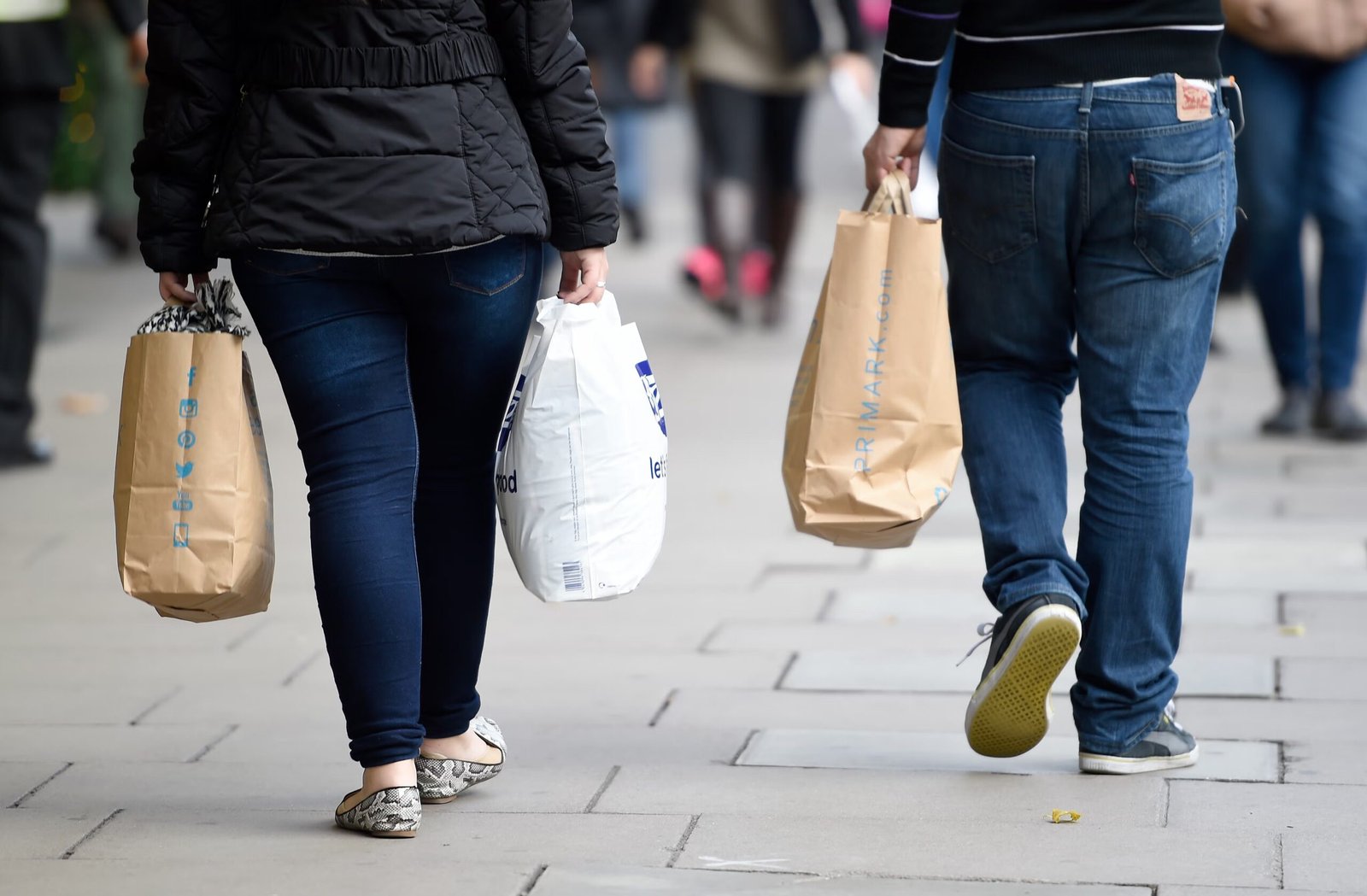
Shoppers are being urged to exercise caution this Black Friday, as consumer group Which? has raised concerns over misleading deals at major retailers. Their latest investigation reveals that the majority of products marketed as Black Friday bargains are, in fact, not the best prices of the year. The findings suggest that eight in ten deals are either the same as, or more expensive than, prices offered at other times.
The research compared 175 products across home, tech, and health categories from eight major UK retailers. Which? discovered that 83 percent of items were cheaper or at least the same price outside the four-week Black Friday period in 2024. John Lewis emerged as the worst offender, with 94 percent of products analysed available at the same or lower price at other points during the year. More than half of these items were found to be cheaper at some stage.

For example, a Samsung vacuum cleaner listed at £350 on Black Friday had previously been sold for £299 over nearly a month in May and June 2024. Another example involved a Samsung washing machine priced at £399 during Black Friday, though it was available at the same price or cheaper on 108 separate occasions throughout the year. Very, Amazon, AO, and Argos were also criticised for offering deals that were not genuine bargains, with percentages of products available at lower prices ranging from 79 to 93 percent. The best performer was Richer Sounds, where 55 percent of items were cheaper or the same price at other times, suggesting a higher likelihood of authentic deals.
One factor contributing to misleading deals is the use of Recommended Retail Prices (RRPs). Retailers sometimes set RRPs artificially high to make discounts appear more substantial. Which? highlighted the example of an Oral B electric toothbrush sold at Boots for £25, marketed as “save £25, RRP £50.” However, the product had been cheaper or the same price for more than 96 percent of the year, with the £50 RRP only in place for 13 days in the six months prior to the sale.
Reena Sewraz, retail editor at Which?, said: “Our research exposes the harsh truth: for the majority of shoppers, Black Friday is a false economy. Retailers rely on hype and urgency to push products that are the same price, or even cheaper, at other times. There are good deals to be found, but they are few and far between. Our experts sift through thousands of deals every day to identify genuine bargains. Take your time, don’t be fooled by clever marketing, and do your research.”
The investigation into Black Friday pricing comes amid growing scrutiny of retailer practices in the UK. Consumer advocacy groups have repeatedly raised concerns over the manipulation of discounts, misleading promotions, and the use of psychological marketing techniques designed to create a sense of urgency. These techniques often pressure shoppers into making impulsive purchases, fearing that deals will disappear.
Retailers have defended their Black Friday pricing strategies. John Lewis said: “Our customers can find brilliant deals with us all year round, but our Black Friday event brings together a unique breadth and volume of offers that cannot be found at any other time. Our Never Knowingly Undersold brand promise ensures customers are confident they are getting fantastic value.”
Amazon emphasised its commitment to everyday price-matching, stating: “While Which? analysed only 24 products, Amazon’s Black Friday event offers hundreds of thousands of deals. Customers can find excellent value both during seasonal events and throughout the year.” AO added: “Black Friday has become a month-long promotion. It remains a brilliant opportunity for customers to snap up deals ahead of Christmas, while year-round deals are also available.”
Argos and Boots echoed similar sentiments. Argos highlighted its Black Friday Price Promise, ensuring customers that products are at their lowest prices for six months before and after the event. Boots emphasised discounts across over 20,000 products during Black Friday, noting that seasonal promotions do not preclude year-round deals. Currys said: “We are proud to be recognised for our pricing transparency and share Which?’s commitment to consumer trust. For 2025, Currys will lead the charge with a ‘Lowest Ever Price’ guarantee on all Black Friday deals.”
Experts note that shoppers often fall prey to Black Friday marketing tactics due to the perceived scarcity of products. Flash sales, limited stock alerts, and countdown timers create a sense of urgency, pushing consumers to make purchases without fully comparing prices. This can lead to overspending or regret when similar products are available for lower prices at other times.
The history of Black Friday in the UK has evolved rapidly. Initially imported from the United States, the shopping event has grown into a major retail phenomenon, extending beyond a single day to cover weeks of pre-Christmas promotions. While originally associated with electronics and home appliances, Black Friday now spans nearly every retail category, from fashion to groceries, making it one of the busiest shopping periods of the year.
Despite the hype, Which? urges shoppers to take a methodical approach. Checking historical prices, reading reviews, and comparing offers across multiple retailers are essential steps to ensure that purchases represent genuine value. Shoppers are also encouraged to be wary of retailers inflating RRPs to exaggerate discounts.
Industry analysts have noted that the proliferation of online shopping and dynamic pricing algorithms has made Black Friday more complex. Many retailers use sophisticated pricing software that adjusts prices in real-time based on supply, demand, and competitor activity. While this can create opportunities for genuine bargains, it also increases the likelihood of misleading deals if consumers fail to research prices beforehand.

Ultimately, Which?’s report highlights that consumer vigilance is more important than ever. While there are still genuine bargains to be found, shoppers must remain cautious and informed to avoid being misled by marketing tactics. The group recommends that consumers focus on products they genuinely need, set budgets, and avoid the psychological pressures of time-limited deals.
As the Black Friday shopping period approaches, this research serves as a timely reminder that not all discounted products represent the savings they claim to be. Savvy consumers who conduct due diligence, monitor prices, and compare offers across multiple retailers will have the best chance of securing authentic bargains while avoiding the pitfalls of inflated discounts and “dud deals.”
Related News:
 UK Small Business Owner to Challenge L’Oréal in Tribunal
 Court Hears Challenge Over Water Bills Funding Sewage Fixes
 Thinktanks Urge Rachel Reeves to Reform UK Tax System
 Tony Blair think tank warns Rachel Reeves must cut taxes if manifesto broken
MPs Press Rachel Reeves to Hike Gambling Taxes
Tony Blair think tank warns Rachel Reeves must cut taxes if manifesto broken
MPs Press Rachel Reeves to Hike Gambling Taxes
 Warning as Britons prepare to spend £4 billion this Black Friday
 Troubled drinks giant Diageo names former Tesco boss to lead turnaround push
 Global markets drop amid tech sell-off and China slowdown
 UK Government Borrowing Higher Than Expected
 Minister Denies Budget Leaks Have Harmed UK Economy
 Budget 2025: Reeves Drops Economic Growth Reference
 Black Friday Footfall Falls as UK Shoppers Hold Back Amid Economic Concerns
 Rising Water Bills Lift Troubled Thames Back to Profit
 Bank of England Poised to Cut Interest Rates Amid Rising Unemployment and Global Trade Pressures
 Non-Dom Tax Crackdown Risks Backfiring as Exodus Threatens UK Revenue and Investment
 Inflation Latest: Cost of Living Expected to Rise Again in Key Figures Released Today
 Energy Users Could Save £5bn Annually if Gas Power Plants Are Removed from Market
 Retail Sales See Uptick Amid Errors and Delays as ONS Faces Scrutiny
 UK House Prices Hit Record £299,331 as Market Shows Steady Growth
Shein UK Faces Allegations of Shifting Majority of Profits to Singapore to Reduce UK Tax
UK House Prices Hit Record £299,331 as Market Shows Steady Growth
Shein UK Faces Allegations of Shifting Majority of Profits to Singapore to Reduce UK Tax
 UK Retail Sales Rise in August, but Tax Concerns Loom Over Festive Period
 Vodafone Faces Fourth Probe into Franchising Division Amid £120m Legal Battle
 John Lewis Partnership Posts £88m Loss as Costs and Restructuring Bite
 UK Economy Flatlines in July, Raising Pressure on Rachel Reeves Ahead of Autumn Budget
Business Rates Hike Could Threaten Hundreds of UK Retailers, Putting 100,000 Jobs at Risk
UK Economy Flatlines in July, Raising Pressure on Rachel Reeves Ahead of Autumn Budget
Business Rates Hike Could Threaten Hundreds of UK Retailers, Putting 100,000 Jobs at Risk
 Rachel Reeves Hosts Top UK and US Financial Executives as Trump’s State Visit Begins
 UK Labour Market Shows Signs of Cooling as Wage Growth Slows and Redundancies Rise
 UK Wage Growth Remains High, But Cost of Living Pressures Bite
UK Inflation Holds Steady at 3.8% as Rising Fuel Costs Offset Falling Air Fares
UK Wage Growth Remains High, But Cost of Living Pressures Bite
UK Inflation Holds Steady at 3.8% as Rising Fuel Costs Offset Falling Air Fares
 Ben & Jerry’s Co-Founder Resigns, Accusing Unilever of Silencing Brand’s Social Mission
 UK Borrowing Surges to £18bn in August, Exceeding Forecasts
 Farage’s Reform UK Receives £100,000 from Design Firm with Past Tax Issues
Rachel Reeves Faces Criticism Over Appearance at Gambling Industry Event Amid Tax Review
Farage’s Reform UK Receives £100,000 from Design Firm with Past Tax Issues
Rachel Reeves Faces Criticism Over Appearance at Gambling Industry Event Amid Tax Review
 Dagenham Left in Limbo After Smithfield and Billingsgate Market Relocation Cancelled
 Gatwick Secures Approval for £2.2bn Second Runway Expansion
 Retailers Warn Tax Rises Could Prolong Inflation as Shop Prices Climb
UK Housing Market Returns to Growth Amid Signs of Stability and Regional Variation
Retailers Warn Tax Rises Could Prolong Inflation as Shop Prices Climb
UK Housing Market Returns to Growth Amid Signs of Stability and Regional Variation
 Richard Desmond Begins High Court Battle Over National Lottery Licence
 Delivery Apps Could Double the Cost of Your Groceries, Warns Consumer Watchdog
 Jaguar Land Rover to Resume Production After Cyber-Attack, Launches Supplier Support Scheme
 Kemi Badenoch Unveils ‘Golden Rule’ to Halve Spending Cuts for Deficit Reduction at Tory Conference
 Gold Hits Historic $4,000 Amid Global Uncertainty
 UK GDP edges up 0.1% in August as Reeves faces budget pressure
 Rachel Reeves urged to consider welfare cuts to boost fiscal credibility
 UK inflation update: New rate expected as Budget approaches
 Real living wage set to rise nearly 7% for UK workers in 2026
 Co-op Urged Staff to Promote Vapes After Cyber-Attack Hit Sales
 Rachel Reeves to lead UK trade push in Saudi Arabia amid rights debate
 Aston Martin cuts £300m investment as Trump tariffs and weak China demand hit profits.
 Trump’s UK Ambassador Urges North Sea Drilling to Strengthen US Ties
 Millions of Brits Adjust Lifestyle to Afford Essentials
Rachel Reeves Set to Break Labour Pledge and Raise Income Tax
Millions of Brits Adjust Lifestyle to Afford Essentials
Rachel Reeves Set to Break Labour Pledge and Raise Income Tax
 Gopichand Hinduja, UK’s Wealthiest Business Leader, Dies
 M&S Profits More Than Halve After Cyber-Attack
 Labour Urged to Honour Tax Pledges Ahead of Budget
 Cuts to home insulation funding threaten UK climate goals
 Millionaires group urge Reeves to introduce wealth tax to ‘lift kids out of poverty’
 Taylor Wimpey Sales Drop Amid Budget Uncertainty
 Reeves’s Tax U-Turn Triggers Fresh Jitters in UK Markets
 PM Highlights UK Business at G20 in South Africa
 Eurotunnel Investment Halted as UK Rates Soar
 Mossmorran Plant Closure Hits Cowdenbeath Hard
 UK Energy Bills to Rise Slightly in January
 Steel billionaire Lakshmi Mittal reportedly leaves UK
 Starmer Says Labour’s Economic Plan Needs Years to Deliver
 China’s crackdown on civil servant perks sparks economic concerns
 Vodafone Franchisees Sound Alarm: Mental Health Toll of Commission Cuts Revealed Years Before £120m Court Battle
 UK Government Backs Return of International Rail Travel to Kent Stations
 GSK Chief Executive Emma Walmsley to Step Down After Eight Years at the Helm
 Marks & Spencer Staff to Work on Boxing Day for First Time in Five Years Amid Cost-Cutting Measures
 UK households brace for October benefit payments and rising energy costs amid cost-of-living pressures
Reeves Faces Setback as Labour May Miss Homes Target
UK households brace for October benefit payments and rising energy costs amid cost-of-living pressures
Reeves Faces Setback as Labour May Miss Homes Target
 Virgin Trains Moves Closer to Challenging Eurostar Monopoly
 Green Party Surges Past Labour in Latest UK Poll
 Celebrities and Charities Demand UK Government Act on Child Poverty
 Ryanair Chief UK Economy ‘Doomed’ Under Labour
 ABF May Split Primark from Food Division Amid Tough Market
 Skims Eyes Global Expansion After Reaching $5 Billion Value
 India’s Labour Law Overhaul Sparks Fierce Debate
 Virgin Media Fined £23.8m Over Telecare Safety Failures