Published: 08 December 2025. The English Chronicle Desk. The English Chronicle Online.
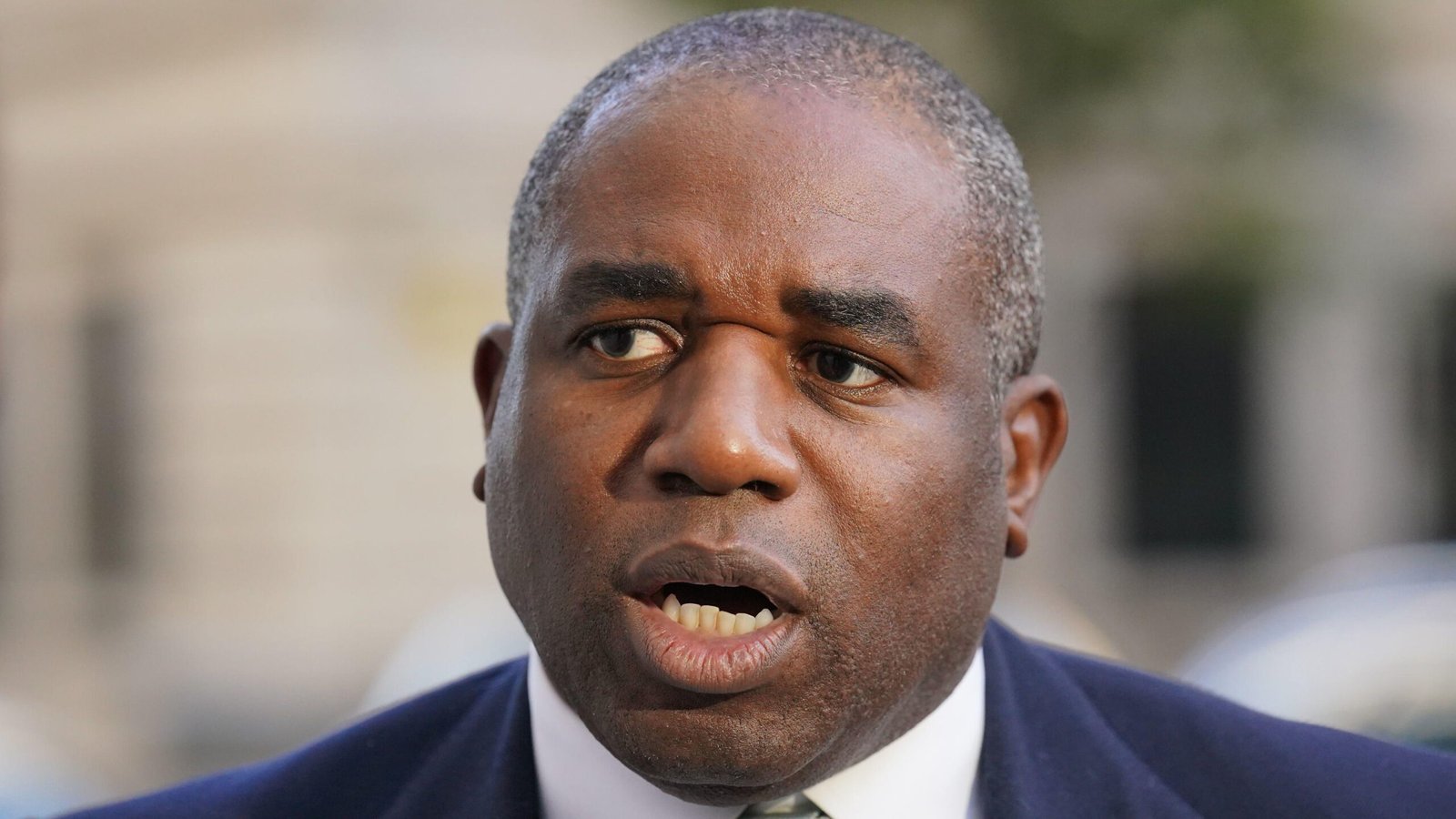
The United Kingdom will no longer serve as a safe harbour for dirty money laundered by dictators, oligarchs, and corrupt elites. That stark promise will come directly from David Lammy, the justice secretary and deputy prime minister, when he unveils a sweeping new anti-corruption strategy in London on Monday. Speaking with the authority of someone who has seen kleptocracy up close during his time as foreign secretary, Lammy will declare that Britain’s trusted financial system has been exploited for too long. Now, he says, the country is fighting back.
At the heart of the plan lies a clear message: London must stop being the destination of choice for illicit wealth. The National Crime Agency estimates that more than £100 billion is laundered through or within the UK every single year. Much of that money arrives hidden in property, cryptocurrencies, gold, and complex trust structures. A small army of professional enablers – lawyers, accountants, and advisers – helps make it disappear. Lammy intends to dismantle that network.

One of the most immediate steps will strengthen law enforcement. The elite domestic corruption unit at the City of London Police, which already targets bribery inside financial services and public bodies, will receive £15 million in fresh funding. The cash will allow the unit to grow in size and capability so that investigators can pursue more cases at greater speed. Officers will gain sharper tools to trace money that moves through anonymous companies and offshore accounts.
Another flagship measure will see Britain host a global summit on illicit finance, possibly as early as next year. Leaders, regulators, and law enforcement from across the world will gather to confront the modern tricks used by money launderers. Cryptocurrencies, precious metals, and luxury London property will sit high on the agenda. Ministers believe international cooperation remains the only way to close loopholes that criminals exploit with ease.
Margaret Hodge, the respected former Labour MP and long-time anti-corruption campaigner, has been handed a crucial role. She will chair an independent review into stolen assets hidden in the UK. Her task is to identify every weak point that allows illegitimate wealth to flow in and stay hidden. One early target will be trusts, which remain far harder to see through than company ownership registers introduced in recent years. Recommendations from the review are expected to feed directly into new laws.
Professional enablers will face far tougher scrutiny. The government wants the National Crime Agency to take a more aggressive stance against those who build the legal and financial architecture for corrupt clients. New sanctions powers are under active consideration. At the same time, the Financial Conduct Authority will receive expanded authority to police accountants, estate agents, and other service providers that have sometimes turned a blind eye to suspicious money.
Transparency in public life will also improve. Political donations and local council contracts have long attracted concern. Lammy will pledge fresh safeguards so that taxpayers can see exactly who funds parties and who wins lucrative public work. The changes aim to rebuild trust at a time when faith in institutions has been battered by scandal after scandal.
The justice secretary will link the fight against dirty money to broader national security threats. He saw first-hand, while foreign secretary, how kleptocrats bleed their own countries dry and then use stolen billions to prop up authoritarian regimes. Some of that cash has directly fuelled Russia’s war against Ukraine. Networks of shell companies and crypto wallets, he will argue, spread across borders like a stain – and too many trails still lead back to London.
Perhaps the most controversial element will be Lammy’s renewed push to remove jury trials in the most complex fraud cases. He believes specialist judges alone can properly understand the mountains of financial evidence that juries often struggle to follow. Faster justice, delivered by experts who know every laundering trick, will send an unmistakable signal to criminals: Britain is no longer an easy mark.

The crackdown will not stop at the private sector. Lammy will turn his attention to corruption inside public services themselves. A small minority of police, prison, and border officers have accepted bribes that allow drugs, weapons, and dangerous criminals to slip through the net. Such betrayal, he will say, eats away at the trust that frontline services desperately need. New measures will aim to root out those individuals and protect the overwhelming majority who serve with integrity.
Taken together, these steps mark one of the most ambitious attempts in years to clean up Britain’s reputation. For too long, critics at home and abroad have branded London the money-laundering capital of the world. David Lammy wants to change that story for good. When he stands up on Monday, his audience will hear a simple but powerful commitment: this country will no longer be a haven for dirty money, and those who try to make it one will face the full force of a determined state.
Related News:
 Tragedy in County Fermanagh: Woman and Two Children Named as Victims in Northern Ireland Shooting
 Tasers Introduced in UK Prisons to Combat Rising Violence and Protect Staff
 Northern Ireland Family of Three Shot Dead in Maguiresbridge Home Incident
 Southport Stabbing Survivor Speaks Out: ‘I Thought I Was Going to Die’
 West End Exposed as London’s Knife Crime Epicentre Amid Alarming Surge in Violence
 Targeted Attack in Bury Sparks Murder Investigation as Community Awaits Justice
 Man Remanded After Children Fall Ill at Leicestershire Summer Camp in Shocking Child Cruelty Case
 Two Decades Without Justice: The Lingering Shadow of Lucy Hargreaves’ Murder and the Hunt for Kevin Parle
 Tragedy in Cambridge: Two Arrested Over Fatal Assault of International Student
 AI Revolutionises Grooming Gang Investigations as Police Target Cold Cases Across England and Wales
 Mind the Grab’: Bold Campaign Launched on Oxford Street to Combat Phone Theft
 Police Prepare for Potential Disorder as Far-Right Groups Promote Anti-Migrant Protests Across England
 Mass Arrests in London as Protest Defies Ban on Palestine Action
 FBI and NSPCC Sound Alarm Over Alarming Surge in Child Sextortion Cases Online
 Appalling Rise in Pharmacy Crimes: Staff Face Increasing Theft and Aggression
 Alarming rise in abusive teen relationships in the UK sparks urgent warnings
 Police Advised to Disclose Ethnicity of Suspects in High-Profile Cases
 Mother of Olivia Pratt-Korbel Issues Powerful Gun Crime Plea
 Merseyside Police Helicopter Crew Cleared After Low-Altitude Pursuit of Suspect
 Akinwale Arobieke Found Dead at Liverpool Home
 Survivor of Minneapolis School Shooting Identified as 13-Year-Old Endre Gunter, Recovering After Surgery
 UK Police Face ‘Chronic Pressure’ Amid Surge in Protests Over Asylum and Gaza
 US Podcaster Helps Land “Queen of the Con” Behind Bars in Northern Ireland
 UK Mobile Retailers Lock Doors Amid Surge in Organised Phone Thefts
 UK Launches Major Crackdown on Networks Profiting from Online Child Sexual Abuse
 Prime Suspect in Madeleine McCann Case Declines Metropolitan Police Interview Ahead of German Prison Release
 Teenager in Critical Condition Following Shooting Outside Wembley Stadium
 Police Appeal for Witnesses After Woman Raped in Oxfordshire Churchyard
 Six Minutes of Terror: How Manchester Synagogue Attack Unfolded
 No Evidence Found to Substantiate Alleged Rape in Oxfordshire Churchyard, Police Confirm
 Stephen Lawrence’s Father Demands Justice Before Killer’s Parole
 Massive London Poundland Fire Engulfs High Street
 Cooper Unveils £4m Cyber Plan Against Russian Hackers
 Ambulance Worker Fired After Flinging Amputee from Wheelchair and Offering Bribe
 Madeleine McCann Detectives to Testify Against Woman Accused of Stalking the Family
 Paedophile Singer Ian Watkins Dies After Prison Attack
 Ian Watkins Killed in Prison; Ex-Girlfriend Speaks Out
DNA Test Confirms Alleged Stalker Is Not Madeleine McCann
Ian Watkins Killed in Prison; Ex-Girlfriend Speaks Out
DNA Test Confirms Alleged Stalker Is Not Madeleine McCann
 Lisbon Transport Board Resigns After Deadly Funicular Crash
 Peterborough Mosques Tighten Security After Attack
 Badenoch Warns Farage’s Grooming Gangs Plan Could Backfire
 Afghan man charged with murder after west London knife attack
 Mass Stabbing on Doncaster to London Train Leaves Ten Injured
 FBI Director Kash Patel Defends Girlfriend Amid Government Jet Claims
 Police Probe Four Knife Incidents Linked to Cambridgeshire Train Attack
 French Taxi Driver Cleared in David Lammy Theft Case After Fare Dispute
 UK Bans Fake Numbers: Scammers Lose Their Trick
 Just Stop Oil Protesters Convicted Amid Climate Defence Row
 Jailed UK climate protesters face extremist-style restrictions
 How to get help when a child goes missing – call 999 urgently
 ‘Reckless’ cuts to victims’ services will cost more than they save
 Madeleine McCann Suspect Forced into Woodland Hideout After Release
 South Korea’s Jeju Island Faces Rising Tide of Illicit Drugs
 New review urges UK to repatriate Shamima Begum, others from Syria
 Neighbors hesitated to report Sara Sharif’s abuse over fear of being labeled racist
 Oklahoma Governor Grants Last-Minute Clemency to Death Row Inmate
 Rio Raid’s Death Toll Raises Questions About Gang Impact
 Israel Confirms Returned Hostage as Meny Godard
 Indian authorities demolish Kashmir home linked to Red Fort blast
 Delhi Car Bomb Arrest: Suspect Linked to Deadly Attack
 New Evidence Emerges in Haditha Family Killings
 Criminal Gangs Pose as Truckers to Hijack UK Supply Chains
 UK Candidate Moved to Safe House After Election Threats
 Mother Watches in Horror as Teen Daughter Dies on Tracks
 Charlotte Raids: 130 Arrested in Major Immigration Sweep
 South African Detained After Neo-Nazi Rally in Australia
 The Lasting Legacy of Seven: Crime, Morality, and Urban Decay
 Serial Rapist and Former Cop Found Guilty Again
 Man Charged Over Attempted Murder of Senior Officer
 Two Officers Injured After Van Deliberately Rams Patrol Car
 Man Denies Stealing Bronze Age Gold from Museum
 Ex-Olympian Snowboarder Now Drug Kingpin Charged with Murder
 Venezuela Threatens Nobel Winner Machado with Fugitive Status
 Runaway Driver Caught by DNA Evidence
 Trump Envoy to Discuss Ukraine Peace at Kremlin
 Twenty-Four Nigerian Schoolgirls Freed After Abduction
 Two National Guard Soldiers Critically Injured Near White House
 Southern Lebanon reels as Israeli strikes shatter communities
 Video shows Israeli troops kill Palestinians after surrender
 King Charles Pledges to Defend Europe Against Russia