Published: 04 August ‘2025 | The English Chronicle Desk
Nearly two months after the devastating crash of Air India Flight 171, the anguish for many bereaved families in the UK continues — not only from the loss of loved ones, but from disturbing revelations surrounding the handling of their remains. Among the 241 passengers who lost their lives in the 12 June tragedy were 53 British nationals, many of whom have only recently been laid to rest due to prolonged repatriation delays and, in at least one case, a harrowing mistake.
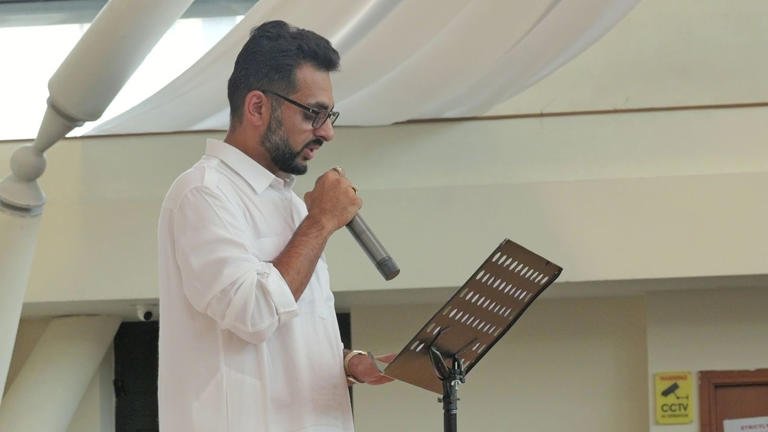
In a deeply emotional memorial service held in Wembley, more than 300 mourners gathered to remember victims from London’s Gujarati community. Miten Patel, who lost both his parents — Ashok and Shobhana Patel — in the crash, stood before the grieving crowd wearing his father’s emerald ring, recovered miraculously from the wreckage. Though the ring found its way back home, the repatriation of the remains carried a far more painful story.

Miten’s parents were among the first victims to be brought back to the UK. But as he shared with mourners and Sky News, a routine CT scan revealed that his mother’s casket contained remains that were not hers. “When they were back home, the first thing that they did was a CT scan,” he explained. “And that’s when it came about — the CT scan showed that with mum’s remains, there were further remains there too. I don’t know what they were. I don’t know how many.”
This shocking discovery delayed the family’s ability to hold the funeral, denying them a timely moment of closure. Miten expressed his gratitude to Professor Fiona Wilcox, the senior coroner at Inner West London Coroner’s Court, for delivering the news with care and sensitivity. But the emotional toll on his family was profound. “I think there should be a level of responsibility taken. Why did that happen? Where was the flaw in that process?” he asked, acknowledging the overwhelming challenges faced by authorities managing hundreds of victims’ remains in the aftermath of such a catastrophe.
Ashok Patel had worked as a financial adviser and Shobhana was a retired microbiologist. Their funeral was eventually attended by hundreds, a reflection of their impact within their community. For Miten, as the eldest son, the responsibility of organising the farewell was compounded by the distress and uncertainty caused by the remains mix-up.
In response to the concerns raised, Indian government spokesperson Randhir Jaiswal assured the public that authorities were following strict protocols. “All mortal remains were handled with utmost professionalism and with due regard for the dignity of the deceased,” he said. “We are continuing to work with the UK authorities on addressing any concerns related to this issue.”

The crash, which occurred just minutes after take-off from Ahmedabad en route to London Gatwick, sent shockwaves around the world. Images of the burning wreckage were shared globally within moments, triggering panic among families waiting for news. In the UK, relatives scrambled for answers, many unable to reach their loved ones, as the tragic reality slowly emerged.
While the world has begun to move on from the headlines, the pain for those left behind remains raw. For families like the Patels, the journey toward healing has been marred by confusion, grief, and unanswered questions — a reminder that the human cost of such disasters extends far beyond the initial moment of tragedy.
Related News:
 The Ketamine Crisis in the UK is a Silent Epidemic Leaving Users with Lifelong Pain
 Wethersfield Controversy Deepens as Asylum Seeker Numbers Set to Surge by 50%
 Prince Harry Cleared of Bullying Allegations Amid Charity Dispute Fallout
 Woman Warned She Might Need Leg Amputation to Survive After Liquid Brazilian Butt Lift
 FBI and NSPCC Sound Alarm Over Alarming Surge in Child Sextortion Cases Online
 Russell T Davies Warns of Declining UK Gay Rights Amid Rise of Reform UK and Trump Influence
 Alarming rise in abusive teen relationships in the UK sparks urgent warnings
 Inquest Finds Agency Worker Failings Led to Unlawful Death of Vulnerable 14-Year-Old
 Shocking Rise in Children’s Exposure to Violent Online Pornography Raises Alarm
 EuroMillions Record-Breaking £210m Jackpot Won by Lucky Lottery Ticket Holder
 Millie Bobby Brown and Jake Bongiovi Begin Parenthood Through Adoption
 Human Remains Discovered in Lancashire May Be Those of Children, Police Say
 Akinwale Arobieke Found Dead at Liverpool Home
 Why E-Bikes and E-Scooters Are Making Streets a ‘Nightmare’ for Blind People
 UK Warned It’s on Course to Fail in Efforts to Wipe Out Bovine TB
 Millions of UK Phones to Receive Nationwide Emergency Alert Test on Sunday
 UK Retail Sales Rise in August, but Tax Concerns Loom Over Festive Period
 Norfolk Hospital Ranked Worst in England as NHS League Tables Return
 Britain’s Butterfly Numbers Rebound but Remain Average
 More Than Half of UK Births Now Involve Medical Intervention
 Oxford Union Condemns President-Elect’s Comments Following Charlie Kirk Shooting
 UK Wage Growth Remains High, But Cost of Living Pressures Bite
 UK Doctors Guilty of Sexual Misconduct Continue Practising Amid Weak Sanctions, Research Finds
 Corbyn and Sultana Clash Over Membership Portal as Divisions Surface in New Leftwing Party
Zarah Sultana Seeks Legal Action After Bitter Clash with Jeremy Corbyn Over Party Membership Funds
Corbyn and Sultana Clash Over Membership Portal as Divisions Surface in New Leftwing Party
Zarah Sultana Seeks Legal Action After Bitter Clash with Jeremy Corbyn Over Party Membership Funds
 Dagenham Left in Limbo After Smithfield and Billingsgate Market Relocation Cancelled
 Ministers Consider Granting Mayors Oversight of Schools and Hospitals in Major Devolution Push
 Heavy Drinkers Lead Growth in Non-Alcoholic and Low-Alcohol Market
 Patricia Crowther, Known as UK’s Oldest Witch, Dies Aged 97
 Starmer Unveils Plan for NHS “Online Hospital” to Tackle Waiting Lists
 A Third of EU Citizens in UK Report Discrimination by Public Bodies Post-Brexit
 Marks & Spencer Staff to Work on Boxing Day for First Time in Five Years Amid Cost-Cutting Measures
 UK households brace for October benefit payments and rising energy costs amid cost-of-living pressures
 Jilly Cooper: The Bonkbuster Queen Who Redefined Romantic Fiction
 Celebrity Traitors First Look: A Star-Studded Highland Adventure That Hooks from the Start
 Majority of UK Men Would Opt for Prostate Cancer Screening, Survey Finds
 Ambulance Worker Fired After Flinging Amputee from Wheelchair and Offering Bribe
 Women Challenge Meta Over Targeted Ads After Miscarriage
 Mum’s Final Wish: Donating Her Body to Science
 UK Woman Becomes Longest Survivor of Heart-Lung Transplant
£18 Prostate Cancer Test Could Save Thousands of Lives
UK Woman Becomes Longest Survivor of Heart-Lung Transplant
£18 Prostate Cancer Test Could Save Thousands of Lives
 Pregnant Women in England Face Rising Risk of Severe Birth Injury
 One in 12 Secondary Pupils Sent to Isolation Weekly
 Lotto result jackpot draw halted due to technical glitch
 UK Health Leaders Push for Urgent Tobacco & Vape Bill
 Prince Andrew May Leave Royal Lodge for Frogmore Cottage
 King Charles Heckled Over Prince Andrew-Epstein Links
 Prunella Scales: From Fawlty Towers Icon to Beloved Canal Explorer
 Hospice Cuts Raise Alarm Across England Amid Funding Crisis
 UK Woman Loses Child Benefit After Booking Flight She Never Took
 UK launches search for first-ever ‘town of culture’ to highlight overlooked areas
 Mass Stabbing on Doncaster to London Train Leaves Ten Injured
 Children to Learn Local History in Major Curriculum Overhaul
 Experts Warn on Home Birth Risks, Call for Skilled Midwives
 The Lowry Hotel: Manchester’s Iconic Five-Star Retreat
 Prince William Plants Trees with Brazil’s Nature Heroes
 Greta Thunberg Backs Student Facing UK Visa Revocation
 Oprah enjoys Meghan’s jam on English muffins
 Newcastle United Lifts Ban on Fan Over Gender-Critical Views
 Jailed UK climate protesters face extremist-style restrictions
 How to get help when a child goes missing – call 999 urgently
 ‘Reckless’ cuts to victims’ services will cost more than they save
 UK toy market enjoys bumper year as ‘kidults’ fuel demand
 Politics latest: Starmer ‘will fight any leadership coup’ as Streeting denies attempt to oust Labour PM
 Son Reveals UK Couple in Iran Resort to Hunger Strike for Help
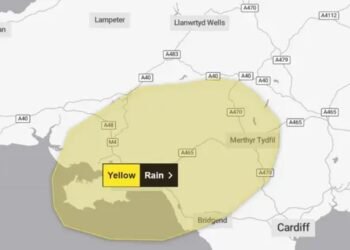 New weather warning issued with risk of flooding
 UK Asylum Overhaul Sparks Debate Over Human Rights and Deportations
 Mum Calls for New Licence Rules After Teen Road Death
 £1 Breakfast Club Brings Parents Together in Sheffield
 Mother Watches in Horror as Teen Daughter Dies on Tracks
 ‘Traumatic Wait’: Northern Ireland Women Face Breast Cancer Delays
 Commuters warned as yellow snow and ice alert hits Northern Ireland
 Kate Forbes: Motherhood Harder Than Politics
 Coffins Now Too Large to Cremate Amid Rising Obesity Crisis
 Labour MP claims devolution bill is ‘blatant discrimination’ against Cornwall
 Fibromyalgia Patients Struggle as NHS Fails to Provide Care
 Machynlleth High Street Left Without Christmas Lights
 Search underway for British man overboard off Tenerife
 “Enough is Enough”: Local MP Vows to Fight Rainham Quarry Plans
 Virgin Media Fined £23.8m Over Telecare Safety Failures