Published: 12 May 2026. The English Chronicle Desk. The English Chronicle Online.
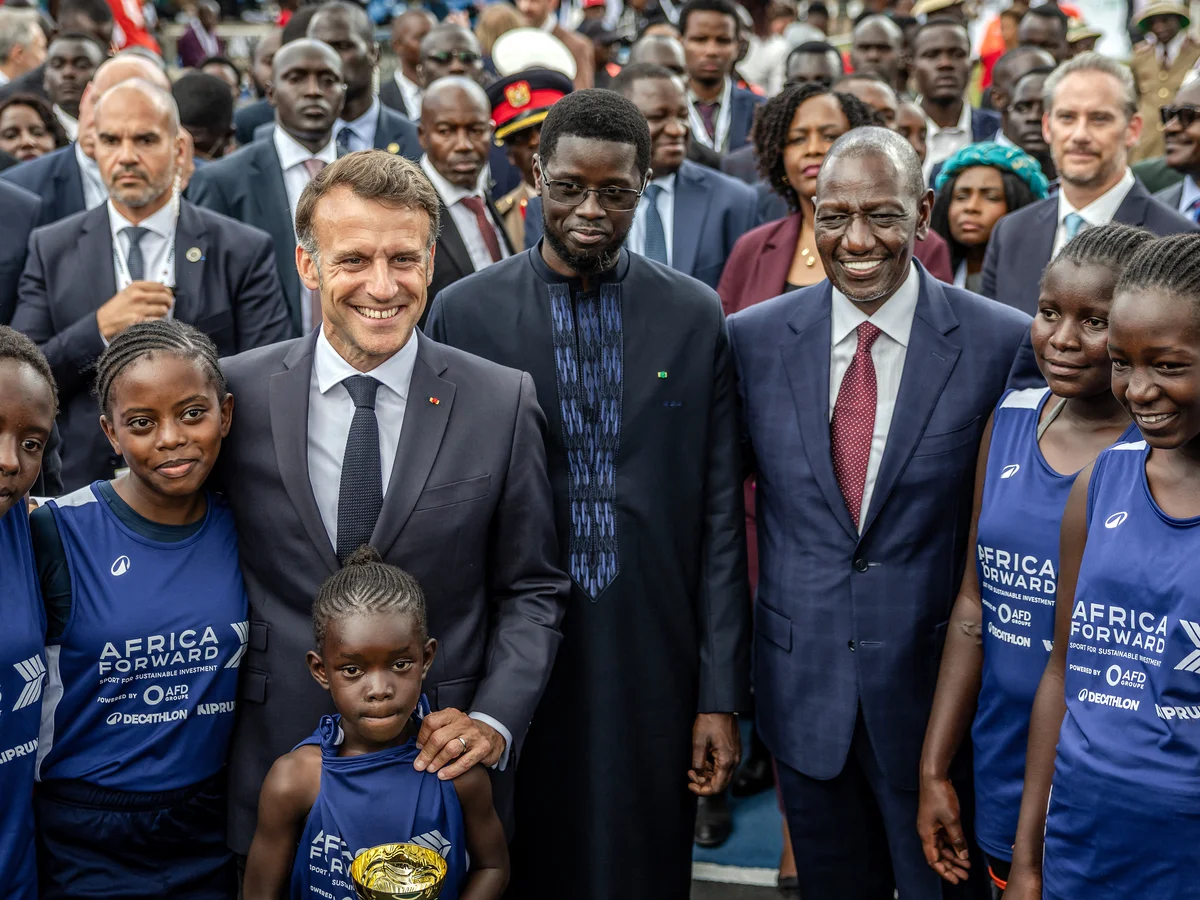
The morning sun rose over Nairobi today with a distinct sense of historical change. President Emmanuel Macron arrived in the Kenyan capital to open a very significant diplomatic event. This gathering marks the latest iteration of the long-standing French-African summit started in 1973. However, this meeting represents a bold departure from decades of established European diplomatic tradition. For the first time, this high-level summit is being held in a non-francophone nation. Over thirty heads of state have gathered to discuss the future of continental relations. The choice of Kenya as a host signals a major shift in French strategy. Analysts suggest that Paris is now desperately seeking to move beyond its colonial past. The era of traditional influence in West Africa has faced many difficult recent challenges. Military coups and rising anti-French sentiment have forced a total rethink of foreign policy. France has recently withdrawn its troops from Mali, Niger, and several other regional allies. These setbacks have prompted President Macron to look toward the more stable Anglophone East.
Nairobi serves as the perfect backdrop for this ambitious attempt at French diplomatic renewal. The summit, titled Africa Forward, aims to foster partnerships built on genuine mutual respect. Leaders from the African Union and major financial institutions are participating in the talks. They are focusing on energy transitions and the reform of international financial systems today. Security remains a top priority as the region faces diverse and evolving modern threats. The event began with various workshops focused on youth and the creative cultural industries. These sessions were designed to build bridges between young entrepreneurs and global investors alike. Organizers have described the entire event as a fundamental paradigm shift in international relations. They believe that the old ways of doing business are no longer sustainable today. President William Ruto welcomed the delegates with a message of hope and shared responsibility. He emphasized the need for tangible outcomes that benefit all citizens across the continent.
Macron echoed these sentiments by calling for partnerships founded strictly on an equal footing. He admitted that the world is watching how France navigates these new complex waters. For many decades, the policy known as Françafrique defined the role of Paris abroad. This system maintained deep political and military ties with several former French colonial territories. However, that old framework has collapsed under the weight of modern political demands lately. Civil societies in many African nations are demanding more autonomy and less foreign interference. The recent military withdrawals from the Sahel region highlight this very painful transition period. Many citizens in those nations accused Paris of practicing a form of neocolonialism. Such accusations have made it difficult for France to maintain its traditional security roles. Consequently, the French government is trying to repackage its image for a new generation. This involves moving away from military dominance toward more collaborative economic and social ventures.
International relations analyst Mikhail Nyamweya believes this shift is both necessary and highly strategic. He noted that France is finally stepping out of its comfortable francophone comfort zone. By engaging with Kenya, Macron is tapping into a vibrant and growing economic hub. This move allows France to present itself as a partner for all of Africa. The strategy focuses more on innovation and less on the baggage of colonial history. Kenya also benefits greatly from hosting such a high-profile international diplomatic summit this week. President Ruto is keen to position his country as a reliable global convening center. Under his leadership, Kenya has taken on significant roles in various international security missions. Hosting the inaugural Africa Climate Summit also helped cement its reputation as a leader. There is a clear convergence of interests between the French and Kenyan leadership today. Both presidents want to establish themselves as influential figures on the world’s grand stage.
However, this new partnership is not without its own set of local controversies. Last year, France and Kenya entered into a significant and wide-ranging defense agreement. This deal has faced criticism from various opposition groups and civil society organizations locally. Critics argue that the agreement may compromise the national sovereignty of the Kenyan people. Some are particularly concerned about legal immunity granted to visiting French military personnel lately. Despite these domestic concerns, eight hundred French troops arrived in Kenya this past March. they participated in joint training exercises designed to enhance regional security and stability efforts. Macron addressed these tensions during a joint press briefing held earlier this past Sunday. He acknowledged the changing dynamics of French influence across the entire West African region. He also downplayed the absence of leaders from Mali, Burkina Faso, and Niger. These countries have seen their relationships with Paris deteriorate significantly in recent calendar years.
The French President chose to highlight the participation of academics and artists instead today. He noted that many creative individuals from those estranged nations are present in Nairobi. Macron stated that while governments may disagree, the bond between people remains quite strong. He expressed a deep affection for the citizens of the nations he once led. This human-centric approach is part of a broader effort to soften France’s image. By focusing on culture and sport, the summit seeks to engage the youth directly. This demographic is crucial for the long-term success of any new foreign policy. Young Africans are increasingly skeptical of foreign powers and demand more transparent international dealings. They want to see investments that create jobs and improve their daily living standards. The summit’s agenda on the international financial architecture addresses some of these core concerns. Reforming how global debt is managed could provide much-needed relief for many struggling economies.
The atmosphere in Nairobi remains one of cautious optimism as the main sessions continue. There is a sense that the old rules of diplomacy are being rewritten. France is no longer the sole arbiter of affairs in its former colonial domains. It must now compete with other global powers for influence and economic access. China, Russia, and the United States are all active players on the continent. This competitive environment forces France to offer more attractive and respectful terms of engagement. The Africa Forward summit is a test of whether Paris can truly adapt. Success will be measured by the concrete agreements signed by the end of Tuesday. These might include new deals on green energy projects or digital infrastructure development initiatives. If Macron can prove that France is a valuable partner, he may succeed. Rebuilding trust will take more than just one high-profile summit in a new city. It requires a sustained commitment to the principles of equality and mutual economic benefit.
As the sun sets over the Nairobi skyline, the delegates head toward their final meetings. The world will be watching to see if this paradigm shift is actually real. France’s journey from a colonial power to a modern partner is still very ongoing. This summit in Kenya is a significant milestone in that long and difficult journey. It represents a brave attempt to find common ground in a rapidly changing world. Both Macron and Ruto seem determined to make this new partnership work for everyone. The success of Africa Forward could redefine relations between Europe and Africa for years. For now, the focus remains on delivering the tangible results promised by both leaders. The English Chronicle will continue to provide updates as these historic talks reach conclusion. This moment marks a new chapter for France and its role within global affairs. The lessons learned here in Kenya will echo across the entire international diplomatic community. Moving forward requires acknowledging the past while looking firmly toward a much brighter future.
Related News:
 High-speed Spain train crash leaves nation in mourning
 EU weighs response amid Greenland tariff crisis with Trump
 EU Says US Ties Have Suffered ‘Big Blow’ After Greenland Crisis
 EU launches Grok AI probe into X over explicit images
 Scotland–France Ferry Revival Tied to Dunkirk’s Green Rebirth
 Thousands Left Without Heating in Ukraine Amid Russia Strikes
 Russia sanctions hit economy hard, says EU envoy
 TikTok Design Faces EU Crackdown Over Addictive Features
 Italy Arrests Protesters Amid Milan Olympic Chaos
 Portugal Election Delivers Socialist Win as Far Right Surges
 UK and Germany urge rearmament drive
 Bodø/Glimt stun Inter in unforgettable Champions League triumph
 Cees Nooteboom, Dutch Writer, Dies Aged 92
 Champions League Thrills as Atalanta and Galatasaray Advance
 Mandelson Faces EU Inquiry Over Epstein Links
 Hungary Faces Political Tension Over the Ukraine Crisis
 Romania Gambling Crackdown: Cities Can Ban Betting Shops
 Cyprus Drone Strike Sparks Europe’s Strong Response
 ‘Earthquake for France’: Marseille May Vote Far-Right
 Explosion Damages Jewish School in Amsterdam
 Spain Shuts Airspace to US Military Over Iran Conflict
 Italy Faces Third Successive World Cup Absence After Loss
 Spain Faces Backlash Over Xenophobic Chants in Egypt Draw
 Italian Town Buys Mussolini Villa to Keep Away Fascist Fans
 Sporting’s New Star Luis Suárez Ready to Sink Arsenal
 Hungary election: Orbán faces biggest test amid scandal
 Atlético Madrid Outlast Barcelona in Epic European Clash
 Rat Poison Found in Baby Food Sparks Major Recall Row
 Meta Faces Landmark EU Breach Over Child Safety Rules
 Border Chaos: UK Travellers Face Massive EU Delays
 Frenkie de Jong on Barcelona loyalty and World Cup pain
 Ukraine strikes Tuapse as oil disaster worsens
 Alex Zanardi dies at 59, a symbol of resilience
 Asylum deal sparks fears over Syria deportations
 Global order shifts amid Trump-era turmoil
 Arteta urges Arsenal to step up in Atlético semi-final
 Ceasefire Standoff Deepens in Ukraine War
 France Faces Record Presidential Crowded Race Amid Far-Right Surge
 Norway Doubles Down on Oil and Gas for Europe Energy Security
 Bad Weather Threatens Hantavirus Cruise Ship Evacuation
 Putin Declares Russia Victory at Scaled Victory Day Parade
 Greece Probes Mystery Explosive Drone in Ionian Waters
 Ex-Chief of Staff Named in Major Ukraine Corruption Probe
 Romania’s Judicial Crisis: A System Under Siege
 Chaos at Valdebebas: Florentino Pérez Calls for Elections
 UEFA Resists FIFA’s New Red Card Rules for Next Season
 Hybrid village stores fight rural decline
 Bernardo Silva Leaves Manchester City After Iconic Era
 Pope Meets Families in Italy Toxic Waste Zone
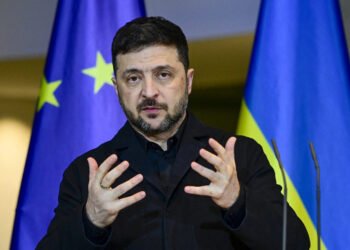 Zelenskyy warns over Oreshnik threat as Kyiv hit
 Cannes filmmakers split over AI’s role in cinema
 Former ICC prosecutor condemns US sanctions
 Irish Gangland Figure Fails in Dublin Election Bid
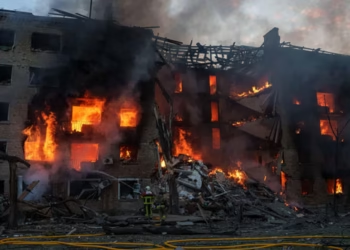 Russia Hits Kyiv With Hypersonic Ballistic Missile
 Europe Swept by Historic May Heatwave
 EU Debate Looms Over Restricting New Member Veto Rights
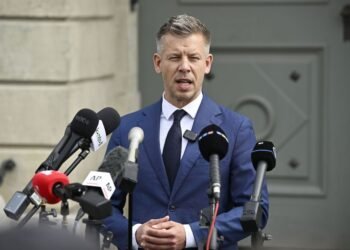 Hungary Targets Oligarchs with Proposed Landmark Wealth Tax
 Deadly Russian Air Raids Strike Across Ukraine
 EU Leadership Gathers in Tivat to Renew Balkan Ties
 Papal Visit Offers Political Lifeline to Spanish Premier
 EU and UK Set July Date for Critical Post-Brexit Summit
 Lib Dems Demand Bold EU Reset to Salvage British Economy
 Labour’s Flawed Brexit Strategy Exposed by Top Diplomat
 The Fear Gap: Why Europe Feels Less Safe Than It Is
 Monaco Bombing: Oligarch Attack Rocks Safe Principality
 Airlines Demand Freeze on EU Border System as Chaos Peak Looms
 Angela Merkel’s Portrait Unveiled: A Quiet Berlin Story
 Spyware Targets MEP Investigating Pegasus Abuses
 UK Nations Brace for Potential Breakup Amid Reform Surge
 Severn Trent CEO Reward Package Doubled Despite Public Anger
 BMA Faces Unprecedented Staff Cuts Amidst Severe Financial Turmoil
 Le Pen to Run for President Despite Embezzlement Conviction
 Meta Under Fire: The Battle Over Addictive Social Media Design
 England and Norway Fans Turn Miami Into World Cup Carnival
 A New Era Begins: Spain and Gibraltar Border Fence Falls
 Wildfires Force Mass Evacuations in France And Spain
 Farage Defends £5m Gift Amid Threats
 Wildfires rage across Europe as hundreds arrested in France
 US and Iran Agree to Two-Week Provisional Ceasefire
 Battle of Britain Tower to House Tourists and Bats