Published: 15 May 2026. The English Chronicle Desk. The English Chronicle Online.
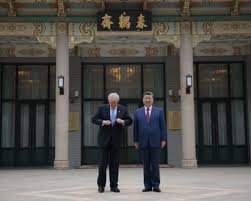
The highly anticipated diplomatic summit between Washington and Beijing concluded with plenty of pageantry but little evidence of a breakthrough on the pressing crisis in Iran. President Donald Trump wrapped up his two-day visit to China by claiming both nations feel very similar about ending the Middle East conflict. However, the American leader failed to offer any concrete details regarding how the two superpowers might achieve this goal together. Standing alongside Chinese President Xi Jinping in the historic Zhongnanhai garden, Trump sought to present a united global front. He emphasized that both Washington and Beijing share a desire to prevent Iran from developing nuclear weapons. He also stressed the absolute necessity of keeping vital global shipping lanes open during this turbulent period. The situation around the Persian Gulf has raised significant alarm within international financial markets over recent weeks. Despite the warm words shared between the leaders, deep strategic divisions clearly remain beneath the surface.
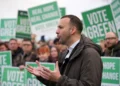
The American administration has been trying to exert significant pressure on Beijing to use its leverage. China remains the largest buyer of Iranian crude oil and holds substantial economic influence over Tehran. Washington wants Beijing to convince Iran to reopen the blockaded Strait of Hormuz as soon as possible. It remains highly uncertain whether the Chinese government will actually bow to this sustained Western pressure. US Trade Representative Jamieson Greer recently suggested that the Chinese do not want the geopolitical dispute to escalate. Greer noted that a prolonged closure of the shipping strait would severely damage the Chinese economy. Half of the crude oil imported by China travels through this specific Middle East waterway every day. The broader threat of a global economic recession is what truly worries the leadership in Beijing. If international markets collapse due to the conflict, global demand for Chinese exports will plummet.
The messaging coming out of the American diplomatic delegation has appeared notably conflicted over recent days. Secretary of State Marco Rubio initially expressed hope that China would take a more active role. He urged Beijing to help convince Iran to halt its current aggressive actions in the region. Yet Rubio later altered his tone significantly during a television interview with a major network. He downplayed the idea that the United States required any external assistance to handle the crisis. Rubio stated flatly that Washington was not actively seeking help from the Chinese government on Iran. This shifting rhetoric highlights the delicate balance the White House is trying to strike right now. The administration wants to project American strength while simultaneously seeking international cooperation to lower global tensions. Such mixed signals may inadvertently give Beijing a convenient excuse to avoid taking direct action. Many officials in China firmly believe that the crisis is entirely an American creation.
This sentiment was clearly echoed by senior figures within the Chinese foreign policy and military establishment. Retired army colonel Zhou Bo noted that China certainly desires peace and stability in the region. However, he criticized the American tendency to shift the burden of responsibility onto the Chinese side. Zhou suggested that Washington should clean up its own diplomatic messes rather than relying on others. The official statement from the White House after the long meeting tried to emphasize common ground. It noted that both leaders agreed the Strait of Hormuz must support the free flow of energy. President Xi also made clear his strong opposition to any militarization of the vital waterway. Yet Trump later raised eyebrows during an interview by downplaying the search for enriched uranium. He suggested that demanding the tracking of uranium was largely a matter of public relations. This comment seemed to conflict with the strict demands previously made by key American allies.
The official Chinese accounts of the summit offered a far more restrained view of the talks. The government readout made only a very brief reference to the overall situation in the Middle East. Instead, Chinese state media focused heavily on a new diplomatic phrase regarding constructive strategic stability. This concept translates roughly to seeking common ground while actively reserving differences on major global issues. State commentators praised this philosophical approach as a demonstration of profound wisdom and global responsibility. The phrase suggests that Beijing is comfortable with a relationship defined by managed competition rather than cooperation. It allows China to maintain its economic ties with Iran while avoiding direct conflict with Washington. This strategic ambiguity serves Beijing well as it navigates the complex realities of modern global politics. The approach ensures that China does not have to compromise its own national interests for Washington.
Meanwhile, the American president seemed to thoroughly enjoy the lavish hospitality and flattery offered by his hosts. Trump was overheard joking about receiving roses for the White House garden from the Chinese leader. He repeatedly described the state visit as an incredible and highly successful piece of international diplomacy. The president claimed that a great deal of good would ultimately come from the meetings. He boasted about making fantastic trade deals that would benefit both nations for many years. Trump also asserted that the two leaders had settled problems that others could never solve. He announced that China had agreed to purchase American oil, soybeans, and several hundred commercial airplanes. However, independent analysts noted a distinct lack of progress on fundamental issues like the status of Taiwan. The major structural disagreements that define the relationship appear to have been largely bypassed.
The two leaders spent their final morning together taking a relaxed stroll through the imperial gardens. They paused to admire ancient trees and vibrant flowers rather than engaging in intense policy debates. The final Chinese readout noted that an important consensus was reached on maintaining stable economic ties. However, the statement provided absolutely no specific details on what that consensus actually involves. It concluded with a brief note that the sides had simply exchanged views on hotspots. Foreign policy experts believe this vague language is highly intentional on the part of Beijing. Former national security official Julian Gewirtz suggested that China is trying to lock in a stalemate. Beijing wants to stabilize relations for the remainder of Trump’s term without making major concessions. This strategy allows China to continue its steady rise as a true global peer to Washington.
This perspective is shared by many leading academics and government advisers within China itself. Professor Wu Xinbo noted that the global balance of power is shifting toward greater parity. He observed that the United States historically held the upper hand and constantly exerted diplomatic pressure. Today, the two powerful nations have clearly reached a new point of geopolitical equilibrium. This sense of rising Chinese confidence was visible on the strictly managed streets of Beijing. Small crowds gathered near the presidential hotel to watch the heavily guarded motorcade pass through. Many local residents expressed frustration with the severe traffic delays caused by the massive security presence. When asked about their views on the American president, locals frequently described him as highly unpredictable. One resident noted that what Trump says rarely matches what he actually intends to do. The summit has ended, but the true path forward for these global titans remains uncertain.
Related News:
 UK Banks Granted Reprieve as BoE Delays Basel III Capital Rules Until 2028
 Singapore Corruption Scandal: Details Emerge on Iswaran’s Luxury Flight and Ties to Tycoon Ong Beng Seng
 Corfu Beyond the Crowds: Discovering Serenity in Southern Villages and Hidden Taverns
 Peter Andre Praises Son Junior’s ‘Quiet Season’ Amid Ongoing Family Dispute
 Massive 641-Mile Storm Set to Batter UK with 15 Hours of Rain and Strong Winds
 Jeremy Clarkson’s Pub: A Sunday Lunch Like No Other
 Scottish Government Mandates Single-Sex Toilets and Changing Facilities in Schools
 Reeves Faces Setback as Labour May Miss Homes Target
 Kate Winslet to Narrate Film Highlighting King’s Environmental Mission
 Trump’s UK Ambassador Urges North Sea Drilling to Strengthen US Ties
 Federal Immigration Shift: Officers Leave Louisiana for Minneapolis
 Fatal Bolton Taxi Crash Claims Three Teens and Driver
 Australia grants Asio powers to designate hate groups under new laws
 Friedman Uninvited From 2024 Adelaide Writers’ Week
 ScottishPower Tops List of Worst UK Energy Suppliers
 Judi Dench Champions Fight to Save London’s Green Spaces
 Crowborough Camp Welcomes First Asylum Seekers
 BBC Funding Crisis: Tim Davie Warns of Jeopardy Ahead
 ABC Facebook Page Briefly Hacked, Adult Photos Posted
 Artificial intelligence will cost jobs, admits Liz Kendall
 Older Women Vanish from BBC Screens, Review Confirms Bias
 Meta trial over child exploitation claims begins
 Streeting moves on doctor pay to end strike dispute
 Ben Stokes injury joke after brutal ball strike
 UK and US Drop in Global Corruption Index Rankings
 Send spending gap leaves deprived areas behind
 Hidden Crisis: Domestic Abuse Suicide Toll in UK
 UK Unemployment Rate Climbs to 5.2% Peak
 Canberra Poster Seizure Sparks Free Speech Row
 BBC World Cup Presenting Duties Shared Among Trio
 Wales Approves Assisted Dying Bill Consent
 CPS Updates Guidance on Honour-Based and Dowry Abuse
 Stewart Brand on Musk, Bezos and a Life of Long Thinking
 English Cricket Faces Moral Crisis Over Indian Investment
 Jacinda Ardern Move Sparks Kiwi Reflection
 Middle East Airspace Crisis Strands Thousands
 Kelly Wilkinson Inquest Reveals Bail Failure
 Asylum Seekers to Work After Year-Long Wait
 Princess Eugenie steps down as patron of anti-slavery charity
 New Zealand Covid Response Praised Despite Lingering Scars
 Injured Mojtaba Khamenei Elevated as Iran Leader
 The Kill Line: A Shifting Vision of the American Dream
 Inquiry into HMRC child benefit errors launched by NAO
 Family of Alleged Bondi Gunman Seeks Name Suppression
 Rising Costs Force Families to Rethink Days Out
 Air Canada CEO Faces Outcry Over Recent Language Misstep
 Extreme Weather: Europe Shivers as Cyclone Narelle Hits
 Scott Mills Sacked by BBC Over Personal Conduct Claims
 Palantir Boss Defends NHS Deal Amid Government Break Clause
 Asia Turns Back to Coal Amid Middle East Energy Crisis
 Relationship with Trump may be beyond repair, Starmer warned
 Trump’s Six-Week Iranian War: The High Cost of Ignorance
 US and Iran Agree to Two-Week Provisional Ceasefire
 Battle of Britain Tower to House Tourists and Bats
 The Challenger: Will Péter Magyar End the Orbán Era?
 UK Government Poised to Revive Stalled Hillsborough Law
 Democrats Move to Impeach Defense Secretary Pete Hegseth
 Security Alert Near Israeli Embassy as Police Investigate
 Ben Roberts-Smith Denies War Crime Allegations in First Statement
 Home Office Faces Legal Risks Over Asylum Hotel Living
 US-Iran Standoff: Will Trump Deploy Ground Troops?
 Crisis in NHS Surgery Scheduling Hits Patients Hard
 Investigation Into Anti-Trump Motives After Gala Shooting
 Dubai Assets Linked to Sudan’s RSF Militia Exposed
 Blue Badge Abuse: The Rising Tide of Public Hostility
 The Fear Gap: Why Europe Feels Less Safe Than It Is
 US Military Pacific Boat Strike Kills Three People
 Dettol Apologises for ‘Toxic Men’ Advert Backlash in China
 UK Care Crisis: Row Explodes Over New Visa Settlement Rules
 Sainsbury’s Boss Optimistic As Grocery Inflation Eases
 US Advance Past Bosnia in World Cup Thriller
 Trump’s Mount Rushmore Speech: A Divisive Anniversary
 Trump’s Red-Card Intervention Hurts the US World Cup
 US Airman Avoids British Court in Indecent Exposure Case
 Britain’s Mini Fan Craze Sparks Major Waste Crisis
 Trump Swaps Planes Amid Iran Tensions
 Ann Widdecombe, Formidable Political Figure, Dies at 78
 UK Schools Struggle as Classrooms Top 40C
 Yemen Accuses Iran of Violating National Sovereignty
 Houthis Strike Saudi Arabia as Middle East Tensions Rise