Published: 29 June 2026. The English Chronicle Desk. The English Chronicle Online.
The European Commission has launched a major policy change targeting cheap international online imports. Officials have announced a new flat customs charge on small packages entering the continent. This regulatory shift aims to protect local businesses from aggressive foreign e-commerce competition. High streets across Europe have suffered significant financial losses due to these untaxed goods. Policymakers hope this intervention will revitalise traditional brick-and-mortar stores in every member state.
Historically, consumers enjoyed a convenient tax exemption for inexpensive items bought from online retailers. Packages valued under one hundred and fifty euros crossed European borders without customs duty. This standard legal loophole was known internationally as the standard de minimis exemption rule. The phrase essentially implies that the financial value was considered too small to matter. That generous tax break will officially terminate across the European Union starting this Wednesday.
Every single small package below that value threshold will now face a flat charge. Consumers must pay a mandatory three-euro customs fee for their low-value online purchases. European authorities designed this strategy specifically to slow down the massive influx of goods. The sudden explosion of digital retail shipments has overwhelmed traditional European logistics networks recently. Regulators believe this new financial barrier will make impulsive internet shoppers think twice before buying.
Recent statistical reports from Brussels highlight the massive scale of this modern retail problem. The volume of low-value packages entering the European single market has grown exponentially lately. Inbound shipments more than quadrupled over a brief three-year period for the trade bloc. European customs handled just over one billion small packages annually during the year twenty-two. That number exploded dramatically to nearly six billion individual deliveries by the year twenty-five.
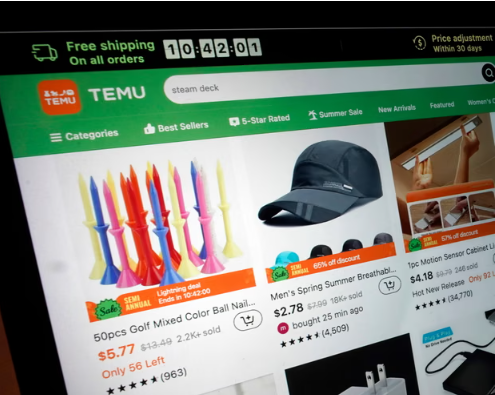
An overwhelming ninety percent of these cheap incoming packages originate directly from Chinese factories. Popular digital shopping applications like Temu and Shein dominate this specific global export market. These ultra-fast fashion platforms utilize direct shipping models to bypass traditional retail supply chains. Their low prices have created an incredibly difficult environment for standard European commercial businesses. Local merchants simply cannot compete with the ultra-low production costs of overseas factories.
Senior European officials expressed deep concern on Monday regarding the decline of traditional shopping. They noted that digital platforms contribute directly to the visual desertification of historic cities. Vacant storefronts are negatively affecting community life and reducing local employment opportunities for citizens. Various civil society consumer groups raised urgent alarms about this ongoing economic crisis last year. They described the constant influx of digital deliveries as an unsustainable avalanche of imports.
These massive shipping volumes threaten to devastate local economies by forcing independent shops closed. The European Union Justice Commissioner Michael McGrath recently shared his personal concern on this. He expressed profound shock at the specific physical dangers found within these uninspected items. Millions of unregulated products enter the continent daily through the unmonitored de minimis route. A comprehensive research study published on Monday confirmed these terrifying consumer safety fears perfectly.
The extensive data revealed that sixty percent of tested items breached strict European laws. These non-compliant products pose severe health risks to unsuspecting citizens purchasing goods online daily. Imported cosmetics and children’s toys raised the highest number of safety complaints among researchers. Sixty-five percent of items in those specific categories failed basic European regulatory standards completely. Toxic ingredients and choking hazards were frequently discovered during routine laboratory testing of packages.
Online shoppers purchasing alternative health supplements are also exposing themselves to significant physical dangers. Sixty-three percent of these imported dietary products failed strict public health and safety tests. The lack of accurate ingredient labeling presents a serious risk to vulnerable consumers nationwide. Professional personal protective equipment bought from non-EU websites also showed incredibly high failure rates. Sixty percent of imported hard hats and reinforced safety shoes breached regional legal standards.
These substandard industrial items fail to protect workers effectively during hazardous workplace tasks and accidents. Regulators have already started taking strict legal action against non-compliant international digital marketplaces. Last month European authorities issued a massive two-hundred-million-euro fine directly to internet retailer Temu. The platform repeatedly failed to prevent illegal and dangerous products from being sold online. Officials hope the new tax will finally force these large platforms to comply.
The elimination of the duty-free threshold introduces heavy administrative burdens for external digital retailers. Companies must now complete detailed customs declarations for every single package sent to Europe. This complicated paperwork will naturally increase operational costs for online sellers based outside Europe. The primary goal of this legislation is creating a fair arena for local businesses. Small domestic retailers have welcomed this decisive intervention from the European Commission this week.
Major fast-fashion giants are already modifying their corporate strategies to adapt to these rules. Shein has begun restructuring its global supply chain model to avoid future financial penalties. The company recently experimented by opening physical pop-up stores in major Hungarian urban centres. They previously attempted to establish a permanent retail presence within the city of Paris. That French business venture closed rapidly following a intense public backlash from local activists.
The firm has now opened a massive logistics distribution hub located in Poland. This strategic European warehouse might allow the company to circumvent the incoming customs charges entirely. Goods distributed from within Poland are legally considered internal trade inside the single market. Meanwhile, the United Kingdom Treasury announced its own independent strategy regarding small parcel imports. British officials plan to introduce similar customs duties on packages under one hundred pounds.
However, this British tax policy change will not take effect until October twenty-eight. This implementation date represents a slight acceleration from the original plan for March twenty-nine. Despite this timeline shift, British retail representatives feel the domestic response is far too slow. High street businesses in the United Kingdom wanted immediate protection matching the European timeline. They worry that delaying this tax for years will cause irreversible damage to shops.
Related News:
 Reeves Faces Setback as Labour May Miss Homes Target
 Kate Winslet to Narrate Film Highlighting King’s Environmental Mission
 Trump’s UK Ambassador Urges North Sea Drilling to Strengthen US Ties
 UK Bans Fake Numbers: Scammers Lose Their Trick
 Vibe coding’ named Collins dictionary’s word of the year
BBC to Apologise Over Edited Trump Speech Amid Backlash
Vibe coding’ named Collins dictionary’s word of the year
BBC to Apologise Over Edited Trump Speech Amid Backlash
 Millionaires group urge Reeves to introduce wealth tax to ‘lift kids out of poverty’
 Reeves rejects £1bn plea for NHS redundancy payouts
 PM Condemns Leaks, Vows Loyalty to Ministers and Stability
 Phillipson Accused of Appeasing Unions by Diluting EBacc
 Saka Solidifies Role as Tuchel’s Key England Lieutenant
 Greene Pushes Epstein Files Amid Trump Fallout
 Zelenskyy Signs Fighter Jet Deal Amid Russian Drone Attacks
 Sundar Pichai Cautions on AI Hype and Market Risks
 Shadow Fleet at Sea: Europe’s Battle Against Illicit Oil Shipping
 Snow and Ice Cause Travel Chaos in North Yorkshire
 Director Michael Caton-Jones Reflects on Career and Beginnings
 Inside the Helpline Protecting Missing Children in the UK
 PlayStation PS5 Deals Hit Lowest Prices Ahead of Black Friday
 US Suspends Afghan Immigration After White House Shooting
 Five-Year-Old Dies After Rare Tonsil Surgery Complication
 Starmer Says Labour’s Economic Plan Needs Years to Deliver
 ‘Extinct’ Antelope Returns to Sahara, Bringing Hope
 IndiGo Cancels Hundreds of Flights Amid Pilot Shortages
 Young Britons Face Heaviest Burden from Ageing Population, Lords Warn
 U‑Turn on Farmers’ Inheritance Tax Sparks Political Firestorm
 Aston Villa Remain Arsenal’s Key Obstacle in Title Pursuit
 Irish Beach Tragedy: Irish Drown at Whitehaven Beach in Australia
 Starmer Faces Parliamentary Battles Over UK-EU ‘Reset’ Plan
 Met Police Vetting Failures Let Serial Rapists Remain
 Federal Immigration Shift: Officers Leave Louisiana for Minneapolis
 Fatal Bolton Taxi Crash Claims Three Teens and Driver
 Australia grants Asio powers to designate hate groups under new laws
 Friedman Uninvited From 2024 Adelaide Writers’ Week
 US and Iran Agree to Two-Week Provisional Ceasefire
 Battle of Britain Tower to House Tourists and Bats
 The Challenger: Will Péter Magyar End the Orbán Era?
 UK Government Poised to Revive Stalled Hillsborough Law
 Democrats Move to Impeach Defense Secretary Pete Hegseth
 Security Alert Near Israeli Embassy as Police Investigate
 Ben Roberts-Smith Denies War Crime Allegations in First Statement
 Home Office Faces Legal Risks Over Asylum Hotel Living
 US-Iran Standoff: Will Trump Deploy Ground Troops?
 Crisis in NHS Surgery Scheduling Hits Patients Hard
 Investigation Into Anti-Trump Motives After Gala Shooting
 Dubai Assets Linked to Sudan’s RSF Militia Exposed
 Blue Badge Abuse: The Rising Tide of Public Hostility
 Tragedy Strikes at Parafield Airport
 Scott Parker Leaves Burnley After Premier League Drop
 Silent Tracks: Rail Line Without Passengers
 Arteta urges Arsenal to step up in Atlético semi-final
 RFU Backs Borthwick Despite England’s Poor Six Nations
 Major test for Labour as polls open in Great Britain
 High-Profile Murder Trial Begins for Ian Watkins Death
 Trump Rejects Tehran Peace Plan as Regional Truce Crumbles
 Wes Streeting faces narrow road to Labour members’ favour
 Keir Starmer Struggles to Secure His Grip on Downing Street
 Trump and Xi Convene in Beijing for Historic High-Stakes Summit
 Farage Faces Standards Probe Over Cash Property Purchase
 Closing the Gap: UK Pensions Commission Demands Action
 Reality TV Under Scrutiny Following Serious Allegations
 UK Eases Russian Oil Sanctions as Fuel Costs Soar
 Alice Capsey Sparks England Win With Brilliant Fifty
 Maldives Cave Diving Tragedy Raises Safety Alarm
 Russian Electronic Attack Targets UK Defence Chief Jet
 UK Shoppers Face Prolonged Price Rises At Tills
 Tube Strike Brings Capital to a Standstill Over Shift Disputes
 Makerfield Voters Demand Real Change as Election Looms
 Man City Threaten Legal Action Over Haaland Real Madrid Shirt
 Celestial Waltz: Venus and Jupiter Meet at Twilight
 Abbott Signals Bold Strategy Change For Australian Right
 Ryanair Faces Probe Over Mandatory Family Seating Fees
 Britain’s Crowning Butterfly Takes the Nation by Storm
 Fifa Official Under Investigation Over Hand Gesture Controversy
 US Trafficking Arrest Exposes Shocking Exploitation
 Trump Signs Landmark Iran Accord in Versailles
 Grief and Devotion Amidst the Rubble of Nabatieh
 Stirchley Community Housing Scheme Faces Crisis
 Watchdog Warns Ministers to Pause Impending HS2 Reset
 Sainsbury’s Boss Optimistic As Grocery Inflation Eases