
Published: 23 August ‘2025. The English Chronicle Desk
Recent reports and online activity indicate that members of a far-right nationalist party are playing an active role in coordinating protests outside hotels housing asylum seekers across the United Kingdom. Evidence drawn from Facebook posts and recently created groups suggests that the Homeland party, a splinter organisation from Britain’s largest far-right group, Patriotic Alternative, is attempting to expand protests similar to those that recently occurred at a hotel in Epping.
Homeland activists have reportedly established several online groups aimed at spreading unrest in towns and cities including Epping, Wethersfield, Peterborough, and Nuneaton. Social media activity shows organisers encouraging supporters to mobilise locally, often under various campaign names designed to resonate with regional audiences, including references to earlier protests such as the “Pink Ladies” campaign in Epping.

Among the individuals identified as active in planning these events are Tom King, Jennifer Jardine, Matt Alexander, Adam Clegg, and Andrew Piper. Their involvement has been documented through online posts and media reports, with several members having been publicly photographed with Homeland campaign materials. Posts from these accounts indicate strategic planning, with explicit instructions for local residents to gather and protest, highlighting the party’s intent to influence public demonstrations across multiple locations.
The rise in organised activity by far-right activists has triggered concern among anti-racism campaigners and local authorities, who warn that these protests risk being used to inflame tensions and broaden racial conflict. Groups such as Hope Not Hate have highlighted links between the current unrest and longstanding far-right networks, including ties to figures such as Stephen Yaxley-Lennon, also known as Tommy Robinson.
Recent incidents have intensified public debate about the placement of asylum seekers in hotels, particularly following a high-profile case at the Bell hotel in Epping, where an asylum seeker faced charges of sexual assault. The case prompted widespread demonstrations, which the far-right appears to have leveraged to mobilise broader anti-immigrant sentiment.
Government officials have responded to the unfolding situation with calls for orderly management of asylum placements. Home Secretary Yvette Cooper stressed that ministers are working to close hotels housing asylum seekers “as swiftly as possible” through a managed programme intended to prevent disruption in other areas. Security Minister Dan Jarvis echoed this, affirming a government commitment to phase out all asylum hotels within the current parliamentary term while maintaining an orderly process.

Meanwhile, political figures such as Nigel Farage have reignited debates around immigration policy, advocating for large-scale deportations of individuals arriving by small boats. Speaking to the Times, Farage outlined proposals involving hundreds of thousands of deportations, potentially utilising multiple daily charter flights, framing the issue as a national security concern and linking it to public frustration over asylum management.
The combination of grassroots mobilisation by far-right activists, ongoing legal challenges regarding asylum placements, and government policy responses highlights a complex and contentious debate within the UK. Authorities and campaigners continue to monitor developments closely, particularly as protests are expected to occur across multiple towns and cities in the coming weekend.
Related News:
 UK Must Act with Courage and Clarity on Israel-Palestine Conflict, Says Foreign Affairs Committee Report
 Tasers Introduced in UK Prisons to Combat Rising Violence and Protect Staff
 Wethersfield Controversy Deepens as Asylum Seeker Numbers Set to Surge by 50%
 Chancellor Faces Mounting Pressure Amid “Impossible Trilemma” Over Tax Rises
 Radioactive Leak at UK’s Nuclear Warhead Base Sparks Outcry Over Safety and Secrecy
 Mass Arrests in London as Protest Defies Ban on Palestine Action
 Mutual Inconvenience: Why Alaska Was Chosen for the Trump-Putin Summit on Ukraine
 Russell T Davies Warns of Declining UK Gay Rights Amid Rise of Reform UK and Trump Influence
 UK Government Expands ‘Deport Now, Appeal Later’ Policy to 23 Countries
 Farage Accuses PM of ‘Democratic Disparity’ in House of Lords Representation
 Chancellor Rachel Reeves Pushes for Sweeping Changes to Environmental Protections to Accelerate Development
 Larger Families Could Gain Thousands if Labour Ends Two-Child Benefit Cap
 Is the UK Ready to Put Boots on the Ground in Ukraine? Assessing Military Capacity and Challenges
 Ory Councils Urged to Challenge Asylum Hotels After Epping Ruling
 Palestine Action Ban Protesters Plan Tactic to Overwhelm Police at Next London Demonstration
 Police Scotland Spends £500,000 Compensating Officers Over Trump Visit
 Former Miners Return to the Picket Line as Museum Staff Strike Over Pay
 Polanski’s Rise Signals a Shift in British Political Landscape
 Protests Expected as Israeli Arms Firms Join Global Defence Trade Fair in London
 University of Edinburgh Lecturers Launch Five-Day Strike Amid £140m Budget Cuts
 Norfolk Hospital Ranked Worst in England as NHS League Tables Return
 Are Britain’s Unions Turning Against the Workers They Once Represented?
 UK Rejoining EU ‘Unlikely in My Lifetime,’ Says Starmer’s Europe Reset Negotiator
 UK Urged to Collaborate with NATO on Missile Defence Amid Russian Drone Threat
 ‘Unite the Kingdom’ Rally Sparks Fears of Far-Right Normalisation Among Minority Britons
 France Proposes Ceiling on UK Role in €150bn EU Defence Fund
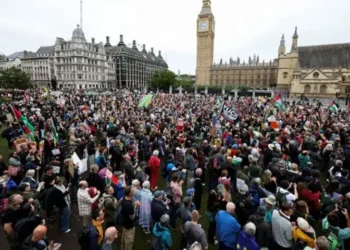 Thousands Gather in London to Protest Donald Trump’s Second UK State Visit
 Tragedy in Hackney: Man Killed and Woman Injured in East London Park Shooting
 Trump Urges UK to “Call Out the Military” to Secure Borders Amid State Visit
 Zarah Sultana Seeks Legal Action After Bitter Clash with Jeremy Corbyn Over Party Membership Funds
 Top Andy Burnham Ally Launches Fierce Critique of Starmer Ahead of Labour Conference
 Mahmood Pledges Reform of Modern Slavery Laws After Court Blocks Deportation Appeal
 It Changed My View’: Campaign Encourages Pupils in Deprived Areas to Consider University
 UK Fighter Jet Purchase Could Breach Nuclear Treaty, Warns CND
 Migrants in UK May Need to Contribute or Face Removal, Home Secretary Signals
 Ed Miliband Urges Labour to Confront Billionaire-Backed Opposition to Net Zero Goals
 A Third of EU Citizens in UK Report Discrimination by Public Bodies Post-Brexit
 Senior Tories Condemn Badenoch’s Vow to Repeal Climate Change Act as Catastrophic
 Home Secretary condemns Gaza protests after Manchester synagogue attack as “un-British”
 Digital ID Plans Ignite Debate Over £600m Treasury Tax Boost and Privacy Concerns
 Robert Jenrick Reiterates Controversial Comments on Birmingham’s Integration as Backlash Grows
 Public Trust in SNP Hits Historic Low Amid NHS Concerns
 Yvette Cooper Backs Digital ID Plan for UK Teens
 Starmer Faces Backlash Over Downing Street Shake-Up and Progressive Exodus
 Johnson Suggests Mandelson Linked to China Spy Controversy
 Ministry of Justice fails to file £11bn in spending receipts
 Witness statements reveal the CPS China spy row collapse in the UK
 Rachel Reeves signals welfare reform ahead of key budget
 Starmer pledges to claw back Baroness Michelle Mone’s Covid contract millions
 Reform UK candidate fined £19,000 after using AI-generated cases to challenge election
 The debate over England’s compulsory reading test for 13-year-olds
 Hermer to face questions on alleged China spy case intervention
 Kosovo agrees to host Britain’s refused asylum seekers
 William Steps Up Over Prince Andrew Palace Response
 UK Health Leaders Push for Urgent Tobacco & Vape Bill
 How the Royal Navy Can’t Stop the Channel Boats
 British Woman in Iran ‘Losing Hope’ Amid Ongoing Detention
 Johnson Approved China’s London ‘Super-Embassy’ in 2018
 BBC Journalist Held and Interrogated in Vietnam
 Green Party Surges Past Labour in Latest UK Poll
 Celebrities and Charities Demand UK Government Act on Child Poverty
 Zarah Sultana Launches Party to Change Politics
 FBI Director Kash Patel Defends Girlfriend Amid Government Jet Claims
 ‘Reckless’ cuts to victims’ services will cost more than they save
 Starmer Faces Growing Dissent as Labour MPs Weigh Leadership Challenge
 Politics latest: Starmer ‘will fight any leadership coup’ as Streeting denies attempt to oust Labour PM
 Pressure Mounts on Starmer to Sack Chief of Staff Over Briefing Row
 Peers Flood Assisted Dying Bill with 942 Amendments
 England’s Special Needs Support Faces Breaking Point
 MoD warned over Excel risks before Afghan data breach
 UK Asylum Overhaul Sparks Debate Over Human Rights and Deportations
 UK Warns China After MI5 Issues Espionage Alert
 Labour Faces Historic Decline in Wales
 PM Highlights UK Business at G20 in South Africa
 Kate Forbes: Motherhood Harder Than Politics
 Most Tories Expect to Support a Farage-Led Government
 Labour MP claims devolution bill is ‘blatant discrimination’ against Cornwall
 Millions Face Higher Taxes Under Reeves New Budget
 Peers Get Extra Time to Debate Assisted Dying Bill
 “Enough is Enough”: Local MP Vows to Fight Rainham Quarry Plans