Published: 07 July 2026. The English Chronicle Desk. The English Chronicle Online.
The landscape of higher education financing in England and Wales faces a major crisis today. A damning report from the Treasury select committee suggests that student loan promotions constituted mis-selling. This serious accusation focuses on how the government communicated terms to impressionable young university students. Parliamentarians argue that promotional materials often lacked transparency regarding essential long-term repayment loan conditions. Many students feel deeply betrayed by these allegedly deceptive marketing practices used by officials. The committee report arrives after widespread public anger regarding current student loan repayment policies.
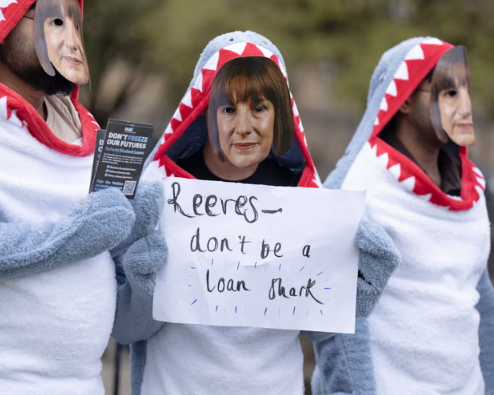
Chancellor Rachel Reeves recently ignited a firestorm by freezing crucial student loan repayment thresholds. This freeze will remain in place for three years starting from April next year onwards. Graduates earning above the specified salary level must contribute nine percent of their additional income. This policy decision effectively forces graduates to absorb the impact of rising living costs. The Treasury select committee insists that ministers have a clear moral duty to act. They are calling for an immediate reversal of this decision to honour original loan terms.
Successive governments have seemingly prioritised politically convenient options over the long-term needs of younger generations. This report suggests that authorities hoped graduates would not notice these changes for several years. Plan two loans apply to English students starting university between September 2012 and July 2023. Similar terms apply to Welsh students who began their studies from 2012 to the present. The complexity of these arrangements has left countless graduates feeling confused and financially burdened today.
The government originally promised that repayment thresholds would rise annually in line with national earnings. This pledge was made during the initial announcement of the loan system back in 2010. However, those thresholds were frozen repeatedly between 2016 and 2018, and again recently until 2025. The committee highlights three specific instances that they firmly describe as clear cases of mis-selling. First, promotional YouTube videos failed to mention that loan terms could change at any time. Second, visual slide presentations compared monthly loan repayments directly to cheap mobile phone monthly contracts.
This comparison was frequently inaccurate, especially for higher earners facing much larger monthly repayment amounts. Third, the Student Loan Company failed to adequately clarify that the government held retrospective powers. The application process reportedly lacked the necessary transparency regarding these crucial contractual details for all applicants. Many graduates now find themselves owing significant amounts that seem to grow despite constant repayments. High interest rates have compounded these frustrations for thousands of people across the entire country.
A recent extensive committee survey gathered responses from more than fifty-two thousand concerned individual graduates. More than half of those respondents stated they did not understand the terms before borrowing. One respondent poignantly described these heavy monthly repayments as a literal tax on human ambition. In April, the government implemented a six percent cap on student loan interest rate levels. Despite this adjustment, ministers have resisted mounting calls to unfreeze the crucial repayment salary threshold.
Meg Hillier, who chairs the Treasury committee, spoke candidly about this very rare intervention. She noted that it is not common for the committee to demand a budget reversal. This report serves as a strong signal that officials can no longer ignore this issue. She stated that public patience has effectively run out regarding these ongoing student finance grievances. Reversing the threshold freeze is described as a modest change requiring relatively small public resources. Such a move would significantly help repair the broken trust between graduates and government systems.
The relationship between the student population and the state has suffered immense damage over time. Establishing clear communication is essential for the future of higher education funding in this country. A government spokesperson acknowledged the report as an important contribution to the ongoing national debate. They noted that the current administration inherited a confused and fundamentally broken financial funding system. Ministers are currently investigating ways to make the entire process fairer and more financially sustainable.
The government promised to respond to the committee formally and fully in due course later. They emphasized that students deserve clear and accurate information to make informed choices about futures. Officials are working closely with the Student Loans Company to improve communication channels for all students. Whether these efforts will satisfy the angry graduates remains a very significant question for ministers. The debate surrounding fair education financing continues to be a central theme in national politics.
Many graduates are watching these developments closely to see if their financial burdens will finally lighten. The dream of affordable higher education feels increasingly distant for many young people in England today. Experts suggest that the government must address these structural flaws to regain necessary public confidence. The Treasury select committee has set the stage for a difficult confrontation regarding future fiscal policy. Whether the Chancellor will choose to bend remains the primary focus of student activists everywhere.
Transparency in financial contracts must become the gold standard for all future government lending operations. Young people deserve to know exactly what they are signing when they accept these loans. The legacy of these decisions will affect graduates for many decades into their working lives ahead. Politicians must now decide if they will act to protect the interests of the next generation. Trust is easy to lose but it is incredibly difficult and time-consuming to build again.
This report serves as a stark reminder of the social contract between the state and citizens. Fairness must sit at the very heart of any policy concerning the future of young people. As the debate continues, the pressure on the government to find a solution only grows stronger. Everyone involved hopes for a resolution that provides clarity and stability for the nation’s ambitious students. The English Chronicle will continue to track this evolving story as new developments unfold each week. Providing accurate information remains our highest priority for our readers during these uncertain and challenging economic times.
Related News:
 Green Party Surges Past Labour in Latest UK Poll
 Trump’s UK Ambassador Urges North Sea Drilling to Strengthen US Ties
 French Taxi Driver Cleared in David Lammy Theft Case After Fare Dispute
 Millionaires group urge Reeves to introduce wealth tax to ‘lift kids out of poverty’
 Starmer Faces Growing Dissent as Labour MPs Weigh Leadership Challenge
 Reeves rejects £1bn plea for NHS redundancy payouts
 PM Condemns Leaks, Vows Loyalty to Ministers and Stability
 Major Rent Reform Ends No-Fault Evictions in England
 Peers Flood Assisted Dying Bill with 942 Amendments
 Most Tories Expect to Support a Farage-Led Government
 Labour MP claims devolution bill is ‘blatant discrimination’ against Cornwall
 Millions Face Higher Taxes Under Reeves New Budget
 Starmer Says Labour’s Economic Plan Needs Years to Deliver
 Culture secretary to review Telegraph takeover by Daily Mail owner
 UK Government Borrowing Drops to £11.6bn in December
 Labour Blocks Burnham as Party Rift Deepens Ahead of Polls
 Andy Burnham and the Labour Rift Over Power and Leadership
 Huge mistake: Labour blocks Burnham from byelection bid
 Artificial intelligence will cost jobs, admits Liz Kendall
 Labour targets Greens on drugs in Gorton Denton byelection
 Greens nominate Hannah Spencer for Gorton and Denton byelection
 Mandelson Faces Police Inquiry Over Epstein Leak
 Starmer Condemns ‘Depraved’ Russian Strikes on Ukraine
 Labour Thinktank Row Deepens Over Journalist Probe Claims
 Morgan McSweeney downfall shocks Labour leadership
 Cabinet Secretary Shake-Up Triggers Due Diligence Warning
 Starmer Faces Inquiry Calls Over Thinktank Probe
 Royal Mail Delivery Crisis Deepens Amid Weather Chaos
 UK shelves £110m border project amid trade strain
 Farage Unveils Reform UK Frontbench Team
 California Democrats Vow Trump Reckoning
 Trump Tariffs Threat Spark UK and EU Alarm
 Wales Approves Assisted Dying Bill Consent
 UK EU Trade Reset Gains Public Backing
 Green Party Stuns Labour in Gorton and Denton Byelection
 Corbyn Leads Your Party in Coordinated Left-Flank Strategy
 Labour Together scandal sparks clean break vow
 Asylum Seekers to Work After Year-Long Wait
 Starmer Row as Greens Demand Apology
 Proposed Law Leaves Gap for Children of Convicted Paedophiles
 Gordon Brown urges court for crimes against children
 Starmer Praised for Stance on Trump and Iran Conflict
 Inquiry into HMRC child benefit errors launched by NAO
 NHS Plans to Cut Overseas Workers Labeled Overambitious
 Farage Faces Backlash Over Crypto Cameo Endorsements
 Army Probes Apache Flyover at Kid Rock’s Nashville Estate
 Relationship with Trump may be beyond repair, Starmer warned
 Unions Raise Concerns Over Doctors’ Pay Dispute
 UK Government Poised to Revive Stalled Hillsborough Law
 Starmer Faces Commons Test Over Mandelson Scandal
 UK Stands Firm on Falklands Amid US Rift
 Crackdown Backfires on UK Climate Protesters
 Welsh Labour Faces Potential Historic Election Defeat
 Starmer Survives Mandelson Rebellion
 Silent Tracks: Rail Line Without Passengers
 Major test for Labour as polls open in Great Britain
 Labour Members Doubt Starmer Future as Burnham Leads Poll
 Reform UK Faces Crisis as Newly Elected Councillors Resign
 Farage Faces New Questions Over Private Helicopter Use
 Keir Starmer Struggles to Secure His Grip on Downing Street
 Farage Faces Standards Probe Over Cash Property Purchase
 Green Party Makerfield Candidate Resigns Over Posts
 Secret Role of UK Security Services in Troubles Amnesty Law
 Farage and Reform UK Reshape British Politics
 Starmer Leadership Under Pressure After Setbacks
 Minister Criticises Police Guidance Amid Southampton Protests
 Makerfield Voters Demand Real Change as Election Looms
 The Hidden Crisis Eroding Trust in British Communities
 Deepfake Abuse on X Sparks Safety Concerns for Dissidents
 UK Ministers Lobby Trump Over Under-16s Social Media Ban
 Labour MP Revives Blocked Assisted Dying Bill in Commons
 Starmer Resolves to Fight Burnham in Leadership Battle
 Starmer Set to Announce Exit Plan as Burnham Eyes No 10
 Hollie Ridley to Step Down as Labour General Secretary
 Jarvis Urges Burnham to Secure 3.5% Defence Spending
 Farage Warns Sky News Following Financial Inquiry
 Reform UK Finances Face Deep NCA Probe
 Ann Widdecombe, Formidable Political Figure, Dies at 78
 Treasury Reform Urged After Tragic Loss
 Sadiq Khan Backs Call for Maximum UK Work Heat Limit