
Published: 17 July 2026 | The English Chronicle Desk | The English Chronicle Online
A new study suggests that a more targeted approach to treating prostate cancer could significantly reduce the risk of side effects while delivering outcomes comparable to conventional treatment methods.
Researchers say the findings could mark an important step toward more personalised cancer care, allowing doctors to focus treatment on cancerous areas of the prostate rather than treating the entire gland in selected patients. The approach aims to preserve healthy tissue, potentially reducing complications that often affect quality of life following treatment.
While experts describe the results as encouraging, they caution that further long-term research is needed before the technique becomes standard practice for all eligible patients.

Prostate cancer is one of the most commonly diagnosed cancers among men worldwide. Traditional treatments—including surgery and radiotherapy—often involve removing or treating the entire prostate gland to eliminate cancer cells.
Although these treatments have saved countless lives, they can also cause significant side effects, including urinary incontinence, bowel problems and erectile dysfunction.
The new research explores whether targeting only the cancerous portion of the prostate could achieve effective tumour control while minimising damage to surrounding healthy tissue.
Scientists say this reflects the growing trend toward precision medicine, in which treatments are tailored to the specific characteristics of each patient’s disease.
According to researchers, patients who received the targeted treatment experienced fewer treatment-related complications than those undergoing conventional whole-gland therapy.
The study found lower rates of urinary and sexual function problems while maintaining encouraging levels of cancer control during the follow-up period.
Researchers emphasised that carefully selected patients remained the key to achieving successful outcomes.
Not every prostate cancer case is suitable for targeted treatment, particularly when cancer has spread throughout the gland or beyond the prostate.
The study focused primarily on men with localised disease where cancer was confined to specific areas.
The targeted approach uses advanced imaging technologies, including magnetic resonance imaging (MRI), alongside detailed biopsies to identify the exact location of cancer within the prostate.
Doctors then direct treatment specifically at the affected tissue while preserving as much healthy prostate tissue as possible.
Several techniques may be used depending on the patient’s condition, including focal radiotherapy, high-intensity focused ultrasound (HIFU), cryotherapy or other minimally invasive procedures.
By limiting treatment to smaller areas, physicians hope to reduce unnecessary injury to nearby nerves, muscles and urinary structures.
One of the most important findings from the study relates to patients’ quality of life following treatment.
Many men undergoing conventional prostate cancer therapy experience lasting complications that affect daily living.
Urinary leakage, bowel irritation and erectile dysfunction are among the most common concerns associated with prostate cancer treatment.
Researchers found that patients receiving targeted therapy generally reported fewer of these problems during recovery.
Doctors say preserving healthy tissue may help maintain important bodily functions while still effectively controlling cancer.
Cancer specialists stress that targeted treatment is not appropriate for every patient.
Men with aggressive, widespread or advanced prostate cancer may still require traditional surgery, full-gland radiotherapy or systemic treatments such as hormone therapy or chemotherapy.
Before recommending focal treatment, doctors conduct detailed imaging, biopsy analysis and clinical assessments to determine whether the cancer is confined to one area.
Experts emphasise that personalised treatment planning remains essential.
Selecting the right patients is considered just as important as the treatment itself.
The success of targeted prostate cancer therapy has been made possible by improvements in diagnostic technology.
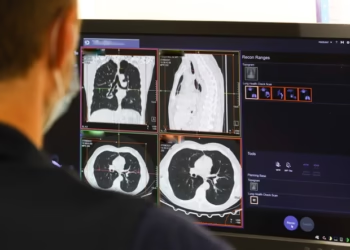
Modern MRI scanning provides highly detailed images of the prostate, allowing doctors to identify suspicious lesions with much greater accuracy than in previous decades.
Combined with targeted biopsies and molecular testing, these technologies enable clinicians to better understand tumour location, size and behaviour before treatment begins.
Researchers believe continued advances in imaging and artificial intelligence could further improve treatment precision in the future.
Cancer specialists have welcomed the findings while urging caution.
Many describe the results as an important development that supports ongoing efforts to reduce unnecessary treatment-related complications.
However, experts note that long-term follow-up remains necessary to confirm that targeted therapy continues providing effective cancer control over many years.
Additional clinical trials involving larger patient groups are also expected to strengthen the evidence.
Medical organisations are likely to review the findings as they consider future updates to prostate cancer treatment guidelines.
If future research confirms these early results, targeted therapy could offer selected patients an opportunity to receive effective cancer treatment with fewer long-term complications.
Doctors say reducing side effects is particularly important because survival rates for localised prostate cancer have improved significantly over recent decades.
As more men live long after treatment, preserving quality of life has become an increasingly important treatment objective.

Patients are encouraged to discuss all available treatment options with their healthcare teams, considering both cancer control and potential side effects.
Researchers plan to continue monitoring patients to assess the long-term effectiveness and safety of targeted prostate cancer treatment.
Future studies will examine whether reduced side effects are maintained over time while ensuring that cancer recurrence rates remain low.
Scientists also hope to refine imaging techniques and develop even more precise treatment technologies capable of improving patient outcomes further.
The latest findings represent another step in the evolution of personalised cancer care, where treatments are increasingly designed to maximise effectiveness while minimising harm.
Although more evidence is needed before targeted therapy becomes routine for all eligible patients, the study offers renewed hope that men diagnosed with localised prostate cancer may one day benefit from treatments that not only save lives but also preserve the quality of those lives.
Related News:
 Concerns Mount Over Accuracy of At-Home Health Tests as Study Calls for Stricter Regulation
 The Ketamine Crisis in the UK is a Silent Epidemic Leaving Users with Lifelong Pain
 Rugby Confronts Safety Concerns with Smart Mouthguards at Women’s World Cup
 NHS Launches Free Flu Vaccine Drive as Millions Urged to Get Protected
 British Pilot Joins Crew Training for Year-Long Mars Simulation Mission
 Systemic Racism in Maternity Care Continues to Endanger Black Women in England, MPs Warn
 One in Three GPs in England Do Not Work in NHS, Raising Concerns Over Access to Care
 UK Health Officials Monitor New ‘Stratus’ Covid Variant Amid Rising Cases
 Questions Remain as Rugby Legend Lewis Moody Faces Motor Neurone Disease Diagnosis
 Sir Michael Caine Urges Starmer to End Smacking in England
 M&S and Morrisons Lead Christmas Supermarket Taste Test
 New Prostate Cancer Drug Set to Halve Death Risk in England
 Hospice Cuts Raise Alarm Across England Amid Funding Crisis
 Patients to Test Health at Home to Ease NHS Winter Pressure
 Shouting Works Best to Deter Gulls, UK Study Finds
 Reeves rejects £1bn plea for NHS redundancy payouts
 Senator John Fetterman Hospitalized After Fall from Heart Flare-Up, Keeps Sense of Humor
 New AI tool could cut wasted efforts in organ transplants
 Stroke Patient Mistaken for Drunk, Care Delayed
 ‘Traumatic Wait’: Northern Ireland Women Face Breast Cancer Delays
 Scottish Families Take Legal Action Over School CO Leak
 Five-Year-Old Dies After Rare Tonsil Surgery Complication
 More Patients Now Contacting GPs Online, Data Shows
 Energy Drinks Linked to Rising Heart and Stroke Risks
 Damien Martyn in Induced Coma After Meningitis Diagnosis
 Children to Receive Home Vaccines as England Acts
 Childhood Hypertension Sparks Urgent UK Testing Calls
 Local Fish Could Boost UK Health and Economy Significantly
 NHS Violence Crisis: Staff Face Daily Assaults
 Celebrity Campaign Highlights SMA Screening Failures
 AI breast screening cuts later cancer diagnoses by 12%, study finds
 Pneumonia Surge Pushes England Emergency Cases Higher
 Most Statin Side-Effects Are Not Caused by Drugs, Study Confirms
 Headline: Measles Alert: Dr Oz Urges Americans to Vaccinate
 UK MPs Demand Ban on Brazilian Butt Lifts
 NHS Urges Nine Million People to Get Therapy
 Drugs, Denial, Stigma: Fiji’s HIV Crisis Hits Children
 Half of Britons Avoid GP When Ill, Survey Reveals Growing Concern
 ‘I Wanted to Save Her Life’ — The Moment Twin Sisters Learned They Were Identical
 Christina Applegate shares the harsh reality of her daily life
 50,000 People Waited Over 24 Hours in A&E Corridor Care
 ‘It’s Joy in a Pot’: Why Houseplants Could Make You Happier
 New Infection Risk Alert at Glasgow’s Flagship Hospital
 Universal Flu Vaccine: Scientists Close In on Virus Weak Spots
 Father Dies by Suicide Weeks After Wedding in Clitheroe
 ‘We can’t go back’: mother of six-year-old cancer survivor fears UK visa changes
 Palantir NHS Contract Sparks Fears Over Data Power
 Social Media Giant Trial Reaches Final Jury Decision
 Charity Watchdog Takes Control of Learning Disability Care Home
 NHS Satisfaction Rises for First Time Since 2019
 The High Cost of Survival: How the 2026 Fiscal Outlook is Redefining British Life
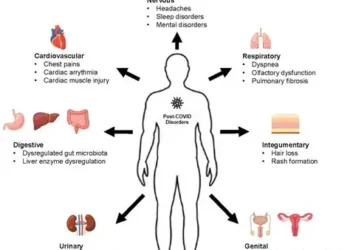 ‘Zoom Dysmorphia’ Explosion: BDD Patients Quadruple in Post-Pandemic UK
 ‘I’m So Ready’: Céline Dion Announces 10-Night Paris Comeback Residency
 Tiger Woods: Golf Legend Steps Away to Seek Treatment
 Reformer Pilates Boom Sparks Surge in Injuries, Experts Warn
 ‘It’s Heartbreaking’: NHS Training Freeze Leaves Resident Doctors in Limbo
 The Miracle of Phoenix: ‘Half Dead’ Rescue Dog Defies the Odds in Worcestershire
 GSK cancer drug shows early promise in trials
 School Plate Revolution: England Bans Fried Menu Classics
 The Waiting Ward: ‘Month of Worry’ as Doctor Strikes Trigger Seismic Surgery Delays
 “I was fighting two wars”: Ukraine soldiers’ addiction crisis
 New Scan Offers Hope for Faster Endometriosis Diagnosis
 “Invisible Agony”: 98-Year-Old Woman Left in “Severe Pain” for Days Amidst Care Backlog
 Florida Surgeon ‘Devastated’ Over Fatal Surgery Error
 Crisis in the Canary Islands as Cruise Ship Evacuated
 French Patient Told Hantavirus Was Just Anxiety
 Heavy Caring Burden Linked to Faster Mental Decline
 NHS Drug Deal Faces Legal Threat Over US Trade Agreement
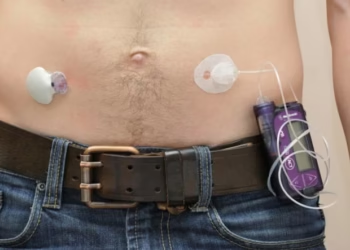 NHS Pioneers Fairer Access to New Diabetes Technology
 “The Invisible Shadow”: Fear Grips Eastern DR Congo as Deadly Bundibugyo Ebola Strain Spreads
 “The Critical Intervention”: Essential Steps for Identifying and Treating Heat-Related Emergencies
 Pope Meets Families in Italy Toxic Waste Zone
 Record Spending Highlights Growing Crisis In National Health Service
 NHS Approves Landmark Ovarian Cancer Drug
 AI-Designed Vaccine Marks Global Breakthrough
 NHS to Tell Minor A&E Patients to Return Later
 Nursing Workforce Crisis Leaves Disabled Patients at Risk
 Girl Survives 32 Hours Under Rubble After Venezuela Quake
 Europe Scorched as Record Heatwaves Grip the Continent
 London Tube Heat Reaches Dangerous Levels