
Published: 30 July 2026 | The English Chronicle Desk | The English Chronicle Online
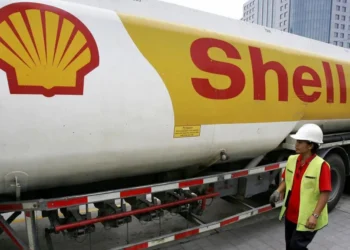
Energy giant Shell has reported that its profits more than doubled during the latest reporting period, driven by a sharp increase in global oil and natural gas prices amid continued geopolitical tensions and robust demand for energy.
The stronger financial performance reflects a volatile energy market in which supply concerns, international conflicts and fluctuating production levels have pushed commodity prices higher. While investors welcomed the results, consumer groups and environmental campaigners renewed criticism of the industry’s sizeable earnings at a time when households and businesses continue to face elevated energy costs.
The announcement reinforces Shell’s position as one of the world’s most profitable energy companies while highlighting the ongoing influence of global energy markets on corporate earnings.
Shell attributed much of its improved financial performance to higher prices for crude oil and liquefied natural gas (LNG), both of which experienced significant gains during the reporting period.
Global energy markets have remained volatile due to geopolitical instability, supply disruptions and uncertainty surrounding production from major oil-producing nations.
Higher commodity prices generally allow energy producers to generate larger profits because the value of each barrel of oil or shipment of gas increases, particularly when production costs remain relatively stable.
Strong trading performance and continued demand for natural gas also contributed to the company’s improved results.

Despite increased investment in renewable energy, global demand for oil and gas remains substantial.
Developing economies continue to require large volumes of energy to support industrial growth, transportation and electricity generation.
Natural gas remains particularly important in many countries as a fuel for heating homes and producing electricity.
Industry analysts say continued demand, combined with constrained supplies in some regions, has supported elevated prices throughout much of the year.
Shell’s diverse operations across exploration, production, refining and trading have enabled the company to benefit from multiple segments of the energy market.
The stronger-than-expected financial results were welcomed by investors, many of whom view Shell as a stable dividend-paying company with significant global operations.
Higher profits can allow companies to increase shareholder returns through dividends or share buyback programmes.
Investment analysts said the latest results demonstrate Shell’s ability to generate substantial cash flow even during periods of economic uncertainty.
Some experts also pointed to disciplined spending and operational efficiency as factors supporting the company’s performance.
Financial markets responded positively to the announcement, with investors closely examining Shell’s outlook for future production and capital investment.
While shareholders welcomed the results, the announcement has renewed debate over the relationship between energy company profits and household energy costs.
Consumer groups argue that many families continue to struggle with high electricity and heating bills despite signs of easing inflation in other sectors.
They contend that record or near-record profits earned by major energy companies contrast sharply with the financial pressures experienced by millions of consumers.
Some campaign organisations have called for additional government measures to ensure energy markets operate fairly and that vulnerable households receive adequate support.
The latest profit figures are likely to revive political discussions surrounding windfall taxes on energy companies.
Several governments have introduced temporary levies on extraordinary profits generated during periods of unusually high energy prices.
Supporters argue that such taxes help fund financial assistance for households facing increased living costs.
Critics, including many energy companies, argue that higher taxation may discourage investment in future energy production and renewable projects.
Shell has previously maintained that stable tax policies are essential for encouraging long-term investment.
Shell continues to face pressure from investors, governments and environmental groups regarding its transition toward lower-carbon energy.
The company has invested in renewable electricity, hydrogen, electric vehicle charging infrastructure and carbon capture technologies.
However, oil and natural gas continue to generate the overwhelming majority of its revenue and profits.
Environmental organisations argue that companies benefiting from high fossil fuel prices should accelerate investment in clean energy technologies.
Shell maintains that the global energy transition must be managed gradually to ensure reliable energy supplies while reducing emissions.
Energy analysts caution that commodity prices remain highly sensitive to geopolitical developments.
Conflicts affecting major producing regions, shipping disruptions and decisions by oil-exporting countries can all influence prices within a short period.
Economic growth also plays a major role in determining future demand for oil and gas.
Should global growth weaken significantly, demand could decline, placing downward pressure on prices and corporate earnings.
Conversely, continued geopolitical instability could sustain elevated prices for longer than expected.
Shell operates in more than 70 countries and is involved in nearly every stage of the energy supply chain.
Its activities include oil and gas exploration, production, refining, chemicals manufacturing, fuel retailing and renewable energy investments.
The company remains one of the world’s largest suppliers of liquefied natural gas, a business that has become increasingly important as countries diversify energy sources.
Its broad international footprint allows Shell to respond to changing market conditions across different regions.
Although current profits remain strong, Shell continues to face several long-term challenges.
Governments around the world are tightening climate policies aimed at reducing greenhouse gas emissions.
Investors are increasingly evaluating companies based on environmental, social and governance (ESG) performance alongside traditional financial results.
The company must also navigate fluctuating commodity prices, changing consumer preferences and increasing competition from renewable energy providers.
Maintaining profitability while adapting to the global energy transition will remain a central challenge for management.
Shell’s financial performance is closely watched because it often reflects broader conditions within global energy markets.
Strong profits can support employment, shareholder returns and government tax revenues.
However, they also influence debates about energy affordability, inflation and environmental policy.
Economists note that energy prices affect nearly every sector of the economy, from transportation and manufacturing to food production and household budgets.

As a result, Shell’s earnings extend beyond corporate performance and provide insight into wider economic trends.
Market analysts expect energy companies to remain profitable if oil and gas prices stay elevated, although future earnings will depend heavily on global supply and demand.
Shell is expected to continue balancing shareholder expectations with investments in cleaner energy technologies and long-term growth.
The company will also remain under close scrutiny from policymakers seeking to ensure affordable energy supplies while advancing climate objectives.
Shell’s profits more than doubling highlights the continuing strength of global energy markets during a period marked by high oil and gas prices.
While investors view the results as evidence of the company’s financial resilience, the announcement is likely to fuel renewed political and public debate over energy affordability, taxation and the pace of the transition toward cleaner energy sources.
As global markets remain shaped by geopolitical uncertainty and changing climate policies, Shell’s future performance will continue to serve as an important indicator of both the energy industry and the broader world economy.
Related News:
 G7 to Hold Emergency Oil Talks as Markets Plunge
 Gulf Oil Shock Sends Global Economic Ripples
 Oil Price Jumps Despite Deal to Release Record Amount of Reserves
 Gas on the Line: Will the Iran War Squeeze India’s Piped Gas Next?
 India’s High-Growth Economy Braces for a Middle East Oil Shock
 Global Stock Markets Slide Amid Tech Sell-Off and Middle East Tensions
 Live Markets Bet on Spring Rate Cut as Inflation Falls
 City Bets on Rate Cuts as Unemployment Soars
 How Budget Fast Fashion Is Taking Small‑Town India by Storm
 Uncertainties Loom for Businesses and Consumers After Trump’s Tariff Changes
 Trump Announces Global Tariffs to Rise to 15%
 ‘Hard to Keep Lights On’: Business Owners Cautiously Welcome Tariff Ruling
 Canada Eyes Trade Talks After US Supreme Court Tosses Trump Tariffs
 Trump’s tariff strategy collapse sows global chaos and confusion
 Why Middle Managers Can’t Get a Job Anymore
 China Sets Lowest Economic Growth Target Since 1991
 Stock Markets and Oil Prices Still Volatile Over Fears Iran War May Drag On
 Could Trump Threaten London’s £50bn Insurance Giant?
 Energy Firms Keep Fuel Price Hike ‘Under Scrutiny’
 Reeves Faces Triple Threat as Markets Reel From Global Turmoil
 Cost of Living Crisis Returns to Centre Stage
 Iran Rejects Ceasefire, Warns Trump With Chilling Message
 Iran War Costs to Be Passed to Consumers, Shipping Boss Warns
 ‘Chippies Will Die Unless We Eat Cheaper Fish’
 Labour Plans Nuclear Investment Summit Days After Holyrood Election
 US Launches Probe into Trading Partners Including EU, China, and India
 UK Fuel Tax Hike Plan to Be Kept Under Review Over Iran Conflict
 The Situation Is Dire: War on Iran Squeezes India’s Cooking‑Gas Supplies
 ‘Heating Oil Suppliers Are Holding Us to Ransom’ as Prices and Cancellations Surge
 Close Brothers to Axe 600 Jobs in £85m Cuts
 Sri Lanka Sets Weekly Shutdown to Save Fuel
 ‘Strategic Reserve’: Italy Defers Coal Phase-Out to 2038 Amid Energy Crisis
 British Businesses Braced as National Living Wage Hits £12.71 Published: 1 April 2026
 China’s AI ‘Lobster’ Craze Signals Bigger Ambitions
 Asian Powers Secure Energy Lifelines as Trump’s Hormuz Deadline Looms
 Oil Markets Surge as Investors Await Trump’s Final Iran Ultimatum
 Global Oil Markets Volatile After Trump’s Profane Threat to Iran
 The Crown Jewel Sparkles: UK City Firms Report Historic Turnaround
 The ‘Relief Rally’: Global Markets Surge as Oil Prices Tank on 14-Day Truce
 Europe EV Demand Surges as Fuel Prices Rise
 Calm Amidst the Clouds: Albanese Reassures Nation as Geelong Refinery Smolders
 Crude Surge: Oil Hits Four-Year High as Trump Weighs “New Options” for Iran
 “The Art of the Withdrawal”: Trump Targets Germany Troops as Iran Row Boils Over
 Spirit Airlines shuts down after 34 years amid crisis
 “The Trading Bonanza”: Shell Profits Soar to $6.9 Billion Amid Iran War ‘Volatility’
 “The High Stakes of Havoc”: Inside the Corporate Machinery Raking in Billions from the Iran War
 US Awaits Iran Reply on New Ceasefire Proposal
 Victoria Labor Launches Apprenticeship Expansion Plan
 UK firms accused of ‘AI washing’ boom
 Trump Approves $700m Coal Industry Investment
 Can Ordinary Investors Buy SpaceX Shares?
 Diamond Miners Struggle as Lab Gems Reshape Market
 Tata Steel £1.25bn Furnace Project Faces Possible Delay
 Unions Criticise Year-Long Delay to Tata Steel Furnace Grid Connection in South Wales
 UK Employers Turning to Temporary Staff Over Permanent Hires, Recruiters Warn
 SpaceX Market “Blast-Off” Could Mark Elon Musk’s Biggest Financial Gamble Yet
 Severn Trent CEO Reward Package Doubled Despite Public Anger
 Vietnam Intensifies Crackdown on Fake Luxury Trade
 EasyJet Agrees in Principle to £5.2bn Takeover Deal
 Banks Accused of Steering Customers Away From Basic Accounts
 Europe Weighs Hormuz Navigation Fee Plan
 Weight-Loss Drugs Transform Fashion Shopping Habits
 EasyJet Takeover Sparks Fears Over Passengers’ Future
 China’s Economic Growth Slows, Missing Official Target
 Heating Oil Customers Set for Compensation After Investigation Into Price Hikes
 US Unveils Fresh Tariffs on Global Trading Partners
 US Eyes Frozen Iran Funds for Shipping Damage
 Tech Billionaire Faces $644m Divorce Settlement
 Oil Prices Return to $100 Amid Global Market Fears
 Chinese Chipmaker Soars 470% in Stock Market Debut
 AI Jitters Send Chip Stocks Tumbling in US and Asia
 US Dollar Hits Four-Year Low Amid Market Turmoil
 Major UK Clothing Firm Collapses into Administration — 109 Jobs at Risk
 Is Dining Out Dying Out?
 Could Manchester Lead the UK’s Economic Revival?
 The Waiting Ward: ‘Month of Worry’ as Doctor Strikes Trigger Seismic Surgery Delays
 Roadside Reckoning: Nearly 160,000 Uninsured Vehicles Seized in National Crackdown
 The Fog of War and the Ticker Tape: Suspicious Trades Rile Washington
 ‘A Fragile Calm’: Oil Prices Dip as Trump Extends Iran Ceasefire, But Blockade Holds Firm
 Trump Tariffs Could Cut Northern Ireland Exports to the US by 15%, Research Suggests