Published: 8 June 2026
The English Chronicle Desk
The English Chronicle Online
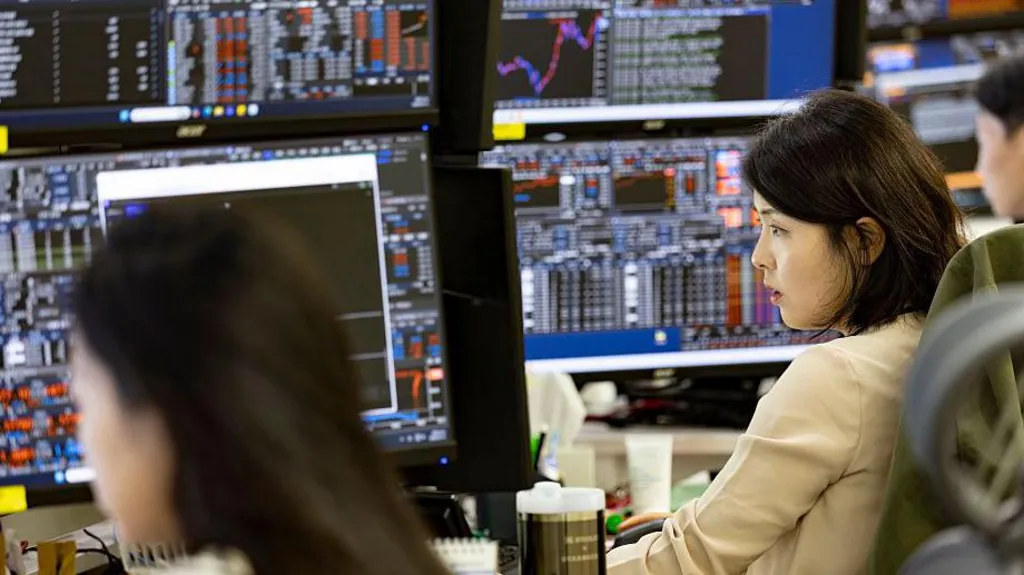
Global stock markets fell sharply as a major sell-off in technology shares combined with renewed military tensions in the Middle East to rattle investors and increase fears of wider economic instability.
Major indices across the United States, Europe and Asia recorded losses as investors reacted to declining technology sector valuations and growing geopolitical uncertainty.

Technology companies were among the worst performers during the market downturn, with investors pulling back from high-growth stocks amid concerns over valuations, interest rates and slowing global demand.
Analysts said renewed attacks and military escalation in the Middle East added further pressure by increasing fears over energy supply disruptions and broader regional instability.
Oil prices rose during trading as markets responded to concerns that conflict could affect shipping routes and global energy exports.
Financial experts warned that geopolitical crises often trigger volatility across international markets as investors shift money into safer assets such as gold and government bonds.
The downturn affected several major technology firms, with semiconductor manufacturers, artificial intelligence companies and digital platform businesses experiencing particularly heavy losses.
Market strategists noted that technology shares had previously driven much of the recent market growth, leaving the sector vulnerable to rapid corrections when investor confidence weakens.
European and Asian markets also declined as traders assessed the potential economic impact of prolonged instability in the Middle East.
Economists said higher energy prices could place additional pressure on inflation at a time when many central banks are already navigating difficult interest rate decisions.
Investors are also monitoring possible effects on global supply chains, shipping costs and consumer confidence if regional tensions continue escalating.
Despite the market fall, some analysts argued that volatility remains consistent with broader uncertainty surrounding global growth, geopolitics and monetary policy.

Central banks and financial institutions are expected to monitor market conditions closely in the coming days as investors react to both geopolitical developments and corporate earnings data.
The latest sell-off highlights how quickly international events can affect financial markets already facing pressure from economic and technological uncertainty.
Check Out Our Latest News At>>
Related News:
 G7 to Hold Emergency Oil Talks as Markets Plunge
 Gulf Oil Shock Sends Global Economic Ripples
 Oil Price Jumps Despite Deal to Release Record Amount of Reserves
 British AI Startup Outshines Human Forecasters in Global Prediction Contest
 UK New Car Discounts Near £6,000 as Prices Are Slashed
 The Chinese AI App Sending Hollywood Into a Panic
 Etsy Sells Second‑Hand Fashion App Depop to eBay for $1.2bn
 Trump’s tariff strategy collapse sows global chaos and confusion
 Stock Markets and Oil Prices Still Volatile Over Fears Iran War May Drag On
 Iran Rejects Ceasefire, Warns Trump With Chilling Message
 Iran War Costs to Be Passed to Consumers, Shipping Boss Warns
 The Situation Is Dire: War on Iran Squeezes India’s Cooking‑Gas Supplies
 Gas on the Line: Will the Iran War Squeeze India’s Piped Gas Next?
 ABC Staff Strike Over Pay and AI Concerns
 Jim Ratcliffe’s £3.5bn Chemical Plant Delayed with Parts Stranded in the Gulf
 Baltic Blackout: Satellite Images Reveal Scorched Russian Oil Hubs After Ukraine Strikes
 ‘Strategic Reserve’: Italy Defers Coal Phase-Out to 2038 Amid Energy Crisis
 Apple at 50: Three Products That Changed How We Live
 China’s AI ‘Lobster’ Craze Signals Bigger Ambitions
 India’s High-Growth Economy Braces for a Middle East Oil Shock
 Electric Shock: Australians Buy Record Number of New EVs as Fuel Crisis Bites
 War, Windfalls, and the Carbon Trap: The Iran Conflict’s Brutal Energy Math
 The ‘Heavy’ Shift: Gulf Coast Refineries Ramp Up Venezuelan Crude Intake
 The Great Chokehold: Why the Strait of Hormuz is the Epicenter of the 2026 Crisis
 Hot in the City: Energy Crisis Tests Singapore’s Air-Con ‘Addiction’
 Space Odyssey ‘Bum Note’: UK Band Linked to Artemis II’s ‘Toilet Trouble’
 Europe EV Demand Surges as Fuel Prices Rise
 Market Shock: Oil Surges Past $100 as US Initiates Naval Blockade
 The Outback Squeeze: ‘Out of Control’ Diesel Prices Threaten Australia’s Freight Arteries
 The Mythos Crisis: Global Finance Chiefs Sound Alarm Over ‘Predatory’ AI
 ‘The End of the Quiet Era’: Japan Relaxes Arms Export Rules in Historic Pivot From Pacifism
 Rations and Rides: Global Responses to the 2026 Fuel Crisis
 The “King of Drones”: Ukraine’s Unmanned Commander Targets the Arteries of the Russian War Machine
 Beyond the Swoosh: Anta Sports Overtakes Rivals to Become Global Top Three
 Market Deadlock: Oil Prices Surge as US-Iran Peace Talks Unravel in Pakistan
 Crude Surge: Oil Hits Four-Year High as Trump Weighs “New Options” for Iran
 “The Art of the Withdrawal”: Trump Targets Germany Troops as Iran Row Boils Over
 The $2.5 Billion “Speed Breaker”: RBI Battles Digital Fraud Surge
 “Grounded”: Beijing Implements Total Ban on Drone Sales Citing Capital Security
 The Glass Ceiling of the Galaxy: Inside the High-Stakes Succession War at Samsung
 Tech Giants Fuel AI Optimism Despite Market Fears
 “The AI Gavel”: Judge Yvonne Gonzalez Rogers to Decide Fate of OpenAI in Musk v. Altman Trial
 “The Trading Bonanza”: Shell Profits Soar to $6.9 Billion Amid Iran War ‘Volatility’
 “The High Stakes of Havoc”: Inside the Corporate Machinery Raking in Billions from the Iran War
 US Awaits Iran Reply on New Ceasefire Proposal
 China mine blast death toll rises to 90
 UK firms accused of ‘AI washing’ boom
 Can Ordinary Investors Buy SpaceX Shares?
 Diamond Miners Struggle as Lab Gems Reshape Market
 Big Pharma Investment Freeze Puts UK Life Sciences Sector Under Strain
 Britain deploys RAF specialists to assist Belgium with drone threats
 US Clears Nvidia AI Chip Sales to China in Policy Shift
 BT Names New Openreach Chief Amid Major Fibre Expansion
 Indian University Kicked Out of AI Summit for Claiming Chinese Robot Dog as Its Own Invention
 How Do You Modernise Mango Farming? India’s Growers Urged to Innovate as Climate Change Hits
 AI Coding Firm’s ‘Pride’ at Business Award Win
 Oil Prices Surge Above $100 Amid Iran War
 ‘Heating Oil Suppliers Are Holding Us to Ransom’ as Prices and Cancellations Surge
 Sri Lanka Sets Weekly Shutdown to Save Fuel
 Trump Considers Military Operation to Seize Iran’s Uranium
 Russia: The Unforeseen Winner of the Iran Conflict
 Hungary Claims Plot to Target Gas Pipeline Pre-Vote
 Oil and Diplomacy: Russian Refineries Burn as Zelenskyy Secures Middle East Shield
 Asian Powers Secure Energy Lifelines as Trump’s Hormuz Deadline Looms
 Moldova River Crisis Exposes War’s Hidden Cost
 The Frozen Frontier: Why Frostbite is the Least of Concerns for Canada’s Arctic Forces
 Diplomatic Deadlock: Lebanon Enters High-Stakes Border Talks with ‘No Cards to Play’
 The Fog of War and the Ticker Tape: Suspicious Trades Rile Washington
 ‘A Fragile Calm’: Oil Prices Dip as Trump Extends Iran Ceasefire, But Blockade Holds Firm
 “Industrial-Scale Extraction”: White House Memo Accuses China of Mass AI Theft
 Capitalism ‘Suicidal’, Warns Petro at Climate Summit
 The Silent Scythe: How the Iran War is “Starving” Asian Paddy Fields Before the Harvest
 US to Escort Trapped Ships Through the Strait of Hormuz
 “The Digital Frontier”: Scotland’s Papers Grapple with AI Harassment and ‘Mortgage Bottlenecks’
 High Street Crisis: Fears Grow Over Post Office Closures
 “Eyes in the Sky, Spikes on the Ground”: Advanced Satellite Imagery and AI Algorithms Deployed Across Britain to Save the Vanishing Hedgehog
 “The Critical Intervention”: Essential Steps for Identifying and Treating Heat-Related Emergencies
 Oil Markets Face ‘Red Zone’ Threat Amid Iran Crisis
 UN Issues Urgent Warning: Imminent Return of El Niño
 Trump Approves $700m Coal Industry Investment