
Published: 5 June 2026
The English Chronicle Desk
The English Chronicle Online
Traditional diamond miners are facing growing uncertainty as lab-grown diamonds continue reshaping the global jewellery market and disrupting one of the world’s oldest luxury industries.
In mining communities heavily dependent on natural diamond production, workers say they are continuing operations “by the grace of God” despite falling prices, shrinking demand and increasing competition from synthetic alternatives.

Lab-grown diamonds, created using advanced technological processes that replicate natural geological conditions, have rapidly gained popularity due to lower prices and claims of improved environmental sustainability.
Industry analysts say younger consumers are increasingly willing to purchase lab-created stones, particularly for engagement rings and fashion jewellery, as perceptions around luxury and ethical sourcing evolve.
Natural diamond producers, however, argue that mined diamonds retain unique rarity, cultural value and long-term investment appeal that synthetic products cannot fully replicate.
Mining companies in parts of Africa and other diamond-producing regions warn that declining demand for natural stones could threaten jobs, local economies and communities built around decades of mineral extraction.
Some miners expressed concern that the rapid expansion of laboratory-grown diamonds is placing severe pressure on already struggling operations facing rising production costs and weaker global sales.
Jewellery retailers report that lab-grown diamonds now account for a growing share of the market because they are often significantly cheaper than natural stones while appearing nearly identical to consumers.
Environmental groups remain divided on the debate, with some praising lab-grown production for reducing mining-related ecological damage, while others note that synthetic diamond manufacturing can still require substantial energy consumption.
Market experts believe the industry may increasingly split into two segments — affordable lab-grown diamonds aimed at mainstream buyers and premium natural diamonds marketed as rare luxury products.

Major diamond companies are now adapting strategies by investing in branding campaigns, traceability systems and specialised certification aimed at differentiating natural stones from synthetic competitors.
Economists say the transformation reflects broader shifts in consumer behaviour, technology and sustainability expectations across global luxury markets.
Check Out Our Latest News At>>
Related News:
 How Budget Fast Fashion Is Taking Small‑Town India by Storm
 China’s AI ‘Lobster’ Craze Signals Bigger Ambitions
 Hot in the City: Energy Crisis Tests Singapore’s Air-Con ‘Addiction’
 The Silent Lifeline: Why the 2026 Digital Switchover has Millions Saying, ‘I Didn’t Realise How Much I Needed My Landline’
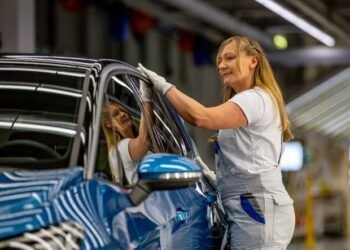 Europe EV Demand Surges as Fuel Prices Rise
 The Green Mile: Country Lane Solar Farm Set to Power 13,000 Homes
 The Sustainable Departure: Crematorium Completes £5m ‘Green’ Transformation
 The Pouch Peril: Dental Experts Probe the ‘Seismic’ Impact of Nicotine Pouches on Oral Health
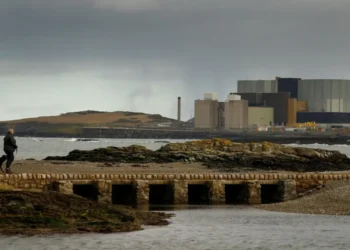 Powering the Future: Green Light for ‘Seismic’ Nuclear Project Promising 8,000 Jobs
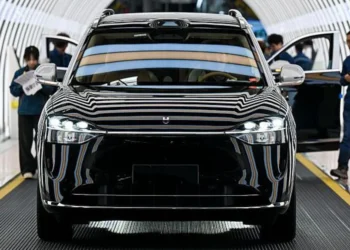 Nature Calls (Virtually): Seres Patents Voice-Activated In-Car Toilet
 Human Capital for AI Infrastructure: Meta Cuts 8,000 Staff to Fuel $135bn Bet
 Reform UK funding: mystery billionaire revealed
 The $2.5 Billion “Speed Breaker”: RBI Battles Digital Fraud Surge
 The Glass Ceiling of the Galaxy: Inside the High-Stakes Succession War at Samsung
 UK firms accused of ‘AI washing’ boom
 AI May Soon Start Conversations on Dating Apps
 Can Ordinary Investors Buy SpaceX Shares?
 How to Exit Your Broadband Contract Without Paying Exit Fees
 UK and US Forge Landmark Deals to Build Modular Nuclear Reactors Across Britain
 Big Pharma Investment Freeze Puts UK Life Sciences Sector Under Strain
 Jaguar Land Rover Extends Production Halt Following Cyber-Attack
 British AI Startup Outshines Human Forecasters in Global Prediction Contest
 Virgin Trains Moves Closer to Challenging Eurostar Monopoly
 New laws to bolster UK’s defences against cyber attacks on NHS, transport and energy
 MPs warn AI financial risks threaten UK stability
 Amazon mistakenly signals new global layoffs to employees
 UK New Car Discounts Near £6,000 as Prices Are Slashed
 BT Names New Openreach Chief Amid Major Fibre Expansion
 Royal Mail Blames Poor Weather and Sickness for Delayed Deliveries
 Live Markets Bet on Spring Rate Cut as Inflation Falls
 City Bets on Rate Cuts as Unemployment Soars
 AI Coding Firm’s ‘Pride’ at Business Award Win
 ‘A Disgrace’ — Patient Blasts Neurology Report
 Uncertainties Loom for Businesses and Consumers After Trump’s Tariff Changes
 Could Trump Threaten London’s £50bn Insurance Giant?
 Revealed: UK AI Push Faces Phantom Investment Claims
 Sarah Ferguson Loses Another £1.5m Amid Financial Struggles
 US Launches Probe into Trading Partners Including EU, China, and India
 Oil Price Jumps Despite Deal to Release Record Amount of Reserves
 ‘Heating Oil Suppliers Are Holding Us to Ransom’ as Prices and Cancellations Surge
 India’s $300bn Outsourcing Industry Faces AI Test
 Spring Awakening: Temperatures to Hit 17°C as Britain Bathes in Sunshine
 John Bengtson: The ‘Silent Film Sleuth’ Who Found History in the Background
 British Businesses Braced as National Living Wage Hits £12.71 Published: 1 April 2026
 The $11k Ticket: High Stakes and Dynamic Pricing in FIFA’s First Open Sale
 National Treasure: Raja Ravi Varma Masterpiece Smashes Indian Art Record with $17.9m Sale
 New Gmail Feature Ends Era of Embarrassing Email Names
 Asian Powers Secure Energy Lifelines as Trump’s Hormuz Deadline Looms
 China and the US: The Divergent Fronts of the Global AI Superpower Race
 Electric Shock: Australians Buy Record Number of New EVs as Fuel Crisis Bites
 War, Windfalls, and the Carbon Trap: The Iran Conflict’s Brutal Energy Math
 Debt Relief or Drop in the Ocean? UK Caps Student Loan Interest at 6%
 ‘The Best Decision I Ever Made’: A Mother’s Viral Plea After a Near-Miss with Lung Disease
 The Great Chokehold: Why the Strait of Hormuz is the Epicenter of the 2026 Crisis
 The Silicon Emerald: How Irish Engineers are Cashing In on the AI Boom
 The Pre-School Lottery: Families Left in ‘Holding Pattern’ as Local Places Vanish
 Moldova River Crisis Exposes War’s Hidden Cost
 Heavier SUVs Accelerate Britain’s Pothole Crisis
 Relief at the Pump: Irish PM Unveils €505m Package to Stem Fuel Crisis
 The Waiting Ward: ‘Month of Worry’ as Doctor Strikes Trigger Seismic Surgery Delays
 ‘The End of the Quiet Era’: Japan Relaxes Arms Export Rules in Historic Pivot From Pacifism
 ‘Economic Sandbags’: UK Retailers Activate Price Rise Contingency Plans as Supply Chain Strains Mount
 ‘Maritime Drones and Steel’: £50m Defence Deals Set to Spark Job Boom in Plymouth and South Yorkshire
 “Jobs Will Go”: Rishi Sunak Warns AI is Already Eroding Entry-Level Opportunities
 Beyond the Swoosh: Anta Sports Overtakes Rivals to Become Global Top Three
 The “Cancer Commute”: Patient Warns of Breaking Point Over 40-Mile Treatment Trek
 Ukraine Urges UK to Seize Russian Oil Tankers
 Older Than Dinosaurs: Secrets of Mayfly Dance Revealed
 “Grounded”: Beijing Implements Total Ban on Drone Sales Citing Capital Security
 Reality Check on Reform: Minister Says Outright Abolition of Leasehold “Impossible”
 End of the “Beefeater” Era: Whitbread to Cut 3,800 Jobs in Radical Strategic Reset
 The “Dry” Life: Teens Trialing Social Media Bans Call Initial Disconnection “Boring” and “Dry”
 The £3,000 License: Learners “Held Hostage” by Cancelled Tests and Shifting Goalposts
 “The Trial’s Strange Turn”: Musk v. Altman Case Veers into Personal Testimony and ‘Sperm Offers’
 US Awaits Iran Reply on New Ceasefire Proposal
 A Massive Legal Triumph Reshapes the Future of AI
 Victoria Labor Launches Apprenticeship Expansion Plan
 Bear Escapes Factory Through Open Window
 Emergency Caesareans Rise Across England
 Zuckerberg Veteran Speaks on AI and Future Jobs