Published: 24 July 2026 | The English Chronicle Desk | The English Chronicle Online
A youth-led protest movement in India that began with anger over examination failures and unemployment has entered a new phase as representatives of the so-called “Cockroach Janta Party” and government officials prepare for talks aimed at resolving a growing political standoff.
The discussions come after weeks of demonstrations that have brought thousands of young people onto the streets, challenging the government over concerns about examination integrity, job opportunities and accountability. The movement, which adopted the unusual name “Cockroach Janta Party” as a symbol of resistance after a controversial remark involving unemployed youth, has become a powerful expression of frustration among parts of India’s younger generation.
The planned talks represent the first significant attempt to ease tensions between protesters and authorities after a period marked by clashes, arrests and accusations of excessive force. While both sides have indicated a willingness to engage, major disagreements remain over the protesters’ demands and the government’s response.

The movement initially gained attention after young Indians reacted strongly to concerns over alleged irregularities in competitive examinations. Millions of students across India rely on these exams as a pathway to government employment and higher education, making allegations of paper leaks and corruption a deeply sensitive issue.
For many protesters, the issue is not limited to individual examination failures. They argue that repeated problems within the recruitment system reflect wider concerns about fairness, transparency and trust in public institutions.
The movement’s supporters say students spend years preparing for competitive exams, often investing significant financial and emotional resources, only to face uncertainty when allegations of misconduct emerge. They argue that stronger safeguards are needed to protect candidates who depend on these systems for their future.
The government has defended its approach, saying it recognises the concerns of students and has taken steps to strengthen examination security. Officials have pointed to investigations, legal action against those accused of wrongdoing and efforts to improve monitoring systems.
However, protesters have continued to demand broader reforms and greater accountability from senior officials.
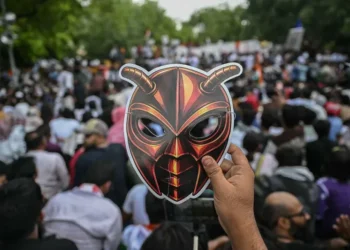
The “Cockroach Janta Party” movement gained its name after a controversial comment comparing unemployed young people to cockroaches sparked widespread criticism online. Instead of rejecting the term, activists adopted it as a symbol of resilience, using humour, online campaigns and creative messaging to attract supporters.
The unusual branding helped the movement spread rapidly on social media platforms, particularly among younger Indians who connected with its message of frustration and demands for change.
Unlike traditional political movements led by established parties, the protest has largely been organised through digital networks and youth groups. Supporters say this gives the movement independence from traditional politics, while critics question its long-term structure and leadership.
The government’s decision to hold talks reflects the growing importance of addressing youth concerns in India’s political landscape.
Young people make up a significant portion of India’s population, and issues such as employment, education and economic opportunity remain major concerns for millions. Political analysts say that dissatisfaction among young voters could influence future debates about governance and development.
The protests have also created political challenges for Prime Minister Narendra Modi’s administration. The government has traditionally maintained strong support among many young Indians, particularly through promises of economic growth, technological advancement and national development.
However, critics argue that rising expectations among young people have increased pressure on authorities to deliver more employment opportunities and ensure fair access to government positions.
The talks are expected to focus on several key issues, including examination reforms, investigation procedures, compensation for affected students and measures to prevent future irregularities.
Protest leaders have indicated that they want clear commitments rather than temporary assurances. They argue that previous promises have not produced sufficient changes and that structural reforms are necessary.
Government representatives, meanwhile, are expected to emphasise existing measures and the need to maintain stability. Officials have warned that protests must remain peaceful and within legal limits.
The earlier demonstrations saw tensions rise after protesters attempted to march towards government institutions. Police used crowd-control measures, including barricades and dispersal methods, leading to criticism from activists and human rights groups.
The response intensified debate about the right to protest and the government’s handling of public demonstrations. Supporters of the movement argued that peaceful protesters should be allowed to express concerns, while authorities said maintaining public order was necessary.
The upcoming discussions could determine whether the dispute moves toward compromise or whether demonstrations continue.
Experts say successful negotiations will require both sides to acknowledge each other’s concerns. Protesters want evidence of meaningful change, while the government wants assurances that discussions will take place without escalating unrest.
The situation also highlights broader challenges facing India’s education and employment systems.
Every year, millions of young Indians compete for a limited number of government jobs, which are often considered highly desirable because of job security and benefits. The intense competition creates significant pressure, and any allegations of unfairness can trigger widespread anger.
Employment remains one of the most important political issues in India, particularly among younger generations entering the workforce. While India’s economy has expanded significantly, critics argue that job creation has not always matched the expectations of a rapidly growing workforce.
The protests have therefore become a wider conversation about opportunity, fairness and the future prospects of India’s youth.
Beyond the immediate dispute, the movement demonstrates how younger generations are changing the nature of political engagement. Social media has allowed young activists to organise quickly, spread messages widely and challenge traditional forms of political communication.
The use of satire and online culture has also helped the movement attract attention beyond conventional protest methods. By turning an insult into a symbol, activists have created a distinctive identity that resonates with supporters.
However, maintaining momentum beyond a specific issue remains a challenge for many grassroots movements. Analysts say the future influence of the “Cockroach Janta Party” will depend on whether it can translate public anger into concrete policy changes.
For now, both sides appear to recognise the importance of dialogue.
The government hopes talks can reduce tensions and demonstrate responsiveness to student concerns. Protesters hope negotiations will deliver genuine reforms rather than symbolic gestures.

The outcome could have implications beyond the immediate dispute. It may shape how future youth movements engage with authorities and how governments respond to demands from a generation increasingly willing to challenge established systems.
As discussions begin, thousands of students and supporters continue to watch closely, waiting to see whether negotiations can end the stalemate or whether the protests will continue.
For India’s young demonstrators, the movement represents a demand for recognition and fairness. For the government, it represents a test of its ability to address the concerns of a politically important generation.
The coming days will determine whether dialogue can replace confrontation and whether the “cockroach” protesters’ unusual campaign can achieve the reforms they have been demanding.
Related News:
 UK University Suspends Human Rights Research Following Pressure from China
 UK University Faces Counter-Terror Probe Over China Pressure
China-critical UK academics face ‘extremely heavy’ pressure from Beijing
UK University Faces Counter-Terror Probe Over China Pressure
China-critical UK academics face ‘extremely heavy’ pressure from Beijing
 Nine Killed in Karachi Consulate Protest
 Victory or Compromise? Tehran’s Streets Erupt in Mixed Emotion Following Ceasefire
 Canadian astronaut French words ease language row
 Southeast Asia Turns to Russia Amid Energy Crisis
 Australia pushes Pacific security pact amid China tension
 BJP Sweeps West Bengal in Historic Breakthrough
 US Awaits Iran Reply on New Ceasefire Proposal
 One Nation Stuns Australia With Historic Farrer Win
 Hormuz Talks Near Critical Stage
 Discontent grows around Putin amid war strain
 Millions Gather for Khamenei’s Six-Day State Funeral
 Venezuela Quake Death Toll Surpasses 4,000
 India’s Youth Revolt Challenges Modi Government
 Labour immigration crackdown could cost UK £4.4bn
 BBC to Apologise Over Edited Trump Speech Amid Backlash
 Britain deploys RAF specialists to assist Belgium with drone threats
 US Justice Department Files Lawsuit Against California Over Partisan Voting Maps
 Greene Pushes Epstein Files Amid Trump Fallout
 Trump Deploys DHS to Charlotte in Major Arrest Operation
 December Run-Off in Chile as Election Produces No Winner
 Canada Passes Carney’s First Budget in Tight Parliamentary Vote
 Shadow Fleet at Sea: Europe’s Battle Against Illicit Oil Shipping
 Pentagon Officials in Ukraine to Discuss War End
 Venezuela Threatens Nobel Winner Machado with Fugitive Status
 Georgians Defy Government Crackdown After Year of Protests
 EU plans $105bn Ukraine aid using frozen Russian assets
 Russia losses Ukraine war peace talks intensify amid rising deaths
 Albanese Opens Door to Bondi Royal Commission Amid Rising Pressure
 Trump Escalates Minnesota Immigration Surge Amid Rising Tensions
 Iran Protesters Defy Crackdown as Violent Clashes Intensify
 Trump Threatens Strong Action If Iran Executes Protesters
 Machado Trump medal gesture reshapes Venezuela power struggle
 EU weighs response amid Greenland tariff crisis with Trump
 UK Ministers Drop Foreign Student Targets for Global Education Push
 EU Says US Ties Have Suffered ‘Big Blow’ After Greenland Crisis
 Andrew Hastie Emerges as Leadership Rival to Ley
 Starmer China visit raises human rights pressure on Beijing
 Cambridge Faces Scrutiny Over Arms Investment Transparency
 Israel Moves to Bar MSF From Gaza Operations
 Tarique Rahman’s Rise Toward Bangladesh’s Top Job
 After the Landslide: Can India Reset Ties with BNP Bangladesh?
 Australian Families Leave Syrian Camp for Home
 Trump Attacks UK-California Energy Pact
 Trump and Chagos Deal Rift Over Iran Strikes
 Andrew Arrest Sparks Republic Debate in Australia
 Global corruption crisis: Who Washington shields
 Farage Chagos Islands Row Sparks Fury
 Trump Speech Sparks Intense Debate Across Divided America
 Has Europe truly learned from the failures of 2022?
 Trump Faces Questions Over Iran Conflict Plan
 Herzog Asio meeting sparks security storm
 Nepal Holds First General Election Since Gen Z Protests Toppled Government
 Pete Hegseth Iran War Remarks Spark Alarm
 Trump Pressures Congress Over Save America Act
 China Moves to Enshrine ‘Ethnic Unity’ Law
 Iranian Football Squad Asylum Drama Shocks Australia
 Queensland Protest Laws Spark Free Speech Backlash
 Eswatini Deal Sparks Global Outcry Over US Deportations
 Yvette Cooper: UK Must Follow Principles, Not US Pressure
 Trump Iran War Stance Hardens as Conflict Widens
 Trump Nato threats expose Iran strategy vacuum
 Philippines energy emergency sparks coal power surge
 Trump Iran Plan Faces Doubts Amid Renewed Tensions
 Trump Facing Backlash from Epstein Survivors Over Files
 Report Says Pezzullo Acted ‘Recklessly’ in Dealings
 US Calls Australia Media Law “Foreign Extortion”
 Capitalism ‘Suicidal’, Warns Petro at Climate Summit
 Cartel crackdown raises fears of fresh violence
 Trump Threatens UN Budget Cuts as US Pushes ‘Trade Over Aid’ Agenda
 US Court Restores Abortion Pill Access Temporarily
 Farage and Reform UK Reshape British Politics
 Xi Arrives in North Korea for Rare Summit
 Trump’s Iran Legacy Hangs on Tehran Deal
 UK Government Cancels Higher Education Programme for Women and Girls
 Bangladesh Balances China Ties as India Relations Improve
 Le Pen to Run for President Despite Embezzlement Conviction
 Le Pen’s Popularity Holds Despite Conviction