Published: 28 August 2025 | The English Chronicle Desk
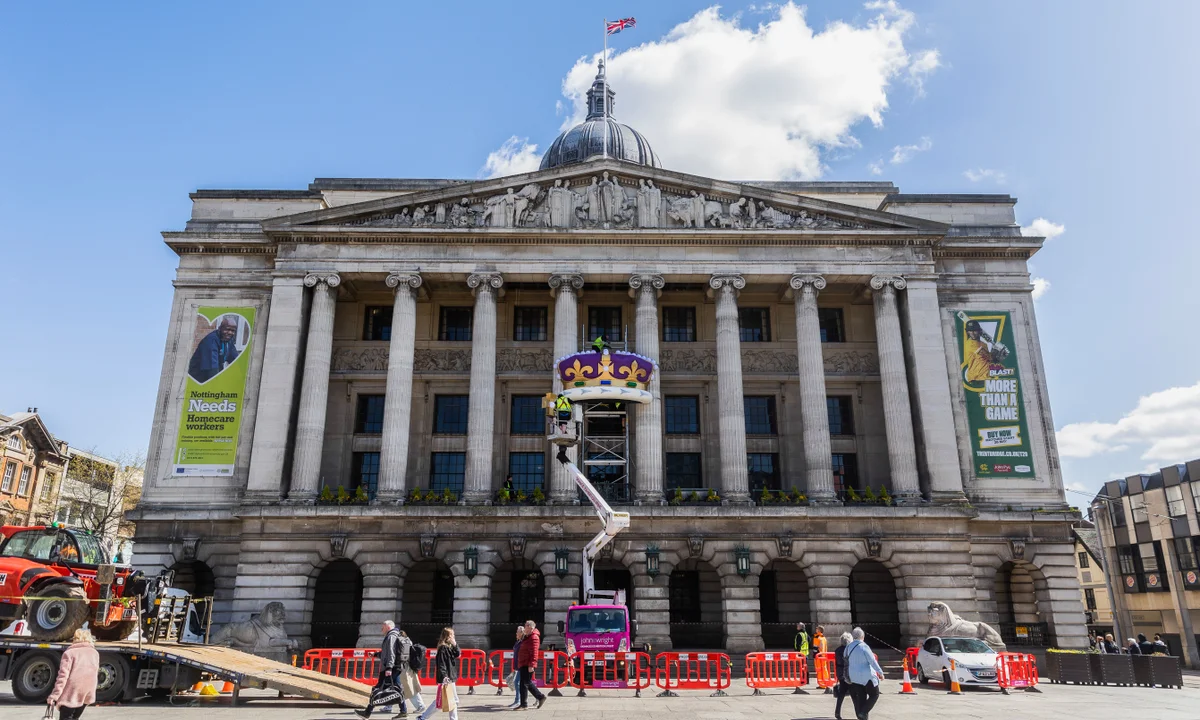
Nottinghamshire has become the centre of a fierce row over press freedom after the county’s Reform-led council announced it would no longer engage with the Nottingham Post, its online edition Nottinghamshire Live, or the team of BBC-funded local democracy reporters managed by the outlet. The unprecedented move, ordered by council leader Mick Barton, has been condemned as a “massive attack on local democracy” and a dangerous indication of Reform’s wider political approach should the party form the next government.
Natalie Fahy, editor of the Nottingham Post and Nottinghamshire Live, confirmed that Barton had imposed the ban following a report on proposed local government restructuring, which allegedly highlighted divisions within Reform’s group of councillors. Fahy described the move as deeply troubling, warning it could foreshadow how Reform might treat the media if it gains national power.

“It’s a massive attack on local democracy,” Fahy said in an interview. “I’ve been a journalist for 20 years, and while councils have often disagreed with our reporting, most accept that scrutiny is part of public life. What you don’t do is shut the shop up. What we’re seeing in Nottinghamshire could be a microcosm of how Reform intends to deal with the press across the UK if Nigel Farage becomes prime minister. Elected officials must remain answerable to the people who voted them in. We don’t take a political stance—we’re not anti-Reform—we’re just doing our job.”
The ban means all 41 Reform councillors on Nottinghamshire County Council are forbidden from giving interviews or statements to the outlet, except in emergency situations such as flooding or school incidents. The council’s press officers have also been instructed to remove Nottinghamshire Live from official media distribution lists, cutting the newsroom off from press releases and event invitations.
The move has already sparked widespread backlash from political rivals and free speech advocates. The Liberal Democrats have written to Reform leader Nigel Farage, urging him to intervene and reverse what they describe as a “dangerous and chilling” decision. They also suggested the ban could breach local government’s code of conduct, which obliges elected officials to “submit themselves to scrutiny.”
Several Labour MPs for Nottinghamshire constituencies have also voiced outrage. Michael Payne, MP for Gedling, branded the decision “rank hypocrisy,” saying: “Reform told us throughout the election, and continues to tell us, that they’re the party of free speech and transparency. But this ban proves those principles only apply when convenient for them.”
Nadia Whittome, MP for Nottingham East, said the council’s actions “set a chilling precedent,” adding: “Reform claim to be champions of free speech, yet they are exposing their true, authoritarian colours.” Jo White, Labour MP for Bassetlaw, described the ban as “a shutting down of democracy,” while Steve Yemm, MP for Mansfield, argued: “Refusing to speak to your local paper is not how you build trust. It’s how you hide.”
The controversy follows weeks of strained relations between the council and local media. Tensions first flared in June when a video clip of a Reform councillor struggling with policy questions went viral. Although relations briefly improved, Barton reportedly moved to sever ties after renewed disputes over coverage of government reorganisation plans.

The decision has now escalated into a national debate over Reform’s credibility on free speech and accountability. With Farage already under pressure to address the growing criticism, the party’s silence has only fuelled speculation about how Reform intends to govern if it gains power.
For now, Nottinghamshire stands as a stark warning of the challenges facing Britain’s local democracy, where elected officials’ willingness to submit to scrutiny is once again being tested.
Related News:
 UK Must Act with Courage and Clarity on Israel-Palestine Conflict, Says Foreign Affairs Committee Report
 Wethersfield Controversy Deepens as Asylum Seeker Numbers Set to Surge by 50%
 Chancellor Faces Mounting Pressure Amid “Impossible Trilemma” Over Tax Rises
 Radioactive Leak at UK’s Nuclear Warhead Base Sparks Outcry Over Safety and Secrecy
 Mass Arrests in London as Protest Defies Ban on Palestine Action
 Mutual Inconvenience: Why Alaska Was Chosen for the Trump-Putin Summit on Ukraine
 Russell T Davies Warns of Declining UK Gay Rights Amid Rise of Reform UK and Trump Influence
 UK Government Expands ‘Deport Now, Appeal Later’ Policy to 23 Countries
 Farage Accuses PM of ‘Democratic Disparity’ in House of Lords Representation
 Chancellor Rachel Reeves Pushes for Sweeping Changes to Environmental Protections to Accelerate Development
 Larger Families Could Gain Thousands if Labour Ends Two-Child Benefit Cap
 Is the UK Ready to Put Boots on the Ground in Ukraine? Assessing Military Capacity and Challenges
 Ory Councils Urged to Challenge Asylum Hotels After Epping Ruling
 Palestine Action Ban Protesters Plan Tactic to Overwhelm Police at Next London Demonstration
 Police Scotland Spends £500,000 Compensating Officers Over Trump Visit
 Britain’s Migration Challenge: Rising Asylum Numbers and Hotel Pressures
 Elon Musk Sparks New Controversy by Backing Tommy Robinson Amid Farage Feud
 Polanski’s Rise Signals a Shift in British Political Landscape
 Angela Rayner Faces Scrutiny as Stamp Duty Row Deepens
 Protests Expected as Israeli Arms Firms Join Global Defence Trade Fair in London
 University of Edinburgh Lecturers Launch Five-Day Strike Amid £140m Budget Cuts
 Norfolk Hospital Ranked Worst in England as NHS League Tables Return
 Are Britain’s Unions Turning Against the Workers They Once Represented?
 UK Rejoining EU ‘Unlikely in My Lifetime,’ Says Starmer’s Europe Reset Negotiator
 UK Urged to Collaborate with NATO on Missile Defence Amid Russian Drone Threat
 Oxford Union Condemns President-Elect’s Comments Following Charlie Kirk Shooting
 ‘Unite the Kingdom’ Rally Sparks Fears of Far-Right Normalisation Among Minority Britons
 France Proposes Ceiling on UK Role in €150bn EU Defence Fund
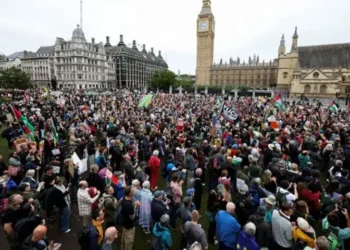 Thousands Gather in London to Protest Donald Trump’s Second UK State Visit
 Tragedy in Hackney: Man Killed and Woman Injured in East London Park Shooting
 Trump Urges UK to “Call Out the Military” to Secure Borders Amid State Visit
 Zarah Sultana Seeks Legal Action After Bitter Clash with Jeremy Corbyn Over Party Membership Funds
 Top Andy Burnham Ally Launches Fierce Critique of Starmer Ahead of Labour Conference
 Mahmood Pledges Reform of Modern Slavery Laws After Court Blocks Deportation Appeal
 It Changed My View’: Campaign Encourages Pupils in Deprived Areas to Consider University
 UK Fighter Jet Purchase Could Breach Nuclear Treaty, Warns CND
 Migrants in UK May Need to Contribute or Face Removal, Home Secretary Signals
 Ed Miliband Urges Labour to Confront Billionaire-Backed Opposition to Net Zero Goals
 A Third of EU Citizens in UK Report Discrimination by Public Bodies Post-Brexit
 Senior Tories Condemn Badenoch’s Vow to Repeal Climate Change Act as Catastrophic
 Home Secretary condemns Gaza protests after Manchester synagogue attack as “un-British”
 Digital ID Plans Ignite Debate Over £600m Treasury Tax Boost and Privacy Concerns
 Robert Jenrick Reiterates Controversial Comments on Birmingham’s Integration as Backlash Grows
 Public Trust in SNP Hits Historic Low Amid NHS Concerns
 Yvette Cooper Backs Digital ID Plan for UK Teens
 Starmer Faces Backlash Over Downing Street Shake-Up and Progressive Exodus
 Johnson Suggests Mandelson Linked to China Spy Controversy
 Ministry of Justice fails to file £11bn in spending receipts
 Witness statements reveal the CPS China spy row collapse in the UK
 Rachel Reeves signals welfare reform ahead of key budget
 Starmer pledges to claw back Baroness Michelle Mone’s Covid contract millions
 Reform UK candidate fined £19,000 after using AI-generated cases to challenge election
 The debate over England’s compulsory reading test for 13-year-olds
 Hermer to face questions on alleged China spy case intervention
 Kosovo agrees to host Britain’s refused asylum seekers
 William Steps Up Over Prince Andrew Palace Response
 UK Health Leaders Push for Urgent Tobacco & Vape Bill
 How the Royal Navy Can’t Stop the Channel Boats
 British Woman in Iran ‘Losing Hope’ Amid Ongoing Detention
 Johnson Approved China’s London ‘Super-Embassy’ in 2018
 BBC Journalist Held and Interrogated in Vietnam
 Green Party Surges Past Labour in Latest UK Poll
 Celebrities and Charities Demand UK Government Act on Child Poverty
 Zarah Sultana Launches Party to Change Politics
 FBI Director Kash Patel Defends Girlfriend Amid Government Jet Claims
 ‘Reckless’ cuts to victims’ services will cost more than they save
 Starmer Faces Growing Dissent as Labour MPs Weigh Leadership Challenge
 Politics latest: Starmer ‘will fight any leadership coup’ as Streeting denies attempt to oust Labour PM
 Pressure Mounts on Starmer to Sack Chief of Staff Over Briefing Row
 Peers Flood Assisted Dying Bill with 942 Amendments
 England’s Special Needs Support Faces Breaking Point
 MoD warned over Excel risks before Afghan data breach
 Labour Faces Historic Decline in Wales
 PM Highlights UK Business at G20 in South Africa
 Kate Forbes: Motherhood Harder Than Politics
 Most Tories Expect to Support a Farage-Led Government
 Labour MP claims devolution bill is ‘blatant discrimination’ against Cornwall
 Millions Face Higher Taxes Under Reeves New Budget
 Peers Get Extra Time to Debate Assisted Dying Bill
 “Enough is Enough”: Local MP Vows to Fight Rainham Quarry Plans