
Published: 12 September 2025 | English Chronicle Desk
An investigation has revealed that more than 750,000 tonnes of liquid from landfills are mixed with sewage at water treatment plants and subsequently spread on farmland across England each year. This toxic byproduct, known as leachate, is generated by hundreds of landfills nationwide and carries a complex mixture of hazardous chemicals, raising serious concerns about environmental contamination and public health.
Leachate is formed when water filters through landfill waste, dissolving chemical compounds from the buried materials. It is regularly transported by tanker to sewage treatment works, where it is combined with domestic sewage and industrial effluent to produce treated liquid discharged into rivers and seas, and solid sludge—commonly referred to as biosolids—sold to farmers as fertiliser. While water companies maintain that the treatment process reduces risk, many toxic substances, including carcinogenic PFAS “forever chemicals,” PCBs, dioxins, flame retardants, solvents, endocrine disruptors, microplastics, and other hazardous compounds, survive and accumulate either in waterways or on farmland.

Analysis conducted by the Guardian in collaboration with Watershed Investigations shows that approximately 3.5 million tonnes of leachate are generated annually, with over 750,000 tonnes sent to sewage works that are ill-equipped to remove the full spectrum of chemicals. The Environment Agency (EA) acknowledged that some liquid wastes should not enter sewage treatment works, calling the practice “essentially a form of laundering” to dilute and disperse toxic substances.
Forensic scientist and PFAS expert Dr Dave Megson expressed alarm at the scale of the issue, noting that most sewage plants are designed for human waste rather than chemical effluents. “Adding large volumes of leachate can disrupt the efficiency of treatment sites,” he said, “and allow thousands of toxic chemicals to enter the wider environment and ultimately the food chain.”
Currently, roughly 1.7 million tonnes of leachate receive only basic biological treatment, with 536,000 tonnes treated this way at water company plants. The influx of such volumes strains already overextended facilities, contributing to raw sewage spills into rivers and seas. Dr Megson warned that the toxic load passing through these plants poses a serious risk, as chemicals are “reconcentrated into sludge and applied directly onto our food,” a situation he described as “an absurd series of events” that demands urgent intervention.
The practice also highlights regulatory gaps. While older inert landfills may produce harmless leachate, many contain highly toxic compounds that are not routinely monitored. Leachate checks at sewage treatment works remain minimal, and sludge is still tested only for heavy metals under outdated rules dating back to 1989, leaving the majority of chemical contaminants unregulated.
The dependency on this system is entrenched. Water companies profit from selling treated sludge to farmers, who accept it as a low-cost fertiliser, while landfill operators view sewage plants as the cheapest disposal option. The EA has acknowledged that some plants accepted leachate without the required permits, likely inflating sludge volumes beyond official figures. The agency is currently drafting standard rules permits for tankered liquid wastes but faces resource constraints in enforcing them comprehensively.
Regional disparities in leachate production are striking. Landfills in the south-west generated 1,264,563 tonnes, followed by the north-west with 719,405 tonnes and the south-east (excluding London) with 500,835 tonnes. Among water companies, Severn Trent Water and United Utilities processed the largest volumes in 2023, receiving 447,000 and 156,000 tonnes, respectively, while Wessex Water, Southern Water, Northumbrian Water, and South West Water handled smaller amounts.

Environmental campaigners have voiced deep concern over the practice. Georgia Elliott-Smith of Fighting Dirty called the fate of toxic liquids from landfill sites “an enormous dirty secret between landfill owners, the EA, and water companies,” suggesting legal action may be pursued if authorities fail to protect public health. Dr Dan Drage of the University of Birmingham echoed the call for stricter upstream regulation, warning that chemicals are often released into the environment decades after production, creating “an almost incomprehensible clean-up job.”
While the Environment Agency and Water UK maintain that waste is treated according to government and agency standards, experts argue that the scale and persistence of chemical pollutants demand immediate review. Without systemic reform, the current cycle of leachate disposal threatens waterways, agricultural land, and food safety across England, highlighting the urgent need for enhanced monitoring, stricter regulation, and a national strategy for hazardous chemical management.
Related News:
 Millions in the UK at Higher Risk of Heart Failure and Stroke Due to Air Pollution, Study Warns
 Concerns Mount Over Accuracy of At-Home Health Tests as Study Calls for Stricter Regulation
 NHS Under Pressure: Waiting Times Soar as Staffing Crisis Deepens
 The Ketamine Crisis in the UK is a Silent Epidemic Leaving Users with Lifelong Pain
 Heathrow Unveils £21 Billion Third Runway Plan to Boost UK Connectivity Amid Environmental Concerns
 UK Launches World-First Gonorrhoea Vaccine Amid Record Infection Surge
 Storm Floris Paralyzes Scotland: Emergency Response in Motion as Travel Disruption Worsens
 Southern Water’s Bid to Draw from Rare River Test Sparks Outcry from Conservationists and Campaigners
 Woman Warned She Might Need Leg Amputation to Survive After Liquid Brazilian Butt Lift
 AI Tools Used by English Councils Found to Downplay Women’s Health Issues, Raising Concerns Over Gender Bias in Care
 England Braces for Prolonged Dry Spell as National Drought Group Urges Urgent Water-Saving Measures
 Cats Develop Dementia Similarly to Humans, Study Finds
 Appalling Rise in Pharmacy Crimes: Staff Face Increasing Theft and Aggression
 Alarming rise in abusive teen relationships in the UK sparks urgent warnings
 Learner Drivers to Face CPR and Defibrillator Questions in New Theory Tests
 Inquest Finds Agency Worker Failings Led to Unlawful Death of Vulnerable 14-Year-Old
 UK Patients Face Steep Price Rise for Weight-Loss Drug Mounjaro
 Shocking Rise in Children’s Exposure to Violent Online Pornography Raises Alarm
 Baby Food Manufacturers Given 18 Months to Improve Nutrition and Labelling
 Why E-Bikes and E-Scooters Are Making Streets a ‘Nightmare’ for Blind People
 Norfolk Hospital Ranked Worst in England as NHS League Tables Return
 Britain’s Butterfly Numbers Rebound but Remain Average
 NHS Trials £100 Blood Test That Could Revolutionise Alzheimer’s Diagnosis
 More Than Half of UK Births Now Involve Medical Intervention
 UK Graduates in Healthcare Report Highest Satisfaction with Degree Choices
 NHS ‘Toxic Culture’ Risks Harm to Mothers and Babies, Health Leader Warns
 Rivers in English and Welsh National Parks Suffer Sewage Pollution at Twice the National Rate
UK Doctors Guilty of Sexual Misconduct Continue Practising Amid Weak Sanctions, Research Finds
Rivers in English and Welsh National Parks Suffer Sewage Pollution at Twice the National Rate
UK Doctors Guilty of Sexual Misconduct Continue Practising Amid Weak Sanctions, Research Finds
 Private Psychology Costs Surge in UK as Practitioners Turn Away Clients Amid Record Demand
 Heavy Drinkers Lead Growth in Non-Alcoholic and Low-Alcohol Market
 Omeprazole Alert: NHS Issues Guidance on Safe Use for Heartburn and Indigestion
 Labour Announces Pay Boost and New Negotiating Body to Address England’s Care Sector Crisis
 Starmer Unveils Plan for NHS “Online Hospital” to Tackle Waiting Lists
 Tragic Death Strikes Half-Marathon in Stoke-on-Trent: Runner Dies Shortly After Crossing Finish Line
 Call to Allow ‘Safe and Effective’ At-Home Abortions Up to 12 Weeks in the UK
 One in four UK residents fear a loved one drinks excessively as addiction concerns rise
 Eligibility Confusion Over COVID Vaccination Leaves Pharmacies Struggling Across the UK
 Majority of UK Men Would Opt for Prostate Cancer Screening, Survey Finds
 Scientists Announce First Potentially Accurate Blood Test for Chronic Fatigue Syndrome
One in Three UK Workers Call in Sick After Work Drinks as Cultural Pressures Persist, Survey Finds
Scientists Announce First Potentially Accurate Blood Test for Chronic Fatigue Syndrome
One in Three UK Workers Call in Sick After Work Drinks as Cultural Pressures Persist, Survey Finds
 NHS Facilities Staff Vote to Strike Over Pay Discrimination
 NHS May Pay 25% More for Medicines Amid US Drug Talks
 Survey Shows Most GPs Rushing Appointments
 NHS Staff Strike Over £30m Pay Discrimination Claim
 Ambulance Worker Fired After Flinging Amputee from Wheelchair and Offering Bribe
 With Most MPs Unaware of Urgency, UK Faces Hurdle to Reach Net Zero
 Women Challenge Meta Over Targeted Ads After Miscarriage
 Mum’s Final Wish: Donating Her Body to Science
 Genetic Tests May Predict Return of Blood Cancer
 UK Woman Becomes Longest Survivor of Heart-Lung Transplant
£18 Prostate Cancer Test Could Save Thousands of Lives
UK Woman Becomes Longest Survivor of Heart-Lung Transplant
£18 Prostate Cancer Test Could Save Thousands of Lives
 Thousands in the UK sue Johnson & Johnson over alleged talcum powder, linked to cancer
 Pregnant Women in England Face Rising Risk of Severe Birth Injury
 ‘Game-Changing’ HIV Prevention Jab Set for NHS Approval
 One in 12 Secondary Pupils Sent to Isolation Weekly
 UK Health Leaders Push for Urgent Tobacco & Vape Bill
 Man Trapped in Quicksand Rescued in Dramatic Coastal Rescue
 Hospice Cuts Raise Alarm Across England Amid Funding Crisis
 Five More Prisoners Freed by Mistake in Essex Week
Morning-After Pill Now Free Across England’s Pharmacies
Five More Prisoners Freed by Mistake in Essex Week
Morning-After Pill Now Free Across England’s Pharmacies
 Celebrities and Charities Demand UK Government Act on Child Poverty
 Experts Warn on Home Birth Risks, Call for Skilled Midwives
 Prince William Plants Trees with Brazil’s Nature Heroes
 Experts Urge Legal Right to Timely Cancer Care
 London’s Childlessness Crisis: Schools Closing as Families Shrink
 Jailed UK climate protesters face extremist-style restrictions
 North Sea oil workers must lose weight or face job loss
 Crisis charity to become landlord amid UK housing emergency
 Leading doctors issue warning amid ‘bad’ flu season
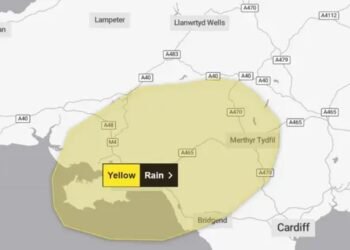 New weather warning issued with risk of flooding
 UK launches major AI drive to fight deadly superbugs
 ‘Traumatic Wait’: Northern Ireland Women Face Breast Cancer Delays
 Welsh Government Christmas 2020 Lockdown Criticised
 Coffins Now Too Large to Cremate Amid Rising Obesity Crisis
 Clifftop Lodges Spark Fears Over Jurassic Coast Stability
 NHS paediatric leave parents waiting months for answers
 Catherine urges end to stigma around addiction
 Delhi’s Toxic Air Crisis Leaves Children Sick and Vulnerable
 Fibromyalgia Patients Struggle as NHS Fails to Provide Care
 “Enough is Enough”: Local MP Vows to Fight Rainham Quarry Plans