Published: 26 September 2025. The English Chronicle Desk
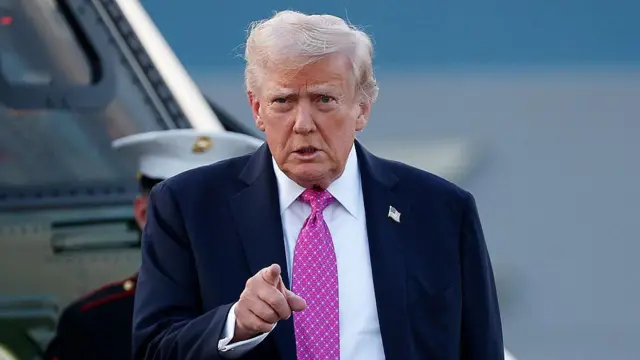
The White House has announced a fresh wave of tariffs on a range of imported goods, targeting the pharmaceutical, automotive and furniture industries in one of the most sweeping protectionist measures of Donald Trump’s second presidential term. The new duties, unveiled on Thursday through the president’s preferred platform, Truth Social, will see branded and patented pharmaceutical imports face tariffs of up to 100 per cent beginning 1 October unless companies move production to the United States. Heavy-duty trucks will be subjected to a 25 per cent tariff, while kitchen and bathroom cabinets will attract a 50 per cent levy. Additional measures will also extend to upholstered furniture, which will face a 30 per cent tariff starting next week.
In a statement defending the tariffs, President Trump said the measures were necessary to protect domestic manufacturers against what he described as a large-scale “flooding” of products from foreign countries. “These industries have been under siege from unfair outside competition,” the president wrote. “American companies will be protected from the onslaught of outside interruptions.” The announcement marks the latest escalation of Trump’s aggressive trade agenda, which in recent months has expanded to cover more than 90 countries under blanket tariffs, while also targeting individual industries ranging from steel and aluminium to vehicles and copper.
The new pharmaceutical tariffs are among the most controversial aspects of the package. They target some of America’s closest trading partners, including the United Kingdom, Ireland, Germany, Switzerland and Japan, all of which are major exporters of branded drugs to the US market. The United Nations reported that the UK alone exported more than $6 billion (£4.5 billion) worth of pharmaceuticals to the US in 2024. For companies based in Europe and Asia, the tariffs present both a significant financial challenge and a test of supply chain resilience.
European officials were quick to respond. Ireland’s Trade Minister Simon Harris insisted that the tariffs should not apply to European producers, citing a joint EU-US agreement signed on 21 August that capped pharmaceutical duties at 15 per cent. “I want to stress that the EU and US joint statement made absolutely clear that any new tariffs announced by the US on pharmaceuticals would be capped at 15% for pharma products being exported by the EU,” Harris said on Friday, signalling that Brussels would likely push back against Washington’s latest move.

The UK government also expressed concern. A spokesperson said London was actively engaging with Washington to seek clarity and assurances for British exporters. “We know this will be concerning for industry, which is why we’ve been actively engaging with the US and will continue to do so over the coming days,” the spokesperson said. Analysts warn that the uncertainty alone could disrupt investment plans in the sector, particularly for companies that rely heavily on US sales.
Industry experts have already described the pharmaceutical sector as being on a “rollercoaster ride” in recent months, owing to persistent speculation over tariffs and regulatory changes. Jane Sydenham, investment director at Rathbones, told BBC Radio 4 that stock prices across the sector had been under sustained pressure on both sides of the Atlantic. “Nobody likes uncertainty, and that’s been keeping a cloud over the sector for a while,” she explained.
Still, some economists suggest that the impact of the tariffs may not be as severe as initial headlines suggest. Neil Shearing, chief economist at Capital Economics, noted that generic medicines remain exempt, as do companies willing to establish or expand production facilities within the United States. “Many of the world’s largest pharmaceutical companies either already have some production in the US or have announced plans to build production in the near future,” Shearing said. As a result, the policy could accelerate a trend that is already underway, with global drugmakers investing in American manufacturing capacity to secure continued access to the market.
The tariffs on heavy-duty trucks and parts are intended to protect domestic manufacturers such as Peterbilt and Mack Trucks. Trump has long accused foreign competitors of undermining US producers through cheaper imports, particularly from Mexico, Canada, Germany, Finland and Japan. Yet the new duties have alarmed industry groups. The US Chamber of Commerce warned earlier this year that it would be “impractical” to expect American producers to fully source truck components domestically. Mexico and Canada, it said, accounted for more than half of all imported parts for the medium- and heavy-duty truck sector in 2024. “These countries are allies or close partners of the United States posing no threat to national security,” the Chamber noted, adding that tariffs risk raising production costs and, ultimately, consumer prices.
The furniture and cabinet tariffs mark another front in Trump’s economic nationalism. Imports of kitchen and bathroom cabinets, along with upholstered furniture, have risen significantly in recent years, challenging US producers who claim to be squeezed by low-cost foreign rivals. The new 50 per cent and 30 per cent duties, respectively, are designed to curb this trend. But trade specialists argue that consumers will bear much of the burden. “The tariffs favour domestic producers but are terrible for consumers as prices are likely to rise,” said Deborah Elms of the Hinrich Foundation. She added that the duties go further than Trump’s earlier reciprocal tariffs, which were framed as efforts to rebalance trade. Instead, the latest levies reflect a broader protectionist strategy aimed at both boosting domestic jobs and shoring up government revenues as earlier policies face legal challenges in US courts.
For Trump, tariffs remain one of the defining tools of his second presidency, a policy that resonates with his political base while reinforcing his broader message of economic self-sufficiency and industrial revival. Supporters argue that such measures are long overdue, given years of offshoring and import reliance. Critics, however, warn that the strategy risks inflaming trade tensions with allies, raising costs for American consumers, and undermining the global trading system.

As October approaches and the new tariffs take effect, attention will turn to how affected industries adapt. Pharmaceutical companies may accelerate US investment, truck manufacturers will weigh higher production costs against limited domestic supply chains, and furniture producers will consider whether tariffs alone can revive American competitiveness in a global market. What is clear is that the debate over tariffs—once considered a niche policy issue—has become a defining fault line in US economic strategy under Trump.
Related News:
 Kinnock’s Rebuke Echoes Loudly as Corbyn Allies Launch Left-Wing Breakaway: “A Gift to Farage”
 Tories in Turmoil as Sir Jake Berry’s Defection to Reform Sparks Fears of Further Exodus
 UK and Norway Forge Stronger Ties Through Joint Sanctions and Enhanced Defence Cooperation
 Trump Administration Dismisses 17 Immigration Judges, Sparking Debate Over Judicial Independence
 Lammy Condemns Israel’s Targeting of Starving Palestinians: Sanctions Threatened Amid Global Outrage
 Northern Ireland Family of Three Shot Dead in Maguiresbridge Home Incident
 Netanyahu Announces Plan to Take Over Gaza City, Escalating Conflict Further
 Prominent Al Jazeera Journalist Anas al-Sharif Among Five Reporters Killed in Israeli Airstrike on Gaza
 High-Stakes Diplomacy: Trump and Putin Head to Alaska for Historic Peace Talks
 Manchester City Announce Their Return in Style with Haaland Double and Debut Goals at Wolves
 Where Is Prince William and Kate Middleton’s New House? Inside the Historic Lodge Set to Become Their ‘Forever Home’
 Los Angeles’ Alleged ‘Ketamine Queen’ Agrees to Plead Guilty in Connection with Matthew Perry’s Death
 Costa Blanca Holiday Horror as Food Poisoning Outbreak Hits Four-Star Hotel
 Lisbon’s Historic Funicular Turns to Tragedy: The Elevador da Glória Derailment
 Lisbon Funicular Disaster Claims 17 Lives in Shocking Crash
 France Recognises Palestinian State as Trump Prepares to Address UN General Assembly
 Public Executions in Gaza City Captured on Video Amid Ongoing Conflict
 Macron Phones Trump Over Traffic Jam in New York
 Denmark Investigates Professional Drone Incursions Across Multiple Airports, No Evidence of Russian Involvement
 Nicolas Sarkozy Sentenced to Five Years in Jail in Libya Campaign Financing Case
 Sir Sadiq Khan Accuses Trump of Racism and Islamophobia Following UN Remarks
 Comey Indictment Deepens Fears of Political Retribution Under Trump
 Assumption Island Dispute Dominates Seychelles Election as Environment, Economy and Geopolitics Collide
 Tony Blair Considered for Leadership Role in Transitional Gaza Authority
 Trump Unveils Gaza Peace Plan Amidst Deep-Seated Challenges
 Bournemouth Stun Fulham with Dramatic Comeback in Premier League Thriller
 Japan’s First Female Governing-Party Leader Emerges Amid Ultra-Conservative Politics
 Misinformation and Political Pressure Force Weston-super-Mare to Abandon Refugee Sanctuary Plan
 Arsenal Showcase Depth and Flexibility as Arteta Eyes Title Challenge
Trump Presses for Urgent Progress as Cairo Talks Aim to Halt Gaza War
Arsenal Showcase Depth and Flexibility as Arteta Eyes Title Challenge
Trump Presses for Urgent Progress as Cairo Talks Aim to Halt Gaza War
 French Prime Minister Lecornu Resigns After Just 26 Days in Office, Deepening Political Crisis
 Nobel Peace Prize Officials Probe Suspicious Online Bets
 Hope Amid Heartbreak: The Stories Behind the Freed Israeli Hostages
 Zelensky to Urge Missile Aid as Trump and Putin Plan Summit
 Barnes Inspires Newcastle to Champions League Triumph Over Benfica
City shine with PlayStation-style football to overwhelm Villarreal
Barnes Inspires Newcastle to Champions League Triumph Over Benfica
City shine with PlayStation-style football to overwhelm Villarreal
 Fabio Wardley stuns Joseph Parker to earn Usyk title shot
 US Super-Rich Are Draining Planet’s Safe Climate Space
 Tragedy on Lizard Island: Cruise Passenger Dies
 Fed Cuts US Interest Rates Again Amid Labour Market Uncertainty
 UK Charters Emergency Flights to Evacuate Britons from Jamaica
 Hurricane Melissa Leaves Devastation Across Jamaica as Death Toll Rises
 Mikie Sherrill Elected New Jersey’s Governor in Key Win
 US Senate Passes Funding Bill to End Historic Shutdown
 BBC’s Tim Davie to Address Staff Amid Trump $1bn Threat
 Thailand Suspends Cambodia Border Peace Deal Amid Tensions
 Hannibal Gaddafi Freed After Nearly a Decade in Lebanon
 Fog Aids Russian Forces in Deep Push into Pokrovsk
 Hitler’s DNA Confirms He Truly Had Only One Testicle
 Victoria Signs Historic Treaty with Indigenous Peoples
 US Justice Department Files Lawsuit Against California Over Partisan Voting Maps
 Israel Confirms Returned Hostage as Meny Godard
 Orban Says Ukraine Has ‘No Chance’ as EU Support Continues
 Israeli Strike Kills 13 Near Palestinian Camp in Lebanon
 Zelensky Meets US Envoy in Turkey to Push Ukraine Peace Talks
 Congress Approves Release of Epstein Files, Trump Expected to Sign
 Haiti Qualifies for World Cup Despite Coach Never Visiting Country
 Rama Rebukes Mahmood for Targeting Albanian Families
 Russian Vessel Used Lasers on RAF Pilots, UK Claims
 Scotland Fans Celebrate Historic World Cup Qualification
 Pentagon Officials in Ukraine to Discuss War End
 Vietnam Battles Deadly Floods as Rains Continue
 WhatsApp Messages Expose Nathan Gill’s Bribery
 Venezuela Threatens Nobel Winner Machado with Fugitive Status
 At Least Three Dead in Bangladesh Earthquake
 Texas Governor Faces Lawsuit From CAIR
 Israel Confirms Hamas Returned Dror Or’s Body
 Trump Envoy to Discuss Ukraine Peace at Kremlin
 Twenty-Four Nigerian Schoolgirls Freed After Abduction
 Two National Guard Soldiers Critically Injured Near White House
 Pope Leo XIV Begins Historic Trip to Turkey and Lebanon
 Mbappe Scores 4 as Real Madrid Edge Olympiakos
 Man City Lose, Champions League Risk
 Sri Lanka Floods Leave 56 Dead, Dozens Missing
 India’s Labour Law Overhaul Sparks Fierce Debate
 Video shows Israeli troops kill Palestinians after surrender
 Trump to Recheck Green Cards from 19 Nations After DC Attack
 Chinese & Japanese Boats Clash Near Disputed Islands
 Putin Meets US Envoy Amid Key Ukraine Peace Talks
 Indonesia to Repatriate Two Dutch Drug Convicts