Published: 03 October 2025. The English Chronicle Desk
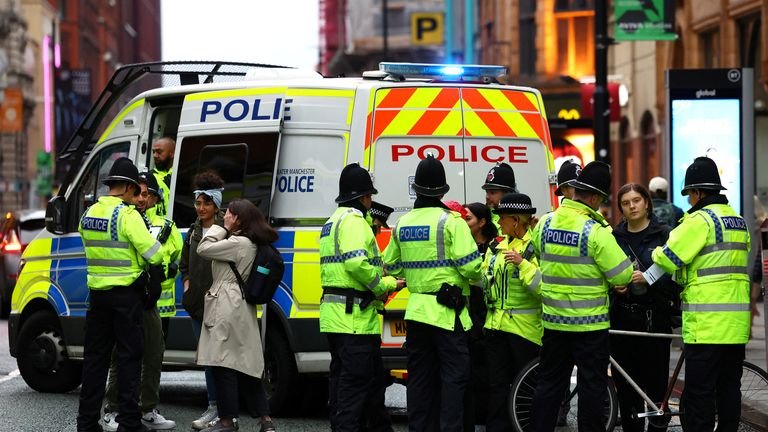
A recent survey has revealed a marked deterioration in the sense of safety among Jewish communities across the United Kingdom, showing how the repercussions of the 7 October 2023 attacks continue to resonate more than two years later. According to the findings, conducted by the Institute for Jewish Policy Research (JPR) during June and July 2025, 35% of British Jews reported feeling unsafe in their own country. This represents a sharp rise from 9% before the October 2023 attacks, highlighting a profound shift in public perception and the lived experiences of Jewish citizens in the UK.
The survey also found that perceptions of antisemitism have intensified considerably over the years. Nearly half of respondents, 47%, described antisemitism as a “very big” problem in Britain, an increase from just 11% in 2012. Beyond mere perceptions, the study revealed that 32% of respondents had personally experienced at least one antisemitic incident in 2024. These findings are further corroborated by data from the Community Security Trust (CST), which monitors antisemitic incidents nationwide. From January to June 2025, CST recorded 1,521 cases across the UK, making this the second-highest half-year total in its history. The only higher figure occurred in the immediate aftermath of the 7 October attacks in 2024, when 2,019 incidents were reported.

The geographic concentration of antisemitic events is also telling. Greater London and Greater Manchester, home to the largest Jewish populations in the country, accounted for 968 of the total incidents, indicating that urban centers with substantial Jewish communities have borne the brunt of rising hostility. According to the CST, this trend highlights a sustained climate of fear and targeted aggression, with antisemitism intertwined with political discourse, media coverage, and global conflicts.
The JPR report sheds light on the nuanced ways in which British Jews are navigating this challenging environment. The study found that emotional attachment to Israel has increased in recent years, with 75% of respondents reporting some form of connection, and 49% describing themselves as “very attached.” These figures represent a notable rise from the pre-October 2023 period, when 72% felt connected and 40% felt “very attached.” At the same time, identification as anti-Zionist has also grown from 8% in 2022 to 12% in 2025, particularly among younger Jews aged 20 to 29, a demographic in which anti-Zionist identification now stands at 24%, up from 13% in 2022.
While 64% of respondents continue to identify as Zionist, criticism of Israel’s conduct in Gaza has also become more pronounced. In 2025, 51% of survey participants stated that Israel’s actions in Gaza conflicted with their Jewish values, a rise from 40% in 2024. This growing tension reflects the complex moral and political dilemmas faced by British Jews, who must reconcile their cultural and religious identity with international conflicts that increasingly touch their everyday lives. Dr. Jonathan Boyd, JPR’s executive director, commented on the findings, emphasizing the resilience of the community. “Despite the considerable political and emotional turmoil surrounding them, the sense of Jewish identity and engagement in communal life remains largely intact. This resilience should not be mistaken for immunity, however, as many individuals continue to feel insecure, isolated, and morally conflicted,” he said.
The survey findings intersect closely with the ongoing work of the CST, which notes that antisemitism remains at consistently high levels, particularly in the context of the Israeli-Palestinian conflict. Of the 1,521 antisemitic incidents recorded in the first half of 2025, 779 were directly linked to Israel, Gaza, the 7 October Hamas attack, or the subsequent regional conflicts. A total of 703 incidents demonstrated anti-Zionist political motivation alongside overt antisemitic abuse. In 210 cases, the terms “Zionist” or “Zionism” were explicitly used, and in 172 incidents, comparisons were drawn between Israel and Nazi Germany, demonstrating how political and racial animosities are intertwined.
The monthly breakdown of incidents in 2025 illustrates the volatility of the situation. Each month in the first half of the year saw at least 200 antisemitic incidents. June recorded the highest monthly figure of 326 incidents, coinciding with escalations in Israeli military operations in Gaza and rising tensions in the broader Middle East, including the ongoing war between Israel and Iran. These statistics underline the complex interplay between international geopolitical events and local social cohesion, showing how global conflicts can exacerbate community-level vulnerabilities and intensify feelings of insecurity among minority populations.
Community leaders and advocacy organizations have highlighted the psychological and social impacts of this heightened antisemitism. Many British Jews report feeling anxious and hesitant to openly express their identity, particularly in areas where incidents have been frequent. Educational programs, interfaith dialogue, and community security measures have all been implemented to address these concerns, but the survey indicates that such efforts have yet to fully restore a sense of safety among the population.

The report also emphasizes that while British Jews are navigating a challenging environment, their engagement with Jewish life remains strong. Religious participation, cultural activities, and connection to Jewish values have largely been maintained despite rising hostility. This underscores both the resilience of the community and the ongoing need for policies and initiatives that protect minority groups from discrimination, harassment, and threats to their physical safety.
Experts argue that the increase in antisemitic incidents is not merely a response to global events but also reflects the domestic social climate. Media narratives, political rhetoric, and public debates about Israel and Palestine appear to have a significant impact on perceptions of safety and experiences of discrimination. The CST noted that these trends indicate a broader societal issue that requires sustained attention and proactive engagement from policymakers, law enforcement, and community organizations.
In conclusion, the findings from the JPR survey, supported by CST statistics, present a sobering picture of the challenges facing the UK’s Jewish population. With nearly one-third of the community experiencing antisemitic incidents and more than a third feeling unsafe, the data highlights a pressing need for interventions that address both physical safety and social inclusion. At the same time, the resilience and continued engagement of British Jews with their cultural and religious identity serve as a reminder of the strength of the community in the face of adversity. The survey and accompanying data underscore the ongoing interplay between international events, local social dynamics, and minority experiences, painting a comprehensive picture of a community under stress but determined to maintain its presence and identity in the United Kingdom.
Related News:
 The Ketamine Crisis in the UK is a Silent Epidemic Leaving Users with Lifelong Pain
 Wethersfield Controversy Deepens as Asylum Seeker Numbers Set to Surge by 50%
 Prince Harry Cleared of Bullying Allegations Amid Charity Dispute Fallout
 Woman Warned She Might Need Leg Amputation to Survive After Liquid Brazilian Butt Lift
 Heartbreak in the New Forest as Shetland Ponies Vanish, Community on Edge
 Russell T Davies Warns of Declining UK Gay Rights Amid Rise of Reform UK and Trump Influence
 Alarming rise in abusive teen relationships in the UK sparks urgent warnings
 Inquest Finds Agency Worker Failings Led to Unlawful Death of Vulnerable 14-Year-Old
 Shocking Rise in Children’s Exposure to Violent Online Pornography Raises Alarm
 EuroMillions Record-Breaking £210m Jackpot Won by Lucky Lottery Ticket Holder
 Human Remains Discovered in Lancashire May Be Those of Children, Police Say
 Akinwale Arobieke Found Dead at Liverpool Home
 Why E-Bikes and E-Scooters Are Making Streets a ‘Nightmare’ for Blind People
 UK Warned It’s on Course to Fail in Efforts to Wipe Out Bovine TB
 London to Regulate Pedicabs: Music Turned Down, Fares Set by the Minute
 UK Retail Sales Rise in August, but Tax Concerns Loom Over Festive Period
 Norfolk Hospital Ranked Worst in England as NHS League Tables Return
 More Than Half of UK Births Now Involve Medical Intervention
 Birmingham Bin Strike Enters Sixth Month as Negotiations Stall
 Over 40% of Private Renters Forced to Ration Energy to Afford Bills, Study Reveals
 UK Wage Growth Remains High, But Cost of Living Pressures Bite
 One in Three GPs in England Do Not Work in NHS, Raising Concerns Over Access to Care
 Persistent Offenders Owe Over £700m in Ulez Fines as TfL Cracks Down on Evasion
 UK Doctors Guilty of Sexual Misconduct Continue Practising Amid Weak Sanctions, Research Finds
Northern Ireland Faces Fears of Prolonged Race Riot “Permacrisis”
UK Doctors Guilty of Sexual Misconduct Continue Practising Amid Weak Sanctions, Research Finds
Northern Ireland Faces Fears of Prolonged Race Riot “Permacrisis”
 Zarah Sultana Seeks Legal Action After Bitter Clash with Jeremy Corbyn Over Party Membership Funds
 Scottish Teenager’s Petition on Single-Use Plastics Gains Parliamentary Support
 White Low-Income Pupils in England Show Lowest Levels of School Engagement, Study Finds
 Patricia Crowther, Known as UK’s Oldest Witch, Dies Aged 97
 Ed Miliband Warns UK Government on X, Citing Elon Musk as a “Dangerous Influence”
 Starmer Unveils Plan for NHS “Online Hospital” to Tackle Waiting Lists
 A Third of EU Citizens in UK Report Discrimination by Public Bodies Post-Brexit
 Marks & Spencer Staff to Work on Boxing Day for First Time in Five Years Amid Cost-Cutting Measures
 UK households brace for October benefit payments and rising energy costs amid cost-of-living pressures
 Jilly Cooper: The Bonkbuster Queen Who Redefined Romantic Fiction
 Celebrity Traitors First Look: A Star-Studded Highland Adventure That Hooks from the Start
 Majority of UK Men Would Opt for Prostate Cancer Screening, Survey Finds
 Ambulance Worker Fired After Flinging Amputee from Wheelchair and Offering Bribe
 Women Challenge Meta Over Targeted Ads After Miscarriage
 Mum’s Final Wish: Donating Her Body to Science
 UK Woman Becomes Longest Survivor of Heart-Lung Transplant
£18 Prostate Cancer Test Could Save Thousands of Lives
UK Woman Becomes Longest Survivor of Heart-Lung Transplant
£18 Prostate Cancer Test Could Save Thousands of Lives
 Pregnant Women in England Face Rising Risk of Severe Birth Injury
 One in 12 Secondary Pupils Sent to Isolation Weekly
 Lotto result jackpot draw halted due to technical glitch
 UK Health Leaders Push for Urgent Tobacco & Vape Bill
 Prince Andrew May Leave Royal Lodge for Frogmore Cottage
 King Charles Heckled Over Prince Andrew-Epstein Links
 Prunella Scales: From Fawlty Towers Icon to Beloved Canal Explorer
 Hospice Cuts Raise Alarm Across England Amid Funding Crisis
 UK Woman Loses Child Benefit After Booking Flight She Never Took
 UK launches search for first-ever ‘town of culture’ to highlight overlooked areas
 Mass Stabbing on Doncaster to London Train Leaves Ten Injured
 Children to Learn Local History in Major Curriculum Overhaul
 Experts Warn on Home Birth Risks, Call for Skilled Midwives
 The Lowry Hotel: Manchester’s Iconic Five-Star Retreat
 Prince William Plants Trees with Brazil’s Nature Heroes
 Greta Thunberg Backs Student Facing UK Visa Revocation
 Newcastle United Lifts Ban on Fan Over Gender-Critical Views
 Jailed UK climate protesters face extremist-style restrictions
 How to get help when a child goes missing – call 999 urgently
 ‘Reckless’ cuts to victims’ services will cost more than they save
 UK toy market enjoys bumper year as ‘kidults’ fuel demand
 Politics latest: Starmer ‘will fight any leadership coup’ as Streeting denies attempt to oust Labour PM
 Son Reveals UK Couple in Iran Resort to Hunger Strike for Help
 New weather warning issued with risk of flooding
 UK Asylum Overhaul Sparks Debate Over Human Rights and Deportations
 Mum Calls for New Licence Rules After Teen Road Death
 £1 Breakfast Club Brings Parents Together in Sheffield
 Mother Watches in Horror as Teen Daughter Dies on Tracks
 ‘Traumatic Wait’: Northern Ireland Women Face Breast Cancer Delays
 Commuters warned as yellow snow and ice alert hits Northern Ireland
 Kate Forbes: Motherhood Harder Than Politics
 Coffins Now Too Large to Cremate Amid Rising Obesity Crisis
 Labour MP claims devolution bill is ‘blatant discrimination’ against Cornwall
 Fibromyalgia Patients Struggle as NHS Fails to Provide Care
 Machynlleth High Street Left Without Christmas Lights
 Search underway for British man overboard off Tenerife
 “Enough is Enough”: Local MP Vows to Fight Rainham Quarry Plans
 Virgin Media Fined £23.8m Over Telecare Safety Failures