Published: 03 September ‘2025. The English Chronicle Desk. The English Chronicle Online
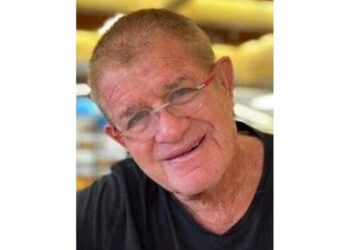
Eli Sharabi, a former Israeli hostage whose wife and two daughters were brutally killed in the Hamas attacks of 7 October, has shared a rare and deeply personal account of his ordeal, emphasizing both the pain of his loss and his determination to rebuild his life. Captured during one of the deadliest attacks on Israel in recent memory, Sharabi spent 491 harrowing days in captivity before his release in February 2025, only to discover that his wife, Lianne, and daughters, Noiya, 16, and Yahel, 13, had been executed shortly after his abduction. Despite the unimaginable grief, Sharabi is trying to maintain a sense of hope and positivity as he confronts the aftermath of his personal tragedy.
In his first in-depth interview since returning home, Sharabi recounted the morning of 7 October 2023, when Hamas gunmen stormed Kibbutz Be’eri, a small Israeli community near the Gaza border. The attack claimed around 1,200 lives and left 251 people taken hostage. He vividly described the desperate moments his family spent hiding in a safe room before being confronted by armed militants. Though he tried to protect his wife and children, he was forcibly separated from them. “I understood it’s the moment I’ve probably been kidnapped. So, I just turned my head towards my girls and shouted ‘I’ll be back’ — and that was the last time I saw them,” he recalled.
Sharabi’s captivity began in a mosque in Gaza, where he was assaulted by Palestinian civilians and subjected to severe physical abuse. For much of the 16 months he was held, he remained tied with ropes and iron chains, enduring beatings that left him with broken ribs and breathing difficulties. He described periods of near-starvation, often surviving on a single meal a day consisting of minimal bread. In the cramped network of tunnels controlled by Hamas, conditions were squalid and inhumane, offering little sanitation and constant exposure to violence.

Yet, amid the suffering, Sharabi resolved to survive. He drew strength from the promise he had made to his daughters to return home. “I really, really believed from the first moment I will survive that,” he said. This determination sustained him through months of isolation, deprivation, and abuse, ultimately enabling his release through a high-profile hostage deal facilitated in part by U.S. President Donald Trump.
Even as he regained his freedom, the reality of his family’s death confronted him with new anguish. On the day of his release, the joy of liberation was quickly replaced by the news that Lianne, Noiya, and Yahel had been shot dead during his captivity. Sharabi described the moment he realized the worst had occurred: “I cried for a few minutes, and I said to myself ‘I can cry all day, but it will not help me to bring back Lianne, Noiya, and Yahel. And I need my family with me.’”
In the months since his return to Israel, Sharabi has demonstrated remarkable resilience. He has dedicated himself to advocating for the safe release of the remaining hostages still held by Hamas, numbering around 20, and has publicly expressed concern over the fragile peace process in Gaza. A 20-point plan proposed by President Trump and Israeli Prime Minister Benjamin Netanyahu aims to halt hostilities and secure the immediate release of hostages in exchange for detained Palestinians, though Hamas officials have indicated they may reject the proposal. Sharabi stresses the urgency of diplomatic efforts, warning that continued fighting directly endangers those still in captivity.
His reflections extend beyond personal grief to a broader moral perspective on the conflict. “War is awful, people are suffering from war, but we can’t forget who started that, and who’s the bad guy and who’s the good guy,” he said. Despite the loss and trauma, Sharabi is committed to advocating for peace and remaining engaged with the global effort to secure the freedom of hostages.
Sharabi’s story has also served as a powerful testimony to the human spirit’s resilience. He has undertaken a book project titled Hostage, recounting his experiences to ensure that the world understands the physical, psychological, and emotional toll of being held captive. His ordeal, marked by survival against extreme odds, has made him a symbol of perseverance and hope.
Even while carrying the weight of unimaginable loss, Sharabi refuses to let grief define him. He emphasized that the memory of his family accompanies him in every moment, not as a source of despair, but as a motivation to live fully and positively. “It was very tough, but I really, really love life… I’m trying to be positive. I’m working on that,” he said. Strangers in Israel recognize his courage, often approaching him to call him a hero, reflecting the public acknowledgment of both his suffering and his remarkable fortitude.
Sharabi’s experience highlights the human cost of ongoing conflicts in the Middle East, shedding light on the plight of hostages, the devastating impact on families, and the persistent challenges to peace in the region. As he continues to rebuild his life, advocate for the remaining hostages, and navigate the complexities of grief and survival, Eli Sharabi embodies the enduring strength of those who have endured extreme adversity while maintaining hope for a safer, more just future.

The story of Eli Sharabi is not just one of personal tragedy; it is a testament to the resilience of the human spirit and the enduring pursuit of peace amid chaos. His voice, emerging from the trauma of captivity and loss, serves as a powerful call for humanity, compassion, and the urgent need to protect innocent lives caught in the crossfire of conflict.
Related News:
 Kinnock’s Rebuke Echoes Loudly as Corbyn Allies Launch Left-Wing Breakaway: “A Gift to Farage”
 Tories in Turmoil as Sir Jake Berry’s Defection to Reform Sparks Fears of Further Exodus
 UK and Norway Forge Stronger Ties Through Joint Sanctions and Enhanced Defence Cooperation
 Trump Administration Dismisses 17 Immigration Judges, Sparking Debate Over Judicial Independence
 Lammy Condemns Israel’s Targeting of Starving Palestinians: Sanctions Threatened Amid Global Outrage
 Northern Ireland Family of Three Shot Dead in Maguiresbridge Home Incident
 Netanyahu Announces Plan to Take Over Gaza City, Escalating Conflict Further
 Prominent Al Jazeera Journalist Anas al-Sharif Among Five Reporters Killed in Israeli Airstrike on Gaza
 High-Stakes Diplomacy: Trump and Putin Head to Alaska for Historic Peace Talks
 Manchester City Announce Their Return in Style with Haaland Double and Debut Goals at Wolves
 Where Is Prince William and Kate Middleton’s New House? Inside the Historic Lodge Set to Become Their ‘Forever Home’
 Los Angeles’ Alleged ‘Ketamine Queen’ Agrees to Plead Guilty in Connection with Matthew Perry’s Death
 Costa Blanca Holiday Horror as Food Poisoning Outbreak Hits Four-Star Hotel
 Lisbon’s Historic Funicular Turns to Tragedy: The Elevador da Glória Derailment
 Lisbon Funicular Disaster Claims 17 Lives in Shocking Crash
 France Recognises Palestinian State as Trump Prepares to Address UN General Assembly
 Public Executions in Gaza City Captured on Video Amid Ongoing Conflict
 Macron Phones Trump Over Traffic Jam in New York
 Denmark Investigates Professional Drone Incursions Across Multiple Airports, No Evidence of Russian Involvement
 Nicolas Sarkozy Sentenced to Five Years in Jail in Libya Campaign Financing Case
 Sir Sadiq Khan Accuses Trump of Racism and Islamophobia Following UN Remarks
 Comey Indictment Deepens Fears of Political Retribution Under Trump
 Trump Imposes Sweeping Tariffs on Pharmaceuticals, Trucks and Furniture Imports
 Assumption Island Dispute Dominates Seychelles Election as Environment, Economy and Geopolitics Collide
 Trump Unveils Gaza Peace Plan Amidst Deep-Seated Challenges
 Bournemouth Stun Fulham with Dramatic Comeback in Premier League Thriller
 Japan’s First Female Governing-Party Leader Emerges Amid Ultra-Conservative Politics
 Misinformation and Political Pressure Force Weston-super-Mare to Abandon Refugee Sanctuary Plan
 Arsenal Showcase Depth and Flexibility as Arteta Eyes Title Challenge
Trump Presses for Urgent Progress as Cairo Talks Aim to Halt Gaza War
Arsenal Showcase Depth and Flexibility as Arteta Eyes Title Challenge
Trump Presses for Urgent Progress as Cairo Talks Aim to Halt Gaza War
 French Prime Minister Lecornu Resigns After Just 26 Days in Office, Deepening Political Crisis
 Nobel Peace Prize Officials Probe Suspicious Online Bets
 Hope Amid Heartbreak: The Stories Behind the Freed Israeli Hostages
 Zelensky to Urge Missile Aid as Trump and Putin Plan Summit
 Barnes Inspires Newcastle to Champions League Triumph Over Benfica
City shine with PlayStation-style football to overwhelm Villarreal
Barnes Inspires Newcastle to Champions League Triumph Over Benfica
City shine with PlayStation-style football to overwhelm Villarreal
 Fabio Wardley stuns Joseph Parker to earn Usyk title shot
 US Super-Rich Are Draining Planet’s Safe Climate Space
 Tragedy on Lizard Island: Cruise Passenger Dies
 Fed Cuts US Interest Rates Again Amid Labour Market Uncertainty
 UK Charters Emergency Flights to Evacuate Britons from Jamaica
 Hurricane Melissa Leaves Devastation Across Jamaica as Death Toll Rises
 Mikie Sherrill Elected New Jersey’s Governor in Key Win
 US Senate Passes Funding Bill to End Historic Shutdown
 BBC’s Tim Davie to Address Staff Amid Trump $1bn Threat
 Thailand Suspends Cambodia Border Peace Deal Amid Tensions
 Hannibal Gaddafi Freed After Nearly a Decade in Lebanon
 Fog Aids Russian Forces in Deep Push into Pokrovsk
 Hitler’s DNA Confirms He Truly Had Only One Testicle
 Victoria Signs Historic Treaty with Indigenous Peoples
 US Justice Department Files Lawsuit Against California Over Partisan Voting Maps
 Israel Confirms Returned Hostage as Meny Godard
 Orban Says Ukraine Has ‘No Chance’ as EU Support Continues
 Israeli Strike Kills 13 Near Palestinian Camp in Lebanon
 Zelensky Meets US Envoy in Turkey to Push Ukraine Peace Talks
 Congress Approves Release of Epstein Files, Trump Expected to Sign
 Haiti Qualifies for World Cup Despite Coach Never Visiting Country
 Rama Rebukes Mahmood for Targeting Albanian Families
 Russian Vessel Used Lasers on RAF Pilots, UK Claims
 Scotland Fans Celebrate Historic World Cup Qualification
 Pentagon Officials in Ukraine to Discuss War End
 Vietnam Battles Deadly Floods as Rains Continue
 WhatsApp Messages Expose Nathan Gill’s Bribery
 Venezuela Threatens Nobel Winner Machado with Fugitive Status
 At Least Three Dead in Bangladesh Earthquake
 Texas Governor Faces Lawsuit From CAIR
 Israel Confirms Hamas Returned Dror Or’s Body
 Trump Envoy to Discuss Ukraine Peace at Kremlin
 Twenty-Four Nigerian Schoolgirls Freed After Abduction
 Two National Guard Soldiers Critically Injured Near White House
 Pope Leo XIV Begins Historic Trip to Turkey and Lebanon
 Mbappe Scores 4 as Real Madrid Edge Olympiakos
 Man City Lose, Champions League Risk
 Sri Lanka Floods Leave 56 Dead, Dozens Missing
 India’s Labour Law Overhaul Sparks Fierce Debate
 Video shows Israeli troops kill Palestinians after surrender
 Trump to Recheck Green Cards from 19 Nations After DC Attack
 Chinese & Japanese Boats Clash Near Disputed Islands
 Putin Meets US Envoy Amid Key Ukraine Peace Talks
 Indonesia to Repatriate Two Dutch Drug Convicts