Published: 15 October 2025. The English Chronicle Desk. The English Chronicle Online.
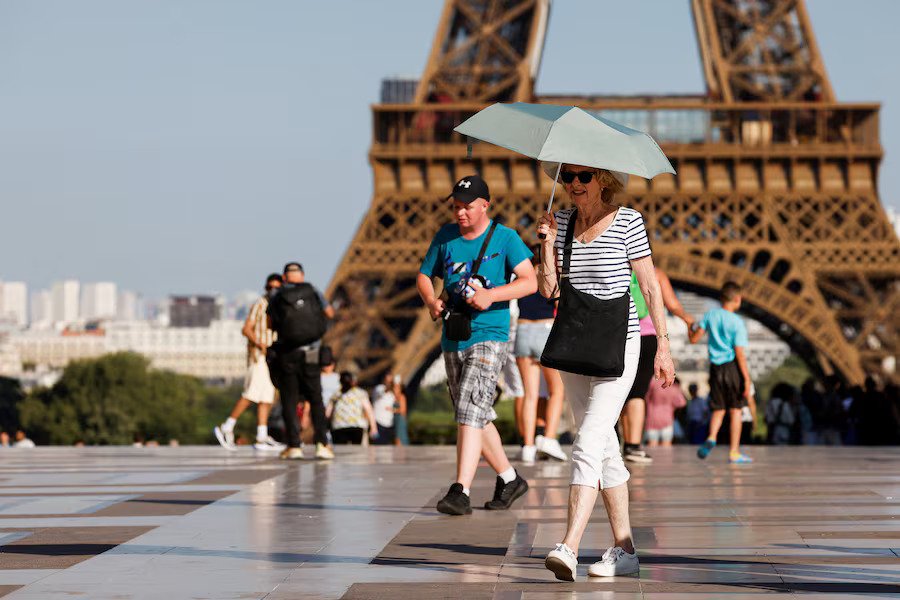
Britain must prepare for a global temperature rise far beyond what scientists have deemed safe, climate advisers have warned, as current government plans to protect against extreme weather appear inadequate. The country faces a future in which heatwaves, droughts, wildfires, and floods could become commonplace, transforming the landscape and daily life within just a few decades.
According to the Climate Change Committee (CCC), heatwaves could strike in at least four out of every five years in England by 2050, while the duration of droughts could double. Peak wildfire conditions in July may nearly triple, and flooding is expected to increase throughout the year, with some peak river flows rising by up to 40%. Campaigners caution that the impacts foreseen would make the UK “look very different, very quickly” within just 25 years.

The CCC stressed that existing buildings and infrastructure must be upgraded to withstand temperatures at least 2C higher than current norms by 2050, rather than the 1.5 °C that nations have set as a target limit. Any new constructions intended to last decades should be prepared for up to 4C above preindustrial levels—a threshold at which scientists predict global devastation could occur.
Julia King, a crossbench peer and chair of the CCC subcommittee responsible for adaptation to climate impacts, said current measures are far from sufficient. “Up to now, adaptation has been underresourced and underfunded,” she said. “A lack of action to address the impacts of the climate crisis will leave the UK dangerously exposed. There’s a lot of climate change already baked in.”
King emphasised that the 1.5 million new homes the government plans to build must be resilient to higher temperatures. The effects of global heating are already being felt across public services, from the NHS to schools, transport, communications, and energy networks, and these pressures are only expected to increase.
While the CCC has not yet calculated the cost of making infrastructure resilient to 2 °C or even 4 °C of warming, King argued that upfront investment would likely be lower than the cost of inaction. She added that even if buildings cannot be fully future-proofed today, they should be constructed in ways that allow for relatively easy upgrades in the decades ahead.
Experts emphasise that the difference between 1.5 °C and of warming is far more significant than many realise. Martin Juckes of the University of Oxford, who was not involved with the committee’s work, noted that “tipping points” could be triggered at 2 °C above preindustrial levels, potentially causing sudden and severe consequences, such as the collapse of ice sheets, which would raise sea levels and further disrupt global climate systems.
Douglas Parr, chief scientist at Greenpeace UK, warned that government urgency is needed. “Alarm bells should be ringing that doubled chances of heatwaves, droughts, and wildfires will make life in the UK look very different, very quickly: impacting how safe we are in our homes, what food we eat, and how we get around,” he said. “UK households, businesses, and emergency services are already struggling with worsening weather shocks.”
The CCC’s guidance comes in response to a request from Emma Hardy, Minister for Flooding in the Department for Environment, Food and Rural Affairs, to provide recommendations for protecting the country against flooding and other climate impacts. Parr stressed that all government departments must take note of the CCC’s warnings. “This has implications across health, housing, transport, and business, so No. 10 must not leave this solely to Defra,” he said. “The Treasury must mobilise funds for UK adaptation, financed fairly by taxing fossil fuel companies profiting from worsening the crisis.”
In May, the CCC will publish a detailed report outlining what a “well-adapted” UK could look like, including the necessary steps to safeguard infrastructure against future climate risks. King also expressed concern over the erosion of political consensus on climate action. “The work of the committee has always had cross-party support. It’s very disappointing to see that fracturing, particularly with the leader of the Conservatives suggesting withdrawal from the Climate Change Act,” she said. “We must not lose agreement on the need to address climate impacts.”
Alongside infrastructure recommendations, a separate report published the same day highlighted the urgent need to reform the UK’s food system to withstand climate pressures. The report, informed by input from 150 scientists, warned that food security must be treated as a matter of national security. It called for reductions in meat consumption, lower UK livestock numbers, and a radical overhaul of farm subsidies to prioritise greenhouse gas reduction and biodiversity preservation.

The report also recommended creating a “national food system transformation committee” reporting directly to the prime minister. The authors argued that such reforms would not only enhance climate resilience but also boost the economy, save billions for the NHS, and improve overall living standards.
Neil Ward, a professor at the University of East Anglia and co-lead of the Agri-Food for Net Zero network, emphasised the urgency of immediate action. “Pressures from climate change, global shocks, and poor diets mean significant change to our food system is inevitable over the next 50 years. If we act now, we still have time to shape our future and positively impact national security, health, economic growth, and climate change. If we do not, change will be forced upon us by crisis,” he said.
The CCC’s warnings underline the stark reality that without comprehensive planning, adaptation, and reform, Britain faces a future of increasingly extreme weather events that will touch every aspect of daily life. From the homes we live in to the food we eat, the urgency to act decisively has never been greater.
Related News:
 UK Wasp Numbers Soar After Unusually Warm and Dry Spring
 UK Weather: Rain Expected Above Average This Autumn, but Drought Likely to Persist
 Britain’s Butterfly Numbers Rebound but Remain Average
 Scottish Teenager’s Petition on Single-Use Plastics Gains Parliamentary Support
 History Will Remember Who Showed Up: Pressure Mounts on Keir Starmer to Attend Cop30 Summit
 With Most MPs Unaware of Urgency, UK Faces Hurdle to Reach Net Zero
 Prince William Plants Trees with Brazil’s Nature Heroes
 Nicola Sturgeon Urges SNP to Oppose New Oil Fields
 Jailed UK climate protesters face extremist-style restrictions
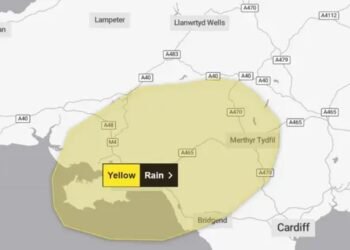 New weather warning issued with risk of flooding
 The Ketamine Crisis in the UK is a Silent Epidemic Leaving Users with Lifelong Pain
 Wethersfield Controversy Deepens as Asylum Seeker Numbers Set to Surge by 50%
 Prince Harry Cleared of Bullying Allegations Amid Charity Dispute Fallout
 Woman Warned She Might Need Leg Amputation to Survive After Liquid Brazilian Butt Lift
 Heartbreak in the New Forest as Shetland Ponies Vanish, Community on Edge
 Russell T Davies Warns of Declining UK Gay Rights Amid Rise of Reform UK and Trump Influence
 Alarming rise in abusive teen relationships in the UK sparks urgent warnings
 Shocking Rise in Children’s Exposure to Violent Online Pornography Raises Alarm
 Human Remains Discovered in Lancashire May Be Those of Children, Police Say
 Akinwale Arobieke Found Dead at Liverpool Home
 Why E-Bikes and E-Scooters Are Making Streets a ‘Nightmare’ for Blind People
 UK Warned It’s on Course to Fail in Efforts to Wipe Out Bovine TB
 Millions in the UK at Higher Risk of Heart Failure and Stroke Due to Air Pollution, Study Warns
 London to Regulate Pedicabs: Music Turned Down, Fares Set by the Minute
 UK Retail Sales Rise in August, but Tax Concerns Loom Over Festive Period
 Birmingham Bin Strike Enters Sixth Month as Negotiations Stall
 Over 40% of Private Renters Forced to Ration Energy to Afford Bills, Study Reveals
 One in Three GPs in England Do Not Work in NHS, Raising Concerns Over Access to Care
 Persistent Offenders Owe Over £700m in Ulez Fines as TfL Cracks Down on Evasion
 UK Doctors Guilty of Sexual Misconduct Continue Practising Amid Weak Sanctions, Research Finds
 Northern Ireland Faces Fears of Prolonged Race Riot “Permacrisis”
 Zarah Sultana Seeks Legal Action After Bitter Clash with Jeremy Corbyn Over Party Membership Funds
 White Low-Income Pupils in England Show Lowest Levels of School Engagement, Study Finds
 Ed Miliband Warns UK Government on X, Citing Elon Musk as a “Dangerous Influence”
 Starmer Unveils Plan for NHS “Online Hospital” to Tackle Waiting Lists
 A Third of EU Citizens in UK Report Discrimination by Public Bodies Post-Brexit
 UK households brace for October benefit payments and rising energy costs amid cost-of-living pressures
 Jilly Cooper: The Bonkbuster Queen Who Redefined Romantic Fiction
 Celebrity Traitors First Look: A Star-Studded Highland Adventure That Hooks from the Start
 Massive London Poundland Fire Engulfs High Street
 Sussexes Warn on Children’s Phone Use Echoing Princess of Wales
 Women Challenge Meta Over Targeted Ads After Miscarriage
 £18 Prostate Cancer Test Could Save Thousands of Lives
 Pregnant Women in England Face Rising Risk of Severe Birth Injury
 King urges faster action on climate change initiatives
 One in 12 Secondary Pupils Sent to Isolation Weekly
 UK Health Leaders Push for Urgent Tobacco & Vape Bill
 Prince Andrew May Leave Royal Lodge for Frogmore Cottage
 King Charles Heckled Over Prince Andrew-Epstein Links
 Hospice Cuts Raise Alarm Across England Amid Funding Crisis
 UK Woman Loses Child Benefit After Booking Flight She Never Took
 UK launches search for first-ever ‘town of culture’ to highlight overlooked areas
 Mass Stabbing on Doncaster to London Train Leaves Ten Injured
 Children to Learn Local History in Major Curriculum Overhaul
 Experts Warn on Home Birth Risks, Call for Skilled Midwives
 The Lowry Hotel: Manchester’s Iconic Five-Star Retreat
 Greta Thunberg Backs Student Facing UK Visa Revocation
 Newcastle United Lifts Ban on Fan Over Gender-Critical Views
 How to get help when a child goes missing – call 999 urgently
 ‘Reckless’ cuts to victims’ services will cost more than they save
 UK Faces Arctic Blast as Polar Vortex Disruption Brings Heavy Snow
 UK toy market enjoys bumper year as ‘kidults’ fuel demand
 Politics latest: Starmer ‘will fight any leadership coup’ as Streeting denies attempt to oust Labour PM
 Son Reveals UK Couple in Iran Resort to Hunger Strike for Help
 UK Asylum Overhaul Sparks Debate Over Human Rights and Deportations
 Mum Calls for New Licence Rules After Teen Road Death
 £1 Breakfast Club Brings Parents Together in Sheffield
 Mother Watches in Horror as Teen Daughter Dies on Tracks
 ‘Traumatic Wait’: Northern Ireland Women Face Breast Cancer Delays
 Commuters warned as yellow snow and ice alert hits Northern Ireland
 Kate Forbes: Motherhood Harder Than Politics
 Coffins Now Too Large to Cremate Amid Rising Obesity Crisis
 Clifftop Lodges Spark Fears Over Jurassic Coast Stability
 Labour MP claims devolution bill is ‘blatant discrimination’ against Cornwall
 Delhi’s Toxic Air Crisis Leaves Children Sick and Vulnerable
 Fibromyalgia Patients Struggle as NHS Fails to Provide Care
 Machynlleth High Street Left Without Christmas Lights
 Search underway for British man overboard off Tenerife
 “Enough is Enough”: Local MP Vows to Fight Rainham Quarry Plans
 Virgin Media Fined £23.8m Over Telecare Safety Failures