Published: 10 January 2026. The English Chronicle Desk. The English Chronicle Online.
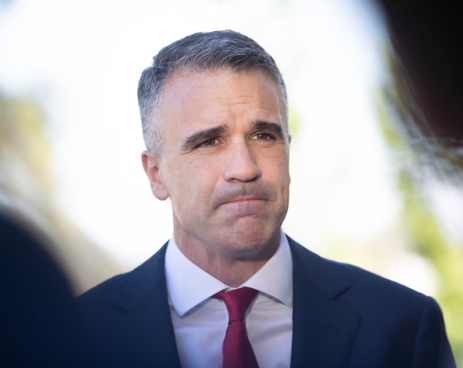
The Adelaide festival controversy has intensified as the South Australian premier firmly denied pressuring the board to drop Randa Abdel-Fattah, while confirming his agreement with their decision. The focus on Randa has sparked heated public debate, highlighting tensions between cultural sensitivity and freedom of expression. Premier Peter Malinauskas stressed that the law prohibits him from directing the board, yet he expressed his opinion that Dr Abdel-Fattah’s inclusion in Adelaide Writers’ Week was not supported by the state government. The controversy has now escalated as prominent cultural figures openly challenge the decision.
On Thursday, the Adelaide festival board removed Palestinian Australian academic and author Randa Abdel-Fattah from the program, citing “cultural sensitivity” following the recent Bondi attack. The decision immediately drew criticism from the literary community and raised concerns about censorship and political influence on cultural institutions. Malinauskas stated, “By law, I cannot direct the Board. I fully respect this legislation and have made it clear I would not seek to intervene.” Despite his denial of exerting pressure, his public support for the exclusion of Randa Abdel-Fattah has been interpreted by some as indirect influence.

The removal has prompted an open letter signed by 11 leading cultural figures, including former festival artistic directors and executives, demanding Abdel-Fattah’s reinstatement. Rob Brookman, who has led the festival in multiple roles over three decades, drafted the letter with cosignatories Neil Armfield, Jo Dyer, Jim Sharman, and Anthony Steel. The letter emphasized that canceling Abdel-Fattah’s participation was a serious mistake, damaging the reputation of both the festival and Adelaide Writers’ Week.
The letter stressed, “To revoke [Abdel-Fattah’s] invitation inevitably draws a direct and appalling connection between her presence and the Bondi outrage. Silencing and censorship are not the pathways to community cohesion.” The authors highlighted that the festival had previously supported Palestinian speakers and questioned why the board abandoned its longstanding backing for festival director Louise Adler. Adler is set to deliver her fourth Adelaide Writers’ Week program from 28 February to 4 March, and her previous efforts to include diverse voices have faced similar scrutiny.
In 2023, during a similar debate, Malinauskas opposed government intervention in cultural programming, warning that such actions could set a precedent where politicians decide cultural appropriateness. “It’s a path to a future where politicians determine what is culturally acceptable,” he said, cautioning against comparisons to authoritarian regimes. However, the current decision to remove Randa Abdel-Fattah has reignited public discourse about the balance between political opinion, cultural sensitivity, and artistic freedom.
The controversy has sparked broader discussions across literary and academic communities, with nearly fifty writers reportedly boycotting the festival in protest. Public reactions reflect concerns about freedom of expression, especially regarding Palestinian voices, and question whether political considerations should override artistic programming. Social media campaigns have amplified the debate, with hashtags and opinion pieces highlighting both support and criticism for the board’s decision.
Legal experts note that while the premier cannot direct the board, his public statements create a nuanced influence that can sway institutional decisions. The Adelaide festival board now faces significant scrutiny, balancing public sentiment, political context, and its commitment to open dialogue. Observers have described the decision as a test of Australia’s cultural maturity and its willingness to uphold principles of free speech amid sensitive national events.

Cultural commentators emphasize that festivals serve as platforms for dialogue and understanding, not just entertainment. Silencing voices like Randa Abdel-Fattah’s may undermine the very purpose of such gatherings. The open letter further argued that an about-face by the board, though potentially embarrassing, would restore the festival’s credibility and reaffirm its international significance. Many in the literary world hope the decision sparks reflection rather than compliance driven by fear.
As the debate continues, Adelaide Writers’ Week faces increased scrutiny and public attention. Festival organizers, authors, and audiences are calling for transparency and principled action. Whether Randa Abdel-Fattah will be reinstated remains uncertain, but the discussion has undeniably elevated conversations about artistic freedom, political influence, and the responsibilities of cultural institutions in Australia. With prominent figures voicing opposition, the festival’s next steps could redefine its identity and reaffirm its commitment to inclusive, courageous programming.
The focus on Randa Abdel-Fattah’s exclusion underscores tensions between political opinion and cultural expression. It highlights the need for institutions to balance sensitivity with robust debate. Public engagement, media scrutiny, and open letters demonstrate the importance of defending intellectual and creative freedom even in politically charged circumstances. For now, the controversy surrounding Adelaide Writers’ Week continues to provoke discussion across Australia and internationally.
Related News:
 Army Officers Orders to Cut Ties with Men-Only Clubs
 Trump’s UK Ambassador Urges North Sea Drilling to Strengthen US Ties
BBC to Apologise Over Edited Trump Speech Amid Backlash
Trump’s UK Ambassador Urges North Sea Drilling to Strengthen US Ties
BBC to Apologise Over Edited Trump Speech Amid Backlash
 Britain deploys RAF specialists to assist Belgium with drone threats
 Millionaires group urge Reeves to introduce wealth tax to ‘lift kids out of poverty’
 Reeves rejects £1bn plea for NHS redundancy payouts
 PM Condemns Leaks, Vows Loyalty to Ministers and Stability
 Major Rent Reform Ends No-Fault Evictions in England
 Greene Pushes Epstein Files Amid Trump Fallout
 December Run-Off in Chile as Election Produces No Winner
 Shadow Fleet at Sea: Europe’s Battle Against Illicit Oil Shipping
 Georgians Defy Government Crackdown After Year of Protests
 ICC to Rule on Duterte’s Provisional Release
 Starmer Says Labour’s Economic Plan Needs Years to Deliver
 Ley Triumphs in Royal Commission Debate, Paving Way for Unity
 Police Chief Faces Calls Amid Guildford Resignation Controversy
 Trump Policies Boost China’s Global Rise, Survey Finds
 Kyrsten Sinema Faces High-Profile Lawsuit Over Marriage Interference
 Iran unrest slows under brutal crackdown and global tensions
 Starmer Resists Matching Trump Amid Greenland Tensions
 UK Government Borrowing Drops to £11.6bn in December
 Andy Burnham and the Labour Rift Over Power and Leadership
 Huge mistake: Labour blocks Burnham from byelection bid
 Labour targets Greens on drugs in Gorton Denton byelection
 Greens nominate Hannah Spencer for Gorton and Denton byelection
 Thousands Protest ICE Operations in Nationwide US Day of Action
 EU Signals Open Mind on UK Customs Union Talks
 Starmer Condemns ‘Depraved’ Russian Strikes on Ukraine
 Labour Thinktank Row Deepens Over Journalist Probe Claims
 Herzog visit sparks protests across Australian cities
 Labour Lord Doyle Apologises Over Paedophile Ties in Political Storm
 Cabinet Secretary Shake-Up Triggers Due Diligence Warning
 Starmer Faces Inquiry Calls Over Thinktank Probe
 Royal Mail Delivery Crisis Deepens Amid Weather Chaos
 UK shelves £110m border project amid trade strain
 AFP Reviews Pauline Hanson Comments
 California Democrats Vow Trump Reckoning
 Trump Tariffs Threat Spark UK and EU Alarm
 Trump’s Surgeon General Pick Evades Vaccine Questions
 The Dangerous Rise of Remigration Across Modern Europe
 US to offer passport services in West Bank settlements
 Green Party Stuns Labour in Gorton and Denton Byelection
 Labour Together scandal sparks clean break vow
 Iran Defiance Grows Amid US-Israel War Pressure
 Starmer Praised for Stance on Trump and Iran Conflict
 NHS Plans to Cut Overseas Workers Labeled Overambitious
 Danish Election Deadlock Shakes Frederiksen’s Grip
 Pope Rebukes Leaders for War as Middle East Tensions Rise
 Army Probes Apache Flyover at Kid Rock’s Nashville Estate
 Farage Shuns Truss as US Right-Wing Roadshow Hits London
 Chancellor Meets Supermarket Chiefs Over Living Costs
 Italian Town Buys Mussolini Villa to Keep Away Fascist Fans
 Report Says Pezzullo Acted ‘Recklessly’ in Dealings
 Suspected Plot Targets Pipeline Before Hungary Vote
 Trump Defiant After Washington Hotel Shooting
 Starmer Survives Mandelson Rebellion
 Trump approval plunges amid Iran war fears
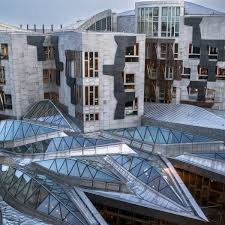 Tough Fiscal Realities Await Next Scottish Government
 US ‘Narco Boat’ Strikes Draw Global Outcry
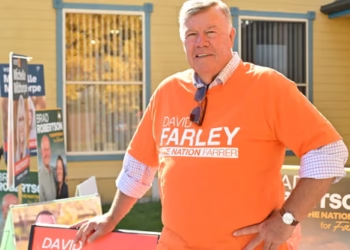 One Nation Candidate’s Surprising Ties to Independents
 Labour Members Doubt Starmer Future as Burnham Leads Poll
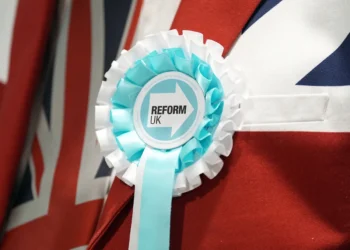 Reform UK Faces Crisis as Newly Elected Councillors Resign
 Tony Abbott Returns as New Liberal Party President
 Discontent grows around Putin amid war strain
 Secret Role of UK Security Services in Troubles Amnesty Law
 The Hidden Crisis Eroding Trust in British Communities
 Deepfake Abuse on X Sparks Safety Concerns for Dissidents
 Starmer Resolves to Fight Burnham in Leadership Battle
 US Courts Back Trump on Park Signage Removals
 Hollie Ridley to Step Down as Labour General Secretary
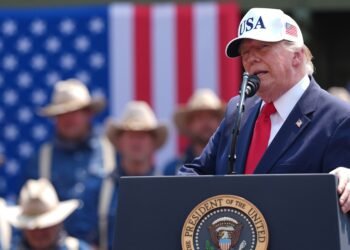 Trump’s Mount Rushmore Speech: A Divisive Anniversary
 Jarvis Urges Burnham to Secure 3.5% Defence Spending
 Trump’s Red-Card Intervention Hurts the US World Cup
 Farage Warns Sky News Following Financial Inquiry
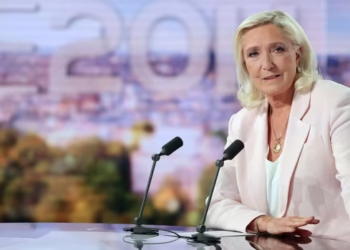 Le Pen to Run for President Despite Embezzlement Conviction
 Reform UK Finances Face Deep NCA Probe
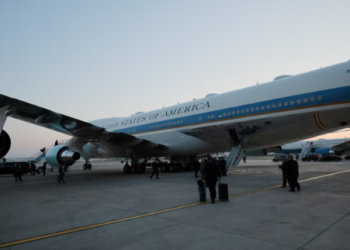 Trump Swaps Planes Amid Iran Tensions
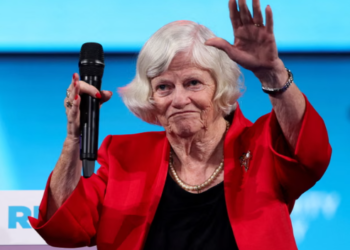 Ann Widdecombe, Formidable Political Figure, Dies at 78
 Ukraine Creates Long-Range Strike Command
 Houthis Strike Saudi Arabia as Middle East Tensions Rise