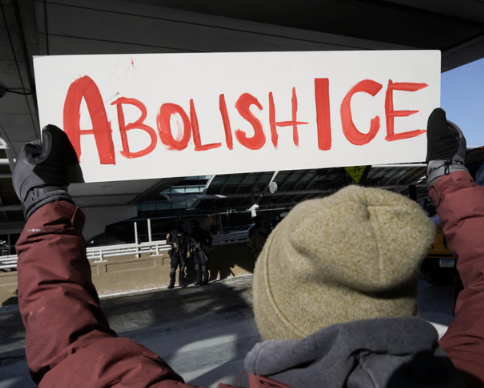
Published: 15 June 2026. The English Chronicle Desk. The English Chronicle Online.
The shifting landscape of modern political power continues to challenge established democratic norms across the Western hemisphere. Recent public appearances by prominent former officials have ignited intense debates regarding accountability and political alignment. Figures previously holding significant government authority are now openly participating in controversial international networks. These interactions have raised serious concerns among legal scholars and human rights observers worldwide. The phenomenon highlights a growing trend where controversial public figures seamlessly transition into lucrative media careers. This evolution allows individuals to maintain considerable public influence after leaving official state service.
Such developments are not occurring within a isolated political vacuum. The current American administration has consistently signalized a willingness to grant sweeping pardons to controversial political figures. This approach has fundamentally altered public expectations regarding legal accountability for institutional actions. Consequently, grassroots legal advocacy groups are exploring alternative methods to address perceived systemic injustices. Historical precedents offer valuable insights into how societies navigate periods of profound political transition. Post-authoritarian nations have frequently struggled with the delicate balance between social reconciliation and judicial justice.
The history of South American democracy provides a compelling framework for understanding contemporary public frustrations. During the late twentieth century, several nations implemented broad amnesty laws under intense military pressure. These legal frameworks allowed individuals accused of severe human rights violations to avoid formal prosecution. In response, frustrated citizens developed innovative and non-violent methods to challenge this institutional protection. Communities refused to allow figures accused of historical atrocities to live in quiet anonymity. They initiated public campaigns designed to reveal the hidden identities of their neighbors.
These peaceful public demonstrations often involved creative expressions of community disapproval outside specific residences. Activists utilized street theater, loud music, and symbolic art to draw public attention. The primary objective was to inform the local neighborhood about the resident’s historical actions. These actions effectively shattered the comfortable privacy enjoyed by individuals accused of systemic abuses. Such movements demonstrated that public memory could persist even when formal judicial structures failed. The legacy of these protests continues to inspire modern activists seeking systemic accountability.
Interestingly, these methods of public accountability possess deep roots in European social history. Medieval communities frequently utilized structured public rituals to enforce shared moral standards within their towns. These traditional practices involved loud public gatherings outside the homes of problematic individuals. Neighbors would gather to beat pots and pans in a synchronized display of disapproval. This historical practice served as a powerful tool for maintaining local social cohesion. It was designed to remind powerful figures of their fundamental obligations to the community.
However, the modern application of public shaming mechanisms introduces significant legal and social risks. Critics argue that decentralized public justice can easily degenerate into uncontrolled personal harassment. The boundary between legitimate political protest and targeted intimidation remains exceptionally difficult to define. Legal experts warn that such practices could provoke dangerous cycles of political retaliation. Furthermore, these activities might inadvertently provide authorities with a convenient pretext for broader state repression. Government agencies often utilize minor public disturbances to justify implementing highly restrictive security measures.
Recent legislative developments indicate a concerted effort to criminalize various forms of peaceful public dissent. New legal frameworks are being designed to target activists engaging in public exposure campaigns. Despite these legislative challenges, independent judicial systems have occasionally protected the rights of peaceful demonstrators. Recent court rulings have vindicated activists who were wrongfully accused of institutional obstruction. These legal victories suggest that constitutional protections for public assembly remain resilient under pressure. Nonetheless, the threat of state surveillance and selective prosecution continues to worry civil liberties advocates.
The core debate centers on the constitutional protection of public speech and peaceful assembly. Advocates argue that public exposure campaigns serve a vital role in informing the general populace. Such demonstrations address matters of significant public concern rather than posing direct physical threats. The ultimate goal is to ensure that shameless political actors face meaningful social consequences. As traditional legal avenues face political interference, the role of public opinion becomes increasingly crucial. The balance between civil order and democratic expression remains a defining challenge for modern societies.
Related News:
 UK Banks Granted Reprieve as BoE Delays Basel III Capital Rules Until 2028
 Singapore Corruption Scandal: Details Emerge on Iswaran’s Luxury Flight and Ties to Tycoon Ong Beng Seng
 Corfu Beyond the Crowds: Discovering Serenity in Southern Villages and Hidden Taverns
 Zelenskyy Signs Fighter Jet Deal Amid Russian Drone Attacks
 Sundar Pichai Cautions on AI Hype and Market Risks
 Shadow Fleet at Sea: Europe’s Battle Against Illicit Oil Shipping
 Snow and Ice Cause Travel Chaos in North Yorkshire
 Director Michael Caton-Jones Reflects on Career and Beginnings
 Inside the Helpline Protecting Missing Children in the UK
 PlayStation PS5 Deals Hit Lowest Prices Ahead of Black Friday
 US Suspends Afghan Immigration After White House Shooting
 Five-Year-Old Dies After Rare Tonsil Surgery Complication
 Starmer Says Labour’s Economic Plan Needs Years to Deliver
 ‘Extinct’ Antelope Returns to Sahara, Bringing Hope
 IndiGo Cancels Hundreds of Flights Amid Pilot Shortages
 Young Britons Face Heaviest Burden from Ageing Population, Lords Warn
 U‑Turn on Farmers’ Inheritance Tax Sparks Political Firestorm
 Aston Villa Remain Arsenal’s Key Obstacle in Title Pursuit
 Irish Beach Tragedy: Irish Drown at Whitehaven Beach in Australia
 Starmer Faces Parliamentary Battles Over UK-EU ‘Reset’ Plan
 Met Police Vetting Failures Let Serial Rapists Remain
 Federal Immigration Shift: Officers Leave Louisiana for Minneapolis
 Fatal Bolton Taxi Crash Claims Three Teens and Driver
 Australia grants Asio powers to designate hate groups under new laws
 Friedman Uninvited From 2024 Adelaide Writers’ Week
 ScottishPower Tops List of Worst UK Energy Suppliers
 Judi Dench Champions Fight to Save London’s Green Spaces
 Crowborough Camp Welcomes First Asylum Seekers
 BBC Funding Crisis: Tim Davie Warns of Jeopardy Ahead
 ABC Facebook Page Briefly Hacked, Adult Photos Posted
 Artificial intelligence will cost jobs, admits Liz Kendall
 Older Women Vanish from BBC Screens, Review Confirms Bias
 Meta trial over child exploitation claims begins
 Streeting moves on doctor pay to end strike dispute
 Ben Stokes injury joke after brutal ball strike
 UK and US Drop in Global Corruption Index Rankings
 Send spending gap leaves deprived areas behind
 Hidden Crisis: Domestic Abuse Suicide Toll in UK
 UK Unemployment Rate Climbs to 5.2% Peak
 Canberra Poster Seizure Sparks Free Speech Row
 BBC World Cup Presenting Duties Shared Among Trio
 Wales Approves Assisted Dying Bill Consent
 CPS Updates Guidance on Honour-Based and Dowry Abuse
 Stewart Brand on Musk, Bezos and a Life of Long Thinking
 English Cricket Faces Moral Crisis Over Indian Investment
 Wes Streeting faces narrow road to Labour members’ favour
 Keir Starmer Struggles to Secure His Grip on Downing Street
 Trump and Xi Convene in Beijing for Historic High-Stakes Summit
 Farage Faces Standards Probe Over Cash Property Purchase
 Closing the Gap: UK Pensions Commission Demands Action
 Reality TV Under Scrutiny Following Serious Allegations
 UK Eases Russian Oil Sanctions as Fuel Costs Soar
 Alice Capsey Sparks England Win With Brilliant Fifty
 Maldives Cave Diving Tragedy Raises Safety Alarm
 Russian Electronic Attack Targets UK Defence Chief Jet
 UK Shoppers Face Prolonged Price Rises At Tills
 Tube Strike Brings Capital to a Standstill Over Shift Disputes
 Makerfield Voters Demand Real Change as Election Looms
 Man City Threaten Legal Action Over Haaland Real Madrid Shirt
 Celestial Waltz: Venus and Jupiter Meet at Twilight
 Abbott Signals Bold Strategy Change For Australian Right
 Ryanair Faces Probe Over Mandatory Family Seating Fees
 Britain’s Crowning Butterfly Takes the Nation by Storm
 Fifa Official Under Investigation Over Hand Gesture Controversy
 Trump Urged to Condemn UFC Fighter Over Obama Slurs
 The Fear Gap: Why Europe Feels Less Safe Than It Is
 US Military Pacific Boat Strike Kills Three People
 Dettol Apologises for ‘Toxic Men’ Advert Backlash in China
 UK Care Crisis: Row Explodes Over New Visa Settlement Rules
 Sainsbury’s Boss Optimistic As Grocery Inflation Eases
 US Advance Past Bosnia in World Cup Thriller
 Trump’s Mount Rushmore Speech: A Divisive Anniversary
 Trump’s Red-Card Intervention Hurts the US World Cup
 US Airman Avoids British Court in Indecent Exposure Case
 Britain’s Mini Fan Craze Sparks Major Waste Crisis
 Trump Swaps Planes Amid Iran Tensions
 Ann Widdecombe, Formidable Political Figure, Dies at 78
 UK Schools Struggle as Classrooms Top 40C
 Yemen Accuses Iran of Violating National Sovereignty
 Houthis Strike Saudi Arabia as Middle East Tensions Rise