Published: 10 February 2026. The English Chronicle Desk. The English Chronicle Online.
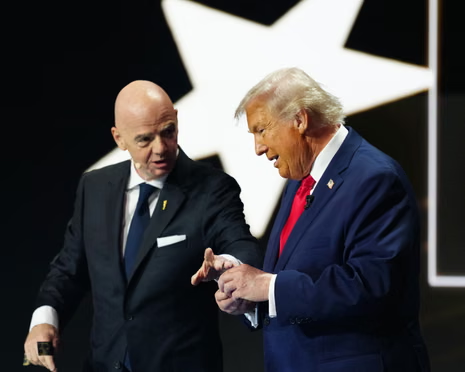
Gianni Infantino arrives at the Uefa congress under intense scrutiny as Infantino Russia tensions dominate discussions among European football authorities. The Fifa president’s comments on potentially reintegrating Russian sides, especially age-group teams, highlight ongoing disputes. Despite his willingness to revisit the ban, most national associations remain resolutely opposed, citing the continued conflict in Ukraine. Within Uefa, his approach has fueled unease, particularly in light of past interactions with Donald Trump. Observers expect Infantino’s speech to seek balance between Fifa’s ambitions and diplomacy, though skepticism regarding his intentions persists.
At last year’s Belgrade congress, Infantino cautiously proposed reconsideration of Russia’s participation. That initiative has since sparked private objections, reinforcing the perception that Infantino Russia advocacy faces strong European resistance. Many delegates stress that the Uefa executive committee, meeting the day before congress, is unlikely to table any vote allowing Russia back. Even associations sympathetic to Fifa’s stance acknowledge their influence is limited, leaving Infantino Russia proposals largely symbolic rather than actionable in formal decision-making.

Geopolitical considerations remain central to Uefa’s agenda. While fears of boycotting the United States as a World Cup co-host have diminished, Infantino’s perceived closeness to Donald Trump continues to provoke discomfort. Discussions surrounding extreme responses to Trump’s Greenland rhetoric have faded, yet concerns persist about the optics of Infantino Russia interventions intertwined with politically sensitive figures. His position reflects the ongoing tension between global governance priorities and European autonomy in football matters.
Infantino also addresses structural issues, such as the expanded Club World Cup and future Champions League reforms. His history of high-profile appearances, including controversial timing at Fifa congresses, continues to influence delegate perceptions. The challenge for Infantino is to advance Fifa’s global objectives without alienating Uefa leadership. This dynamic underscores the fragile equilibrium between Infantino Russia ambitions and Ceferin’s regional authority.
Aleksander Ceferin, Uefa’s president, retains a strong position amid these debates. Successful management of the women’s European Championship and men’s Champions League, alongside resistance to the Super League project, demonstrates Uefa’s retained control over continental competitions. Potential Champions League modifications post-2030 and possible Club World Cup expansion ensure Ceferin’s influence remains central. His steady leadership contrasts with Infantino’s assertive strategy, highlighting the need for measured decision-making.

Regional politics further complicate the landscape. Greenland’s desire for Uefa or Concacaf membership and Israel’s FA ambitions to host international fixtures reflect nuanced governance challenges. Delegates recognize that these issues, coupled with Infantino Russia advocacy, demand careful negotiation and diplomatic tact.
Thursday’s congress presents Infantino with a critical platform to advance Fifa’s global initiatives, emphasizing youth tournaments, competition innovation, and organizational transparency. Delegates will monitor his statements closely, assessing the implications for policy and European football governance. Infantino’s credibility, particularly concerning his approach to Russia and relationships with political figures, remains under scrutiny.
In conclusion, Infantino Russia concerns dominate the agenda as he navigates complex geopolitical and sporting challenges. Resistance from Uefa leadership, coupled with the influence of external actors like Trump, frames the debate. The congress will shape the trajectory of youth tournaments, structural reforms, and Fifa-Uefa relations, highlighting the intersection of diplomacy, politics, and football administration across Europe.
Related News:
 Geopolitical football: Iran, Trump and the World Cup clash
 Abramovich Chelsea Sale Cash Faces Jersey Probe
 African World Cup Fans Face $15,000 Entry Bond Fee
 Teenage Titan: Sooryavanshi Smashes IPL Records
 LA 2028: Millions of Affordable Olympic Tickets Announced
 Italy Faces Third Successive World Cup Absence After Loss
 Turkey End Kosovo Dreams to Secure World Cup Return
 England’s Fragile Evolution Under Thomas Tuchel at Wembley
 Sam Konstas Dropped as Australia Unveils New Contract List
 Julián Alvarez: The Silent Rise of a Global Football Icon
 England Eye Landmark 500th Game Glory in Iceland
 FIFA Confirms Global Ban for Benfica Star Prestianni
 The Global Battle for Control Over the Women’s Game
 Grand Slam Pay Row Sparks Boycott Threat from Top Players
 World Cup Ticket Price Surge Leaves Many National Teams Stunned
 Rashford Fires Barcelona to Glory in Historic El Clasico
 Ancelotti Sets High Bar for Neymar Ahead of World Cup
 Chaos at Valdebebas: Florentino Pérez Calls for Elections
 Afghan Women’s Cricket Dreams Remain Undimmed
 Captain in the Spotlight: The Future of England Cricket
 Tension Grips Mexico City Ahead of World Cup Opener
 Violence Tarnish World Cup Opener Outside Azteca Stadium
 World Cup Fury as Iran Coach Slams Fifa and US
 Tuchel’s England Mission Goes Beyond Football Success
 Iran Files Official Fifa Complaint Over World Cup Travel
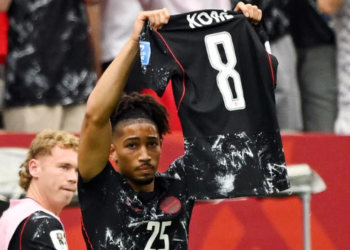 Historic Victory for Canada as They Defeat Nine-Man Qatar
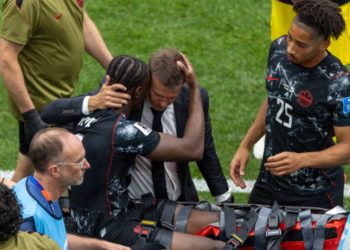 Heartbreak for Canada as Koné Suffers Horrific Injury
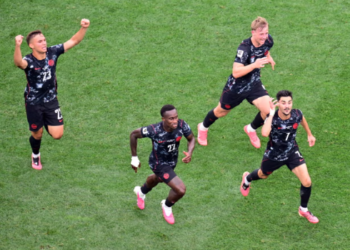 Canada Secure Historic Last 16 Spot with Late Goal
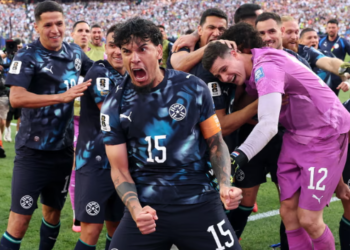 Paraguay Shock Germany in Historic Penalty Shootout
 Morocco Beat Dutch in Wild World Cup Penalty Drama
 France Dominate Sweden as Deschamps’ New Era Takes Shape
 Haaland Heroics Send Norway Into Historic Last 16 Knockout
 The Last Stand of English Cricket’s Greatest Partners
 Ramos Sends Portugal into the Last 16
 VAR Drama: Portugal Win in Thriller
 Swiss Star Manzambi Shines in World Cup Victory
 Norway’s Stunning World Cup Victory Over Brazil
 Spanish Late Winner Sends Ronaldo Into Final Sunset
 Belgium Thrashes USA After Red Card Controversy
 Ronaldo Says Farewell to the World Cup Stage
 China’s Football Dream: Can Amateur Leagues Spark Change?
 Egyptian Fury After Argentina World Cup Heartbreak
 England’s Historic Win Over India
 World Cup 2026 Power Rankings: England on the Rise
 Belgium Draws Global Support Before Spain Showdown
 Haaland and Bellingham: A Dortmund Bond Tested
 Spain Clinch Final Spot in Masterclass Victory Over France
 Saka Solidifies Role as Tuchel’s Key England Lieutenant
 Aston Villa Remain Arsenal’s Key Obstacle in Title Pursuit
 Friedman Uninvited From 2024 Adelaide Writers’ Week
 Spoof “Make America Go Away” Caps Rally Denmark Over Greenland
 Liverpool Chase Champions Glory With Stunning Qarabag Victory
 Ben Stokes injury joke after brutal ball strike
 Arsenal blow lead as Arteta rues Wolves draw
 Champions League Failure Sparking Premier League Crisis
 Farage Shuns Truss as US Right-Wing Roadshow Hits London
 The Price of Hubris: Trump, Netanyahu, and the ‘Easy’ War
 Trump and Tehran Find Common Ground in Landmark Ceasefire
 Kyiv and Odesa Mourn After Deadly Wave of Russian Strikes
 Robots Outpace Humans in Beijing Half-Marathon
 US Forces Seize Iranian Ship Near Hormuz Blockade
 Investigation: Offshore Loans and Sanctions
 Cross-Border Crisis Shatters Fragile Afghan Peace
 Ashley Cole: Finding His Voice and Vision in Italy
 The Burning Lens: An Iranian Artist’s Visual Resistance
 One Nation Candidate’s Surprising Ties to Independents
 Scepticism and tight security as Beijing braces for Trump
 The Battle for Wembley Sparking Unprecedented Legal Warfare
 Tony Abbott Returns as New Liberal Party President
 Teaching Machines Right From Wrong in the Digital Age
 Is Ollie Robinson the Chaos English Cricket Needs Today?
 Trump Urged to Condemn UFC Fighter Over Obama Slurs
 US Military Pacific Boat Strike Kills Three People
 Women’s T20 World Cup Breaks Records But Gaps Remain
 US Advance Past Bosnia in World Cup Thriller
 Trump’s Mount Rushmore Speech: A Divisive Anniversary
 Trump’s Red-Card Intervention Hurts the US World Cup
 Trump Swaps Planes Amid Iran Tensions
 Yemen Accuses Iran of Violating National Sovereignty
 Houthis Strike Saudi Arabia as Middle East Tensions Rise