
Published: March 5, 2026
The English Chronicle Desk
The English Chronicle Online
In 2026, many people find themselves in a paradoxical situation: technological systems offer more settings, tools and regulatory “privacy controls” than at any previous point in history, yet many individuals feel they enjoy far less actual privacy than before. That observation is encapsulated in a remark by privacy analyst Thomas Bunting, who said the reality of online privacy today increasingly resembles a luxury instead of a right, even as users are presented with extensive controls they can ostensibly use to protect their data.

Bunting — an analyst at the UK innovation think tank Nesta — was discussing how digital platforms and connected devices collect and share information in ways that sometimes far exceed what many users realise. He described a hypothetical future in which everyday products like smart fridges could share data about diet or home routines with third parties such as insurers, illustrating the broader pressures on individual privacy in a connected world.
He argues that younger generations in particular often accept the trade‑off between privacy and digital services without much resistance, because they have grown up accustomed to sharing personal data in exchange for access to social media, apps and online conveniences. Bunting noted that when he was a teenager, none of his classmates raised their hands when asked whether privacy was an important principle to protect — a moment he interpreted as evidence that many people assume constant data collection is simply part of digital life.
That sense of inevitability troubles many privacy experts. Professor Alan Woodward, a longstanding cybersecurity commentator, warns that poor incentives and ubiquitous tracking can have broad social effects, including self‑censorship and reduced freedom of expression, because individuals who assume they are constantly observed may change their behaviour. He emphasises that privacy is not about hiding wrongdoing but about preserving autonomy and freedom of thought in daily life.
Despite the proliferation of privacy tools — such as encrypted messaging apps, tracker blockers, virtual private networks and privacy‑focused browser options — critics contend that these features often mask deeper structural issues. Data breaches affecting hundreds of millions of users and complex, opaque cookie consent forms highlight that “controls” may be more performative than effective if they do not truly limit how companies and advertisers can harvest personal information.
Legal protections have expanded globally, with scores of countries adopting privacy laws and digital security regulations. However, enforcement and genuine user empowerment lag behind the pace of data collection practices, leaving many people feeling powerless even as they are asked to configure privacy settings or click through consent dialogues.

The situation reflects a broader tension in contemporary digital life: while technology and policy tools for privacy exist and are widely promoted, actual control over personal information often remains limited once data is shared, and many users feel uncertain about how their information is used or how to make informed choices about privacy.
Related News:
 Bill Gates Pulls Out of India’s AI Summit Over Epstein Files Controversy
 Zuckerberg Defends Meta in Landmark Social Media Addiction Trial
 Satellite Images Show Iranian Navy and Nuclear Sites Hit by US‑Israeli Strikes
 Protesters Rally in San Francisco Against OpenAI Deal With Pentagon
 India and US Collaborate to Launch Groundbreaking Satellite for Earth Observation
 British AI Startup Outshines Human Forecasters in Global Prediction Contest
 History Will Remember Who Showed Up: Pressure Mounts on Keir Starmer to Attend Cop30 Summit
 UK Fighter Jet Purchase Could Breach Nuclear Treaty, Warns CND
 Google at 27: The Untold Story of Ruth Kedar, the Woman Behind the Iconic Logo
 Russia repeatedly targets UK military satellites, warns Space Command chief
 Cooper Unveils £4m Cyber Plan Against Russian Hackers
 Experts Warn Russia’s Burevestnik Missile Could Destabilise Arms Control
 Britain deploys RAF specialists to assist Belgium with drone threats
 Night after night, Belgium is on high alert.
 Hitler’s DNA Confirms He Truly Had Only One Testicle
 Pokémon to open world’s first theme park in Japan next year
 Ukraine to Get 100 French Rafale Jets in Historic Deal
 Poll Reveals China Leads World in Trusting AI Technology
 US Clears Nvidia AI Chip Sales to China in Policy Shift
 Iran Signals Permanent Break From Global Internet, Activists Warn
 UK New Car Discounts Near £6,000 as Prices Are Slashed
 Musk Wants City on the Moon Within 10 Years
 Indian University Kicked Out of AI Summit for Claiming Chinese Robot Dog as Its Own Invention
 China Shows Off Nunchuck‑Wielding Humanoid Robots for Lunar New Year
 The Chinese AI App Sending Hollywood Into a Panic
 How Do You Modernise Mango Farming? India’s Growers Urged to Innovate as Climate Change Hits
Billionaire Les Wexner Tells US Lawmakers He Was ‘Naive’ and ‘Conned’ by Epstein
How Do You Modernise Mango Farming? India’s Growers Urged to Innovate as Climate Change Hits
Billionaire Les Wexner Tells US Lawmakers He Was ‘Naive’ and ‘Conned’ by Epstein
 Etsy Sells Second‑Hand Fashion App Depop to eBay for $1.2bn
 Trump Vows UFO File Release After Obama Interview
 Asos Co-Founder Dies After Thailand Balcony Fall
 Musk Cuts Starlink Access for Russian Forces – Giving Ukraine an Edge at the Front
 Epstein Files Reveal High‑Profile Names in New US Government Release
 Russian Troops Executed by Commanders, Soldiers Tell BBC
 Inside Kyiv’s resolve as conflict nears five‑year mark
 Anthropic AI Refuses Pentagon’s Safety Demand
 Social Media Trial: Woman Says Addiction Began at Six
Instagram Investigating AI Profiles ‘Fetishising’ Disabled People
Social Media Trial: Woman Says Addiction Began at Six
Instagram Investigating AI Profiles ‘Fetishising’ Disabled People
 Anthropic Boss Rejects Pentagon Demand to Drop AI Safeguards
 Epstein Tried to Buy a Palace in Morocco Days Before His 2019 Arrest
 Brady Tkachuk Denies AI Video Claims After Olympic Gold
 Orbital Space Race Heats Up in Arctic North
 The Sad, Strange Story of the World’s Most Radioactive Paradise
 Why Russia Controls Its People With a Flick of a Switch
 Wellness Peptide Craze: Why People Are Injecting Drugs ‘Not for Human Consumption’
 The US Now Has the Medicine for Cheap Swarming Drone Attacks
 Boy George Says He’s Using ChatGPT to Help Write New Songs
 Search Intensifies for Savannah Guthrie’s Mother
 Nepal Holds First General Election Since Gen Z Protests Toppled Government
 UK Government’s First Repatriation Flight to Leave Middle East, More Planned
 Passengers on Dubai‑Dublin Flight ‘Never So Happy to Be Home’
 Why Aren’t Our Dirtiest Roads Getting Cleaned?
 Global Order Is ‘Breaking Down’, Carney Tells Australian Parliament
 US Submarine Sinks Iranian Warship in Indian Ocean, Hegseth Says
 Spain’s Sánchez Hits Back at Trump Threat to Sever Trade, Says ‘No to War’
 Iran Postpones Khamenei Funeral as US‑Israeli Bombardment Continues
 The Devastating Conflict Where Both Sides Have Reasons to Keep Fighting
 Watershed Moment as Russia’s Sporting Exile Ends
 Dirty Laundry and Chocolate Bars: How Venezuelan Prisoners Smuggled Messages Out of Jail
 Israel and Iran Launch New Strikes as First UK Flight Bringing Citizens Home Is Delayed
 ‘Every Day Feels Like a Month’: Iranians Describe Life Under ‘Constant’ US‑Israeli Strikes
 How Depleted Weapons Stockpiles Could Affect the Iran Conflict
 Murdered Student ‘Algasim’ Was ‘the Most Special Person’, Friends Say
 Yvette Cooper Signals Global Momentum Towards Gaza Peace Deal Amid Humanitarian Crisis
 Chaos at Ibrox as Martin’s Rangers Era Comes to an End
 Russia’s Latest Push to Win US Favors Shows Deep Desperation
 UK Bans Fake Numbers: Scammers Lose Their Trick
 Australian Families Leave Syrian Camp for Home
 ‘I Would Scream in My Sleep’: Alawite Women from Syria Tell of Kidnap and Rape
 Epstein Eyed Record Label Investment to Access Women, Files Suggest
 AI Coding Firm’s ‘Pride’ at Business Award Win
 Ukraine Negotiator Reveals What It Feels Like Facing Russia
 Drugs, Denial, Stigma: Fiji’s HIV Crisis Hits Children
 Stewart Brand on Musk, Bezos and a Life of Long Thinking
 Hilary Knight speaks out on Trump’s recent hockey remarks
 American Citizen Killed in Cuba Boat Shooting, U.S. Officials Say
 Iran’s Regime Still Intact — Coming Days Will Test Its Survival
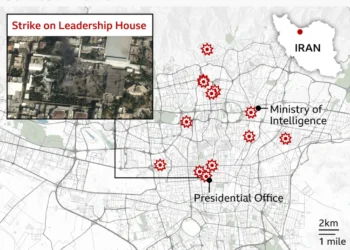 In Maps: Strikes Across Iran and the Middle East
 Brit ‘in Good Spirits’ Amid Dubai Missile Attacks, Stranded but Safe
 Civilian Deaths in Iran Pass 700 Amid Fear of Bombs and Regime Clampdown
 Calls Grow to Remove Billboard Following Lyra McKee Graffiti