Published: 04 May 2026. The English Chronicle Desk. The English Chronicle Online.
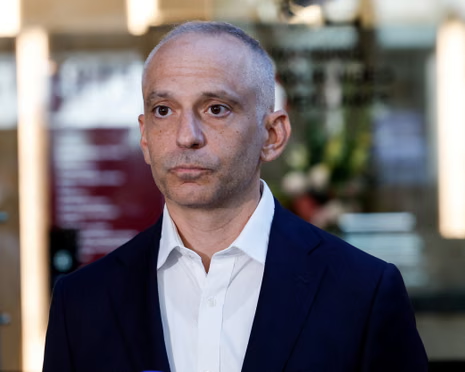
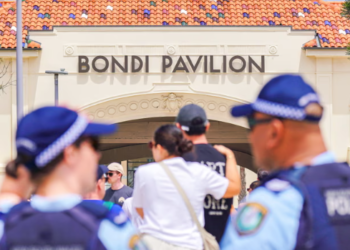
The ongoing Royal Commission into antisemitism has uncovered a deeply troubling series of failures within the Australian legal system. On Tuesday, the inquiry heard a chilling account from Nir Golan regarding a violent confrontation in Bondi Junction. Mr Golan described a harrowing encounter where a man in military clothing targeted him for wearing a kippah. This individual reportedly screamed racial slurs and made threatening gestures, including an imitation of a firearm execution. Despite the presence of physical threats, the victim felt abandoned by the local authorities after the event. The police allegedly told him that pursuing the case would be a significant waste of effort. Officers claimed that the lack of audio on CCTV rendered his personal testimony largely insufficient for court.
The Commission listened as Mr Golan detailed the aggressive nature of the broad daylight public assault. He explained that a passing tourist was severely beaten after attempting to intervene on his behalf. This violent escalation highlights a perceived lack of public safety for members of the Jewish community. Mr Golan expressed profound distress over the fact that no other bystanders offered any form of assistance. His emotional testimony painted a picture of a man left to navigate a traumatic experience alone. The refusal of the police to prosecute the assailant left the victim feeling vulnerable and ignored. Such accounts raise serious questions about the commitment of local law enforcement to protecting minority groups.

Beyond the specific incident in Bondi, the inquiry addressed the broader climate of rising social hostility. Prominent figures within the community expressed their deep disappointment with the current state of national social cohesion. Vic Alhadeff, a respected leader, noted that antisemitism has moved from the fringes into the mainstream. He described a shift toward an unashamed brazenness that was not previously seen in Australian civic life. Mr Alhadeff shared his personal disillusionment regarding the silence of long-term friends from various interfaith groups. He noted that many people now conflate the actions of foreign governments with local Jewish citizens. This dangerous trend holds Australians accountable for international conflicts in which they have no personal agency.
The human cost of this conflation was further illustrated by the testimony of Tali Pinsky recently. She noted that while Australians are generally welcoming, there is a unique burden placed on Jews. People are often unfairly blamed for the actions of the Israeli government in a targeted manner. This specific scrutiny is rarely applied to citizens of other nations involved in various global conflicts. Ms Pinsky suggested that Jewish victims are often not even mourned as true Australians by the public. This sense of alienation contributes to a growing feeling of insecurity within the domestic Jewish population. The inquiry highlights a shift in how different communities perceive their safety and belonging in Australia.
Parents also came forward to share the fear they feel for their children in schools today. One mother, testifying under a pseudonym, described a daily reality filled with hateful graffiti and Nazi salutes. She noted that her children are constantly exposed to swastikas and slurs within their educational environments. This constant exposure to hatred has a lasting impact on the psyche of young Jewish Australians. The woman explained that her children have begun to internalise the idea that they are unsafe. They witness their classmates performing offensive gestures that reflect a normalization of extremist rhetoric in local schools. Such environments make it increasingly difficult for families to feel integrated within the broader national community.

The inquiry linked this rising tide of verbal and visual hatred to the Bondi massacre event. That tragic incident, which claimed fifteen lives, is viewed by many as a result of unchecked bigotry. The Commission was told that the perpetrators intended to target Jews specifically during a holiday celebration. For many in the community, this event shattered any remaining sense of security in their home country. Mothers expressed that their children now fear attending community festivals or displaying any visible signs of faith. Social media has further exacerbated this issue by bombarding young people with highly aggressive antisemitic content. These digital platforms often host extreme rhetoric that calls for violence and promotes ancient hateful tropes.
The Royal Commission aims to define the current impact of this hatred on the Australian people. It is a necessary step toward understanding how to rebuild social cohesion in a fractured society. The evidence presented so far suggests a systemic failure to address the safety of the Jewish community. From police indifference to schoolyard bullying, the testimonies provide a stark warning about the consequences of silence. Law enforcement agencies are now under pressure to explain their reported reluctance to prosecute clear hate crimes. The inquiry will continue to investigate how these manifestations of hate affect the daily lives of citizens. As the hearings progress, the focus remains on finding a path toward a more inclusive future.
Related News:
 Capitol Attack Anniversary Sparks Deep Political Divide
 Saudi Officials Report Zubaidi Flee Before Yemen Peace Talks
 UK Targets in New York Bomb Threat Hoax: Man Jailed
 Gambia Supreme Court Hears Case to Overturn FGM Ban
 Trump targets Iran trade with 25% tariff warning
 US Senate rejects resolution limiting Trump military powers
 Gulf states warn Trump Iran strikes risk wider Middle East war
 Machado Trump medal gesture reshapes Venezuela power struggle
 Greenland defence seen as shared Nato duty amid troop arrivals
 Geopolitical football: Iran, Trump and the World Cup clash
 Canada-China trade gains momentum in new strategic partnership
 Trump Receives Machado’s Nobel Medal in White House Meeting
 Syria President Declares Victory as Ceasefire Reached with SDF
 US Considers Asylum for British Jews Amid Rising Antisemitism
 Trump slams UK ‘stupidity’ over Chagos Islands, eyes Greenland takeover
 Shinzo Abe’s killer receives life sentence in Japan
 China General Under Investigation Amid Leadership Purge
 Philippines ferry disaster leaves 15 dead, dozens missing
 Cambridge Faces Scrutiny Over Arms Investment Transparency
 Epstein UAE Emails Shake British Royal Andrew’s Legacy
 Christchurch gunman seeks to vacate guilty plea
 Infantino Faces Russia Threat and Trump Concerns at Uefa Congress
 Concerns rise for Canberra boy amid Iran detention fears
 Ukraine Sends Drone Experts to Defend US Bases in Jordan
 Abramovich Chelsea Sale Cash Faces Jersey Probe
 Yvette Cooper: UK Must Follow Principles, Not US Pressure
 Slovenia Election: A Nation at a Crossroads
 Jury Rules Meta and YouTube Liable for Addictive Design
 Saudi Arabia Urging US to Keep Up Iran Attacks
 Trump Softens Cuba Oil Stance as Russian Tanker Nears
 The Woman Guarding Earth From the Threat of Asteroids
 IMF Predicts Global Economic Crisis Due to Gulf Unrest
 California Defies Trump With Strict New AI Standards
 Germany Grapples With AI Abuse Following TV Star Scandal
 Exiled Tycoon Warns of New Russian Attacks on UK Soil
 Labor Under Fire Over Stalled University Fee Reform
 LA 2028: Millions of Affordable Olympic Tickets Announced
 Trump Slams Europe as Transatlantic Tensions Boil Over
 Inside the Deceptive Machine: A Former Producer Speaks Out
 Italy Faces Third Successive World Cup Absence After Loss
 Starmer Urges Ambitious EU Ties Amid Middle East Conflict
 Spain Faces Backlash Over Xenophobic Chants in Egypt Draw
 A Global Voice For Justice: Stephen Lewis Dies At Age 88
 Trump Issues Stark Warning After Strike On Iran’s Largest Bridge
 Hope and Fear as Iranians Flee Across the Turkish Border
 Tragic End to Outback Search as Floods Claim a Life
 Ben Roberts-Smith Arrested Over Alleged War Crimes
 Reform UK Pledges To Halt Visas Over Reparations Demands
 US and Iran Agree to Two-Week Provisional Ceasefire
 Starmer visits Gulf as US and Iran agree ceasefire
 Gaza Child Arrives in UK for Life-Changing Care
 Israel Defies Ceasefire as Lebanon Operations Persist
 Pakistan Brokers Historic Peace Deal Amid Rising Tensions
 UK Holds Firm on Strait of Hormuz Amid Trump Pressure
 Rory McIlroy Eyes New Horizons After Masters Defence
 Trump Signals Hope for New Iran Talks as Ceasefire Fades
 Reeves Slams Trump Over Iran War Lack Of Exit Plan
 US and Iran Pursue Extension of Ceasefire via Pakistan
 Trump’s Islamabad Gamble: The High Stakes of a New Iran Deal
 Wall Street Hits Historic High Amid Hopes for Iranian Peace
 Ian Katz to Step Down as Channel 4 Content Chief
 The General’s Gambit: Pakistan’s New Role in Global Peace
 Mexico, Spain and Brazil call for Cuba dialogue amid crisis
 Pakistan’s Ambitious Bid for Middle East Peace
 Trump Starts $166bn Tariff Refund Process
 Israeli Soldiers Jailed Over Vandalism of Lebanese Statue
 Trump Weighs Sending Afghan Allies to the Congo
 Timor-Leste Faces Tough Questions Over Resort Proposal
 Pentagon Shakes Up Navy Leadership Amid Hormuz Blockade
 Trump Threatens UK With Big Tariff Over Tech Tax
 Prominent Voices Challenge Palestine Action Ban
 Security Scrutiny After Washington Shooting Incident
 Merz Criticises US Approach in Iran Conflict
 UK Envoy Sparks Controversy Over Special Relationship Claims
 Ukraine Urges UK to Seize Russian Oil Tankers
 US Calls Australia Media Law “Foreign Extortion”
 The Billionaire’s Secretary and the £1m Fraud
 Questions Remain Over The Tragic Bondi Massacre
 Ukraine strikes Tuapse as oil disaster worsens
 Brewing Tension: Taiwan Baristas Rebrand for World Stage