Published: 04 May 2026. The English Chronicle Desk. The English Chronicle Online.
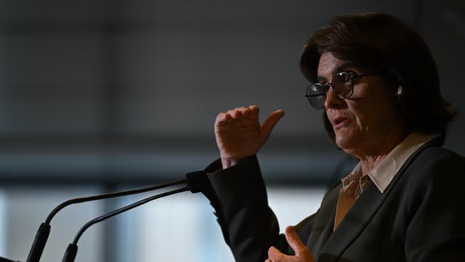
The global economic landscape has shifted dramatically following the recent escalation of conflict. Reserve Bank of Australia Governor Michele Bullock issued a stark warning regarding the future. She stated that surging oil prices have left many citizens facing a difficult path ahead. The ongoing US-Israel war on Iran has created significant ripples across the international markets. These geopolitical tensions are now directly impacting the daily lives of millions of hardworking people. The central bank recently decided to lift the official cash rate to 4.35 percent. This move was widely expected by economists but still remains a very heavy burden. Families are now struggling to balance their household budgets against rising monthly mortgage repayments. Bullock noted that the nation has become poorer due to these external economic shocks. There is no simple way out of the current financial predicament facing the country.
The Governor warned that inflation will likely worsen without very careful government fiscal management. She emphasized that cost-of-living relief must be targeted towards those who need it most. General spending measures could inadvertently fuel the very inflation the bank is fighting today. A week remains before the federal budget is officially handed down to the public. Treasurer Jim Chalmers is facing immense pressure to deliver a responsible financial roadmap now. The RBA forecasts suggest that the war could slash economic growth significantly this year. Growth is expected to halve to just 1.3 percent during the current annual period. This represents a sharp decline from the optimistic forecasts released back in early February. The stagflationary effect of rising oil prices is a major concern for global leaders. Consumer price growth is now projected to reach 4.8 percent by June this year. This figure is notably higher than the pre-war estimate of 4.2 percent previously held.
Bullock explained that the spike in oil prices sends costs soaring across all sectors. Interest rate adjustments cannot immediately fix the inflation caused by these global supply shocks. She remarked that the impact of these prices is essentially already done and dusted. The primary goal of recent rate rises is to manage future domestic price expectations. The central bank wants to prevent a cycle of rapid wage and price hikes. Such second-round effects could lead to even more persistent inflation over the coming years. If inflation remains high, the board may require even more tightening of monetary policy. This would mean further interest rate increases for already struggling homeowners and small businesses. Eight members of the RBA board voted in favour of the recent increase. One member however preferred to keep the rates on hold for the time being. Bullock mentioned that increasing rates now provides the board with more future flexibility.

The upcoming budget is being described by the Treasurer as both ambitious and responsible. However, the RBA decision delivers a significant blow to three million mortgaged households today. Higher interest rates mean less disposable income for families to spend on essential goods. Bullock has historically been quite reserved regarding her comments on various government spending plans. On Tuesday she suggested that limiting government spending could help fight the inflation monster. Providing broad cash payments to households can make it harder to dampen consumer demand. Support must be carefully calibrated to ensure it does not add to total demand. The Treasurer maintains that government spending is not the main driver of price pressures. He insists the government intends to play a helpful role in this inflation fight. Shadow Treasurer Tim Wilson disagrees and suggests the government is failing to cut spending. He claims that households are tightening their belts while the government remains quite disinterested.
The opposition believes that a failure to reduce public spending is adding to inflation. This political debate continues as the RBA updates its forecasts for the national economy. The baseline scenario assumes a relatively rapid end to the Middle East military conflict. Even in this scenario, citizens may suffer another year of falling living standards. Prices are currently rising much faster than the average worker’s weekly pay packet today. Real wages are struggling to keep up with the cost of basic groceries. Interestingly, the hit to growth might not cause a sudden surge in unemployment. The jobless rate is expected to remain around 4.3 percent by years end. This relatively low unemployment provides some cushion for the broader economy during this time. However, the RBA also explored more adverse scenarios involving a much longer conflict. If oil prices remain high for an extended period, the outlook darkens considerably.
Under the most extreme economic scenario, unemployment could push above five percent quite rapidly. A sharper slowdown would test the resilience of the national financial and social systems. Despite these pessimistic projections, the country is currently expected to escape a full recession. These forecasts do not account for a potential total shortage of domestic fuel supplies. A fuel shortage would represent a far more severe crisis for the entire nation. The interconnectedness of global energy markets means that distant wars have local financial consequences. People are feeling the pinch at the petrol pump and the local supermarket. The psychological impact of rising rates is also weighing heavily on consumer confidence levels. Many people are delaying large purchases or travel plans due to financial uncertainty now. Businesses are also becoming more cautious about their investment and hiring plans for 2026. This cautious approach can lead to a self-fulfilling cycle of slowing economic activity.

The RBA is attempting to navigate a very narrow path toward a soft landing. Balancing inflation control with economic growth is an incredibly delicate and difficult task today. The central bank must remain vigilant against any signs of entrenched inflationary expectations locally. Global investors are watching these developments closely as they assess risks in various markets. The situation in the Middle East remains the primary wild card for economic planners. Any further escalation could send energy prices to levels not seen in decades past. This would force central banks around the world to take even more drastic actions. For now, the focus remains on the upcoming federal budget and its priorities. Citizens are looking for a clear sign that their financial struggles are understood. Targeted relief could provide a lifeline for the most vulnerable members of society today. Meanwhile, the RBA will continue to monitor data closely before its next meeting.
Every data point regarding employment and spending is being scrutinized by the central bank. There is a sense of collective anxiety as the nation prepares for the winter. Heating costs are expected to rise along with the price of imported goods. The English Chronicle will continue to provide updates on these important economic developments. Staying informed is crucial for navigating the challenges of this complex financial environment today. The resilience of the population will be tested as these global events unfold further. It is a time for careful planning and prudent financial management for everyone. We must hope for a peaceful resolution to the conflicts driving this instability. Until then, the economic pressure is likely to remain a constant feature of life. The Governor’s words serve as a sobering reminder of our current global reality. While the path is difficult, clear communication from leaders remains essential for public trust. Understanding the reasons behind these changes helps the public prepare for the future. We face these challenges together as a community seeking stability and long-term prosperity. Professionalism and fairness will continue to guide our reporting on these vital national issues. Stay tuned for more in-depth analysis of the budget and the economy.
Related News:
 Reeves Faces Setback as Labour May Miss Homes Target
 Virgin Trains Moves Closer to Challenging Eurostar Monopoly
 Trump’s UK Ambassador Urges North Sea Drilling to Strengthen US Ties
 Ryanair Chief UK Economy ‘Doomed’ Under Labour
 M&S Profits More Than Halve After Cyber-Attack
 Earl of Yarmouth Faces £1.3m Legal Bill Over Family Estate
 Millionaires group urge Reeves to introduce wealth tax to ‘lift kids out of poverty’
 From Lego to Pokémon: How Adults Are Driving UK Toy Market Growth
 Canada Passes Carney’s First Budget in Tight Parliamentary Vote
 Starmer Says Labour’s Economic Plan Needs Years to Deliver
 Virgin Media Fined £23.8m Over Telecare Safety Failures
 Starmer Faces Parliamentary Battles Over UK-EU ‘Reset’ Plan
 ScottishPower Tops List of Worst UK Energy Suppliers
 Markets Slide As Gold Rally Signals Risk From Trump Greenland Tariff Plan
 UK Eyes Global Investment with Visa Fee Refunds
 City & Guilds pay surge sparks backlash amid £22m cuts
 UK Inflation Hits 3.4% in December, Ending Five-Month Decline
 Trump Fed bid heads to Supreme Court
 ‘Black Tax’: Burden, Pride and Survival for African Workers
 AI job losses UK: Britain faces sharper employment shock
 India-EU Free Trade Deal Marks Historic Economic Shift
 EU Signals Open Mind on UK Customs Union Talks
 Telstra AI jobs cuts as automation drive expands
 BT Names New Openreach Chief Amid Major Fibre Expansion
 UK Banks Plot Payment Backup Amid Trump Fears
 UK Unemployment Rate Climbs to 5.2% Peak
 UK shelves £110m border project amid trade strain
 Aston Martin Cuts 20% Jobs Amid £363m Loss
 Switching Energy Deal Can Save £200 as Price Cap Falls
 Rachel Reeves Faces Middle East Conflict Test
 Grocery Inflation Rises Amid War Fears
 BrewDog sold Highland estate for knockdown price after abandoning reforestation plans
 UK Energy Reform Could Cut Bills by £200
 Rising Costs Force Families to Rethink Days Out
 Oil Slides, Stocks Jump on Trump Peace Signals
 UK inflation held at 3% before global energy price hit
 Ticketmaster Fees Rise Despite Recent US Junk Fee Crackdown
 M&S Demands Urgent Action on Rising Violent Retail Crime
 New Era for Sick Pay as Millions Gain Critical Rights
 Oil Prices Surge as Trump Issues New Deadline to Iran
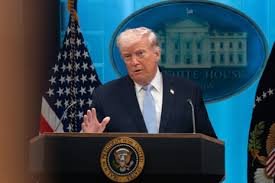 US and Iran Agree to Two-Week Provisional Ceasefire
 Stefano Gabbana Resigns as Chair of Italian Luxury Giant
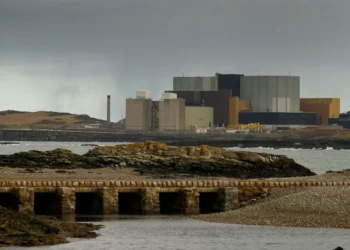 Rolls-Royce SMR Secures £600m Boost for Nuclear Future
 Aegon Sells Historic UK Arm to Standard Life for £2bn
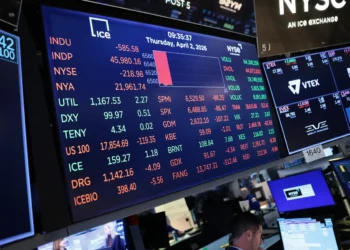 Central Bank Chiefs Hold Crisis Simulation in Washington
 UK Staycations Rise as Travel Fears Grow
 Former Brexit Chief Calls for Rejoining the EU
 Albanese Rejects Gas Export Tax Push
 Oil Prices Surge Above $120 Amid Iran Blockade Fears
 Silent Tracks: Rail Line Without Passengers
 Trump approval plunges amid Iran war fears
 Tough Fiscal Realities Await Next Scottish Government
 DeepMind Staff Vote to Unionize Over US Military Contract
 Global Conflict Hits Home As Bullock Warns Of Economic Pain
 US Awaits Iran Reply on New Ceasefire Proposal
 Aramco Surges as East-West Pipeline Counters Gulf Tensions
 Big Tobacco Under Fire Over Controversial New Ad Campaign
 High Street Crisis: Fears Grow Over Post Office Closures
 UK Firms Freeze Spending as Iran Conflict Bites
 Summer Shock: British Energy Bills Set for Grim July Hike
 Reeves to Fast-Track Clean Energy Amid Iran Crisis
 Oil Markets Face ‘Red Zone’ Threat Amid Iran Crisis
 Belfast Approves Pilot Extension of Sunday Trading Hours
 Albanese Defends Tax Reforms Amid Emotional Speech
 Tube Strike Brings Capital to a Standstill Over Shift Disputes
 BP Stands Firm on Amanda Blanc Amid Boardroom Storm
 UK House Prices Drop For Third Month Due To War Fears
 Top Chefs Back Andy Burnham to Save UK Hospitality Sector
 GSK Secures Landmark $10.6bn Deal for Nuvalent
 UK Economy Suffers a Sharp Downturn as Iran Conflict Bites
 AI Scams Push UK Investment Fraud Past £220m
 Rethinking the Blueprint for Youth Employment in Britain
 Sainsbury’s Boss Optimistic As Grocery Inflation Eases
 UK Households Suffer Squeeze As Disposable Incomes Drop
 Creditors Eye Thames Water Even Under Nationalisation
 Record £28m Fine for Virgin Media Over Cancellation Woes
 Jet2 Sees Summer Surge Despite Global Tensions
 Ukraine Creates Long-Range Strike Command
 BBC Faces Real Jeopardy as Licence Fee Income Declines
 Thames Water Future Remains Uncertain Amid Funding Crunch