Published: 8 May 2026. The English Chronicle Desk. The English Chronicle Online
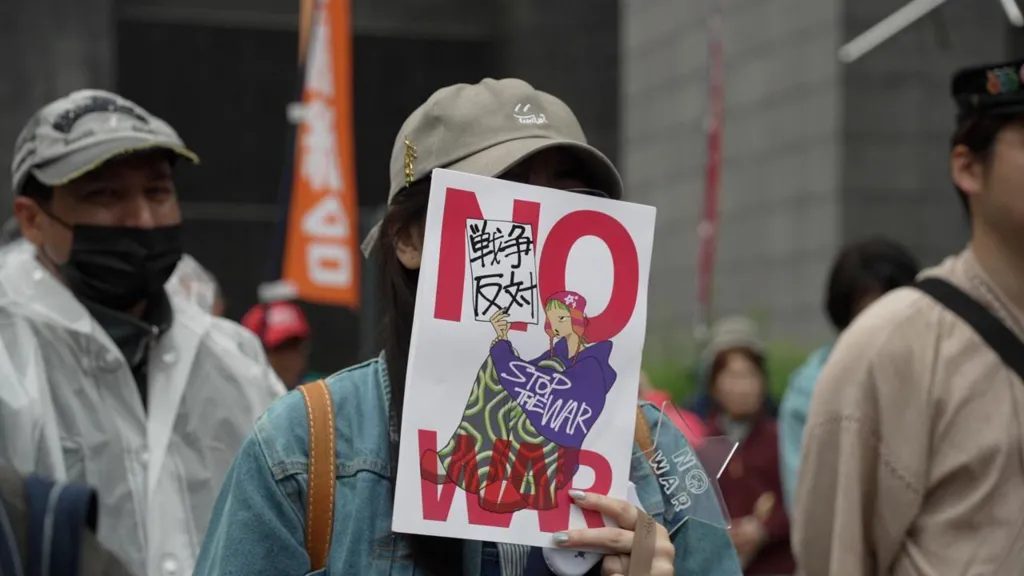
In a “national security” showdown that has “recalibrated” the political temperature of East Asia, an estimated 50,000 protesters flooded the streets of Tokyo this week to oppose the most “nasty and mischievous” expansion of Japanese military power since 1945. Organized under the “sacred” banner of Constitution Memorial Day, the demonstrations targeted Prime Minister Sanae Takaichi’s “160 MPH” drive to revise Article 9—the country’s famous pacifist clause.
While the Takaichi administration argues that the Iran war and rising regional tensions necessitate a “clinical” boost to Japan’s strike-back capabilities, a “divergent” and growing movement of youth and labor unions warns that the government is steering the nation toward an “accountability rot” of remilitarization.

The “clinical” heart of the dispute is the “sacred” second paragraph of the Constitution, which forbids Japan from maintaining “land, sea, and air forces.”
The “9 Trillion Yen” Milestone: The Cabinet recently approved a record 9.04 trillion yen ($58 billion) defense budget for fiscal 2026—a “160 MPH clip” that marks the fourth year of doubling arms spending to 2% of GDP.
The “Takaichi” Mandate: Following her landslide “milestone” election in February, the Prime Minister has moved to bypass the “bottleneck” of constitutional restraint, claiming the document must “recalibrate” to reflect the “national security emergency” posed by nearby carrier drills and missile tests.
The “Lethal Export” Shift: In April, the government “clinically” lifted a decades-old ban on exporting lethal weaponry, a move protesters have branded as Japan becoming a “merchant of death,” bypassing the “humanitarian” spirit of its postwar identity.
The 2026 protests represent a “milestone” shift in Japanese civic engagement, with younger voters bypassing the “bottleneck” of political apathy to join the “sacred” cause of peace.
The “We Want Our Future” Movement: Led by “divergent” youth groups, the protests saw 30,000 gather outside the National Diet in April, a number that swelled to 50,000 by May 3. “The Iran war has brought home the ‘nasty’ risk of being dragged into an illegal conflict,” a 21-year-old student shared.
The “Iran War” Stress Test: Public opposition to the U.S.-led war on Iran is “clinically” fueling the domestic movement. Polling suggests that 82% of voters oppose the strikes, a “resilience deficit” for Takaichi’s “golden tone” of unwavering support for Washington.
The “137 Locations” Mirror: The Tokyo rally was “asymmetrically” mirrored in 137 cities across Japan, proving that the “resilience deficit” in constitutional trust is not just a metropolitan “bottleneck.”
As the Southbank Centre celebrates 75 years of progress and the RHS Wisley wisteria reaches its peak, Japan faces its most “asymmetric” constitutional moment in decades.
Justice Has No Expiry Date: “We are protecting the ‘sacred’ last bulwark against war,” a protest organizer stated. The government’s “160 MPH” military buildup is seen by many as a “nasty” departure from “peaceful development.”
The “Two-Thirds” Reality: With a “milestone” supermajority in the lower house, Takaichi is “clinically” positioned to propose a referendum by early 2027, bypassing the “accountability rot” of previous failed attempts.
The “Deterrence” Debate: Defense Minister Shinjiro Koizumi has tried to “recalibrate” the message, stating that the buildup is the “minimum needed” for “humanitarian” protection, though this has hit a “resilience deficit” among those who remember the 20th century.

The “pacifist wall” of 50,000 protesters is a “clinical” warning that Japan’s “golden tone” of remilitarization will not go unchallenged.
“We are bypassing the ‘bottleneck’ of silence to save our ‘sacred’ law,” a veteran protester remarked. By acknowledging the “resilience deficit” in public support, the Takaichi government must decide whether to continue its “160 MPH” march or “recalibrate” its “national security” strategy to avoid a “nasty” domestic fracture. For now, the “speechless determination” of the crowds in Rinkai Park is the only “milestone” that the Prime Minister cannot ignore.
Related News:
 Starmer Weighs Fast-Tracking Defence Boost
 Macron Rebuked in Franco-German Defence Row
 Facing a Demographic Catastrophe, Ukraine Is Paying for Troops to Freeze Their Sperm
 Ukraine-Russia War Latest: Kyiv’s Forces Make Huge Gains Ahead of Geneva Peace Talks
 Japan Braces as Takaichi Begins New Term with Huge Mandate for Low‑Tax, Ultra‑Conservative Agenda
 US Build-Up of Warships and Fighter Jets Tracked Near Iran
 Musk Cuts Starlink Access for Russian Forces – Giving Ukraine an Edge at the Front
 RAF Responding to Suspected Drone Strike at UK Cyprus Base
 UK Will Allow US to Use Bases to Strike Iranian Missile Sites, PM Says
 Cooper: Joining US Strikes on Iran ‘Not in Britain’s Interest’
 Trump’s Iran Endgame Unclear After Mixed Messaging on War Aims
 The US Now Has the Medicine for Cheap Swarming Drone Attacks
 Minister Meets Crews Who Will ‘Take Out’ Iranian Drones
 UK Prepares Aircraft Carrier for Middle East Crisis
 UK–US Tensions Ease as Starmer and Trump Hold First Call Since Iran Row
 North Korea Fires Missiles Amid US-South Korea Drills
 Russia Drone Attack Intensifies Ukraine War Pressure
 China’s Secret Mountain Ruins Rise Again in New Cold War
 ‘Patriots, Carry On’: Hegseth Overrules Army to Reinstate Pilots After Kid Rock Flyover
 ‘Blue Helmets’ in the Crossfire: Initial Probe Points to Roadside Bomb in Killing of UN Peacekeepers
 The Iron Curtain Falls: Iran’s Steel Giants Forced Offline by US-Israeli Airstrikes
 Regional Escalation: Drone Strike Hits Kuwait’s Al-Zour Refinery Amid Trump’s “Stone Age” Ultimatum
 ‘The frontline is like Terminator’: Ukraine’s fighting robots
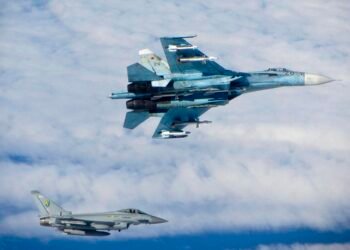 RAF Typhoons scrambled amid Russian drone threat near Nato
 Trump orders US troop pullout from Germany
 Ukraine strikes Tuapse as oil disaster worsens
 Trump likens US Navy actions to ‘pirates’
 Fog of War: US Rejects Iranian Claims of Missile Strike on Navy Frigate
 “Asymmetric Operations”: Iran Warns US “We Are Just Getting Started” as Project Freedom Escalates
 “Consolidation in Crisis”: Gen Assimi Goïta Assumes Defence Ministry After Coordinated Attacks Kill Predecessor
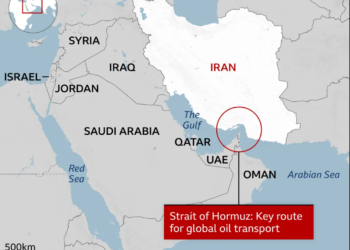 “The Pivot to Pakistan”: Trump Pauses ‘Project Freedom’ in Hormuz Amid Iran Deal Hopes
 “The Strait Scramble”: Inside Trump’s ‘Project Freedom’ and the Hormuz Naval Escort
 “The New Silk Road”: India and Vietnam Forge Strategic Maritime Alliance to Counter Regional Volatility
 “The Anchors Up”: Hull’s Affiliated Frigate HMS Iron Duke ‘Quietly Withdrawn’ From Service
 “The Spoils of Conflict”: Global Giants Raking in Billions from the Iran War ‘Windfall’
 “The High Stakes of Havoc”: Inside the Corporate Machinery Raking in Billions from the Iran War
 UK Must Act with Courage and Clarity on Israel-Palestine Conflict, Says Foreign Affairs Committee Report
 Chaos at Ibrox as Martin’s Rangers Era Comes to an End
 Russia’s Latest Push to Win US Favors Shows Deep Desperation
 BBC to Apologise Over Edited Trump Speech Amid Backlash
 Greene Pushes Epstein Files Amid Trump Fallout
 Zelenskyy Signs Fighter Jet Deal Amid Russian Drone Attacks
 Shadow Fleet at Sea: Europe’s Battle Against Illicit Oil Shipping
 US Suspends Afghan Immigration After White House Shooting
 ‘Extinct’ Antelope Returns to Sahara, Bringing Hope
 Sydney Shark Attack Surge Shocks Australia Beaches
 Portugal Election Delivers Socialist Win as Far Right Surges
 Australian Families Leave Syrian Camp for Home
 ‘I Would Scream in My Sleep’: Alawite Women from Syria Tell of Kidnap and Rape
 Hilary Knight speaks out on Trump’s recent hockey remarks
 American Citizen Killed in Cuba Boat Shooting, U.S. Officials Say
 Iran’s Regime Still Intact — Coming Days Will Test Its Survival
 In Maps: Strikes Across Iran and the Middle East
 Brit ‘in Good Spirits’ Amid Dubai Missile Attacks, Stranded but Safe
 Civilian Deaths in Iran Pass 700 Amid Fear of Bombs and Regime Clampdown
 ‘Every Day Feels Like a Month’: Iranians Describe Life Under ‘Constant’ US‑Israeli Strikes
 Penny Wong silent on Australian crew in sub strike
 Finland Plans to Lift Decades‑Old Ban on Hosting Nuclear Weapons
 Trump Pressures Congress Over Save America Act
 Iran War Puts Trump at Political Risk Amid Rising Prices
 Goma Drone Attack Kills Three as Conflict Escalates
 Queensland Protest Laws Spark Free Speech Backlash
 Trump Nato threats expose Iran strategy vacuum
 Trump Facing Backlash from Epstein Survivors Over Files
 UK Forces Ready to Seize Russian Shadow Fleet Vessels
 Trump Considers Military Operation to Seize Iran’s Uranium
 “It Ends With Trial”: Judge Tosses Blake Lively’s Sexual Harassment Claims Against Justin Baldoni
 The Banbridge Rescue: 300 Sheep Saved from Massive Hay Shed Inferno
 Report Says Pezzullo Acted ‘Recklessly’ in Dealings
 Oil and Diplomacy: Russian Refineries Burn as Zelenskyy Secures Middle East Shield
 Electric Shock: Australians Buy Record Number of New EVs as Fuel Crisis Bites
 The Suffocating Silhouette: Why Metal’s Mask Trend is Turning Deadly
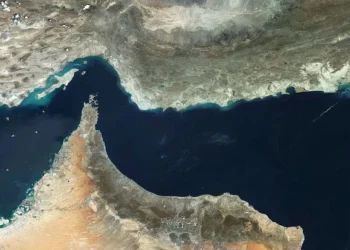 The Great Chokehold: Why the Strait of Hormuz is the Epicenter of the 2026 Crisis
 Moldova River Crisis Exposes War’s Hidden Cost
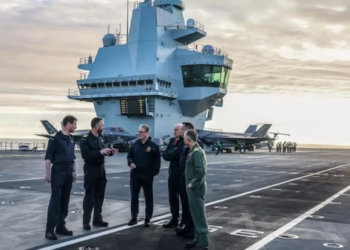 Is Britain Ready? Experts Warn of ‘Bizarre’ Military Delay
 Tragedy Strikes Outside Melbourne Comic Con
 The Fog of War and the Ticker Tape: Suspicious Trades Rile Washington
 ‘A Fragile Calm’: Oil Prices Dip as Trump Extends Iran Ceasefire, But Blockade Holds Firm
 Justice and Deceit: High Court Convicts Woman in Hong Kong Blackmail Plot
 “Three-Wheeled Triumph”: Mayor of Erewash Completes 2,000-Mile European Charity Run