Published: 12 May 2026. The English Chronicle Desk. The English Chronicle Online.
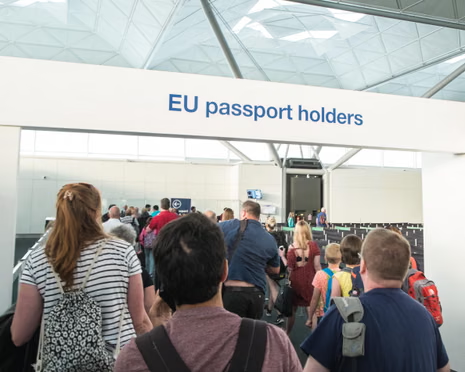
The political landscape of Europe currently feels heavy with the weight of unfulfilled promises. Prime Minister Keir Starmer has recently reiterated his strong desire to bridge the English Channel. He spoke passionately about placing Britain back at the very heart of the European project. These words followed a significant victory for his party during the latest rounds of elections. However, the fine print of diplomacy is proving much harder to manage than campaign rhetoric. A deep divide has opened regarding the proposed youth mobility scheme for young people today. This disagreement is currently hampering the broader reset of relations between the United Kingdom and EU. Both sides appear to be digging in their heels over the specific visa conditions. The British government remains wary of any policies that might lead to surging migration figures. Meanwhile, Brussels views a flexible youth exchange as a vital cornerstone for any future cooperation.
The core of the dispute rests on the total number of annual visa slots. Reports suggest that the UK wants to cap these visas at fifty thousand per year. This figure is significantly lower than what many European negotiators had originally hoped to see. Labour leaders are currently navigating a very thin line regarding domestic concerns about net migration. They are reportedly anxious about how the public might perceive a large influx of workers. Consequently, the government has shifted its preferred range down from an earlier seventy thousand figure. It is now understood that officials prefer a total closer to forty thousand people. This caution reflects a broader political sensitivity within the UK regarding post-Brexit border controls. For many voters, the promise of regained sovereignty remains a very powerful and emotive issue. Any perceived softening on immigration could potentially trigger a backlash from the more skeptical electorate.
On the other side of the table, the European Union has rejected a cap. They prefer a system of unlimited visas with a built-in annual review process instead. This mechanism would act as a political emergency brake if numbers became too high. Brussels argues that a hard limit undermines the spirit of a meaningful cultural reset. European diplomats believe that young people should be able to move freely for work. They view the exchange of ideas and skills as essential for a healthy relationship. The EU’s stance is that a rigid cap creates unnecessary barriers for many applicants. Many member states feel that the UK is being overly cautious about this matter. This fundamental difference in philosophy is making it very difficult to reach a consensus. The two parties seem to be speaking entirely different languages regarding shared mobility goals.
Expert voices have recently raised concerns about the slow pace of these critical talks. Catherine Barnard is a distinguished professor of EU law at the University of Cambridge. She recently noted that the situation remains incredibly tricky for both negotiating teams involved. She has heard nothing to suggest that progress has improved over the past month. Her assessment paints a picture of a diplomatic process that has hit a wall. She fears that the momentum generated by the recent election victory might be fading. Without a breakthrough on youth mobility, other areas of cooperation may also suffer greatly. Professor Barnard is well-known for her deep understanding of complex European legal frameworks. Her skepticism carries significant weight among those following these high-stakes negotiations very closely. It suggests that the path toward a new partnership is still quite rocky.
The youth mobility scheme is widely seen as a top priority for European capitals. It is designed to allow individuals under thirty to experience life in other countries. Participants would be able to work, study, or serve as au pairs abroad. This program is intended to foster a better understanding between the UK and EU. It is about more than just labor markets or university enrollment for young adults. The scheme aims to build lasting bridges between the next generation of European citizens. Proponents argue that these personal connections are vital for long-term regional stability and peace. Without such a program, the cultural distance between Britain and Europe could grow. This would be a disappointing outcome for those who voted for a reset. Many young people feel they are being denied opportunities enjoyed by their parents.
Ben Brindle is a respected researcher at the Migration Observatory who studies these trends. He compared the proposed UK cap to the existing scheme used with Australia. He noted that the Australian program is actually quite undersubscribed at the moment. In contrast, the European youth population is much larger than that of Australia. This means that a fifty thousand cap would likely be reached very quickly. EU citizens would find themselves competing for a very limited number of visa slots. Brindle also emphasized that the duration of the visa is a critical factor. A shorter visa makes it much harder for people to find stable jobs. It also limits their ability to build a life or find a partner. These technical details have a massive impact on the success of the scheme. The UK seems focused on limits while the EU is focused on longevity.
European diplomats are also questioning what their side actually gains from this new deal. They point out that many other elements are focused on British economic interests. These include agreements on food and drink exports to reduce costly red tape. Some officials in Brussels are asking why they should accommodate the UK’s needs. They feel that the benefits of the reset seem to be somewhat one-sided. One diplomat stated clearly that there will be no summit without a deal. This ultimatum shows the level of frustration currently felt within the European Commission. The EU is looking for a reciprocal arrangement that benefits their own young citizens. They do not want to sign a lopsided agreement that only helps Britain. This transactional approach is making the atmosphere in the meeting rooms quite tense. It highlights the lingering trust issues that still exist after several years of Brexit.
Furthermore, the issue of university tuition fees has become a significant sticking point. The EU wants their citizens to pay the same fees as British students. Currently, European students must pay international rates which can be incredibly expensive. At prestigious institutions like Cambridge, these fees can reach seventy thousand pounds annually. The UK argues that tuition fees were never meant to be part of talks. They maintain that this specific topic was not included in the original roadmap. However, the EU views affordable education as a vital part of youth mobility. They believe that high fees act as a barrier to many talented students. This disagreement over money adds another layer of complexity to the ongoing discussions. It is an issue that affects thousands of potential applicants every single year.
The political stakes have been raised by the current global climate of uncertainty. The possibility of a second Donald Trump presidency is weighing on European minds. Many leaders feel that a closer UK-EU relationship is now more important than ever. Strengthening ties could provide a hedge against potential shifts in American foreign policy. Despite this shared goal, the domestic politics of immigration continue to dominate headlines. Starmer has promised to be full-throated in his support for closer European ties. He told the Observer that he does not want any half measures here. Yet, his government’s insistence on strict visa caps tells a slightly different story. There is a clear tension between his European ambitions and his domestic priorities. Balancing these two forces is proving to be a monumental task for him.
Negotiations were originally expected to conclude by the end of this current month. However, the timetable has now slipped due to the lack of substantial progress. The next summit is not expected until the end of June or July. This delay provides more time for both sides to reconsider their current positions. It also increases the pressure on negotiators to find a workable middle ground. The UK government has refused to give a running commentary on the talks. A spokesperson stated they are working toward a balanced and fair mobility scheme. They emphasized that any final agreement must be time-limited and strictly capped. This official stance suggests that the British red lines remain very firmly in place. Whether the EU will eventually blink first remains a very open question. For now, the dream of a seamless European reset remains just out of reach. Young people on both sides of the channel continue to wait for clarity. The coming weeks will determine if a new era of cooperation can truly begin.
Related News:
 Shock US Raid: Maduro Pleads Not Guilty in Manhattan Court
 Trump Plans Venezuela Meeting, Warns of Cartel Land Strikes
 Mandelson apologises over Epstein ties after public scrutiny
 Rudd successor: Defence chief and former ministers considered
 US Senate rejects resolution limiting Trump military powers
 Trump Calls Greenland Critical for US Security After Denmark Talks
 Trump: Iran Killing Has Stopped, Strike Threats Pulled Back
 Machado Trump medal gesture reshapes Venezuela power struggle
 Trump Receives Machado’s Nobel Medal in White House Meeting
 Iran unrest slows under brutal crackdown and global tensions
 Trump Allies Pursue $200m European Gas Pipeline Deal
 US Considers Asylum for British Jews Amid Rising Antisemitism
 Starmer Challenges US Over Controversial Greenland Deal
 Spoof “Make America Go Away” Caps Rally Denmark Over Greenland
 Trump slams UK ‘stupidity’ over Chagos Islands, eyes Greenland takeover
 UK Presses On With Chagos Handover Despite Trump Criticism
 Kim Jong-un Fires Vice-Premier Over Factory Failures
 Shinzo Abe’s killer receives life sentence in Japan
 Starmer Resists Matching Trump Amid Greenland Tensions
 Netanyahu Accepts Trump’s ‘Board of Peace’ Invitation
 Russia Strikes Kyiv and Kharkiv as Peace Talks Enter Day Two
 Canada Rules Out Free Trade Deal With China Amid US Tensions
 Turnbull urges Albanese to confront Trump’s global ‘bully’ politics
 Snow Threatens Japan Election Turnout Amid Extreme Cold
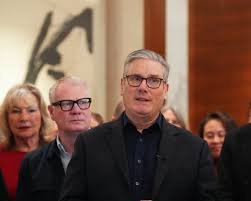 Keir Starmer meets Xi to strengthen UK-China economic relations
 Crisis Looms as Liberals Debate Sussan Ley Future
 Cambridge Faces Scrutiny Over Arms Investment Transparency
 Files Link Andrew to Epstein Dinner After Prison Release
 Thousands Protest ICE Operations in Nationwide US Day of Action
 Epstein Files Reveal Trump Officials’ Emails with Financier
 Thousands Protest ICE in New York Against Trump Deportation Campaign
 Trump-Petro Meeting Sparks Hopes of Diplomatic Detente
 Trump softens stance on Chagos Islands deal after Starmer call
 Epstein UAE Emails Shake British Royal Andrew’s Legacy
 Liberal Fallout: Taylor Challenge Casts Shadow Over Sussan Ley’s Leadership
 Ukraine, Russia Meet in Geneva Ahead of War Anniversary
 Brazilian Politician Brothers Sentenced for Marielle Murder
 Jimmy Lai Freed From Fraud Conviction in Rare Hong Kong Court Victory
 Why the Longest State of the Union Was Surprisingly Hollow
 Tommy Robinson Meets Trump Officials at US State Department
 New Zealand Covid Response Praised Despite Lingering Scars
 HMS Dragon to Head to Cyprus Amid Rising Tensions
 Starmer Praised for Stance on Trump and Iran Conflict
 Yvette Cooper: UK Must Follow Principles, Not US Pressure
 UK Ministers Signal Strategic Independence From Trump Demands
 Slovenia Election: A Nation at a Crossroads
 Florida Governor renames Palm Beach Airport for Donald Trump
 Labor Under Fire Over Stalled University Fee Reform
 Big Tech Faces Investigation Over Australia’s Social Media Ban
 Farage Shuns Truss as US Right-Wing Roadshow Hits London
 European Leaders Slam Hungary Over Alleged Russian Ties
 Starmer Urges Ambitious EU Ties Amid Middle East Conflict
 A Global Voice For Justice: Stephen Lewis Dies At Age 88
 Trump Mocks Starmer and UK Carriers in White House Speech
 Michigan Battleground: Middle East Crisis Stirs US Senate Race
 Final Countdown as Trump Deadline Looms Over Tehran
 Reform UK Pledges To Halt Visas Over Reparations Demands
 Starmer visits Gulf as US and Iran agree ceasefire
 Trump Signals Hope for New Iran Talks as Ceasefire Fades
 GOP Senator Criticizes Trump’s Feud With Pope Leo XIV
 Global Oil Prices Surge Amid Renewed Gulf Tensions
 Faith and Power: Catholics React to Trump-Pope Feud
 Timor-Leste Faces Tough Questions Over Resort Proposal
 Investigation Into Anti-Trump Motives After Gala Shooting
 Security Scrutiny After Washington Shooting Incident
 Aukus Submarine Plan Faces Critical Failures
 UK Envoy Sparks Controversy Over Special Relationship Claims
 US Calls Australia Media Law “Foreign Extortion”
 USS Gerald R Ford Ends Record Naval Deployment
 Oil Prices Surge Above $120 Amid Iran Blockade Fears
 Trump orders US troop pullout from Germany
 Global order shifts amid Trump-era turmoil
 Australia pushes Pacific security pact amid China tension
 Indiana Republicans Defy Trump in Key Vote Test
 Middle East Crisis Escalates as Oil Routes Shake Markets
 One Nation Candidate’s Surprising Ties to Independents
 Anika Wells Repays Over £5,000 in Travel Claims
 Tensions Emerge in Netanyahu-Trump Alliance
 Putin Declares Russia Victory at Scaled Victory Day Parade
 California Mayor Resigns Over Foreign Agent Charges