Published: 19 May 2026. The English Chronicle Desk. The English Chronicle Online
In a swift, “asymmetric” response to a deeply disturbing digital trend, the Crown Prosecution Service (CPS) has secured rapid guilty pleas from two young men who traveled across London specifically to film antisemitic harassment for social media engagement. Adam Bedoui, 20, and Abdelkader Amir Bousloub, 21, both residents of West Drayton in Hillingdon, appeared before Thames Magistrates’ Court just 48 hours after being caught red-handed by a newly deployed Metropolitan Police tactical unit. The pair pleaded guilty to religiously aggravated intentional harassment and public order offenses after recording themselves cornering and verbally abusing a Jewish man in the predominantly Orthodox neighborhood of Clapton Common, Hackney. The case highlights a profound, “nasty” shift in urban street crime, where perpetrators are no longer simply driven by localized prejudice, but are treating vulnerable minority populations as raw material to feed viral algorithms.

The mechanics of the incident reveal a calculated degree of preparation that completely bypasses the traditional “bottleneck” of spontaneous neighborhood friction. According to prosecution files, Bedoui and Bousloub deliberately left their homes in West London on the evening of Thursday, May 7, 2026, traveling over 20 miles across the capital to enter an area known for its highly visible Charedi Jewish community. Armed with smartphones and a pre-planned ambition to generate controversial content for TikTok, the duo tracked a visibly Jewish pedestrian down a side street at around 9:00 PM. They began aggressively filming him at point-blank range while unleashing a torrent of targeted, religiously aggravated abuse, moving at a frantic “160 MPH clip” to capture high-impact footage before local community security patrols could react.
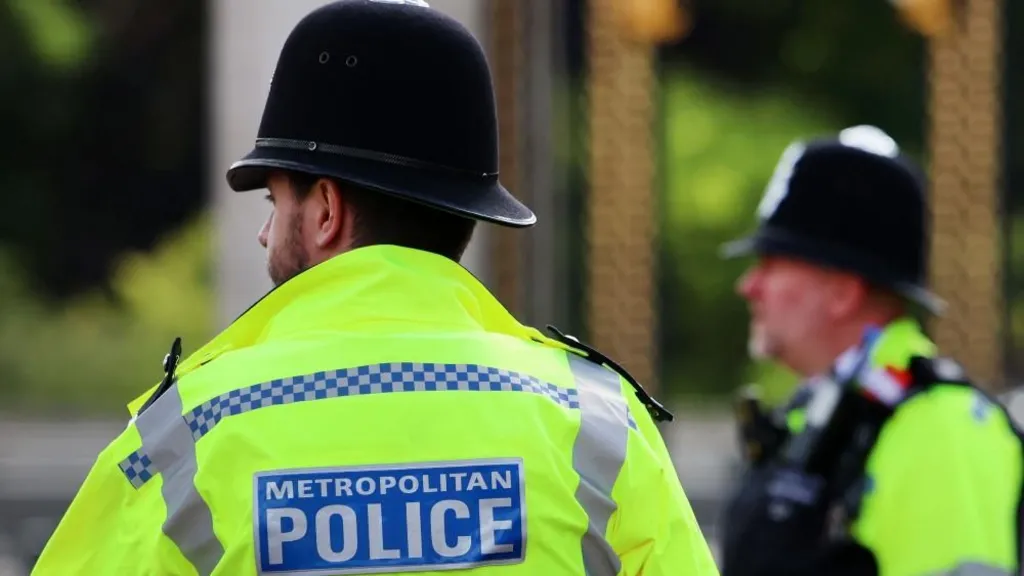
However, the suspects’ plans hit a decisive structural roadblock when the Metropolitan Police, alerted by terrified local onlookers, intercepted the pair mid-confrontation. In a desperate bid to preserve their anonymity and protect the data on their mobile devices, both Bedoui and Bousloub attempted to flee the scene on foot, sparking a brief, chaotic pursuit through the residential streets of Hackney. Frontline officers successfully detained both individuals, immediately seizing their electronic devices for forensic analysis. Detective Superintendent Oliver Richter, head of policing for Hackney and Tower Hamlets, broke his “clinical silence” on Saturday to issue an uncompromising public condemnation: “This was a deliberate and targeted antisemitic attack, aggravated by the pair’s explicit intention to post the incident on social media to spread hatred. It has absolutely no place in London.”
The rapid resolution of the case marks a major milestone for the Metropolitan Police, which has faced intense, compounding scrutiny over its handling of community safety amidst an unprecedented regional surge in hate crimes. The swift 48-hour timeline from arrest to court conviction was made possible by the Met’s recently unveiled Community Protection Team, a specialized 100-officer force established just days prior to specifically combat rising threats against the capital’s Jewish infrastructure. The deployment aims to correct a severe “resilience deficit” in traditional neighborhood policing, fusing rapid-response capabilities with advanced, intelligence-led counter-terrorism protocols to blanket high-risk districts in London with a highly visible, protective shield.
Community leaders and monitoring groups like the Community Security Trust (CST) have warned that the Clapton Common incident is merely the tip of a highly sophisticated, transactional iceberg where algorithmic platforms function as passive accelerators for hate tourism. Analysts note that creators like Harry Marsh, known online as Penofein, have previously established a highly lucrative template by filming themselves throwing coins at Stamford Hill residents or harassing Jewish women for digital clout. This dangerous convergence of performative social media culture and old-world bigotry has fanned an institutional “accountability rot,” where tech giants consistently fail to prevent automated recommendation systems from amplifying hate-driven content to millions of impressionable viewers worldwide.

As Bedoui and Bousloub remain in custody awaiting formal sentencing at Thames Magistrates’ Court on June 5, the judiciary faces widespread pressure to apply strict hate-crime sentencing uplifts to signal that “justice has no expiry date” on the digital frontier. The CPS has already confirmed it will petition the court for an enhanced, custodial sentence to reflect the pre-meditated, performative nature of the attack. For the families of Hackney and the wider British Jewish community, the “speechless determination” of the police to execute rapid interventions provides a fragile sense of reassurance, yet the underlying systemic threat remains unyielding. As long as global social media algorithms reward shock value over human dignity, the streets of London will remain on the absolute frontline of an asymmetric battle against performative hate.
Related News:
 Madeleine McCann Case: German Woman at Centre of Hit-and-Run Theory Speaks Out
 UK Home Office to Launch French Beach Signage to Warn Asylum Seekers of Risks
 Charlie Kirk Killing Used to Mobilise UK’s Largest Far-Right Rally in Decades
 UK and Ireland Set to Unveil New Proposals to Address Northern Ireland’s Troubles Legacy
 UK Recognises State of Palestine in Push to Preserve Hope for Peace
 Jailed Georgian Opposition Leaders Warn UK of Iranian Links to Ruling Party
 Cooper Unveils £4m Cyber Plan Against Russian Hackers
 China’s Mega Embassy in London Faces Further Delay
 Prince Andrew met alleged Chinese spies during Pitch@Palace China trips
 Kosovo agrees to host Britain’s refused asylum seekers
 UK Gamer Recruited by Wagner Group Found Guilty of Arson
 Trump Speaks on Prince Andrew’s Royal Scandal Fallout
 Pregnant UK Teen to Be Freed from Georgian Jail
 Just Stop Oil Protesters Convicted Amid Climate Defence Row
 British Grandmother to Return Home After Death Sentence in Bali
 Second world war veterans honoured as King leads Remembrance Sunday
 New review urges UK to repatriate Shamima Begum, others from Syria
 Emails Show Epstein Funded Mandelson’s Husband After Jail
 London Pedicab Regulations Target ‘Rip-Off Fares’ and Nuisance Behaviour
 How Much Could Andrew’s Arrest Hurt the Royal Family?
 Two Arrested After Death of ‘British Lip King’
 Two Arrested After Woman Set on Fire in Revenge Attack
 Family ‘Incredibly Worried’ for Jailed Iran Couple
 Five Years On Since Sarah Everard, What’s Actually Changed?
 Stranger ‘On Drugs’ Stabbed Saudi Student to Death in Cambridge
 Murdered Student ‘Algasim’ Was ‘the Most Special Person’, Friends Say
 Four arrested on suspicion of assisting Iran’s intelligence service
 Teen Admits Filming Westfield Chair Prank
 Second Explosion in Three Days Leaves Thirteen Dead in Kerala
 Shadows in the Valley: Pahalgam Remembers a Year of Grief
 “Terrorism Suspect” Arrested in Devon as Investigation into London Jewish Site Attacks Widens
 “The Instruction of Silence”: Young Witness Tells Jury He Was Coerced into Falsifying Sister’s Death Narrative
 “Community Shield”: Met Police Deploy Specialist 100-Officer Team to Guard London’s Jewish Postcodes
 “A Target of Terror”: Domestic Abuse Inquiry Launched After Woman Killed in ‘Explosive’ Home Invasion
 “The Rooftop Mystery”: Police Launch ‘Suspicious Death’ Probe After Body Found in Luxury Garden
 “The Ghost Itinerary”: Woman Jailed After £300,000 Fraud Leaves Holidaymakers in a ‘Resilience Deficit’
 “The Accountability Rot”: Serving Met Officer and Four Ex-Detectives Under ‘Clinical’ Investigation Over Al Fayed Allegations
 “The Blue Light Intersection”: Seventeen-Year-Old Critically Injured in ‘Nasty’ Police Pursuit Crash
 “The Shadow of Lord Warwick Street”: Second Teenager Charged in ‘Nasty’ Murder of 14-Year-Old Eghosa Ogbebor
 “Hidden in Plain Sight”: Government Launches Elite High Street Taskforce After Shock BBC Exposure of Illicit Shopfronts
 “Untouchable” on TikTok: The Brazen Digital Underworld of Britain’s Teenage Motorbike Thieves
 UK Must Act with Courage and Clarity on Israel-Palestine Conflict, Says Foreign Affairs Committee Report
 Targeted Attack in Bury Sparks Murder Investigation as Community Awaits Justice
 Merseyside Police Helicopter Crew Cleared After Low-Altitude Pursuit of Suspect
 Systemic Racism in Maternity Care Continues to Endanger Black Women in England, MPs Warn
 Northern Ireland Faces Fears of Prolonged Race Riot “Permacrisis”
 No Evidence Found to Substantiate Alleged Rape in Oxfordshire Churchyard, Police Confirm
 Massive London Poundland Fire Engulfs High Street
 Paedophile Singer Ian Watkins Dies After Prison Attack
 UK Bans Fake Numbers: Scammers Lose Their Trick
 Indian authorities demolish Kashmir home linked to Red Fort blast
 Greene Pushes Epstein Files Amid Trump Fallout
 Inside the Helpline Protecting Missing Children in the UK
 Woman Jailed for Life After Killing E-Bike Rider in Tragic Mistaken Identity Case
 Police response times face strict new national limits
 Epstein Eyed Record Label Investment to Access Women, Files Suggest
 Rape Accused Had Fight With Man in Alley, Court Told
 American Citizen Killed in Cuba Boat Shooting, U.S. Officials Say
 Mother Says ‘I Hugged My Daughter’s Killer’ as They Cried Together in Prison
 Driver Jailed Over Fatal Water Treatment Tank Crash
 Brit ‘in Good Spirits’ Amid Dubai Missile Attacks, Stranded but Safe
 Calls Grow to Remove Billboard Following Lyra McKee Graffiti
 Police Scotland Pays £8m Compensation to Staff
 Minister Meets Crews Who Will ‘Take Out’ Iranian Drones
 Real Estate Brothers Convicted in Sex Trafficking Trial
 Teen Wins Payout After TRNSMT Crush Horror
 Australia Imposes Sudden Travel Ban on Iranian Visitors
 UK Forces Ready to Seize Russian Shadow Fleet Vessels
 Two Men Bailed Following Arson Attack on Jewish Charity Ambulances
 Net Closes on Lyons Clan: Partner Arrested in Dubai as Crime Boss Snared in Bali
 ‘The Insulation Trap’: Knifeman Discovered Hiding Under Loft Padding After Six-Hour Standoff
 Open Justice Prevails as Court Rejects Bondi Gunman’s Family Anonymity Bid
 The Banbridge Rescue: 300 Sheep Saved from Massive Hay Shed Inferno
 Roadside Reckoning: Nearly 160,000 Uninsured Vehicles Seized in National Crackdown
 Justice and Deceit: High Court Convicts Woman in Hong Kong Blackmail Plot
 “Three-Wheeled Triumph”: Mayor of Erewash Completes 2,000-Mile European Charity Run
 Tragedy in the Red Centre: Outback Search Ends in Discovery of Missing Girl’s Body
 “An Endurance Test for the Mind”: British Couple Sentenced to 10 Years in Tehran
 “The Local Gavel”: Polls Open Across Hampshire and Isle of Wight in Delayed ‘Milestone’ Vote
 “The Fractured Frontier”: Sir John Curtice Declares the ‘Sacred’ Two-Party Era Over After ‘Milestone’ Results