Published: 22 May 2026. The English Chronicle Desk. The English Chronicle Online.
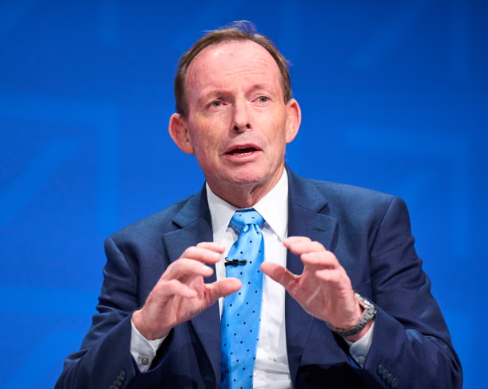
The political landscape of Australia has experienced a significant shift with a familiar face returning. Former prime minister Tony Abbott is set to step back into the political spotlight very soon. He has secured the position of federal president for the opposition Liberal party this week. This unexpected comeback marks a notable moment for the nation’s prominent conservative political movement. His return comes seven years after losing his parliamentary seat in the federal election. The decision has already sparked intense discussions among political commentators across the globe today. Many observers view this development as a calculated strategy for the upcoming election cycle. Others see it as a potentially divisive move for a deeply fractured political organisation. The party will officialise his appointment at the upcoming federal council meeting in Melbourne.
Abbott emerged as the sole nominee for this crucial organizational role after much deliberation. His initial competitor, former foreign minister Alexander Downer, decided to withdraw from the main race. Downer chose instead to campaign for one of the vice-presidential positions within the party structure. This strategic shift cleared the path for Abbott to take the administrative helm completely unopposed. He will succeed the former South Australian premier John Olsen in this demanding leadership role. The position itself focuses heavily on the administrative and campaigning wings of the political machine. It operates at arm’s length from the frontline parliamentarians who debate in the capital. Traditionally, the federal president works quietly behind the scenes to build electoral success nationwide. However, the unique personality of Tony Abbott ensures this tenure will be closely watched.
The former prime minister remains a deeply influential figure among many staunch conservative politicians. His strong convictions continue to resonate with the traditional base of the Liberal party. The official nomination was put forward by Charlie Taylor, a prominent party member recently. Interestingly, Charlie Taylor is the brother of the current federal opposition leader Angus Taylor. This close connection highlights the strong alliances supporting Abbott’s dramatic return to active service. When questioned about his motivations at a major cultural festival, Abbott expressed his intentions. He stated his absolute commitment to helping Angus Taylor become the next prime minister. He believes his extensive experience can provide the necessary support for a successful campaign. He emphasized that serving the party is a fundamental duty he must willingly accept.
Despite his enthusiasm, the appointment has caused considerable anxiety among the more moderate factions. Several moderate members fear that Abbott will act as a de-facto parliamentary leader. They worry his strong conservative views on immigration will pull the party too far rightward. This ideological shift could potentially create major distractions for Angus Taylor’s current leadership team. Some factional rivals previously suggested that endorsing this move would be highly foolish and risky. They believe a controversial figure might alienate centrist voters needed to win government back. The delicate balance between the conservative and moderate factions remains a permanent internal challenge. Managing these conflicting internal viewpoints will be a critical task for the incoming president. The world will watch how he navigates these complex internal political dynamics smoothly.
Meanwhile, parallel administrative changes are occurring within the crucial Victorian state branch of the party. The state council is scheduled to meet in Melbourne to elect its new executive. The current state president, Philip Davis, is widely expected to step down from office. Brian Loughnane has emerged as the sole candidate to replace him in that role. Loughnane is a highly seasoned political operator with a formidable reputation for securing victories. He previously served as the federal director during several landslide electoral triumphs in the past. Furthermore, he is married to Peta Credlin, who was Abbott’s influential chief of staff. This connection further strengthens the traditional conservative framework now taking control of the machinery. His candidacy reportedly received strong cross-factional support from key state and federal political figures.
The urgent administrative shake-up follows a series of damaging controversies within the Victorian branch. A recent preselection saga forced the party to completely review its candidate vetting processes. A chosen candidate was quickly disendorsed after troubling past associations came to light unexpectedly. This incident caused significant public embarrassment and raised serious questions about internal party oversight. Additionally, the executive faces ongoing legal action from an angry sub-faction of its members. This lawsuit involves a substantial loan awarded to a former leader for legal fees. The costly defamation lawsuit has become a symbol of deep internal dysfunction and disharmony. Party insiders hope that Loughnane can restore essential order and stability to the branch. He has indicated he will only serve for a brief, transitional period of time.
The broader implications of these leadership changes will resonate throughout Australian politics for years. Having a former prime minister manage the organizational wing is a rare political occurrence. It provides the opposition party with an experienced campaigner who understands national leadership demands. However, it also introduces a powerful personality who might overshadow the current parliamentary leadership. International observers note that conservative parties worldwide are facing similar internal ideological debates today. The tension between moderate pragmatism and traditional conservatism shapes modern democratic politics globally. Abbott’s performance will likely determine whether the Liberal party can present a unified front. The ultimate goal remains winning the next federal election against the incumbent Labor government.
The administrative wing must now focus heavily on building robust fundraising and campaigning infrastructures. Australian elections are notoriously expensive and require meticulous planning across vast geographic regions daily. Abbott’s primary responsibility will be ensuring the party is fully prepared for battle. He must work collaboratively with state directors to coordinate effective national messaging strategies. His deep understanding of media dynamics will undoubtedly influence how campaigns are run hereafter. Whether he can remain strictly behind the scenes as traditional rules dictate remains uncertain. His supporters are confident that his fierce dedication will re-energize the entire volunteer base. They believe his presence sends a strong signal of conviction to the electorate.
The upcoming federal council meeting in Melbourne will undoubtedly be a historic political event. It will bring together delegates from every state to confirm these vital appointments. The atmosphere is expected to be charged with anticipation and some underlying tension. The decisions made next weekend will establish the strategic direction for the foreseeable future. Tony Abbott’s formal return to the frontlines is now a reality for Australia. The English Chronicle will continue to monitor these fascinating political developments as they unfold. The path to the next federal election has suddenly become much more intriguing. Voters will ultimately decide if this conservative resurgence is what the nation desires.
Related News:
 Tony Abbott Returns as New Liberal Party President
 Liberal Turmoil Threatens Victorian Election Hopes
 Mandelson apologises over Epstein ties after public scrutiny
 US Senate rejects resolution limiting Trump military powers
 Trump Calls Greenland Critical for US Security After Denmark Talks
 Trump: Iran Killing Has Stopped, Strike Threats Pulled Back
 Iran unrest slows under brutal crackdown and global tensions
 Trump Allies Pursue $200m European Gas Pipeline Deal
 Starmer Challenges US Over Controversial Greenland Deal
 Spoof “Make America Go Away” Caps Rally Denmark Over Greenland
 UK Presses On With Chagos Handover Despite Trump Criticism
 Nationals Crisis Meeting Threatens Coalition Stability
 Kim Jong-un Fires Vice-Premier Over Factory Failures
 Shinzo Abe’s killer receives life sentence in Japan
 Starmer Resists Matching Trump Amid Greenland Tensions
 Netanyahu Accepts Trump’s ‘Board of Peace’ Invitation
 South Korean Ex-PM Jailed 23 Years Over Martial Law Role
 Sussan Ley leadership milestone shakes Liberal future
 Silence and Unity Mark Bondi Terror Attack Memorial
 Canada Rules Out Free Trade Deal With China Amid US Tensions
 Snow Threatens Japan Election Turnout Amid Extreme Cold
 Keir Starmer meets Xi to strengthen UK-China economic relations
 Cambridge Faces Scrutiny Over Arms Investment Transparency
 Thousands Protest ICE Operations in Nationwide US Day of Action
 Epstein Files Reveal Trump Officials’ Emails with Financier
 Thousands Protest ICE in New York Against Trump Deportation Campaign
 Trump-Petro Meeting Sparks Hopes of Diplomatic Detente
 Epstein UAE Emails Shake British Royal Andrew’s Legacy
 Liberal Fallout: Taylor Challenge Casts Shadow Over Sussan Ley’s Leadership
 Ukraine, Russia Meet in Geneva Ahead of War Anniversary
 Angus Taylor Faces Immense Test with New Frontbench
 Anthony Albanese Must Uphold Rights for All Australians
 Tommy Robinson Meets Trump Officials at US State Department
 New Zealand Covid Response Praised Despite Lingering Scars
 SA Liberals Back Candidate With Controversial Views on Homosexuality
 Starmer Praised for Stance on Trump and Iran Conflict
 Yvette Cooper: UK Must Follow Principles, Not US Pressure
 UK Ministers Signal Strategic Independence From Trump Demands
 Victorian Liberals Face New Crisis Over Candidate Ethics
 Big Tech Faces Investigation Over Australia’s Social Media Ban
 Farage Shuns Truss as US Right-Wing Roadshow Hits London
 Sam Konstas Dropped as Australia Unveils New Contract List
 Starmer Urges Ambitious EU Ties Amid Middle East Conflict
 A Global Voice For Justice: Stephen Lewis Dies At Age 88
 Trump Mocks Starmer and UK Carriers in White House Speech
 Final Countdown as Trump Deadline Looms Over Tehran
 Reform UK Pledges To Halt Visas Over Reparations Demands
 Starmer visits Gulf as US and Iran agree ceasefire
 Trump Signals Hope for New Iran Talks as Ceasefire Fades
 GOP Senator Criticizes Trump’s Feud With Pope Leo XIV
 Global Oil Prices Surge Amid Renewed Gulf Tensions
 Faith and Power: Catholics React to Trump-Pope Feud
 Timor-Leste Faces Tough Questions Over Resort Proposal
 Investigation Into Anti-Trump Motives After Gala Shooting
 Security Scrutiny After Washington Shooting Incident
 UK Envoy Sparks Controversy Over Special Relationship Claims
 US Calls Australia Media Law “Foreign Extortion”
 Oil Prices Surge Above $120 Amid Iran Blockade Fears
 Trump orders US troop pullout from Germany
 Activists allege abuse after Gaza flotilla seizure
 Australia pushes Pacific security pact amid China tension
 One Nation Candidate’s Surprising Ties to Independents
 Anika Wells Repays Over £5,000 in Travel Claims
 Tensions Emerge in Netanyahu-Trump Alliance
 Hanson Stunner: Norway Model Sparking Energy Row
 Tulsi Gabbard exits after turbulent intelligence tenure
 UK Urged to Build EU Rejoin Consensus, Says Miliband
 Discontent grows around Putin amid war strain
 Former ICC prosecutor condemns US sanctions
 Global Tech Giants Face Off Against Australia Over Media Levies
 Breakthrough in Hunt for Sovereign Citizen Accomplices
 A State in Turmoil: Aussie MP Denies Assault Allegation
 Moira Deeming Gains Respite in Liberal Party Standoff
 Court Lifts Suppression on Senator Thorpe MCG Assault Case
 Iran Prepares for Massive Six-Day Funeral for Khamenei
 Trump’s Mount Rushmore Speech: A Divisive Anniversary
 Iran Mourns: Millions at Khamenei’s Final Procession
 China’s Pacific Missile Test Sparks Regional Alarm
 Trump Swaps Planes Amid Iran Tensions
 Houthis Strike Saudi Arabia as Middle East Tensions Rise