
Published: 9 June 2026
The English Chronicle Desk
The English Chronicle Online
New concerns have been raised over the safety of infant sleep products, with experts warning that babies’ lives may still be at risk due to gaps in regulation across parts of the baby sleep industry.
An investigation into the sector found that a range of widely marketed sleep aids and accessories may not meet consistent safety standards, despite being sold to new parents as tools to improve infant sleep and comfort.

Child safety specialists warned that inconsistent oversight means some products enter the market without robust testing or clear evidence of safety in real-world use.
Medical professionals emphasised that safe sleep guidance for infants is well established, but said commercial products can sometimes contradict or complicate those recommendations.
Campaigners say the industry has expanded rapidly in recent years, driven by online marketing, social media influence and growing demand from exhausted parents seeking sleep solutions.
Regulators are under pressure to strengthen oversight and close potential loopholes that allow unverified products to be sold without sufficient safety validation.
Researchers involved in the investigation said there remains a lack of standardisation in how baby sleep products are classified, tested and approved.
Parent advocacy groups have called for clearer labelling, stricter enforcement and improved public awareness of safe sleep practices.
Health experts reiterated that infants should be placed on firm, flat sleep surfaces in line with official medical guidance, warning that deviations from these recommendations can increase risk.

The findings have prompted renewed debate over how quickly regulators can respond to fast-moving consumer markets, particularly those driven by online retail platforms.
Industry representatives said many manufacturers do comply with safety standards, but acknowledged that enforcement consistency varies across jurisdictions.
Authorities are expected to review the findings and consider whether further regulatory action or updated guidance is required.
Check Out Our Latest News At>>
Related News:
 Concerns Mount Over Accuracy of At-Home Health Tests as Study Calls for Stricter Regulation
 The Ketamine Crisis in the UK is a Silent Epidemic Leaving Users with Lifelong Pain
 Cats Develop Dementia Similarly to Humans, Study Finds
 Alarming rise in abusive teen relationships in the UK sparks urgent warnings
 Shocking Rise in Children’s Exposure to Violent Online Pornography Raises Alarm
 Baby Food Manufacturers Given 18 Months to Improve Nutrition and Labelling
 Why E-Bikes and E-Scooters Are Making Streets a ‘Nightmare’ for Blind People
 Millions in the UK at Higher Risk of Heart Failure and Stroke Due to Air Pollution, Study Warns
 UK Graduates in Healthcare Report Highest Satisfaction with Degree Choices
 Systemic Racism in Maternity Care Continues to Endanger Black Women in England, MPs Warn
 One in Three GPs in England Do Not Work in NHS, Raising Concerns Over Access to Care
 UK Doctors Guilty of Sexual Misconduct Continue Practising Amid Weak Sanctions, Research Finds
 Starmer Unveils Plan for NHS “Online Hospital” to Tackle Waiting Lists
 Questions Remain as Rugby Legend Lewis Moody Faces Motor Neurone Disease Diagnosis
 Women Challenge Meta Over Targeted Ads After Miscarriage
 £18 Prostate Cancer Test Could Save Thousands of Lives
 One in 12 Secondary Pupils Sent to Isolation Weekly
 M&S and Morrisons Lead Christmas Supermarket Taste Test
New Prostate Cancer Drug Set to Halve Death Risk in England
M&S and Morrisons Lead Christmas Supermarket Taste Test
New Prostate Cancer Drug Set to Halve Death Risk in England
 UK Health Leaders Push for Urgent Tobacco & Vape Bill
 Hospice Cuts Raise Alarm Across England Amid Funding Crisis
 Celebrities and Charities Demand UK Government Act on Child Poverty
 Patients to Test Health at Home to Ease NHS Winter Pressure
 Shouting Works Best to Deter Gulls, UK Study Finds
 Reeves rejects £1bn plea for NHS redundancy payouts
 Stroke Patient Mistaken for Drunk, Care Delayed
 ‘Traumatic Wait’: Northern Ireland Women Face Breast Cancer Delays
 Coffins Now Too Large to Cremate Amid Rising Obesity Crisis
 Five-Year-Old Dies After Rare Tonsil Surgery Complication
 Fibromyalgia Patients Struggle as NHS Fails to Provide Care
 More Patients Now Contacting GPs Online, Data Shows
 Children to Receive Home Vaccines as England Acts
 Local Fish Could Boost UK Health and Economy Significantly
 NHS Violence Crisis: Staff Face Daily Assaults
 Celebrity Campaign Highlights SMA Screening Failures
 UK Glaucoma Rise Signals Looming Eye Health Crisis by 2060
 Reform UK Health Plan ‘Would Cost £1.7bn’, Streeting Says
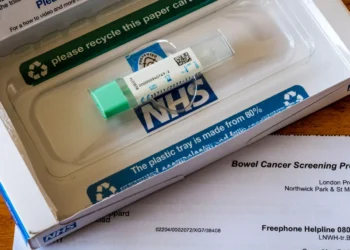 NHS boosts bowel screening accuracy with FIT reform
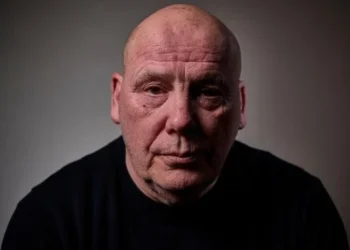 Nottingham survivor warns of repeat attacks without mental health reform
 Pneumonia Surge Pushes England Emergency Cases Higher
 UK MPs Demand Ban on Brazilian Butt Lifts
 NHS Urges Nine Million People to Get Therapy
 Half of Britons Avoid GP When Ill, Survey Reveals Growing Concern
 Drop in Overseas Workers Sparks ‘Car Crash’ for UK Hospitals
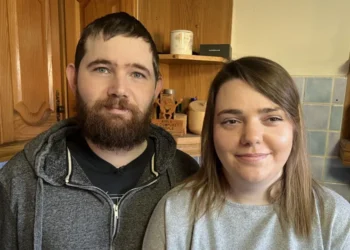 ‘I Almost Died After a Touch‑and‑Go C‑Section’
 50,000 People Waited Over 24 Hours in A&E Corridor Care
 New Infection Risk Alert at Glasgow’s Flagship Hospital
 Woman, 29, ‘Chucked’ Into Care Home 100 Miles Away
 Father Dies by Suicide Weeks After Wedding in Clitheroe
 SNP Health Secretary Criticised Over NHS Failures Locally
 ‘We can’t go back’: mother of six-year-old cancer survivor fears UK visa changes
 Palantir NHS Contract Sparks Fears Over Data Power
 UK Patients Face Long Journeys as Pharmacies Cut Hours
 Charity Watchdog Takes Control of Learning Disability Care Home
 The High Cost of Survival: How the 2026 Fiscal Outlook is Redefining British Life
 Safety Fears at New £200m Maternity Unit: Mums-to-Be ‘Put at Risk’
 Fuel Famine: How African Nations are Rationing Power and ‘Diluting’ Petrol to Survive
 ‘Zoom Dysmorphia’ Explosion: BDD Patients Quadruple in Post-Pandemic UK
 NHS Staff Shortages Stifling Recovery for Stroke Survivors
 ‘It’s Heartbreaking’: NHS Training Freeze Leaves Resident Doctors in Limbo
 Wes Streeting Accuses Doctors of Torpedoing Pay Deal
 ‘The Best Decision I Ever Made’: A Mother’s Viral Plea After a Near-Miss with Lung Disease
 The Miracle of Phoenix: ‘Half Dead’ Rescue Dog Defies the Odds in Worcestershire
 The Hidden Hurdle: Breaking the Silence on Athletic Incontinence
 Southern Skies: High Turnout and Surprise Visitors in Birdwatch 2026
 GSK cancer drug shows early promise in trials
 Toxic Trail: Dog Owners Warned Over ‘Vile’ Poisoned Meat Found in Parks
 The Waiting Ward: ‘Month of Worry’ as Doctor Strikes Trigger Seismic Surgery Delays
 Policy Stand-Off: Streeting Denies Any ‘System Update’ to Resident Doctor Pay Deal
 The “Cancer Commute”: Patient Warns of Breaking Point Over 40-Mile Treatment Trek
 New Scan Offers Hope for Faster Endometriosis Diagnosis
 “Invisible Agony”: 98-Year-Old Woman Left in “Severe Pain” for Days Amidst Care Backlog
 The “Time Tax” of Memory: Why Dementia Care is the Ultimate Test of UK Resilience
 “A Medicine Desert”: Why the Battle for Basic Prescriptions is About to Intensify
 The Pathogen Protocol”: Third British National Monitored for ‘Nasty’ Suspected Hantavirus
 NHS Drug Deal Faces Legal Threat Over US Trade Agreement
 Record Spending Highlights Growing Crisis In National Health Service
 NHS Approves Landmark Ovarian Cancer Drug
 Emergency Caesareans Rise Across England
 Family Says Heatwave Drownings Reopen Grief