Published: 10 June 2026. The English Chronicle Desk. The English Chronicle Online.
The shifting digital landscape has profoundly transformed the relationship between democratic representatives and the British electorate. Modern parliamentary candidates now face unprecedented scrutiny regarding their historic footprints across various social media platforms. A comprehensive new opinion poll conducted within the Makerfield constituency has highlighted these evolving public expectations. The vast majority of local voters now express deep reservations about questionable online conduct. This significant research indicates a growing demand for higher standards of decency in public life. The detailed findings emerge at a critical juncture for the local community in Greater Manchester.
The statistical data reveals a stark reality for individuals seeking high public office today. Fully fifty-five percent of surveyed residents stated they would reject offensive online behavior outright. These individuals are significantly less likely to support candidates with problematic internet histories. Conversely, thirty-one percent of respondents claimed such digital behavior would not influence their decision. A further fourteen percent of those interviewed remained entirely undecided on the specific matter. This clear majority sentiment places immense pressure on campaigns to vet their representatives thoroughly. The local electorate appears increasingly unwilling to tolerate divisive language from political leaders.
This polling comes as the Reform UK candidate faces intense national scrutiny. Robert Kenyon has drawn widespread criticism from prominent public figures and political commentators alike. Television broadcaster Caroline Vorderman recently demanded a formal apology for his previous controversial remarks. The candidate previously described himself as sexist and used deeply derogatory terms for homosexuals. He also made highly inflammatory statements regarding women who access vital healthcare services. Such remarks have thrust the small northern constituency directly into the national media spotlight. The controversy raises broader questions about modern political accountability across the United Kingdom.
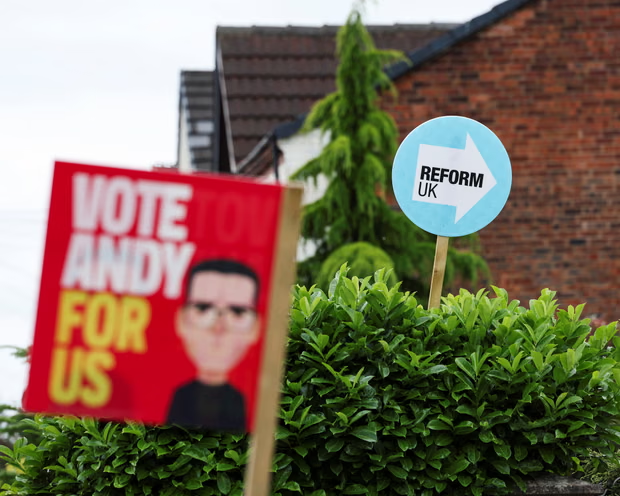
The upcoming parliamentary byelection on eighteen June has attracted significant political attention nationwide. The high-stakes contest follows the unexpected departure of the sitting Labour Member of Parliament. Josh Simons recently made the decision to step aside from his legislative duties. The high-profile Greater Manchester Mayor Andy Burnham is now fighting to retain the seat. This crucial campaign serves as a major test for the governing party’s popularity. The local results will undoubtedly influence broader political strategies within Westminster and beyond. Voters are weighing these personal controversies against major national issues during the campaign.
Beyond individual conduct, the comprehensive study explored deeper public attitudes toward economic fairness. Local infrastructure and public utilities emerged as primary concerns for the surveyed population. Nearly three-quarters of the participants expressed support for returning utility companies to public hands. Only thirteen percent of residents believed water providers should remain within the private sector. This overwhelming consensus suggests widespread dissatisfaction with current private management and rising bills. The data reflects a growing national conversation regarding the future of British infrastructure. People in Makerfield are clearly demanding structural changes to vital public services.
The appetite for substantial economic reform extends far beyond the regulation of water companies. A clear majority of fifty-four percent supported introducing a progressive new wealth tax. This proposed levy would target individuals possessing personal assets exceeding ten million pounds. The resulting revenue would directly fund the struggling National Health Service and local schools. In contrast, twenty-eight percent of those surveyed opposed implementing new taxes on wealth. The findings indicate that redistributive economic policies enjoy mainstream popularity in this region. Local families are looking for robust solutions to fund essential public infrastructure adequately.
Political accountability and the influence of wealth in democracy also concerned local residents. Just over half of the respondents supported capping donations to parties and politicians. They believe limiting financial contributions would reduce the influence of wealthy special interest groups. Meanwhile, thirty-eight percent argued that individuals should remain free to donate unlimited sums. This debate highlights ongoing tensions surrounding transparency and fairness within British political campaigning. The desire for stricter regulations cuts across traditional partisan lines within the community. Voters want to ensure their individual voices are not drowned out by cash.
The chief executive of Survation Damian Lyons Lowe offered insight into these results. He noted that Makerfield voters hold exceptionally strong views on fairness and accountability. These distinct perspectives visibly unite people who might otherwise disagree on partisan politics. Popular support for renationalisation and wealth taxes represents mainstream concern rather than fringe ideology. The data challenges traditional assumptions about regional voting behavior and economic policy priorities. Politicians from all major parties must navigate these clear public mandates carefully now. The local electorate is demanding tangible change that directly impacts their communities.
The extensive survey also evaluated public reactions to recent landmark employment legislation. Parliament recently passed the comprehensive Employment Rights Act to protect working people nationwide. The most popular statutory provision involves aligning the minimum wage with living costs. An overwhelming seventy-two percent of voters expressed a strong desire to keep this rule. Only twelve percent of those questioned wanted to see the legislation dismantled entirely. The rising cost of daily living remains a central theme throughout this campaign. Families are actively looking for legal protections against severe financial hardship and inflation.
The research also demonstrated deep compassion regarding sensitive workplace welfare policies across Makerfield. Two-thirds of respondents supported retaining paid bereavement leave following early pregnancy loss. This statutory protection applies to families experiencing tragic losses before twenty-four weeks of gestation. Merely eleven percent of voters wished to end this supportive workplace entitlement today. Another twenty-two percent of the surveyed population stated they did not know either way. This strong consensus underlines a shared belief in compassionate employment practices during crises. The community values formal support systems for workers facing difficult personal circumstances.
Additional employment protections also secured majority backing from the diverse local polling sample. Fifty-seven percent of residents favored guaranteeing statutory sick pay from day one of illness. Currently, twenty-six percent of those surveyed would prefer to abolish this immediate support. However, public opinion became notably more polarized regarding the contentious issue of restructuring. The practice of firing workers to rehire them on worse terms divided options. Forty-seven percent supported maintaining the current legislative ban on this corporate practice. Meanwhile, forty-two percent of respondents indicated they would prefer to remove the restriction.
The campaigns director at thirty-eight degrees Veronica Hawking summarized the broader implications. She described Makerfield as an accurate microcosm of current national sentiment across Britain. Citizens are actively crying out for meaningful change and backing bold political maneuvers. They want to make the country fairer while rebuilding shattered public services today. Addressing the relentless cost of living remains the absolute priority for ordinary people. Political figures nationwide should observe these significant findings and prepare to fight for change. The upcoming vote represents an essential indicator of the national political mood.
Related News:
 Green Party Surges Past Labour in Latest UK Poll
 Trump’s UK Ambassador Urges North Sea Drilling to Strengthen US Ties
 French Taxi Driver Cleared in David Lammy Theft Case After Fare Dispute
 Millionaires group urge Reeves to introduce wealth tax to ‘lift kids out of poverty’
 Starmer Faces Growing Dissent as Labour MPs Weigh Leadership Challenge
 Reeves rejects £1bn plea for NHS redundancy payouts
 PM Condemns Leaks, Vows Loyalty to Ministers and Stability
 Major Rent Reform Ends No-Fault Evictions in England
 Peers Flood Assisted Dying Bill with 942 Amendments
 Most Tories Expect to Support a Farage-Led Government
 Labour MP claims devolution bill is ‘blatant discrimination’ against Cornwall
 Millions Face Higher Taxes Under Reeves New Budget
 Starmer Says Labour’s Economic Plan Needs Years to Deliver
 Culture secretary to review Telegraph takeover by Daily Mail owner
 UK Government Borrowing Drops to £11.6bn in December
 Labour Blocks Burnham as Party Rift Deepens Ahead of Polls
 Andy Burnham and the Labour Rift Over Power and Leadership
 Huge mistake: Labour blocks Burnham from byelection bid
 Artificial intelligence will cost jobs, admits Liz Kendall
 Labour targets Greens on drugs in Gorton Denton byelection
 Greens nominate Hannah Spencer for Gorton and Denton byelection
 Mandelson Faces Police Inquiry Over Epstein Leak
 Starmer Condemns ‘Depraved’ Russian Strikes on Ukraine
 Labour Thinktank Row Deepens Over Journalist Probe Claims
 Morgan McSweeney downfall shocks Labour leadership
 Cabinet Secretary Shake-Up Triggers Due Diligence Warning
 Starmer Faces Inquiry Calls Over Thinktank Probe
 Royal Mail Delivery Crisis Deepens Amid Weather Chaos
 UK shelves £110m border project amid trade strain
 Farage Unveils Reform UK Frontbench Team
 California Democrats Vow Trump Reckoning
 Trump Tariffs Threat Spark UK and EU Alarm
 Wales Approves Assisted Dying Bill Consent
 UK EU Trade Reset Gains Public Backing
 Green Party Stuns Labour in Gorton and Denton Byelection
 Corbyn Leads Your Party in Coordinated Left-Flank Strategy
 Labour Together scandal sparks clean break vow
 Asylum Seekers to Work After Year-Long Wait
 Starmer Row as Greens Demand Apology
 Proposed Law Leaves Gap for Children of Convicted Paedophiles
 Gordon Brown urges court for crimes against children
 Starmer Praised for Stance on Trump and Iran Conflict
 Inquiry into HMRC child benefit errors launched by NAO
 NHS Plans to Cut Overseas Workers Labeled Overambitious
 Farage Faces Backlash Over Crypto Cameo Endorsements
 Army Probes Apache Flyover at Kid Rock’s Nashville Estate
 Relationship with Trump may be beyond repair, Starmer warned
 Unions Raise Concerns Over Doctors’ Pay Dispute
 UK Government Poised to Revive Stalled Hillsborough Law
 UK Stands Firm on Falklands Amid US Rift
 Welsh Labour Faces Potential Historic Election Defeat
 Starmer Survives Mandelson Rebellion
 Silent Tracks: Rail Line Without Passengers
 Major test for Labour as polls open in Great Britain
 Labour Members Doubt Starmer Future as Burnham Leads Poll
 Reform UK Faces Crisis as Newly Elected Councillors Resign
 Farage Faces New Questions Over Private Helicopter Use
 Keir Starmer Struggles to Secure His Grip on Downing Street
 Farage Faces Standards Probe Over Cash Property Purchase
 Green Party Makerfield Candidate Resigns Over Posts
 Secret Role of UK Security Services in Troubles Amnesty Law
 Farage and Reform UK Reshape British Politics
 Starmer Leadership Under Pressure After Setbacks
 Minister Criticises Police Guidance Amid Southampton Protests
 Makerfield Voters Demand Real Change as Election Looms
 The Hidden Crisis Eroding Trust in British Communities
 Deepfake Abuse on X Sparks Safety Concerns for Dissidents
 Modernising the Military: Carns Demands Urgent Procurement Reform
 UK Ministers Lobby Trump Over Under-16s Social Media Ban
 Starmer Resolves to Fight Burnham in Leadership Battle
 Starmer Resigns as Prime Minister Amid Internal Pressure
 MP Warning: Northern Rail Risks Repeating HS2 Failures
 Hollie Ridley to Step Down as Labour General Secretary
 New South Wales Premier Chris Minns Signals Tough Road Ahead for Labor
 Jarvis Urges Burnham to Secure 3.5% Defence Spending
 Farage Warns Sky News Following Financial Inquiry
 Reform UK Finances Face Deep NCA Probe
 Ann Widdecombe, Formidable Political Figure, Dies at 78
 Treasury Reform Urged After Tragic Loss
 Sadiq Khan Backs Call for Maximum UK Work Heat Limit