Published: 22 June 2026
The English Chronicle Desk
The English Chronicle Online
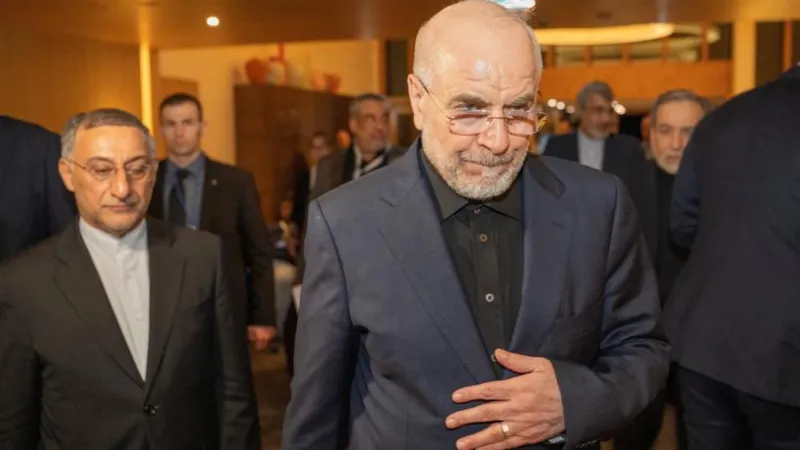
The first round of renewed talks between the United States and Iran has concluded with what mediators described as “encouraging progress,” raising hopes that months of heightened tensions could eventually give way to a broader diplomatic breakthrough.
Officials involved in facilitating the discussions said both sides engaged constructively during the initial negotiations, which focused on reducing tensions and exploring potential areas of cooperation despite significant differences remaining on several key issues.

The talks mark one of the most important diplomatic engagements between Washington and Tehran in recent years, as concerns continue over regional security, nuclear activities, economic sanctions and wider stability across the Middle East.
Mediators involved in the process said the atmosphere during the discussions was professional and largely positive.
While no major agreements were announced at the conclusion of the first round, participants indicated that both delegations expressed a willingness to continue negotiations and examine possible paths forward.
“The discussions were serious and productive,” one mediator reportedly said. “There is still a considerable amount of work ahead, but the initial signs are encouraging.”
The negotiations come at a time of heightened geopolitical uncertainty.
Relations between the United States and Iran have been strained for years, with disputes centred on sanctions, nuclear development, regional influence and military activity.
Previous diplomatic efforts have experienced periods of progress as well as setbacks, making the outcome of the latest talks particularly significant for international observers.
Analysts say both governments face strong domestic and international pressures as they attempt to balance strategic interests with the potential benefits of diplomacy.
For the United States, reducing tensions could help stabilise an increasingly volatile region while addressing concerns surrounding nuclear proliferation.
For Iran, negotiations could offer opportunities to ease economic pressures and improve international engagement.
Officials familiar with the discussions indicated that the opening round focused on establishing negotiating frameworks rather than resolving specific disputes.
Delegates reportedly exchanged views on confidence-building measures and potential mechanisms for future dialogue.
Diplomatic sources suggested that both sides acknowledged the complexity of the issues involved and recognised that meaningful progress would require sustained engagement over an extended period.
International reactions to the talks have been largely positive.
Several governments welcomed reports of constructive dialogue and encouraged all parties to continue pursuing diplomatic solutions.
European leaders have repeatedly argued that negotiations remain the most effective means of addressing disagreements and preventing further instability.
The United Nations also welcomed signs of engagement, with officials stressing the importance of peaceful dialogue in resolving international disputes.
Diplomats have long warned that a failure to maintain communication between rival powers can increase the risk of misunderstanding and escalation.
Financial markets and energy analysts are closely monitoring developments.
Any improvement in relations between the United States and Iran could have implications for global energy markets, regional trade and broader economic conditions.
However, experts caution against expecting immediate breakthroughs.
They note that previous rounds of negotiations have often involved lengthy discussions before producing tangible results.
Political analysts say the decision to continue talks may itself represent a positive outcome.
Given the history of mistrust between the two countries, maintaining dialogue is viewed by many observers as an important step toward reducing tensions.
“The fact that both sides are still talking should not be underestimated,” said one international affairs expert. “Diplomatic progress often happens gradually rather than through dramatic announcements.”
Despite the optimistic tone from mediators, significant challenges remain.
Long-standing disagreements over sanctions, security arrangements and nuclear-related concerns continue to divide the two governments.
Both sides will likely face scrutiny from domestic audiences questioning whether concessions are justified.
In Washington, policymakers remain focused on ensuring that any future agreement protects national security interests and addresses concerns from regional allies.
Meanwhile, Iranian leaders are expected to seek assurances regarding economic measures and sovereign rights.
Regional governments are also watching developments closely.
Several Middle Eastern countries have expressed support for efforts to reduce tensions, while others remain cautious about the potential implications of any future agreement.
Security experts note that stability in the region often depends on the ability of major powers to manage disputes through diplomacy rather than confrontation.
The next round of negotiations is expected to take place in the coming weeks, although officials have not yet confirmed a specific timetable.
Preparatory work will continue in the meantime as diplomats seek to build on the momentum generated during the opening discussions.

For now, mediators remain cautiously optimistic.
While they emphasise that substantial obstacles remain, the conclusion of the first round with reports of encouraging progress has provided a measure of hope that diplomacy may yet deliver results.
As negotiations continue, attention will focus on whether the positive tone established during the opening talks can be translated into concrete agreements capable of reshaping one of the world’s most complex diplomatic relationships.
Related News:
 Israel and Hezbollah Exchange Fire as Conflict Worsens
 Iran’s Regime Still Intact — Coming Days Will Test Its Survival
 Allies of US in the Gulf Bear Brunt of Iran Attacks
 Hopes and Fears as US Iranians Take to Streets After Toppling of Supreme Leader
 Retaliations Continue on Day Two of US-Israel Attacks on Iran
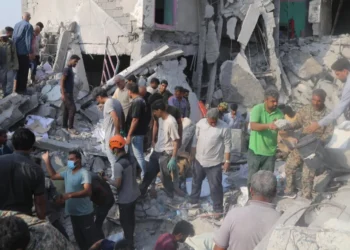 At Least 153 Dead After Reported Strike on School, Iran Says
 At Least 153 Dead After Reported Strike on School, Iran Says
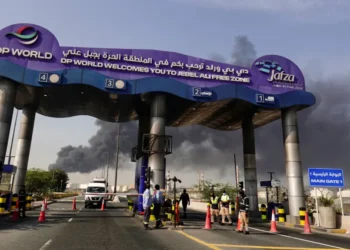 ‘It’s Eerie’ – Dubai on Edge as City Comes Under Attack
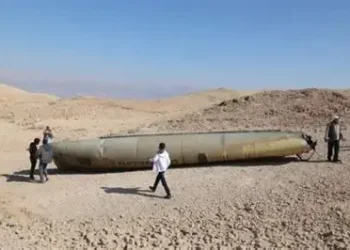 BBC Reports from Beit Shemesh After Deadly Iranian Missile Strike
 Iran, the US, and a World Cup That Starts in Three Months
 Allies of US in the Gulf Bear Brunt of Iran Attacks
 Israeli Attacks Kill 31 in Lebanon, Iran Strikes Across Region, US Warplanes Crash in Kuwait
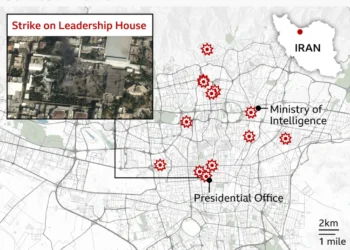 In Maps: Strikes Across Iran and the Middle East
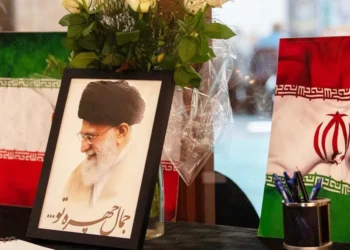 Months of Planning Behind US‑Israeli Mission to Target Iran’s Supreme Leader
 Cooper: Joining US Strikes on Iran ‘Not in Britain’s Interest’
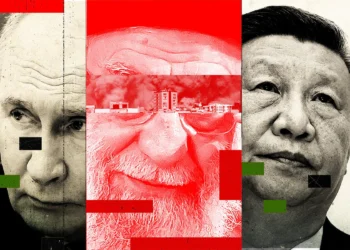 What Khamenei’s Death Means for Russia and China
 Tehran Makes New Threat to Gulf Shipping as US Says ‘Hardest Hits’ on Iran ‘Yet to Come’
 Trump’s Iran Endgame Unclear After Mixed Messaging on War Aims
 Did Trump Declare War and Did Congress Approve Iran Attacks? What to Know
 Rubio Responds to Reported Strike on Iranian School
 Scots Caught Up in Middle East Crisis ‘Just Waiting for the Next Explosion’
 The Third Day of the US‑Israeli War With Iran
 Why the US and Israel attacked Iran
 Israel Launches Fresh Strikes on Tehran & Beirut; US Warns “Hardest Hits” Ahead
 Three Days In, This War’s End Is Still Unclear
 US Has ‘Enough Weapons for Forever War,’ Trump Says
 Israel Strikes Lebanon After Hezbollah Rocket Fire as Iran Conflict Widens
 Latest on Middle East Conflict — In Maps: Strikes Across Iran and the Region
 ‘I saw missiles being intercepted’: Influencers recount shock as Iran hits Dubai landmarks
 Amazon Says Drones Damaged Three Facilities in UAE and Bahrain
 Man Recalls ‘Terrifying’ Dubai Missile Ordeal During Iran Strikes
 Israel’s New Airstrikes on Tehran & Beirut After US Embassy in Riyadh Is Hit
 Israel Launches Ground Invasion of Lebanon Amid Widening Middle East War
 Iranian Rockets Are Testing the Resolve of Dubai’s Instagram Stars
 Airline Pilots Feared Iranian Missile Had Been Fired at Them
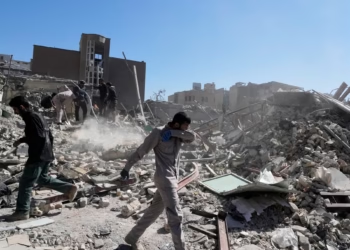 US Embassy in Riyadh Hit by Iranian Drones as Israeli Troops Enter Southern Lebanon
 US Strikes on Iran Triggered by Israel’s Plan to Launch Attack, Rubio Says
 First Wave of Europeans Stranded by Iran Conflict Return Home, With Hundreds of Thousands Still Left in Region
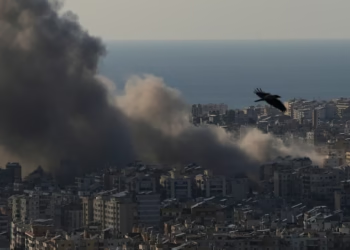 Sixth American Service Member Killed in Iran Operation as Conflict Intensifies
 Trump Rebukes Starmer Over UK Refusal to Back Strikes on Iran
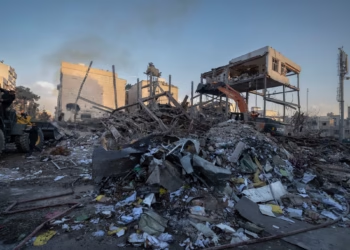 Civilian Deaths in Iran Pass 700 Amid Fear of Bombs and Regime Clampdown
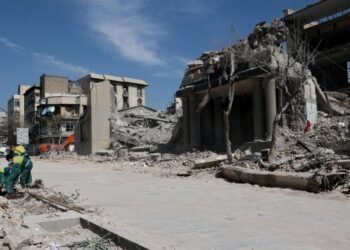 US Senate Backs Trump War Powers Amid Iran Missile Barrage
 UK Prepares Aircraft Carrier for Middle East Crisis
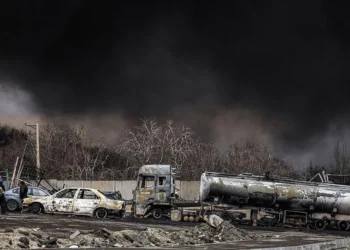 Nine Days of Strikes Reshape the Middle East
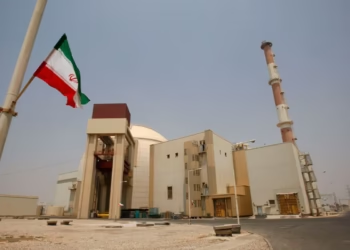 Putin Orders Evacuation at Iran Nuclear Plant Amid ‘Catastrophe’ Fears
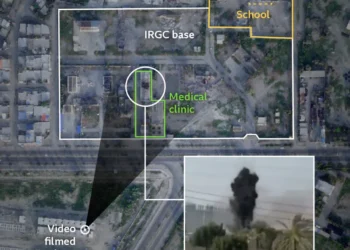 Video Analysis Suggests US Missile Hit Base Near Iran School
 ‘Even Under Missiles We Carry On Living’: Iran’s Youth in War
 Busy International Airport Targeted by Iran in Latest Strikes
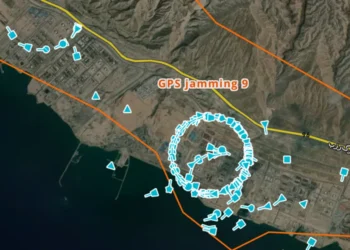 GPS Jamming: The Invisible Battle in the Middle East
 Death, displacement and military duties: children plunged into crisis
 Iran Says Intelligence Chief Killed in US-Israeli Strike as Trump Threatens ‘Hell’ Without Deal
 Iran Confirms Receipt of Ceasefire Plan but Says US Is ‘Not Ready for Peace’
 Ten Dead as Israeli Strikes and Internal Clashes Rock Gaza
 Aid Crisis Grows as Hormuz War Disrupts Supply
 “The Silence of the Victor”: Why Iranians Fear a More Ruthless, Entrenched Regime Post-War
 “Asymmetric Operations”: Iran Warns US “We Are Just Getting Started” as Project Freedom Escalates
 Middle East Crisis Escalates as Oil Routes Shake Markets
 “A Ten-Minute Eternity”: The Morning Lebanon’s Horizon Turned to Ash
 “The Trading Bonanza”: Shell Profits Soar to $6.9 Billion Amid Iran War ‘Volatility’
 “The Mirage of Stability”: Gulf Economies Face Long-Term ‘Resilience Deficit’ from Iran Conflict
 “The Peace Dividend”: Oil Prices Plunge and Global Stocks Surge on Reports of Iran Ceasefire Deal
 “Double Trauma”: Iranian Activist Tells BBC How Fear of War Intensifies the ‘National Security’ Weight of Repression
 “Hold Off”: Trump Pauses ‘Scheduled’ Strike After 11th-Hour Appeal From Gulf Allies
 “The Fragile Truce Shatters”: Israeli Airstrikes Kill 19 in Southern Lebanon as Clashes Escalate
 Hunger increasingly weaponised in global conflicts
 “A Fragile Ceasefire Shattered”: The Escalating Humanitarian and Security Crisis in Southern Lebanon
 Iran and Israel Pause Strikes but Warn Retaliation Will Follow Any New Breach
 Israeli Air Strikes Hit Tyre as Regional Tensions Escalate After Iranian Warning
 ‘I Would Scream in My Sleep’: Alawite Women from Syria Tell of Kidnap and Rape
 Ukraine Negotiator Reveals What It Feels Like Facing Russia
 Orbán Accuses Ukraine of Disrupting Oil Supplies to Hungary
 Iran-Iraq border airstrikes spark new tensions
 ‘Every Day Feels Like a Month’: Iranians Describe Life Under ‘Constant’ US‑Israeli Strikes
 Thousands Protest Iran Strikes Outside US Embassy London
 Trump’s Confidence Undimmed — But Every Iran Option Carries Risk
 Israel Says Iran Security Chief Larijani ‘Killed’
 Ukraine Urges UK to Seize Russian Oil Tankers
 “The Desecrated Grave”: West Bank Settlers Force Palestinian Family to Exhume Father’s Body
 Israel Strikes Iran After Missile Attack
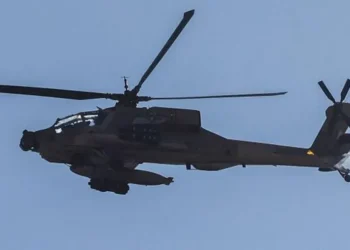 US Launches Strikes on Iran After Military Helicopter Downed Near Strait of Hormuz