Published: 22 June 2026. The English Chronicle Desk. The English Chronicle Online.
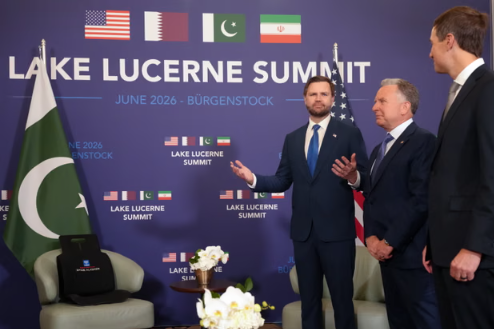
President Donald Trump currently faces intense criticism from across the American political spectrum. This follows his announcement of a new provisional agreement regarding the Iranian nuclear program. While the administration seeks a diplomatic breakthrough, domestic opponents view the deal as dangerous. Vice-President JD Vance continues to publicly hail the ongoing peace talks in Switzerland. These high-level negotiations are taking place in the scenic city of Lake Lucerne. However, the diplomatic process suffered a significant setback during the very first round.
President Trump took to social media to issue a sharp warning to Tehran. He demanded that Iran immediately restrain its various militant proxies operating within Lebanon today. The president threatened severe military consequences if these groups continue their current activities. He stated that the United States would strike Iran again with increased intensity. This inflammatory rhetoric arrived just as formal negotiations commenced between the two nations. Consequently, the Iranian delegation reportedly walked out of the scheduled diplomatic meeting.
State news agency IRNA confirmed that their representatives left the central negotiation building. They cited the president’s aggressive online messages as the primary reason for their departure. This incident highlights the volatile nature of the current United States-Iran relationship today. Despite this friction, Vice-President Vance remains optimistic about the potential for future progress. He claimed that negotiators achieved meaningful results during their limited time in Switzerland. Nevertheless, critics in Washington argue that the deal remains fundamentally flawed throughout.
Senator John Cornyn of Texas has become a vocal opponent of this new strategy. He recently lost his primary election but maintains significant influence within the Republican Party. Cornyn shared analysis suggesting that economic pressure often fails to deter rogue regimes. He warned that releasing restricted funds will only empower Iran’s military industrial complex. According to the senator, Tehran will likely use these assets to modernize missiles. This development, he fears, creates a long-term security threat to the United States.
Democratic leaders have echoed these concerns with equal fervor during various Sunday news programs. Susan Rice, a former national security adviser, labeled the agreement a total surrender. She described the memorandum of understanding as both flimsy and inherently egregious in nature. Rice argued that the administration granted far too many concessions before achieving results. She specifically noted that Iran regained access to oil markets without verified restrictions. This allows the country to rebuild its economy before addressing core nuclear issues.
The contrast between this current deal and previous diplomatic efforts is starkly evident. Rice reminded observers that the Obama-era agreement required full compliance before lifting sanctions. Furthermore, that framework restricted the use of funds exclusively for vital humanitarian aid. In contrast, the current memorandum offers Iran almost complete financial freedom and autonomy. This lack of oversight has provoked anger among seasoned foreign policy experts globally. Many feel that the United States has recklessly abandoned its previous tactical leverage.
The conservative media landscape has also turned against the president’s latest foreign venture. The New York Post published an editorial criticizing the handling of the Hormuz Strait. They argued that the current terms are significantly worse than those negotiated previously. Senator Cory Booker, a Democrat from New Jersey, offered a scathing assessment recently. He likened the president’s actions to an arsonist seeking credit for fleeing flames. Booker suggested that the nation has effectively surrendered its global power position today.
He insisted that Iran is currently mocking American leadership while securing massive financial gains. Meanwhile, the administration maintains that its military posture has changed the regional reality. Energy Secretary Chris Wright defended the strategy during a television interview on Sunday. He claimed that recent naval actions forced Iran into a much weaker position. By destroying specific military capabilities, the United States removed Iran’s traditional negotiation leverage. Wright believes this new environment forces Tehran to reconsider its primary strategic goals.
The secretary also addressed concerns regarding domestic energy prices for American citizens today. He noted that oil flows through the Hormuz Strait have returned to normal. While he declined to offer specific price forecasts, he expects costs to fall. He emphasized that energy security remains stable regardless of the current diplomatic talks. This assertion seeks to reassure voters worried about the economic impacts of conflict. However, skeptical lawmakers remain unconvinced by these optimistic projections from the administration.
Senator Ted Cruz of Texas previously warned that the president received poor advice. He argued that providing billions to theocratic regimes remains an exceptionally bad idea. Such critics believe that the funds will inevitably finance state-sponsored terrorism abroad. The administration continues to insist that peace is the only viable path forward. They argue that direct engagement is necessary to stabilize the Middle East region. Yet, the path toward a comprehensive agreement remains fraught with immense difficulty.
As the talks in Lucerne continue, global observers watch the situation with anxiety. The delicate balance between military deterrence and diplomatic outreach remains highly unstable today. Both nations must now navigate the fallout from these recent public threats. Iran must decide if the financial benefits outweigh the cost of political humiliation. Meanwhile, the White House must manage a growing rebellion within its ranks. The outcome of these negotiations will define the administration’s foreign policy legacy.
Future rounds of discussions are expected to occur despite the recent walkout incident. Qatar continues to act as a crucial mediator between the two opposing sides. Whether these parties can find common ground remains a subject of intense debate. For now, the United States remains locked in a complex game of brinkmanship. The world waits to see if this provisional deal survives the pressure. Peace in the region depends entirely on the success of these fragile talks.
Related News:
 Two National Guard Soldiers Critically Injured Near White House
 US National Guard Member Killed in DC Shooting
 American Mother Extradited From UK to U.S. on Murder Charges
 US Cities Erupt in Protests Against Trump’s Venezuela Military Action
 Federal Immigration Shift: Officers Leave Louisiana for Minneapolis
 Trump Says US Must ‘Own’ Greenland to Block Russia, China
 Government Unveils Northern Powerhouse Rail Plans
 Trump press secretary attacks reporter over ICE question
 Kyrsten Sinema Faces High-Profile Lawsuit Over Marriage Interference
 ICE detainee death may be investigated as homicide in Texas camp
 ‘He Believed Help Was Coming’: Why Iran’s Protesters Feel Betrayed
 Trump Fed bid heads to Supreme Court
 Trump officials continue false claims after Alex Pretti shooting
 Partial US Government Shutdown Hits Homeland Security Funding
 Thousands Protest ICE Operations in Nationwide US Day of Action
 Epstein Files Reveal Trump Officials’ Emails with Financier
 Thousands Protest ICE in New York Against Trump Deportation Campaign
 Sinema payment row deepens after $9,000 transfer claim
 US-Cuba Negotiations Shift as Oil Blockade Looms
 Portland Mayor Demands ICE Leave After Protest Violence
 Nurses’ families fear breakup under UK immigration crackdown
 California Democrats Vow Trump Reckoning
 Missing North Carolina Woman Found Alive After 24 Years
 Trump’s Surgeon General Pick Evades Vaccine Questions
 Buffalo Refugee Tragedy: Border Patrol Neglect Leads to Death
 Minnesota Medicaid Funding Blocked Amid New ‘Fraud’ Crackdown
 Clinton Testimony Erupts in Fiery Exchange
 New Poll Reveals Reform UK Stance on British Citizenship
 Adelaide University Faces Backlash Over Event Cancellation
 Trump Rebukes Starmer Over Iran Strike Support
 Ukraine war briefing: Zelenskyy offers help to Saudi Crown prince on combatting Iranian drones
 Utah Woman Found Guilty of Poisoning Husband for Inheritance
 Can King Charles Calm Trump on Key US Visit?
 US Airman Rescued in Daring Mission After F-15 Shot Down in Iran
 Congresswoman Condemns Trump Over Iran Conflict
 Melania Trump Epstein remarks spark survivor backlash
 Trump Signals Hope for New Iran Talks as Ceasefire Fades
 Trump’s Presidency: A House of Cards Collapsing?
 Brennan Investigation Faces Major Prosecutor Shift
 US Catholics Caught Between President and the Pope
 US Catholics Caught Between President and the Pope
 Louisiana Tragedy: Eight Children Die in Mass Shooting
 GOP Senator Criticizes Trump’s Feud With Pope Leo XIV
 Trump Starts $166bn Tariff Refund Process
 UK Stands Firm on Falklands Amid US Rift
 Trump at Press Dinner Sparks Tension
 Investigation Into Anti-Trump Motives After Gala Shooting
 Trump Defiant After Washington Hotel Shooting
 Identity Revealed: Suspected Washington Gunman Named
 Trump orders US troop pullout from Germany
 Judge halts deportation of Yemeni refugees in US
 White House Security Case Sparks Political Firestorm
 Trump approval plunges amid Iran war fears
 Ohio’s Battle for Trust: Democrats Vying to Flip the Buckeye State
 US ‘Narco Boat’ Strikes Draw Global Outcry
 Afghan Families Left in Limbo Face Risk of Deportation
 Florida Surgeon ‘Devastated’ Over Fatal Surgery Error
 Tensions Emerge in Netanyahu-Trump Alliance
 US Awaits Iran Reply on New Ceasefire Proposal
 Immigration Judges Fear Pressure in Trump Era
 Fear and Betrayal: The Chilling Case of Kouri Richins
 Kevin Warsh sworn in as Fed chair amid economic backlash
 US green card applicants must apply from abroad, DHS says
 Tulsi Gabbard exits after turbulent intelligence tenure
 DeSantis’s ‘Alligator Alcatraz’ Faces Final Shutdown
 Trump’s Grip on the GOP Tested in Texas Senate Battle
 House Curbs Trump’s War Powers in Rare Rebellion
 Trump Urged to Condemn UFC Fighter Over Obama Slurs
 US Military Pacific Boat Strike Kills Three People
 US Loan Caps Threaten Future of Physician Assistants
 US Courts Back Trump on Park Signage Removals
 Trump’s Mount Rushmore Speech: A Divisive Anniversary
 Trump Intervenes in Fifa World Cup Balogun Ban
 NCAA Rules Unchanged After Supreme Court Transgender Ruling
 Conservative Groups Challenge ABC Broadcast Licenses
 US Airman Avoids British Court in Indecent Exposure Case
 Court Rejects Florida Campus Speech Restrictions
 Trump Refuses to Sign Housing Bill, But Law Takes Effect
 Florida Executes One of Its Oldest Death Row Prisoners
 Houthis Strike Saudi Arabia as Middle East Tensions Rise