Published: 01 July 2026. The English Chronicle Desk. The English Chronicle Online.
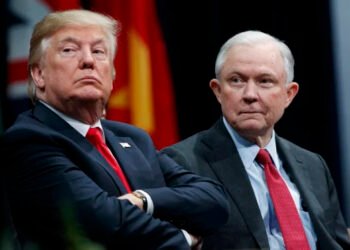
The United States Supreme Court has delivered a monumental definitive ruling on the nature of American identity by striking down an executive attempt to dismantle birthright citizenship. In a highly anticipated decision that carries profound global implications, the nation’s highest judicial body rejected the policy agenda of the current administration. The landmark judgment focused on a controversial executive order issued by Donald Trump at the very commencement of his second presidential term. This sweeping directive had sought to systematically deny automatic citizenship to children born on American soil to undocumented immigrants and temporary foreign visitors. By a clear majority, the justices determined that such an executive action fundamentally violated the foundational principles of the United States Constitution. The dramatic legal battle has captured intense attention across the United States and within international legal circles.
The decision provides a fascinating and rare window into the internal ideological dynamics of the current court. The judicial body is famously composed of six conservative justices and three liberal justices who often hold contrasting philosophies. Observers frequently expect rigid ideological block voting from a bench with such a distinct numerical conservative advantage. However, this specific ruling shattered conventional partisan expectations through an unexpected cross-ideological judicial coalition. Chief Justice John Roberts authored the definitive majority opinion and was joined by the three liberal members of the bench. The liberal bloc consists of Associate Justices Sonia Sotomayor, Elena Kagan, and Ketanji Brown Jackson. Crucially, the conservative Associate Justice Amy Coney Barrett also joined the majority to create a powerful coalition. This alliance successfully defended the traditional expansive interpretation of the constitutional text against sudden executive overreach.
At the absolute heart of the majority opinion was a robust defence of the Fourteenth Amendment. Chief Justice John Roberts wrote elegantly about the historical continuity of American civil rights across the generations. He famously declared that citizenship, both then and now, represents the fundamental right to have rights. This legal concept ensures that individuals can freely and fully participate in the shared political community. Roberts noted that the historic framers of the amendment explicitly extended that grand promise to everyone. The majority opinion emphasized that the contemporary court has a solemn duty to keep that promise. The ruling thoroughly rejected the narrow framework proposed by the White House as a modern historical revision. The administration had attempted to argue that traditional allegiance required a permanent domestic domicile within the country. Roberts found scant historical evidence to support such a dramatically restricted view of the constitutional text.
The extensive judicial writings generated by the bench ultimately totaled nearly two hundred comprehensive pages. Associate Justice Ketanji Brown Jackson delivered a particularly powerful and resonant concurring opinion in the case. Sonia Sotomayor joined portions of this concurrence, which took direct aim at the dissenting conservative arguments. Jackson issued a sharp and eloquent rebuke to the alternative historical narratives presented by opponents. She warned passionately against what she described as the deliberate distortion of well-established historical facts. The justice argued that revisionist retellings seek to reimagine past events to lend false credence to misbegotten aims. Jackson noted that the Reconstruction amendments were intentionally designed as an anti-caste reset for the nation. She argued that the post-Civil War constitution aimed for universal equality rather than mere spot treatment. Her writing forcefully rejected any effort to transform a shared human right into a restricted bloodline marker.
The legal complexity of the ruling was further illustrated by the nuanced stance of Brett Kavanaugh. The conservative justice ultimately agreed with the final judgment of the court but dissented in part. Kavanaugh argued that the controversial executive order was fundamentally unlawful under existing federal statutory frameworks. However, he diverged from the majority by asserting that the policy did not violate the constitution. He suggested that Congress possesses the constitutional authority to enact new restrictive legislation on this matter. According to his view, lawmakers could theoretically establish specific exceptions to traditional birthright citizenship rules. Such legislative changes could target children born to foreign citizens residing unlawfully or temporarily in the country. Nevertheless, Kavanaugh concluded that the executive branch could not unilaterally bypass Congress to implement changes. Because the legislature has not passed such laws, the executive order remained entirely invalid.
The minority faction of the court responded with deeply felt and vigorously argued dissenting opinions. Three prominent conservative justices chose to file separate dissents to express their strong philosophical opposition. This dissenting group included Associate Justices Clarence Thomas, Samuel Alito, and Neil Gorsuch. Justice Thomas wrote with considerable emotion about his specific interpretation of the post-Civil War era. He argued that the Citizenship Clause was originally designed exclusively to protect emancipated Black Americans. Thomas stated that freed slaves were fully entitled to citizenship because they possessed no other homeland. He asserted that their ancestors had fought and bled in the same historic national battles. In contrast, he argued that temporary foreign visitors do not share these deep generational bonds. Therefore, Thomas claimed that extending automatic citizenship to their children effectively devalues the entire concept.
Justice Thomas expressed profound skepticism regarding whether the majority opinion would successfully stand the test of time. He claimed that the court had repurposed the Fourteenth Amendment to protect newly preferred rights. In his view, the Reconstruction Congress never contemplated these modern extensions of constitutional protections. He lamented that the ruling grants a constitutional right to the children of birth tourists. Thomas concluded that the expansive decision unfortunately degrades the true dignity of American national citizenship. Justice Samuel Alito echoed these strong sentiments in his own highly critical dissenting text. Alito labeled the ruling as one of the most important yet mistaken decisions ever made. He argued that the court had erroneously conferred citizenship on virtually everyone born in the country. Alito maintained that careful textual analysis shows that citizenship should only belong to those owing sole allegiance.
This monumental legal battle highlights how supreme court decisions continue to dramatically reshape contemporary American life. The definitive failure of the administration’s policy marks a major turning point in modern constitutional law. Legal scholars in the United Kingdom and Europe are analyzing the global ramifications of the judgment. The decision firmly reinforces the status of the United States as a nation defined by soil. It prevents a radical shift toward conservative legal philosophies that prioritize ancestral bloodlines over geography. Proponents of immigration reform have celebrated the ruling as a magnificent victory for human rights. Meanwhile, conservative commentators argue that the court has overstepped its bounds by blocking executive authority. The heated debate over national identity, historical interpretation, and judicial philosophy will undoubtedly persist. However, the constitutional promise of birthright citizenship remains securely protected for the foreseeable future.
Related News:
 Thousands Protest ICE in New York Against Trump Deportation Campaign
 Judge halts deportation of Yemeni refugees in US
 Afghan Families Left in Limbo Face Risk of Deportation
 Immigration Judges Fear Pressure in Trump Era
 US judge dismisses Kilmar Abrego Garcia indictment
 US green card applicants must apply from abroad, DHS says
 Former ICC prosecutor condemns US sanctions
 US National Guard Member Killed in DC Shooting
 Trump Escalates Minnesota Immigration Surge Amid Rising Tensions
 Iran Leader Blames Protesters, Says They Serve Trump
 Democrats Push Affordability to Challenge Trump Ahead of Votes
 Greenland Faces Pivotal Summit Over Arctic Power Struggle
 Government Unveils Northern Powerhouse Rail Plans
 Trump press secretary attacks reporter over ICE question
 Kyrsten Sinema Faces High-Profile Lawsuit Over Marriage Interference
 ‘He Believed Help Was Coming’: Why Iran’s Protesters Feel Betrayed
 Trump Fed bid heads to Supreme Court
 Trump officials continue false claims after Alex Pretti shooting
 Fulton election raid hits Georgia election office
 Partial US Government Shutdown Hits Homeland Security Funding
 Thousands Protest ICE Operations in Nationwide US Day of Action
 Epstein Files Reveal Trump Officials’ Emails with Financier
 Sinema payment row deepens after $9,000 transfer claim
 Nurses’ families fear breakup under UK immigration crackdown
 California Democrats Vow Trump Reckoning
 Trump’s Surgeon General Pick Evades Vaccine Questions
 UK Activism Faces New Threats From Growing Repression
 Clinton Testimony Erupts in Fiery Exchange
 Adelaide University Faces Backlash Over Event Cancellation
 Thousands Protest Iran Strikes Outside US Embassy London
 US Bombers Arrive at RAF Base Amid Rising Iran Tensions
 Can Congress Stop US Sports Teams From Moving Cities?
 A Global Voice For Justice: Stephen Lewis Dies At Age 88
 Can King Charles Calm Trump on Key US Visit?
 Melania Trump Epstein remarks spark survivor backlash
 Trump Signals Hope for New Iran Talks as Ceasefire Fades
 US Catholics Caught Between President and the Pope
 Iron Worker Challenges Trump Loyalist in Ohio
 Trump Faces Crisis as Iran Reopens Hormuz Tensions
 GOP Senator Criticizes Trump’s Feud With Pope Leo XIV
 Charles Faces Trump Test in High-Stakes US Visit
 UK Stands Firm on Falklands Amid US Rift
 Trump at Press Dinner Sparks Tension
 Investigation Into Anti-Trump Motives After Gala Shooting
 Trump Defiant After Washington Hotel Shooting
 Identity Revealed: Suspected Washington Gunman Named
 US Court Weighs Fate of TPS for Migrants
 Florida Redistricting Map Sparks Major US Political Battle
 US states redraw maps after voting rights ruling
 Trump orders US troop pullout from Germany
 Activists allege abuse after Gaza flotilla seizure
 White House Security Case Sparks Political Firestorm
 Trump approval plunges amid Iran war fears
 Ohio’s Battle for Trust: Democrats Vying to Flip the Buckeye State
 Trump Threatens UN Budget Cuts as US Pushes ‘Trade Over Aid’ Agenda
 Trump warns Iran as Middle East tensions surge again
 US ‘Narco Boat’ Strikes Draw Global Outcry
 Ohio Primaries Set Stage for Crucial Midterms
 Trump Announces 3-Day Russia–Ukraine Ceasefire Deal
 Tensions Emerge in Netanyahu-Trump Alliance
 US Awaits Iran Reply on New Ceasefire Proposal
 Kevin Warsh sworn in as Fed chair amid economic backlash
 Tulsi Gabbard exits after turbulent intelligence tenure
 Hormuz Talks Near Critical Stage
 Gunman Killed After White House Security Shootout
 DeSantis’s ‘Alligator Alcatraz’ Faces Final Shutdown
 Prosecutor Proposes Law to Combat Election Deceit
 House Curbs Trump’s War Powers in Rare Rebellion
 US Courts Back Trump on Park Signage Removals
 Trump’s Mount Rushmore Speech: A Divisive Anniversary
 Court Rejects Florida Campus Speech Restrictions
 Graham Platner’s Exit Leaves Democrats in Chaos
 Ukraine Creates Long-Range Strike Command
 Dreyfus Statue Finally Gets Permanent Paris Home
 Trump Refuses to Sign Housing Bill, But Law Takes Effect
 Florida Executes One of Its Oldest Death Row Prisoners
 Houthis Strike Saudi Arabia as Middle East Tensions Rise
 Trump Orders Signs Criticising Smithsonian Museum
 Israeli Strike in Southern Lebanon Kills Seven
 Is America Ready for an AOC Presidential Run?