Published: 03 July 2026. The English Chronicle Desk. The English Chronicle Online.
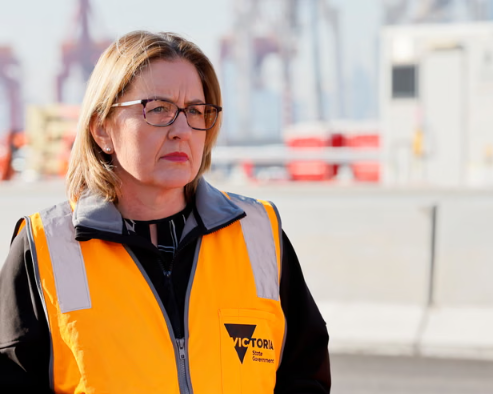
The Victorian Premier Jacinta Allan has acknowledged that serious criminal elements successfully infiltrated several of the state’s massive infrastructure projects. This shocking admission concerning the massive Big Build initiative marks a significant turning point in a long-standing controversy. The Premier used a widely read opinion piece to address these distressing revelations regarding organised crime on worksites. Despite this candid acknowledgment of past failures, the Premier firmly resisted mounting public pressure for a full royal commission. Many prominent legal figures and political critics have argued that only such a broad inquiry could uncover the truth.
The Premier expressed deep regret that such unacceptable behaviour occurred on projects funded by the hardworking people of Victoria. She described instances of violence and intimidation as both shocking and completely contrary to the standards expected on public sites. However, she emphasized that these criminal actions do not reflect the conduct of the vast majority of dedicated union workers. Her focus remains on ensuring these deeply troubling events do not recur within the state’s future infrastructure development plans. She is prioritizing structural changes over the creation of a new, costly investigative body to address these complex matters. Critics remain unconvinced by the government’s current strategy and continue to advocate for a comprehensive, independent royal commission into the matter. High-profile figures including former ombudsman Deborah Glass have argued that only a royal commission offers the necessary transparency for this crisis. Geoffrey Watson SC, currently investigating serious corruption allegations within the union, also suggests that a formal inquiry is essential for accountability. The opposition leader Jess Wilson has been particularly vocal, claiming that over fifteen billion dollars of taxpayer money has been mismanaged. She contends that the government’s Big Build has become a dangerous environment for organised crime and corrupt union officials.
Premier Allan argues that historical precedents suggest royal commissions often fail to deliver the practical, long-term outcomes that the public demands. She pointed to a previous national inquiry into trade unions which cost millions but yielded very few actual criminal convictions. According to the Premier, such commissions often generate thick reports while failing to address the fundamental underlying culture on construction sites. She believes that the true solution lies in changing the culture rather than simply gathering more information for a final report. Her government prefers to rely on targeted police investigations to achieve tangible results and hold specific individuals legally accountable for crimes.
The Premier highlighted that her government has already provided Victoria Police with significantly stronger powers to target criminal conduct on sites. These measures have already resulted in the filing of more than ninety criminal charges against various individuals involved in site activities. Furthermore, the Labour Hire Authority now possesses the authority to cancel the construction licenses of firms found engaging in improper practices. The government has already revoked licenses for one hundred and sixty-four firms as part of this ongoing, strict regulatory crackdown. The Premier also noted her personal decision to remove the CFMEU from the Victorian Labor Party to distance the government from controversy.
These developments follow disturbing reports that public funds from the Big Build were allegedly diverted to various prominent gangland figures. There have also been serious warnings that the government ignored potential cost blowouts caused by excessive demands from certain union representatives. The Premier did not specifically address recent reports detailing her own role as the former minister for transport infrastructure projects. Some reports suggested that officials previously pressured a rail consortium to reach specific deals with the powerful CFMEU union. It was alleged that this pressure resulted in the union forcing its preferred labour hire company onto a major project site.
Other allegations suggest that ministerial pressure originated from the Premier’s own office during a bitter dispute between the union and contractors. This specific incident reportedly occurred in 2022 and involved complex negotiations between large private companies and multiple state government agencies. Despite the gravity of these accusations, the Premier insists that the police remain the best authority to investigate any potential wrongdoing. She is committed to ensuring that construction companies working on government projects now report any suspected criminal behaviour without unnecessary delay. New whistleblower protections have been introduced to help workers come forward safely if they witness illegal activity on their sites.
State agencies have also increased their cooperation by sharing vital intelligence with the federal government to ensure no issues fall through cracks. This coordinated approach aims to prevent organised crime from exploiting loopholes in the complex web of state and federal oversight responsibilities. The opposition remains deeply sceptical of these internal government measures and insists that they are entirely insufficient for the current crisis. They argue that the sheer scale of the alleged rorting requires an independent body with the power to compel witness testimony. Without such a transparent process, the opposition fears the public will never fully understand how the massive corruption was allowed to flourish.
The debate over the best way to handle this situation underscores the intense political pressure facing the current state administration today. While the Premier focuses on administrative reform and police action, her opponents seek to keep the focus firmly on systemic failures. The public continues to watch these developments closely as the state attempts to manage these massive infrastructure projects without further scandal. Balancing the need for accountability with the necessity of completing vital public works remains a difficult challenge for the government. Ultimately, the success of these reforms will depend on whether they can truly eliminate the criminal influence that has plagued the industry.
The construction sector in Victoria is a vital engine for the state economy and employs thousands of hardworking people every day. Restoring public trust in this sector is essential for the government as it moves forward with its long-term development agenda. The Premier remains steadfast in her belief that her current strategy provides the most effective path toward a safer and more ethical industry. Whether this approach proves sufficient to satisfy her critics or the public remains an open question for the months ahead. The dialogue between the government and its many detractors will likely continue as more information surfaces regarding these complex corruption allegations.
As the situation develops, the government will need to navigate these political minefields with extreme care to maintain public confidence in the process. The focus on police enforcement and regulatory oversight represents a significant shift from the previous hands-off approach to managing these large projects. It is clear that the shadow of these events will loom over the Victorian construction industry for the foreseeable future, demanding constant vigilance from authorities. The government must prove that its actions are capable of preventing the recurrence of the criminal infiltration that has so badly damaged its reputation. Only time will tell if these measures are enough to clean up the industry and secure the future of the state’s important Big Build.
Related News:
 It’s time to come clean on the China spy case
 Reform Councillor Defects to Tories Over ‘Uncomfortable’ Policies
 FBI Director Kash Patel Defends Girlfriend Amid Government Jet Claims
 French Taxi Driver Cleared in David Lammy Theft Case After Fare Dispute
 UK University Faces Counter-Terror Probe Over China Pressure
 Company linked to Michelle Mone owes £39m in tax
 Met Police Culture Makes Racial Harm ‘Inevitable’
 Eleven Arrested After Pro-Palestine Protest at Villa Match
 Boris Johnson accused of undermining BBC leadership
 Remaining rebel Labour MPs have whip restored
 Second world war veterans honoured as King leads Remembrance Sunday
 ‘Reckless’ cuts to victims’ services will cost more than they save
 BBC Faces Backlash as Reform UK Withdraws from Film
 Wes Streeting Denies Leadership Plot Against Starmer
 British state supplied victims to ‘worst sex offender in history’
 Ukraine-Russia war latest: Putin’s troops exploit bad weather to force Kyiv withdrawal from multiple towns
 New Epstein Files Spark Political Clash in Washington
 Ukraine Energy Corruption Scandal Hits Zelensky’s Inner Circle
 Greene Pushes Epstein Files Amid Trump Fallout
 UK Candidate Moved to Safe House After Election Threats
 Ex-PM Hasina Gets Death Penalty for Crimes Against Humanity
 UN Security Council Approves Trump’s Gaza Peace Plan
 South African Detained After Neo-Nazi Rally in Australia
 Sheikh Hasina Sentenced to Death Over Protest Crackdown
 Hasina Sentenced: Will Bangladesh Repeat Past Mistakes?
 Trump Signs Bill Releasing Justice Department Files on Epstein
 Trump Slams Democrats With ‘Seditious’ Death Claim
 WhatsApp Messages Expose Nathan Gill’s Bribery
 Venezuela Threatens Nobel Winner Machado with Fugitive Status
 Most Tories Expect to Support a Farage-Led Government
 BBC Chairman Faces Scrutiny Over Bias Claims
 Ex-Classmate Accuses Farage of Dishonesty on Racism Claims
 Trump Envoy to Discuss Ukraine Peace at Kremlin
 Video shows Israeli troops kill Palestinians after surrender
 Ex-Brexit MEP Rejects Claim of Pro-Russia Payments
 Guinea-Bissau President Flees After Military Coup
 Ukraine Anti-Corruption Agents Search Zelensky Adviser
 Jordan Bardella: France’s Young Presidential Contender
 Kent Reform Councillors Criticised Over Political Staff Spending
 ‘It’s a Complete Scandal’: Aristocrat’s Fight for Prison Children
 Police response times face strict new national limits
 Files Link Andrew to Epstein Dinner After Prison Release
 Saif al-Islam Gaddafi Reportedly Killed in Libya Shooting
 Belgium Narco-State Warning Raises Alarm Over Crime Surge
 Melania Trump Epstein remarks spark survivor backlash
 Swalwell Faces Pressure to Quit Governor Race
 Mass Arrests at London Palestine Protest Spark Debate
 Harmeet Dhillon Faces Scrutiny in DOJ Role Debate
 NHS Safety Fears as Nurses Cover Doctor Gaps
 US Labor Department in turmoil after secretary resigns
 Trump DOJ Targets James Comey Again
 Cartel crackdown raises fears of fresh violence
 US ‘Narco Boat’ Strikes Draw Global Outcry
 US judge dismisses Kilmar Abrego Garcia indictment
 Gunman Killed After White House Security Shootout
 Irish Gangland Figure Fails in Dublin Election Bid
 DeSantis’s ‘Alligator Alcatraz’ Faces Final Shutdown
 Safeguards Lag as Prisoners Face Early Release
 Tagging Scheme Risks Public Safety
 Murder Probe Continues After Arrest Release
 Ukraine Creates Long-Range Strike Command
 Dreyfus Statue Finally Gets Permanent Paris Home
 Pradhan Resigns Amid Protests
 Israeli Strike in Southern Lebanon Kills Seven
 Shadow Fleet at Sea: Europe’s Battle Against Illicit Oil Shipping
 Inside the Helpline Protecting Missing Children in the UK
 Starmer Says Labour’s Economic Plan Needs Years to Deliver
 Met Police Vetting Failures Let Serial Rapists Remain
 Australia grants Asio powers to designate hate groups under new laws
 Artificial intelligence will cost jobs, admits Liz Kendall
 Wes Streeting faces narrow road to Labour members’ favour
 Keir Starmer Struggles to Secure His Grip on Downing Street
 Farage Faces Standards Probe Over Cash Property Purchase
 Makerfield Voters Demand Real Change as Election Looms
 Trump Faces Backlash Over $2bn Earnings Since Return
 Trump’s Mount Rushmore Speech: A Divisive Anniversary
 Trump’s Red-Card Intervention Hurts the US World Cup
 Trump Swaps Planes Amid Iran Tensions
 Ann Widdecombe, Formidable Political Figure, Dies at 78
 Houthis Strike Saudi Arabia as Middle East Tensions Rise